
Electrical Safety Tips: Stay Safe During Power Outages with Backup Solutions
Electrical safety tips are more important than ever as severe storms, heatwaves and unplanned grid failures leave millions of homes powerless every year. Knowing how to safely prepare and run backup systems can help protect your family and your property. This guide will teach you practical electrical safety measures, how to choose the right backup solution, and how a smart home battery backup system can provide safer, more reliable power during emergencies.
Why home backup power safety matters
A well-constructed backup system decreases the chance of unexpected outages, protects your costly devices and makes sure your family has power they can trust when the grid goes down. Whether you are using a portable generator or a whole-home battery, electrical safety standards can help avoid mishaps and costly repairs.
Common electrical risks during outages:
Electrical shock
Fire hazards
Power surges
Generator misuse
Carbon monoxide exposure
9 electrical safety tips at home during power outage
Keep Electrical Equipment Dry and Protected
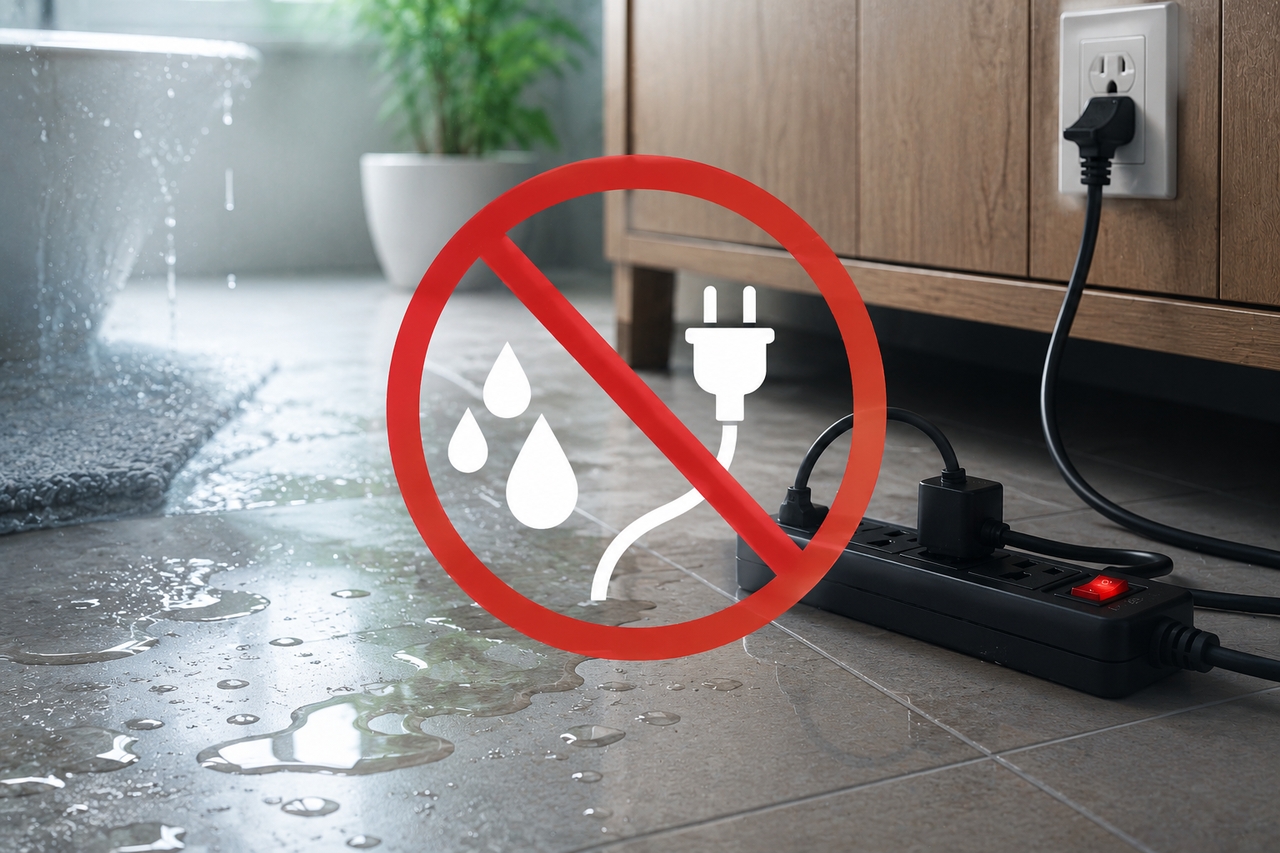
Water is an excellent conductor of electricity, making moisture one of the biggest electrical hazards during storms and flooding. Keep extension cords, power stations, outlets, generators, and backup batteries away from standing water, rain, or snow during a power outage.
Use Backup Power Equipment in a Safe Location
One of the basic electrical safety tips is to always install backup equipment as recommended by the manufacturer. Never run a portable generator indoors or within 20 feet of doors, windows or vents. Always run generators outdoors in open, well-ventilated areas only to prevent carbon monoxide from entering your home.
Install Surge Protection for Sensitive Electronics
Voltage transients are typical when electricity is restored by the utility. Besides point-of-use surge protectors, whole-house surge protectors are also used to assist protect pricey electronics, networking equipment, smart home gadgets, and appliances against abrupt electrical surges. The Electrical Safety Foundation International (ESFI) also recommends using properly rated surge protectors to reduce damage caused by unexpected power surges.
Never Connect a Generator Directly to Home Wiring Without a Transfer Switch
One of the most dangerous mistakes homeowners make is backfeeding, which is putting a generator directly into a domestic socket. This can ignite utility wires unexpectedly, creating a major hazard to electrical workers and neighbors, and destroying the electrical system in your house.
Avoid Overloading Your Backup Power System
Every backup system has a limit to the amount of power it can generate. Running too many appliances at once can overload the system, producing shutdowns, overheating or equipment damage. When following electrical safety tips at home, it's recommended to calculate your essential electrical loads before an emergency and prioritize critical devices.
Maintain and Test Your Backup Power System Regularly
A backup system is only good if it works when you need it. The manufacturer’s maintenance plan recommends that frequent inspections, battery health monitoring, system software updates where relevant and testing of the full backup system should be carried out.
Each backup power supply is provided with particular instructions for installation, charging, maintenance and environmental conditions. Follow these suggestions carefully to preserve your warranty coverage and operate safely.
Inspect Cords, Plugs, and Connections Before Use
Before each outage season, visually inspect extension cords, connectors, plugs and power cables for cracks, fraying, exposed wires, or loose connections. Damaged electrical fittings can lead to shocks, overheating, and electrical fires. Instead of trying temporary fixes, replace worn parts immediately.
Create a secure operating area
Create a safe operating zone for your backup power equipment, away from children, pets and combustible materials. Provide appropriate ventilation, adequate space for maintenance, and convenient access for emergencies. The CDC also recommends keeping fuel-powered generators well away from occupied spaces to minimize carbon monoxide exposure.
Unplug unnecessary devices during extended outages
If the power is out for a long time, turn off non-essential electronics to lessen the electrical load and reduce the risk of damage from a power surge when power is restored.
How to choose the right power backup solution
Now that you know about home electrical safety tips, let's outline how to choose the right power backup solution. Follow the tips below to get started.
Determine essential power requirements.
First, list the appliances that you'll require during an outage. Essential loads are usually things like refrigerators, HVAC systems, medical equipment, lighting, internet equipment, security systems and well pumps.
Compare battery storage and generator options.
Battery backup systems run cleanly, quietly and are maintenance-friendly with no fuel fumes or exhaust. They offer interior applications and convert to backup power in nearly no time. Systems such as EcoFlow Ocean Pro combine high-capacity battery storage with intelligent energy management, offering automatic backup power and eliminating many of the safety concerns of traditional generators for homeowners seeking a long-term whole-home solution.
Consider installation requirements.
Portable generators need to be deployed whenever an outage occurs, while whole-home battery systems are professionally installed and operate on their own. Also consider available installation space, local electrical regulations, permitting requirements, and compatibility with existing electrical panels or solar systems.
Choose a system that matches your home's long-term energy goals
If you're considering putting in rooftop solar, boosting energy efficiency, or decreasing your dependence on the electric grid, then a scalable battery backup system might offer more long-term value. Smart energy management also helps optimize the use of electricity, cut utility bills, and improve energy independence beyond emergency backup.
Ocean Pro: A reliable whole-home battery backup power solution
For homeowners seeking a safe, reliable, and future-ready backup power solution, EcoFlow Ocean Pro offers a comprehensive whole-home battery system that combines high-capacity energy storage with intelligent energy management. Its modular design allows the system to scale with your home's energy needs, making it ideal for everyday energy optimization and long-term resilience during power outages.
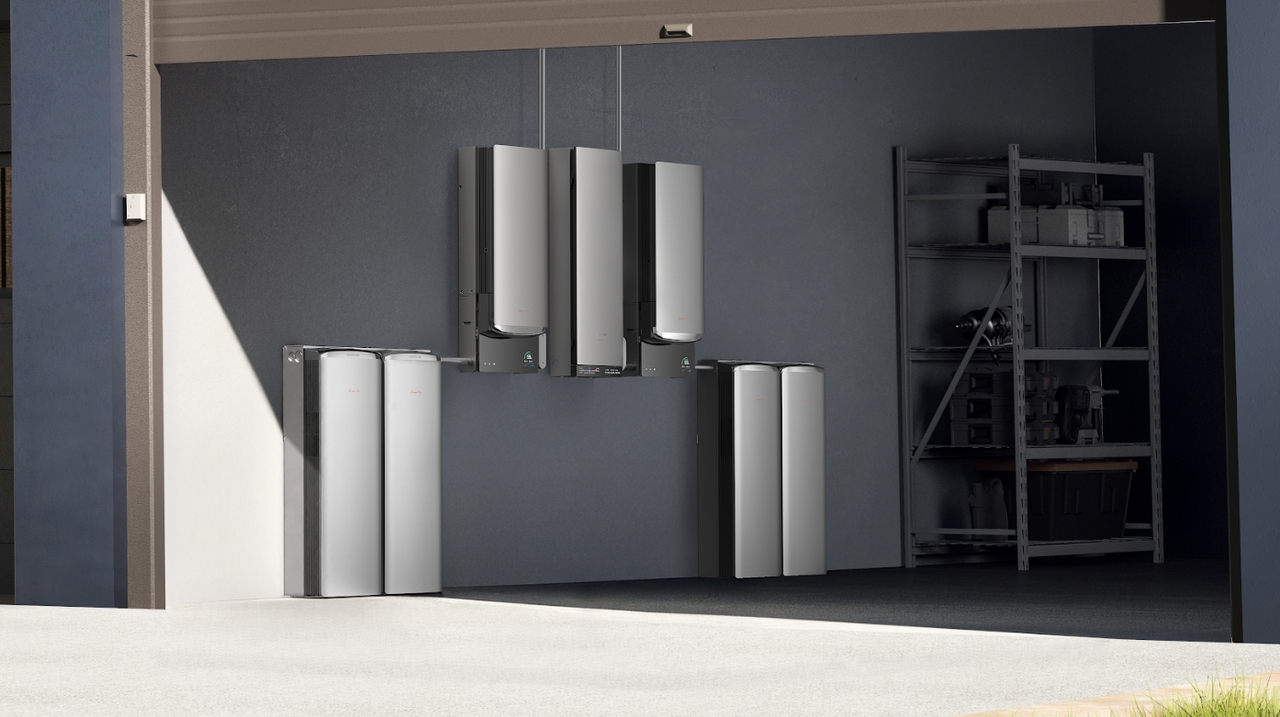
The system starts with 10 kWh of storage per battery and can be scaled up to 80 kWh to meet expanding home energy needs, built with Lithium Iron Phosphate (LFP) battery technology for improved safety and longevity. It offers 205A surge capacity with up to 24 kW of continuous AC output, enabling it to power critical appliances and heavy load needs such as HVAC systems during a power outage. Ocean Pro can also handle up to 40 kW of solar input, allowing homes to maximize solar energy production, reduce reliance on the grid and cut electricity bills by storing extra solar power for use later.
Get Your Free Home Energy Consultation!
Which energy solution are you interested in?

Conclusion
Power outages are unpredictable. Electrical accidents don't have to be. The likelihood of injuries and property damage can be greatly reduced by following proven electrical safety tips, such as keeping equipment dry, avoiding overloads, installing surge protection, maintaining backup systems, and using generators safely. A reliable backup power solution is just as critical, especially as increasingly frequent extreme weather events take hold.
Modern whole-home battery systems such as EcoFlow Ocean Pro provide a safer, cleaner and more convenient alternative to traditional generators, allowing homeowners to build long-term energy resilience. Look no further and request a consultation today to stay safe during power outages.
FAQs
What are 5 electrical safety tips?
Five important electrical safety tips are as follows: Keep electrical equipment dry and use backup power equipment in safe locations. Avoid overloaded circuits. Install surge protection. Check cords and plugs before each usage. These practices reduce the risk of electrical shock, fire and damage to equipment during outages.
What is the safest backup power solution for a home?
Whole-home battery backup systems are usually regarded as one of the safest residential backup options because they don't emit carbon monoxide, require minimal maintenance, work silently and deliver power automatically in an outage. They also do away with numerous dangers of portable generators and are installed by professionals.
How can I safely use backup power during a power outage?
Operate backup equipment according to the manufacturer's instructions, avoid overloading the system, keep electrical devices dry, inspect all cables before use, install transfer switches for generators, and regularly maintain your backup equipment. Following official emergency preparedness guidelines further improves household safety.
Can backup power systems protect my appliances from power surges?
Yes. A lot of newer battery backup systems have integrated electrical protection capabilities, and when used in conjunction with whole-home surge protectors, they safeguard appliances and sensitive devices from voltage spikes that commonly happen when utility power is restored after an outage.

