
Gas vs Electric Dryer: Which Option Makes More Sense for Your Home?
Choosing between a gas and electric dryer goes far beyond glancing at the initial purchase price. Operating costs, infrastructure requirements, drying speed, and local utility rates heavily influence the long term financial value of the appliance. Understanding the core difference between gas and electric dryer units helps households reduce monthly energy expenses. Selecting the correct machine configuration ensures the equipment matches specific daily routines and existing room layouts.
Exploring different ways to manage overall household electricity usage remains a beneficial step for modern families. A smart home battery backup system works exceptionally well to optimize power consumption alongside other major household appliances. Upgrading laundry equipment presents a perfect opportunity to reevaluate how a property draws energy. Making informed decisions today prevents expensive utility bills from piling up tomorrow.
Gas vs electric dryer at a glance
Deciding between these two popular appliances requires a clear look at their basic operational differences. Every household possesses unique infrastructure, making one type of machine more appealing than the other. Evaluating primary power sources and installation demands helps narrow down the choices quickly. Identifying major household energy drains often prompts residents to seek out more efficient laundry solutions.
The following table provides a quick scannable comparison of the overarching differences between the two primary dryer types. Reviewing these key points makes the decision process much simpler before diving into the finer technical details.
Feature | Gas Dryer | Electric Dryer |
|---|---|---|
Energy Source | Natural gas or propane plus a standard 120V outlet | Electricity only |
Upfront Cost | Higher initial purchase price at the store | Lower initial purchase price at the store |
Installation Requirements | Requires a dedicated, professionally installed gas line | Requires a 240V dedicated electrical outlet |
Average Operating Cost | Generally features a lower monthly operating cost | Generally features a higher monthly operating cost |
Drying Speed | Much faster drying times due to instant heat | Slower drying times as heating elements warm up |
Comparing upfront costs and long-term energy efficiency
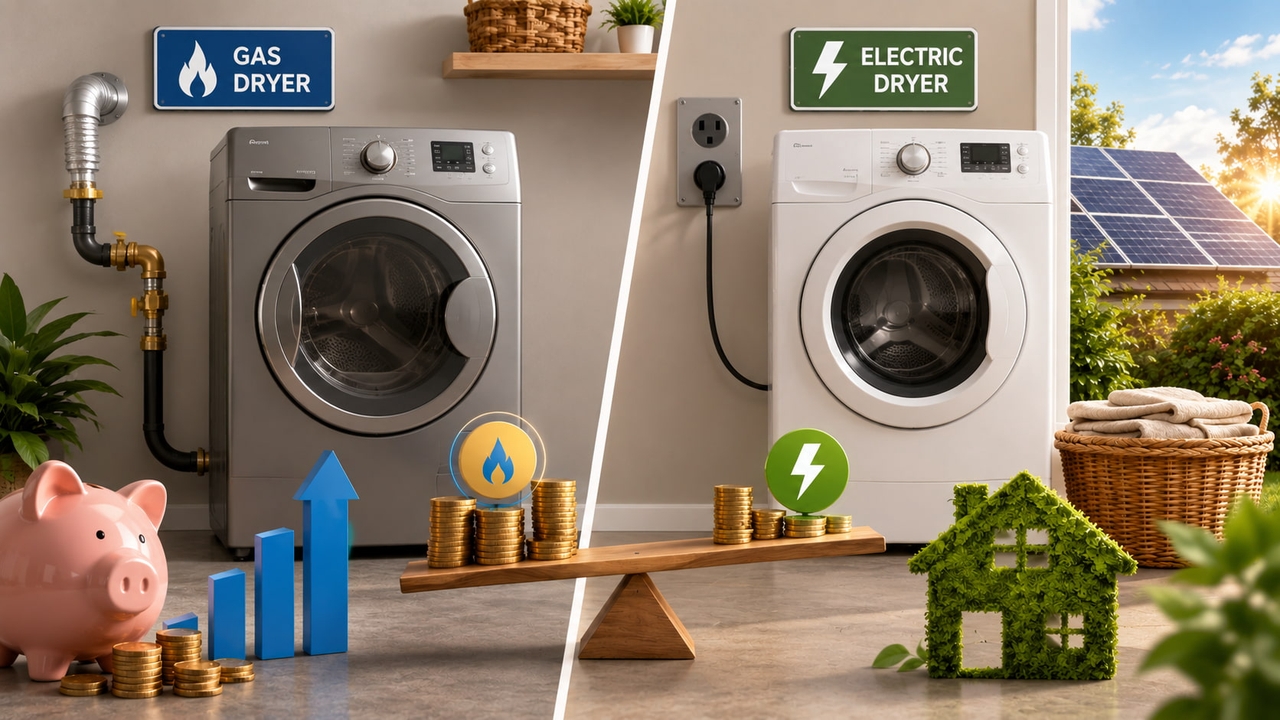
Evaluating the financial impact of a new laundry appliance involves balancing immediate spending against future savings when deciding between a gas dryer vs electric dryer. What costs more upfront might end up saving hundreds of dollars over the lifespan of the machine.
Purchase price vs. professional installation
Electric dryers cost less to buy because they use simple heating coils rather than complex gas burners. However, installation dictates the true upfront cost.
Installing a gas model requires a dedicated natural gas line, which means hiring a licensed plumber. Conversely, an electric machine requires a dedicated 240V outlet. Most modern laundry rooms already have this setup, but older homes without one will require an electrician to upgrade the panel.
Monthly operating expenses
Gas burners heat the drum instantly, drying heavy loads much faster than electric models and consuming fewer resources per cycle.
In many areas, natural gas prices remain lower than electricity rates, making gas units cheaper to run over time. Electric elements take longer to warm up, which extends cycle times and power draw.
Longer cycles mean the machine draws power for an extended duration. According to the U.S. Department of Energy, clothes dryers account for roughly 3.3% of total U.S. residential energy use. While this seems like a modest share, it makes operational efficiency worth prioritizing for families wanting to save money.
When to choose which
A gas unit is ideal if your property already has gas infrastructure, which eliminates the steepest installation barrier. An electric machine is better for homes without gas service, such as rural properties or apartments.
Electric units also pair perfectly with home solar systems, where free energy makes the electrical draw negligible. Deciding whether to buy a gas or electric dryer feels remarkably similar to choosing a gas vs electric fireplace for the living room. Both decisions require evaluating your existing infrastructure and long-term energy goals.
Managing dryer energy use more effectively at home
Modern homes consume vast amounts of power to maintain comfortable daily routines. Managing this consumption effectively prevents utility bills from escalating out of control. Smart monitoring tools provide clarity on how energy flows throughout the property during different times of the day.
Track when your appliances draw the most electricity
Electric dryers pull very heavy wattage while tumbling heavy loads of wet fabric. This massive power draw frequently causes severe spikes in consumption during peak pricing hours. Many families tend to run their laundry machines in the early evening. Unfortunately, utility companies often charge their highest rates during this exact timeframe.
Modern smart meters installed by utility companies allow residents to view their consumption data hour by hour online. Checking this data reveals exactly when the washing machine and dryer pull the most energy. Conducting a thorough household energy audit helps identify which specific appliances act as energy hogs. Understanding the total energy footprint acts as the first step toward building smarter usage habits. Knowing exactly when the home draws the most power allows families to adjust their schedules and avoid premium utility rates.
Smart energy management for high-demand loads
Heavy appliances like electric dryers often cause unexpected spikes in monthly utility bills. These financial spikes hit especially hard during peak hours when an entire neighborhood draws power simultaneously. Advanced battery systems help offset these rising costs by actively analyzing daily usage patterns and shifting the power draw behind the scenes.

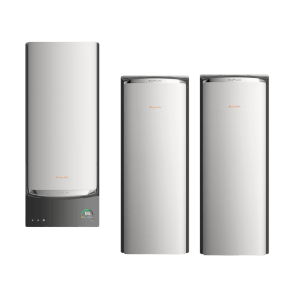
For example, the EcoFlow OCEAN Pro Solar Battery System integrates Load Management and Time-of-Use optimization via its Intelligent Mode. This advanced capability allows the system to automatically shift high-draw appliance usage to off-peak periods when electricity rates hit their lowest point. During the hottest summer months, utility rates can easily triple during the late afternoon, helping major appliances draw power from stored solar energy rather than pulling expensive electricity directly from the grid.
This proactive management system delivers up to 24kW of continuous output, effortlessly powering heavy loads like an air conditioner, electric dryer, and oven simultaneously. By optimizing distribution to avoid peak grid pricing, it ensures reliable operation while maximizing utility savings. Professional installation by a certified electrician is required.
Get Your Free Home Energy Consultation!
Which energy solution are you interested in?

Navigating the complexities of modern home power demands expert guidance. Households looking to protect against rising utility rates have incredibly reliable options available right now. Building a resilient home energy ecosystem secures peace of mind for years to come. Are you ready to resolve uncertainty about home battery backups and manage heavy appliance loads effectively? We can help protect and optimize the property. Request A Consultation today to discover the perfect energy solution tailored for the home.
Simple ways to lower dryer energy costs regardless of dryer type

Regardless of the power source chosen, small adjustments to your regular laundry routine yield impressive financial savings over a full calendar year while extending the life of the machine.
Maximize efficiency with full laundry loads
Drying one or two items wastes heated air, as machines use nearly the same energy for empty drums as full ones. Overloading, however, restricts airflow and forces longer run times.
Sorting laundry by fabric weight also helps. Drying heavy jeans separately from thin t-shirts prevents running extra cycles just to finish a few damp items.
Maintain airflow by cleaning the lint filter
A clogged lint screen forces the dryer to work harder, which drastically extends drying times. Cleaning the filter after every load reduces energy use instantly and prevents dangerous household fires.
Checking the exterior vent once a year also keeps airflow clear. According to Virginia Cooperative Extension at Virginia Tech, keeping dryer ducts short, straight, and unobstructed significantly reduces energy use in the laundry room. Choosing appliances with moisture-sensing controls also helps lower this overall power draw.
Utilize built-in moisture sensors
Modern laundry appliances feature automatic moisture sensing cycles that outperform basic timed settings. Internal sensors detect remaining dampness and shut the machine off precisely when clothes are dry.
This automated feature prevents wasted energy and protects fabrics from heat damage. Official guidelines from ENERGY STAR strongly suggest utilizing these sensors to save both electricity and clothing.
Shift laundry routines to off-peak hours
Running machines in early mornings or late evenings lets you take advantage of lower utility rates. Many power companies use Time-of-Use pricing that charges more for electricity during peak daytime hours.
Adapting your laundry schedule to fit these off-peak rates cuts monthly bills. Running the dryer on a Sunday morning instead of a Wednesday evening makes a noticeable difference on your statement.
Conclusion
Choosing the right laundry appliance requires evaluating the unique demands of the specific property. Both gas and electric models provide reliable performance when maintained correctly. Gas models excel in drying speed and typically offer lower operational costs if natural gas rates remain favorable locally. Electric models boast lower upfront retail prices and integrate seamlessly with modern home battery backups and solar arrays.
Carefully weighing the cost of initial installation against long-term utility expenses brings clarity to the buying process. Taking the time to understand local electricity rates, gas availability, and daily household habits makes the final choice much simpler. Proper maintenance and smart usage habits ultimately dictate the true efficiency of the machine over its entire operational lifespan.
FAQs
Is a gas dryer cheaper to run than an electric dryer?
Natural gas usually costs less than residential electricity in most regions. Gas models heat up instantly, resulting in shorter cycle times. This rapid efficiency generally leads to lower operating costs over the lifespan of the appliance.
Which is better, gas or electric dryer?
The ideal choice depends on existing home infrastructure. Gas units dry clothes rapidly and cost less to operate. Electric units offer a lower initial price and pair perfectly with advanced setups like an EcoFlow Ocean Pro for ultimate home efficiency.
Are gas dryers being phased out?
Some local municipalities updated building codes encouraging electric appliances to reduce carbon emissions. However, gas models remain widely available and highly popular. Analyzing the gas or electric debate remains relevant for most buyers today.
Can I replace an electric dryer with a gas dryer?
Swapping from electric to gas is entirely possible if the laundry room has an accessible gas line. Hiring a professional plumber to install a brand new dedicated gas line adds a significant upfront cost to the appliance replacement project.
How much does it cost to run a gas dryer for an hour?
Operating costs vary greatly depending on regional energy markets. Based on residential pricing data from the U.S. Energy Information Administration, running a gas model averages roughly 15 to 20 cents per load. Checking local utility rates provides the most accurate estimate.

