
Gas vs Electric Fireplace: Key Differences & How to Choose
Choosing between a gas vs electric fireplace can feel overwhelming when you’re balancing heating performance, installation costs, safety, and long-term energy bills. Some homeowners want realistic flames and whole-room warmth, while others prefer a low-maintenance option that’s easy to install and energy efficient. Your choice can also affect how well your home handles outages and rising utility costs. This guide breaks down every major difference, such as costs, heat output, safety, efficiency, and more, so you can make a confident decision. To maximize your savings and energy independence, consider integrating a home battery into your setup to manage your heating loads more effectively.
Gas vs electric fireplace: The differences
Understanding how each type works is the first step to choosing the right fireplace for your home.
Gas fireplaces: These use actual combustion. They burn natural gas or liquid propane to create real flames. Because they involve fire, they usually require venting (a chimney or flue) and professional gas line plumbing.
Electric fireplaces: These are essentially high-tech space heaters. They use LED lights or video loops to create a flame effect and electric resistance coils (or infrared technology) to produce heat. Most are "plug-and-play," requiring only a standard wall outlet.
Feature | Gas Fireplace | Electric Fireplace |
|---|---|---|
Flame type | Real combustion flame | LED simulation |
Heat output | 20,000–40,000 BTU/hr | 750–1,500W (~2,500–5,100 BTU) |
Installation | Professional required | DIY-friendly / plug-in |
Venting | Required (direct or ventless) | Not required |
Works in outage? | Yes (most models) | Only with battery backup |
Efficiency | 70–90% | ~100% |
Annual maintenance | Required | Minimal |
Upfront cost | $2,500–$7,000+ | $300–$2,000+ |
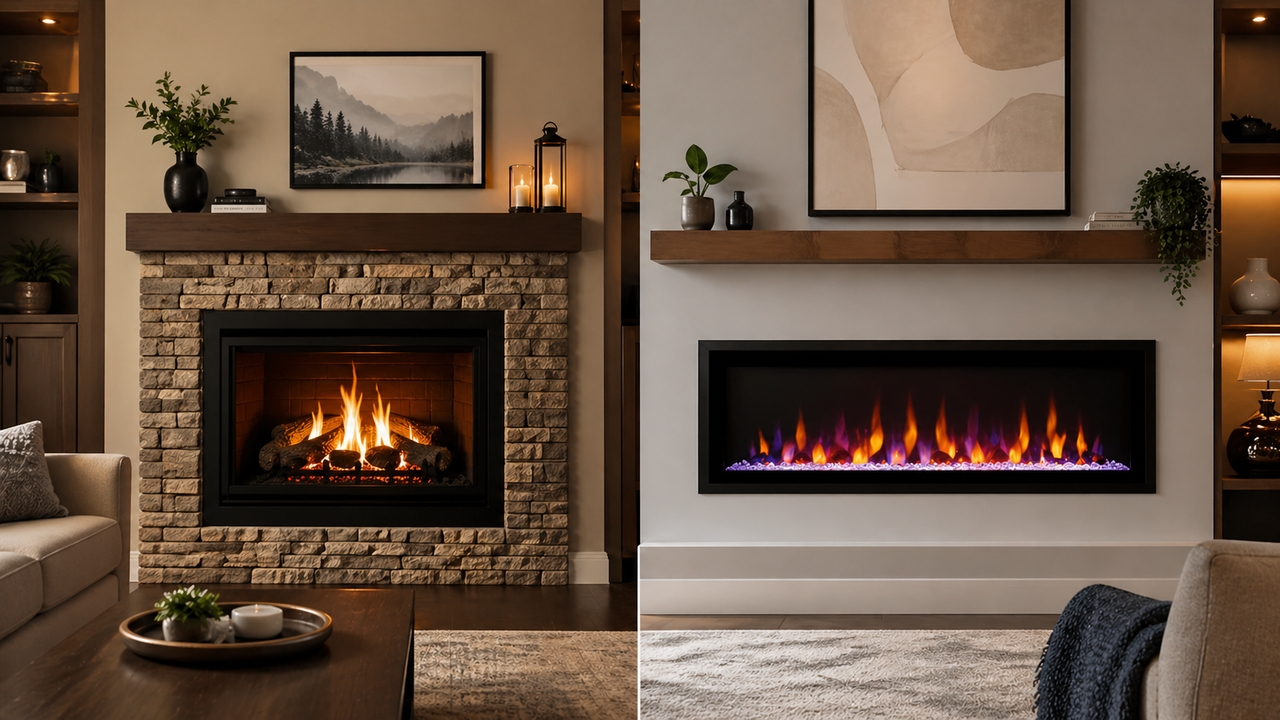
Flame realism and ambiance: Gas or electric?
The way a flame looks and the atmosphere it creates can be just as vital as the warmth it radiates. Choosing between gas fireplace vs electric fireplace aesthetics often comes down to whether you prioritize organic movement or modern versatility.
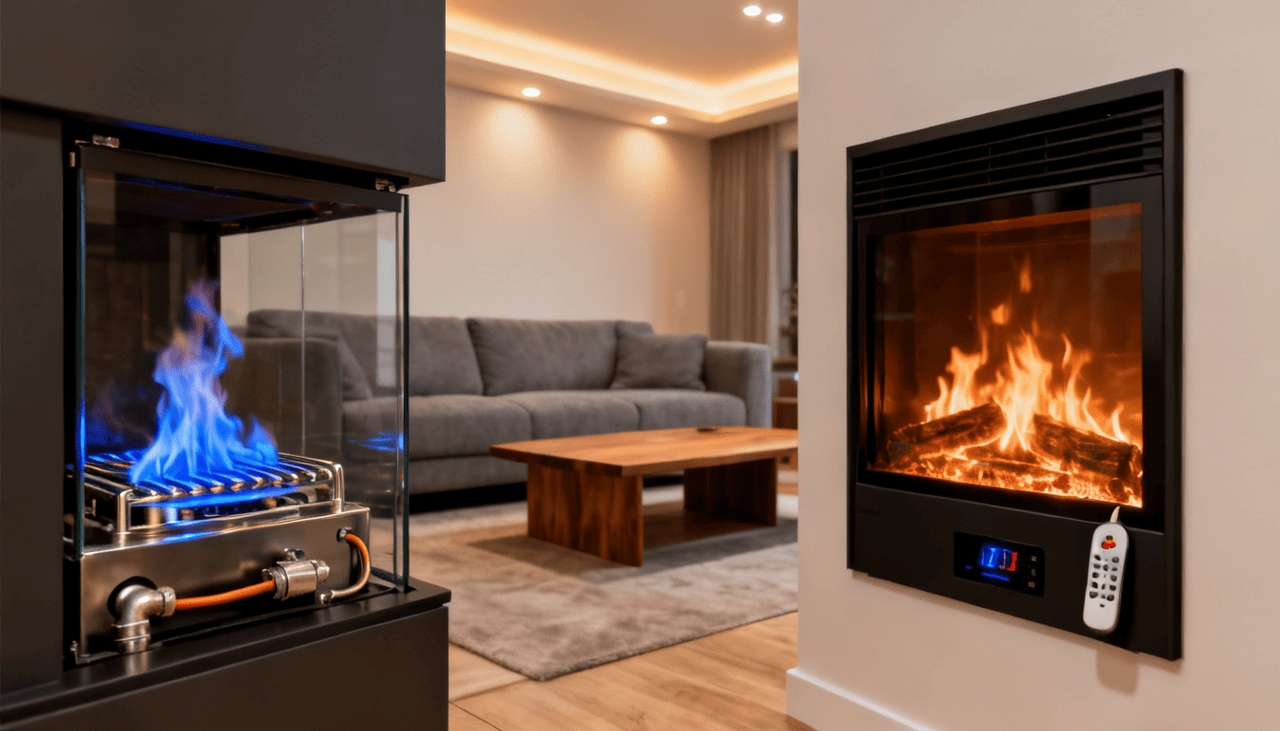
Gas fireplaces produce a genuine open flame with glowing embers, natural flicker, and the authentic warmth of a wood-burning fire. The visual experience is unmatched — you can actually feel radiant heat from the flame itself, not just warm air being pushed around the room.
Electric fireplaces have closed the gap dramatically in recent years. High-end models now feature ultra-realistic 3D flame effects, optional crackling log sound effects, and adjustable color temperatures that mimic everything from a roaring fire to a soft ambient glow. You can even run the flame display without any heat — a nice touch in warmer months.
Who wins on ambiance?
Gas is best for buyers who want an authentic flame experience and are willing to invest in installation. Electric is best for those prioritizing flexibility, low maintenance, and a modern aesthetic — especially in apartments or condos where gas lines aren't available.
Heat output and efficiency — Which warms your home better?
Gas fireplaces are serious heaters. Most residential models produce between 20,000 and 40,000 BTU per hour, which is enough to serve as the primary heat source for a 1,500 to 2,500 sq ft home. They heat spaces quickly and can maintain warmth even when the central heating system is off.
Electric fireplaces output between 750 and 1,500 watts — roughly 2,500 to 5,100 BTU — which is best suited for supplemental zone heating in a single room such as a bedroom, home office, or living room. They won't replace your central heating system, but they can reduce how hard it works.
Electric fireplaces convert nearly 100% of electricity into usable heat — no energy escapes through a flue or vent. Gas fireplaces run at 70–90% efficiency, with some energy lost through combustion exhaust even in high-efficiency models.
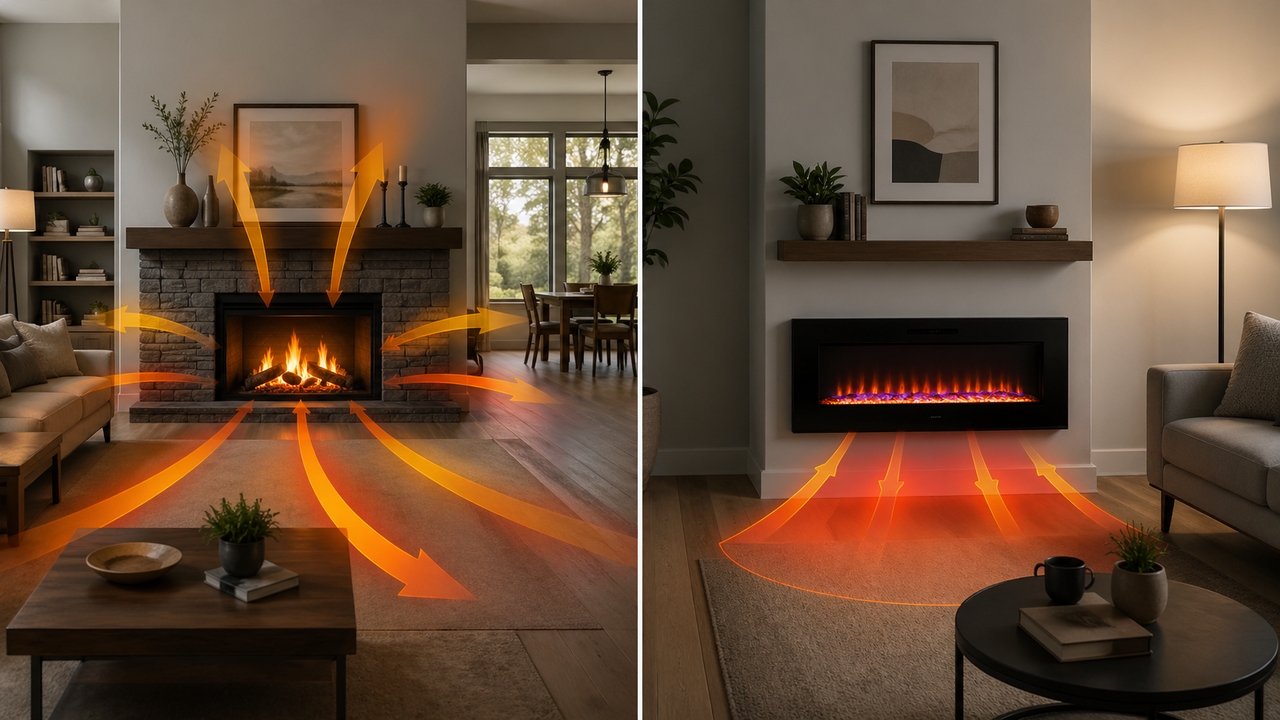
The nuance: Electric fireplaces are technically more efficient per unit of energy used, but gas fireplaces deliver far more raw heat output. Think of it this way — Electric is more precise, Gas is more powerful.
Zone heating tip: An electric fireplace in a frequently used room lets you turn down the thermostat for the rest of the house, which can meaningfully reduce your overall heating bill.
Gas vs electric fireplace cost breakdown (Upfront + Installation)
The initial price tag is often where the electric fireplace vs gas fireplace debate ends for many homeowners.
Cost Category | Gas Fireplace | Electric Fireplace |
Unit cost | $2,500–$7,000+ | $300–$2,000+ |
Installation | $2,500–$10,000+ | $200–$2,500 (or DIY) |
Total first-year cost | $5,000–$17,000+ | $500–$4,500 |
Gas fireplace installation costs are high because they typically require a licensed contractor to run a gas line, install proper venting, and pass local safety inspections. If your home doesn't already have a gas line in the right location, costs climb quickly.
Electric fireplaces, by contrast, can often be installed as a simple DIY project — plug it in, mount it, and you're done. Even professional installation, such as building a custom surround or adding a dedicated circuit, is a fraction of what gas requires.
Electric fireplaces almost always win on total first-year cost. Even a premium electric model with professional installation typically comes in well under the entry-level cost of a gas fireplace.
Running costs and efficiency – Electric vs gas fireplace
Once installed, the ongoing operating costs of each fireplace depend heavily on local utility rates, how often you use it, and the efficiency of your specific model.
Factor | Gas Fireplace | Electric Fireplace |
Avg. operating cost | Varies by region/usage | ~$0.18/hour at avg. rates |
Annual cost (typical use) | $100–$300+ | $10–$130 |
Efficiency | 70–90% | ~100% |
Fuel cost trend | Natural gas prices fluctuate | Electricity rates more stable |
Running a 1,500W electric fireplace at the U.S. average electricity rate of roughly $0.12–$0.16/kWh costs between $0.18 and $0.24 per hour. For light daily use of one to two hours a day, annual costs might stay under $50. Heavy use can push toward $130 or more.
Gas fireplaces can be cheaper per BTU in some regions where natural gas is inexpensive. However, their lower efficiency means some of that energy is always lost.
Smart energy tip: When using an electric fireplace, pairing it with a home battery lets you shift usage to off-peak hours or power it from stored solar energy — cutting your electricity bill further while reducing your carbon footprint. This is one of the most effective ways to make electric heating even more affordable.
Maintenance, safety, and environmental impact
Beyond cost and heat, safety and day-to-day maintenance should factor into your decision — especially if you have children or pets.
Safety: Electric fireplaces have no open flame, produce no combustion gases, and typically feature cool-touch glass surfaces. This makes them significantly safer in homes with young children and pets. Gas fireplaces involve real combustion, which means carbon monoxide risk if venting is improperly installed or maintained. The glass front can reach dangerous temperatures, and carbon monoxide detectors are essential.
Maintenance: Electric fireplaces are virtually maintenance-free — occasional dusting and, in some models, a bulb replacement every few years. Gas fireplaces require annual servicing by a licensed technician, glass cleaning, and periodic inspection of the gas line, burner, and venting system.
Environmental impact: Gas fireplaces produce CO2 and other combustion byproducts, contributing to greenhouse gas emissions. Electric fireplaces produce zero direct emissions, though their environmental impact depends on how your local grid generates electricity. Pairing an electric fireplace with an EcoFlow solar battery setup means you could heat your home using clean, stored solar energy.
Reliability during power outages
This is the one area where gas traditionally dominates. Most gas fireplace models are designed to operate without electricity, providing reliable heat during winter storms or grid failures. For homeowners in regions prone to severe weather, this can be a compelling safety feature. Electric fireplaces, conversely, go dark the moment the grid fails.
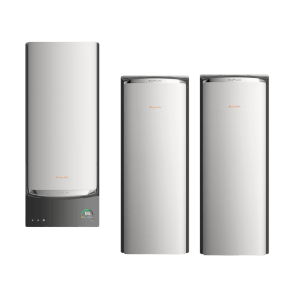
This is where a home backup battery like the EcoFlow Ocean Pro closes the gap. With a massive 24kW continuous output and a 205A LRA surge capability, it has the raw power to handle high-draw appliances—including your electric fireplace—simultaneously with other heavy loads like HVAC systems. Its scalable design allows you to expand storage from 10kWh to 80kWh, ensuring that even during multi-day winter storms, you have the flexibility and sustainability of an electric fireplace without sacrificing the reliability of gas.
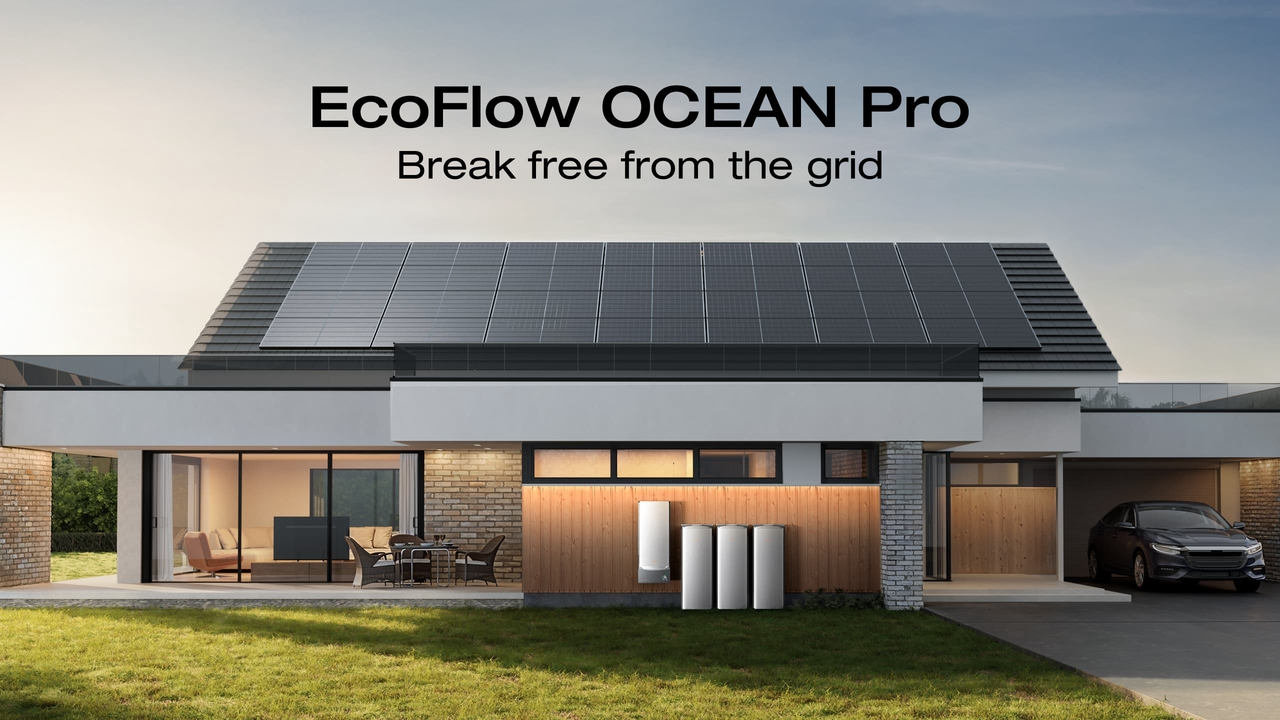
Ready to upgrade your home's resilience? Book a free consultation with an EcoFlow energy expert and get a personalized recommendation for your home.
Get Your Free Home Energy Consultation!
Which energy solution are you interested in?

Which fireplace is right for your home?
Choosing between a gas vs electric fireplace depends on your lifestyle, your home’s infrastructure, and your local weather. Use this quick decision guide to see which hearth fits your needs.
Choose a gas fireplace if:
You need a primary heat source: If you live in a region with harsh winters and need a unit that can effectively heat several rooms or an entire floor.
You prioritize resale value: Gas fireplaces are often viewed as a permanent home improvement that can increase property value.
Blackout protection is a priority: You want a fireplace that can still provide warmth during a power outage without needing a secondary battery system.
You have a higher budget: You are prepared for the $2,500–$10,000+ investment for unit costs, gas lines, and professional venting.
Choose an electric fireplace if:
You are on a budget: You want the cozy atmosphere of a fireplace for under $1,000 and prefer a DIY or "plug-and-play" installation.
You live in an apartment or rental: You need a portable or wall-mounted option that doesn't require permanent renovations or structural venting.
Safety is your top concern: You have small children or pets and want a "cool-to-the-touch" glass surface with zero risk of carbon monoxide.
You want year-round ambiance: Most electric models allow you to turn on the "flame" effect without the heat, making them perfect for summer evenings.
Your Priority | Winner | Why? |
Lowest Upfront Cost | Electric | No gas lines or venting required. |
Maximum Heat (BTUs) | Gas | Up to 40,000 BTUs vs. 5,000 BTUs for electric. |
Sustainability | Electric | 100% efficient; can be powered by solar/batteries. |
Installation Ease | Electric | Simply plugs into a standard 120V outlet. |
Visual Realism | Gas | Physical fire provides the most authentic glow. |
Final thoughts
When comparing a gas vs electric fireplace, the right choice depends on what matters most for your home and lifestyle. Gas fireplaces deliver stronger heat output, realistic flames, and dependable performance during power outages, making them ideal for larger homes and colder climates. Electric fireplaces, on the other hand, stand out for their affordability, easy installation, low maintenance, and energy efficiency — especially for supplemental heating in smaller spaces.
If your priority is creating a traditional fireplace experience with powerful heating, a gas fireplace may be the better investment. If you prefer a safer, more flexible, and budget-friendly option that works well in apartments, offices, or modern homes, an electric fireplace is often the smarter choice.
For homeowners focused on efficiency and sustainability, combining an electric fireplace with a smart energy setup can offer even greater benefits. Pairing your fireplace with a home battery system, like EcoFlow Ocean Pro allows you to reduce reliance on peak electricity rates while maintaining comfort during outages.
FAQs
1. Which is cheaper to run, gas fireplace or electric?
It depends on your local utility rates. Electric fireplaces typically cost $0.18–$0.24 per hour to run and $10–$130 per year with moderate use. Gas fireplaces can be cheaper per BTU in regions where natural gas is inexpensive, but their lower efficiency means some energy is always wasted. For most U.S homeowners, electric fireplaces are comparable or cheaper to run for supplemental heating.
2. Is it okay to run an electric fireplace all day?
Yes, most electric fireplaces are designed for continuous use and include built-in overheat protection and automatic shutoff features. Running one all day is generally safe, though it will increase your electricity bill. Using the thermostat mode — rather than running at full power constantly — is the most efficient approach.
3. Which fireplace adds more value to a home?
Gas fireplaces generally add more resale value, particularly in colder climates where buyers prioritize heating capacity and ambiance. A high-quality built-in gas fireplace can add several thousand dollars to a home's value. Electric fireplaces add less value on their own, though a well-designed electric fireplace with a custom surround can still be a selling point.
4. How long do gas and electric fireplaces last?
With proper maintenance, gas fireplaces typically last 15–25 years. Electric fireplaces last 10–20 years depending on usage and build quality. Annual servicing extends the lifespan of gas units significantly, while electric fireplaces mainly need occasional cleaning and LED bulb replacements.
5. Which fireplace is more energy-efficient?
Electric fireplaces are near 100% energy-efficient because they convert all used electricity into heat. Gas fireplaces lose 10–30% of their heat through venting or chimneys. To maximize electric efficiency, pair your unit with a solar battery, like EcoFlow Ocean Pro, to utilize clean energy.

