
FPL Net Metering: How It Works and What Homeowners Need to Know
FPL net metering allows homeowners with approved renewable energy systems, such as rooftop solar, to offset electricity purchased from FPL. However, understanding how energy credits, daytime generation, nighttime consumption, and outages interact is important before installing a solar system. This guide explains how FPL net metering works, its requirements and limitations, and how home battery storage can add another layer of household energy resilience.
What is FPL net metering?
FPL net metering is a billing arrangement that allows customers with approved renewable energy systems to offset electricity they would otherwise purchase from FPL. Solar electricity can power the home first, while excess generation can flow to the FPL grid and be recorded as a credit for future use.
A bi-directional meter measures electricity flowing between the home and the grid. Customers must apply and receive approval before installing and operating an interconnected renewable generation system.
FPL states that excess energy is deducted from monthly usage or credited toward a future bill within the same calendar year. Its current net-metering FAQ also lists a $30 minimum base bill, meaning net metering does not eliminate all charges.
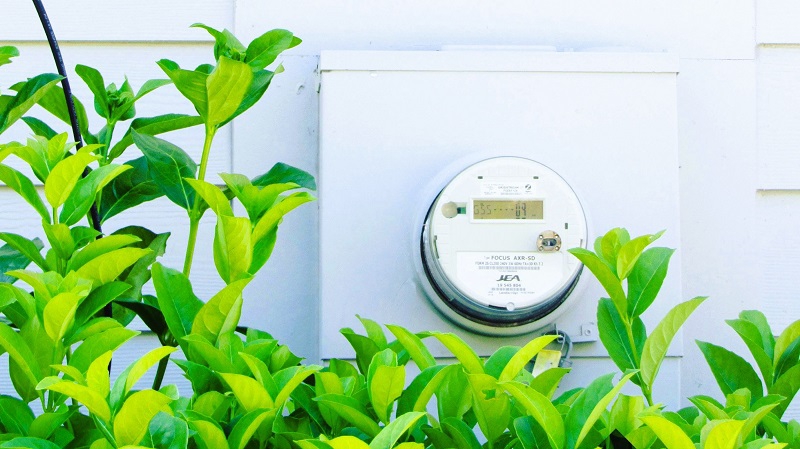
How does FPL net metering work?
Florida net metering essentially tracks the difference between electricity your home receives from the utility and excess electricity your solar system sends to the grid. The process changes throughout the day depending on solar production and household consumption.
During the day
When your solar panels generate electricity, your home uses that power first. If production exceeds household demand, the unused electricity flows through the bidirectional meter to the FPL grid. FPL records this excess as kWh received, which can contribute to your energy bank for future billing periods.
When solar production is lower than consumption
When your home needs more electricity than the solar system produces, electricity comes from FPL. This commonly occurs at night or during periods of limited sunlight. Net metering does not store daytime solar electricity; Instead, excess generation sent to the grid can offset electricity consumed later.
How excess solar energy is credited
If your system generates more electricity than your home uses during a billing period, the excess is added to your energy bank and can offset future electricity consumption within the calendar year. Any unused kWh reserve when FPL reads the meter in December receives a credit on the December bill. FPL also applies a $30 minimum base bill.
FPL net metering requirements
Before connecting a solar or other qualifying renewable energy system to FPL, customers must submit an application and receive pre-approval. The system must be estimated to produce less than 115% of annual electricity consumption.
FPL classifies systems by AC gross power rating:
Tier 1 is up to 10 kW
Tier 2 is above 10 kW through 100 kW
Tier 3 is above 100 kW through 2 MW
Customers must also meet applicable interconnection, permitting, equipment, and safety requirements.
Tier 2 and Tier 3 systems require additional documentation, including liability insurance, while systems of 50 kW or more require three-phase WYE service.
What Happens to Solar During an FPL Power Outage?
Net metering in Florida can help offset electricity consumption, but it is primarily a billing mechanism, not a backup-power system. This distinction becomes important when your home needs electricity after sunset or during an outage.
Grid-connected solar systems shut down during blackouts
A grid-connected solar system is designed to automatically disconnect when the utility grid goes down. This anti-islanding protection prevents electricity from flowing onto power lines while crews work on restoration.
Net metering does not provide backup power
The kWh credits associated with net metering cannot keep household appliances operating during an outage. Without appropriate backup equipment, a solar-plus-net-metering system cannot supply normal household electricity when FPL service is unavailable.
Florida weather can disrupt electricity service
Florida homes can experience power interruptions caused by lightning, storms, vegetation, and other electrical disturbances. During severe weather, losing electricity can affect essential household equipment and make dependable backup power particularly relevant.
How battery storage can complement FPL net metering?
FPL net metering can account for excess solar electricity, but a battery adds physical energy storage to the home. This can help address the timing gap between daytime solar production and nighttime electricity demand while providing another layer of backup capability during outages.
When solar production exceeds household consumption, a battery can store some of that energy for later use rather than relying entirely on electricity from FPL after sunset. FPL also permits battery storage integrated with customer-owned renewable generation, although stored battery energy cannot currently be exported to the grid under its published guidelines.
For homeowners considering a whole-house battery, EcoFlow OCEAN Pro Solar Battery System can serve as a storage and backup platform:
10 kWh battery capacity per unit, with up to eight battery units supported by one OCEAN Pro inverter.
LFP battery chemistry for the battery system, with up to 24 kW continuous output.
Indoor and outdoor-rated construction, with 40 kW solar input and 205A load-start capability.
With appropriate installation and system configuration, OCEAN Pro can therefore complement an FPL net-metered solar system by shifting stored solar energy toward nighttime use and supporting household loads when grid power is unavailable.
FPL specifically notes that appropriate equipment, including a battery system, can allow a net-metering customer to operate renewable generation during a grid outage.

Get Your Free Home Energy Consultation!
Which energy solution are you interested in?
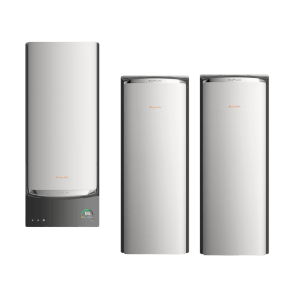
Complement FPL net metering and reduce your electricity bills with EcoFlow Ocean Pro by contacting our professionals.
How to think about an FPL solar + battery setup?
Choosing a solar-plus-battery system starts with understanding when your home uses electricity, how much your solar array produces, and what happens when FPL service is unavailable. Consider these factors before determining system size:
Review annual and daily electricity consumption: Look at historical electricity usage and identify periods of higher demand.
Estimate solar exports: Identify how much excess electricity could be sent to the FPL grid through net metering.
Identify nighttime needs: Consider the electricity required after solar production declines, including cooling, refrigeration, lighting, and other household loads.
Size the system appropriately: Match solar generation and battery capacity to household consumption, backup requirements, and applicable FPL interconnection requirements. FPL requires pre-approval before installing an interconnected renewable generation system.
Conclusion
FPL net metering can help homeowners with approved solar systems offset electricity purchased from the utility by applying excess generation toward future consumption. However, net metering does not physically store solar energy for nighttime use, nor does it automatically keep a home powered during an FPL outage.
This makes battery storage an important consideration for homeowners looking beyond bill credits. A whole-house battery can store available energy for later use and, with the appropriate equipment and configuration, provide backup power when grid service is unavailable. Rather than replacing FPL net metering, a battery system can complement it by adding energy storage and supporting greater household energy resilience.
FAQs
How does FPL net metering work?
FPL net metering allows approved renewable energy systems to offset electricity consumption. Excess solar generation can be sent to the grid and recorded as kWh credits for future use.
How much does FPL pay for net metering?
FPL does not provide a direct monetary payment for each kWh generated. Instead, customers receive kWh credits for excess electricity, with applicable surplus treatment based on FPL’s current tariff.
Does FPL net metering work at night?
Solar panels generally do not generate electricity at night. Homes can use accumulated net-metering credits to offset electricity received from FPL, but those credits do not physically supply power to the home.
Will my solar panels work during an FPL power outage?
Not automatically. Grid-connected solar systems must isolate from the grid during an outage. Appropriate equipment, such as a specialized inverter or battery system, can allow renewable generation to operate during outages.
Can a battery be used with FPL net metering?
Yes. FPL permits behind-the-meter battery storage integrated with customer-owned renewable generation. Under its current guidelines, stored battery energy is intended for customer use and cannot be exported to the grid.

