
Average Electricity Bill for 2 Person Household: Costs & Savings
Understanding the exact breakdown of monthly energy expenses serves as the first step toward lowering them. For many couples or roommates living together, the national average hovers around 887 kWh per month. However, this number fluctuates heavily based on the local climate and whether the residence is a 1,000 sq ft (92.9 sq m) apartment or a much larger house. Small changes in daily habits often create big differences in the final utility statement.
In this comprehensive overview, we will explore regional rate differences and identify common appliances that drain the most energy. Additionally, we will look at how modern upgrades, such as adding a reliable home battery backup, can protect a property from rising utility rates and unexpected power outages. Knowing where electricity goes makes it much easier to take control of monthly expenses.
What Determines the Average Electricity and Gas Bill for 2 Person Household?
The final cost on a utility bill is affected by many factors. Each house is unique, and understanding these basic drivers helps you figure out where you're losing energy. So the average electricity and gas bill for 2 person household is not the same from one neighborhood to another.
Impact of Square Footage
The physical size of a home dictates a massive portion of its energy needs. A 2,000 square foot house holds significantly more air volume than a compact city apartment. Heating and cooling that larger space requires the HVAC system to run longer and work harder. Consequently, larger homes inherently draw more kilowatts just to maintain a comfortable baseline temperature. More rooms also mean more light fixtures, extra televisions, and potentially secondary refrigerators, all of which constantly sip power.
Daily Occupancy Habits
The recent shift to remote work means more homes stay fully occupied during the day. With computers, lights, and air conditioning running constantly, daytime energy use spikes. The growing trend of home electrification magnifies this impact, as modern households rely on electricity for almost every daily task. Simply staying home means cooking more meals and running appliances like the dishwasher more often, leading to a noticeable bump in monthly utility costs.
Electric vs. Gas Appliances
The energy source for major appliances shares the utility burden. All-electric homes rely entirely on the power grid for heating, cooking, and hot water, which drives up the electric bill. On the other hand, homes that use natural gas for their furnaces, water heaters, and stoves move a big chunk of their energy costs to a separate gas bill. Knowing this balance is important when you compare your total monthly utility costs with those of your friends or neighbors. It may simply be that the household pays a high gas bill in the winter months in exchange for a low electric bill.
Breakdown of Typical Costs by US Region
The final monthly statement is heavily influenced by geographic location. Utility rates vary widely from state to state, depending on local regulations, available power sources, and the cost of infrastructure. And even more than that, local weather patterns determine how much power residents actually need to be comfortable.
The table below shows typical consumption and costs in various parts of the United States. For accuracy, these numbers are based on recent U.S. Energy Information Administration (EIA) reports.
Region | Monthly Consumption (kWh) | Average Monthly Bill |
US Average | 887 kWh | $169 |
Northeast | 661 kWh | $178 |
Midwest | 825 kWh | $132 |
South | 1,104 kWh | $177 |
West | 740 kWh | $141 |
The South has the highest monthly usage due to long, very humid summers requiring constant air conditioning. Air conditioning is used eight or nine months a year in the South. While electricity use is lower overall in the Northeast, high prices on the local grid still result in a hefty average bill. The Midwest tends to have the lowest average bill in the table due to moderate consumption levels and relatively affordable electricity rates in the region.
Are you ready to resolve your uncertainty about high utility costs? We can help you protect your home from rising grid prices. Request a consultation today to find the perfect energy solution for your home.
Get Your Free Home Energy Consultation!
Which energy solution are you interested in?
The Biggest Energy Consumers in Your Home
Knowing which household appliances use the most electricity gives a clear guide to lowering costs. In a month, most usage is on a handful of major systems. Focusing efficiency efforts on these big systems gives you the best results.

HVAC System
Air conditioning and heating typically make up 46% to 52% of the total electricity bill for an all-electric home. During freezing winters or blistering summers, the furnace or air conditioning unit runs continuously. This never-ending cycle consumes thousands of watts every single hour. Upgrading to a smart thermostat can often help control this huge energy draw by automatically adjusting temperatures when the house is empty.
Water Heating
Traditional water heaters keep 40 to 50 gallons of water piping hot all day long, 24 hours a day. This constant drain of energy adds up fast, even if no one is using the sink or shower. This constant waste of power is drastically reduced when switching to a tankless system that only heats water as needed. Turning down the thermostat on a traditional tank by a couple of degrees saves money right away, and you don't notice any difference in the temperature of your shower.
Large Kitchen Appliances
Refrigerators are one of the most reliable power consumers in the home, operating continuously to keep food safe. Efficiency is a problem, especially in older models. Electric ovens also require a huge surge of wattage to get to cooking temperature. Small appliances like microwaves, slow cookers, or air fryers can save a surprising amount of electricity in the long run if used for quick meals.
Washer & Dryer Sets
Electric dryers utilize a heavy-duty heating element that pulls a few kilowatts per hour. Running the washing machine several times during the peak heat of the day wastes electricity and adds unwanted heat to the house. This extra heat means the air conditioner has to work harder to cool the rooms back down. It is more efficient overall to wash in cold water and dry loads one after the other while the machine is hot.
Effective Strategies to Lower Your Household Utility Expenses
You don't have to sacrifice everyday comforts to cut down on power waste. Smart planning and good upgrades can equate to money saved in the long run.
Shift Heavy Usage to Off-Peak Hours
Time-of-Use (TOU) billing rates are now offered by many utility companies. In this system, electricity costs are much higher in the evenings when everyone is at home and using appliances. There is a big financial upside to moving heavy usage to off-peak hours. Using the dishwasher, washing clothes, or charging electric cars late at night or early in the morning can benefit from the lowest power rates. This simple change in habit will save hundreds of dollars over the course of a year.
Upgrade Your Home's Energy Resilience
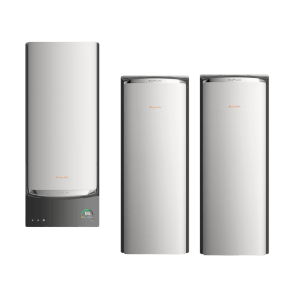
Instead of constantly watching the clock to avoid peak pricing, a powerful system like the EcoFlow Ocean Pro enables a home to automatically optimize power consumption. This system has an intelligent mode that learns the habits of the household and switches the home to run on stored battery energy when grid rates are at their highest. And it optimizes TOU to the max while also seamlessly protecting the property from unexpected grid blackouts. With a scalable capacity ranging from 10kWh to 80kWh, it easily adapts to the specific needs of any residence.
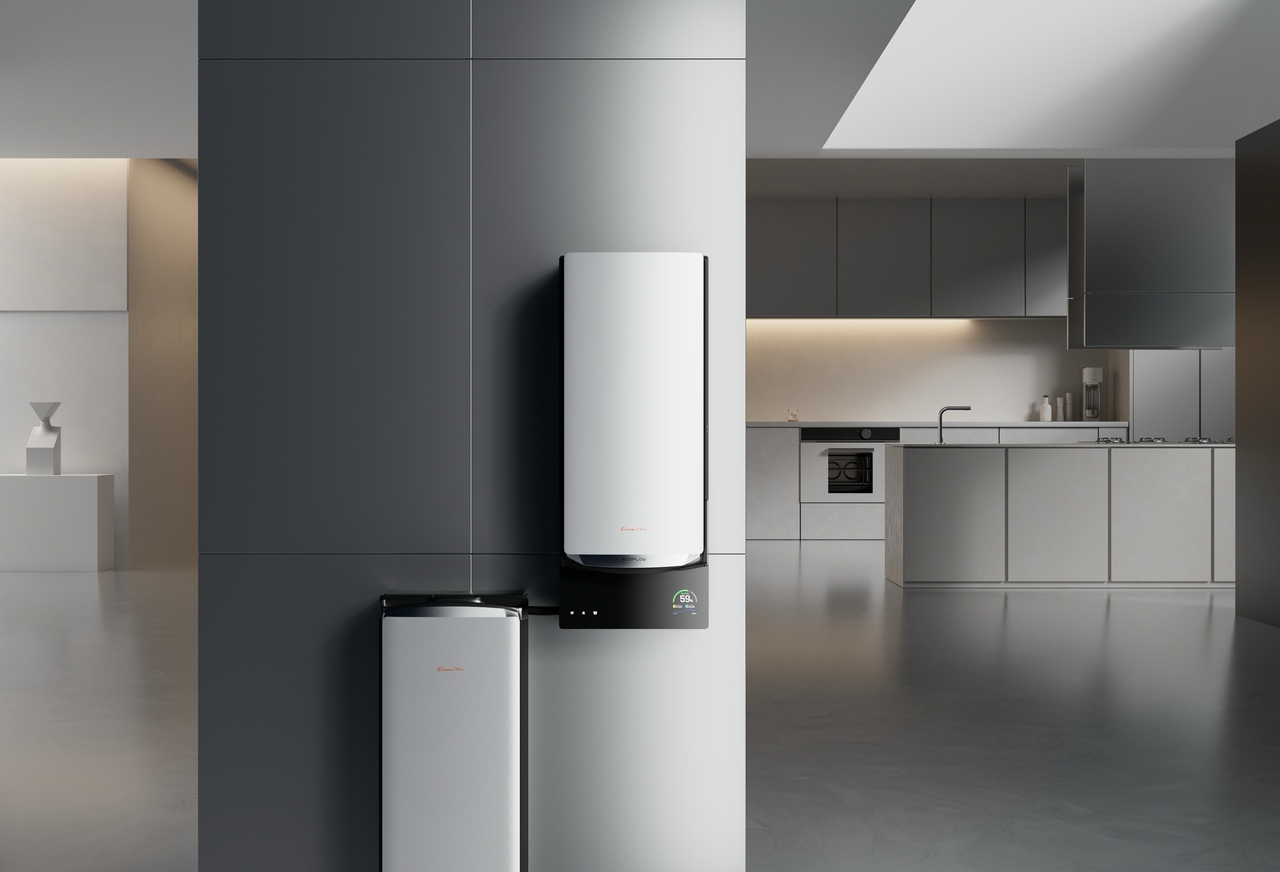
Having strong backup power is essential today. The system delivers 24kW of continuous output and a 205A LRA rating, providing enough power to run two 5-ton HVAC units simultaneously. For instance, air conditioners require a massive electricity surge just to start. The high LRA capacity handles this sudden spike effortlessly without flickering lights. Finally, meeting advanced safety standards like UL9540B fire protection guarantees safe, reliable operation for years to come.
Improve Insulation and Weather Stripping
Tiny gaps and cracks in a home can lose an incredible amount of climate-controlled air. Better insulation means your HVAC system works less hard. Seal out drafts in the winter with inexpensive weather stripping around exterior doors and windows.
Furthermore, checking attic insulation proves highly beneficial. Heat naturally rises, and a poorly insulated attic allows expensive warm air to escape right through the roof. Adding a fresh layer of fiberglass or blown-in insulation creates a strong thermal barrier. This relatively simple weekend project often pays for itself through lowered utility bills within the first few seasons.
How to Conduct a Routine Home Energy Audit
Often, finding where a house is wasting power is a matter of systematic investigation. It's a full home energy audit, a health checkup for the house that identifies inefficiencies that are often invisible.
DIY Inspections
There are several simple tests that homeowners can do without any special equipment. It is better to catch small problems early on before they turn into expensive utility bills later.
The Incense Test: Light a stick of incense and slowly walk it around window frames and door edges to find invisible air leaks. If the smoke suddenly changes direction, there is a draft that needs to be sealed.
HVAC Filters: Replace dirty air filters every few months to help the heating and cooling system breathe easily. A clogged filter makes the fan motor work harder, wasting energy and reducing the life of the unit.
Refrigerator Seals: Be sure to thoroughly check the rubber seal around the refrigerator door. A piece of paper in the door, pulled, closed, tests the grip. If the paper slides out easily, the seal is weak, and cold air is constantly leaking into the kitchen.
Professional Energy Assessments
For a deeper dive, hiring a professional energy auditor provides comprehensive insights. Professionals use advanced tools like thermal imaging cameras to see exactly where heat escapes through walls and ceilings.
Additionally, they often perform blower door tests. By sealing the front door with a powerful fan, they depressurize the house, forcing outside air through unsealed cracks. This scientifically measures the airtightness of the home and provides a highly accurate report on where insulation upgrades will have the most impact.
Final Thoughts
The first step in gaining control over utility costs is to understand how you are using them every day. Of course, the average electricity bill for 2 person household will depend on climate, size of property, and whether the occupants work from home. Taking proactive steps such as sealing drafts, shifting power use to off-peak hours, and upgrading to energy-efficient appliances offers tangible financial relief.
Investing in modern energy resilience is taking those savings a step further. The high-end battery systems offer both the security of uninterrupted power and a hedge against utility peak pricing. With regular energy audits and smart upgrades, any household can drastically cut its monthly bills and still have a very comfortable living space.
FAQs
What's an average electric bill for 2 people?
The average monthly cost for two people usually ranges between $130 and $180. This fluctuates heavily based on regional utility rates, local weather, and the home's overall square footage.
How much electricity does a 2-person household use per month?
Looking at the national average electricity bill for 2 person household, consumption typically sits around 887 kWh monthly. This applies to critical lighting, HVAC systems, and normal appliance use.
What is the average electricity and gas bill for 2 person household?
On average, combined electricity and gas bills range from $200 to $250 per month. Homes heated with gas usually have lower electric bills but higher overall winter bills.
How much does it cost to run a TV for 8 hours?
Running a modern LED TV for 8 hours costs only about 4-8 cents. It's not a huge drain on the grid, but plugging in an EcoFlow Ocean Pro can easily run entertainment systems for days during an unexpected blackout.
What appliances consume the most electricity every month?
Almost half of the bill is eaten up by heating and cooling systems, the biggest power hogs. Water heaters and refrigerators are not far behind, since they consume a lot of watts continuously.

