
Master Home Electrification: The Ultimate Guide to Eco-Friendly Living
If you have been paying attention to your monthly utility bills lately, you have likely noticed a frustrating trend: the cost of keeping your home comfortable is climbing. Tied to volatile fossil fuel markets, traditional home energy costs are unpredictable at best.
At the same time, the environmental toll of how we power our lives is becoming impossible to ignore. In the United States alone, buildings account for nearly 40% of all greenhouse gas emissions, heavily driven by the natural gas, oil, and propane we burn for heating and cooking.
The modern, permanent solution to both of these problems is home electrification.
What is home electrification?
Home electrification is the deliberate process of transitioning your household’s energy consumption away from fossil fuels and replacing those outdated systems with highly efficient technologies, such as a home battery backup system, powered entirely by electricity.
This is not simply about plugging more things into the wall; it is a paradigm shift. Transitioning to an all-electric home drastically reduces your carbon footprint, vastly improves your indoor air quality, increases your property value, and secures your financial future against the unpredictable swings of fossil fuel prices.
Why electrify your home: the core benefits
The push toward home electrification isn't just an environmental trend; it is backed by substantial financial and health incentives. Here is why homeowners are rapidly making the switch:
Financial savings & maximum efficiency
Traditional gas furnaces and water heaters create heat by burning fuel, a process that inherently wastes energy through exhaust. Upgrading to a fully electrified home can save the average household between $1,050 and $2,585 annually on utility bills. When you pair these hyper-efficient appliances with rooftop solar panels, you can essentially eliminate your home energy costs altogether.
Environmental impact & decarbonization
Every time a gas furnace clicks on, it releases carbon dioxide and methane into the atmosphere. By switching to electric appliances, you instantly eliminate those on-site emissions. Furthermore, even if your local electrical grid is currently powered by a mix of coal and natural gas, the sheer efficiency of electric appliances means your total carbon footprint drops significantly.
Health and safety (indoor air quality)
We often overlook the air we breathe inside our own homes. Recent studies have revealed a startling link between traditional gas stoves and dangerous indoor air pollution. Gas burners emit nitrogen dioxide (NO2) and particulate matter, which have been directly linked to an increased risk of childhood asthma and respiratory issues. Electrifying your home completely removes the risk of carbon monoxide leaks and gas explosions.
Increased home value
The real estate market is shifting. Modern homebuyers are actively looking for homes that are "future-proofed." Properties equipped with smart electrical panels, heat pumps, EV chargers, and solar readiness are commanding premium prices and selling faster than homes reliant on aging fossil fuel infrastructure.
Step-by-step: How to do whole home electrification?
Electrifying your home is a journey, not a single weekend DIY project. The most cost-effective way to transition is to plan ahead and replace old appliances as they near the end of their lifespans. Here is the ultimate roadmap to follow:
Step 1: The home energy audit & weatherization
Before you buy a single appliance, you need to know how your home uses and loses energy. A professional home energy audit will identify drafts, poor insulation, and air leaks. The golden rule of electrification is to "reduce before you produce".
By properly weatherizing your home (sealing leaks and upgrading insulation), you ensure your home retains its internal temperature. This allows you to purchase smaller, less expensive heating and cooling systems down the line.
Step 2: Upgrading the electrical panel
Your electrical panel is the gateway for power entering your home.
Older homes often have 100-amp panels, which were fine for basic lighting and gas appliances. While it is possible to electrify a home on 100 amps using smart circuit-sharing devices, upgrading to a 200-amp panel, or better yet, a smart panel, is generally the best path forward to handling heavy, simultaneous loads of electric heating, cooking, and EV charging.
Step 3: Heating and cooling (the heavy lifters)
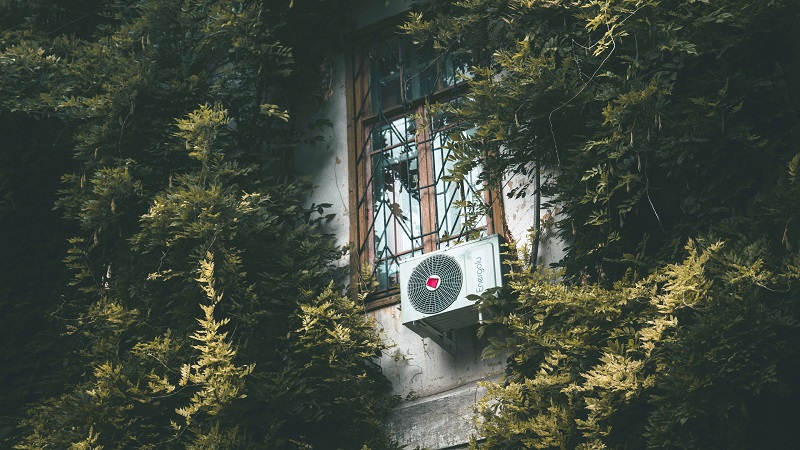
Space heating and cooling account for over half of a home's energy use. The solution is the air-source heat pump.
Unlike traditional air conditioner units that only cool, or gas furnaces that only heat, a heat pump does both. In the summer, it pulls heat out of your house. In the winter, it reverses the process, extracting ambient heat from the outside air (even in freezing temperatures) and pumping it inside.
They are up to 3 to 4 times more efficient than the best traditional systems on the market.
Step 4: Water heating
Traditional gas water heaters are massive energy hogs. Enter the Heat Pump Water Heater (HPWH). Using the exact same technology as the space heaters mentioned above, a HPWH pulls heat from the ambient air in your garage or basement and uses it to heat your water.
They are up to five times more efficient than standard models and can save you hundreds of dollars every single year.
Step 5: The kitchen and laundry
Induction stoves: Forget the slow-to-heat electric coils of the past. Induction cooktops use electromagnetic energy to heat your pots and pans directly. They can boil water up to 50% faster than a high-end gas stove, offer precise temperature control, and keep your kitchen cool and free of toxic fumes.
Heat pump clothes dryers: Traditional dryers vent your home's perfectly conditioned indoor air outside. Heat pump dryers are ventless. They operate as a closed loop, extracting moisture from your clothes and recycling the hot air. They are incredibly gentle on fabrics and drastically cut down on laundry energy consumption.
The cost of home electrification (a realistic breakdown)
One of the most common hesitations homeowners have is the upfront cost. It is true that modern electric technology requires an initial investment, though long-term savings are substantial.
A full, whole-home electrification retrofit, which includes a new HVAC system, panel upgrade, new appliances, solar panels, and battery storage, can range anywhere from $10,000 to over $40,000 depending on the size of your home and your geographic location.
Here is a quick average cost breakdown for the individual components before applying any tax credits or rebates:
Electrical panel upgrade: $1,500 – $4,000 (Varies between standard and smart panels)
Air-Source Heat Pump (HVAC): $5,000 – $15,000
Heat Pump Water Heater: $1,500 – $3,000
Induction stove: $1,000 – $3,000
It is crucial to remember that you do not need to rip out a perfectly functioning, two-year-old gas furnace today.
The most financially sound strategy is phased replacement. Keep an eye on the age of your gas appliances; when your water heater turns 10 years old, start budgeting and planning for its heat pump replacement.
Exploring smart home electrification & storage
Transitioning your appliances from gas to electric is only half the battle. The other half is managing that power. Smart home electrification links your appliances, solar panels, EV chargers, and home batteries into one intelligent ecosystem. This modern setup works around the clock to save you money.
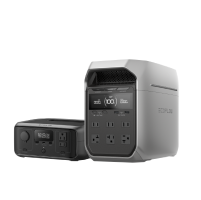
Adding solar panels locks in your energy rates, but adding a home battery gives you true energy independence and protection from grid outages. This is where the EcoFlow Ocean Pro ecosystem steps in.
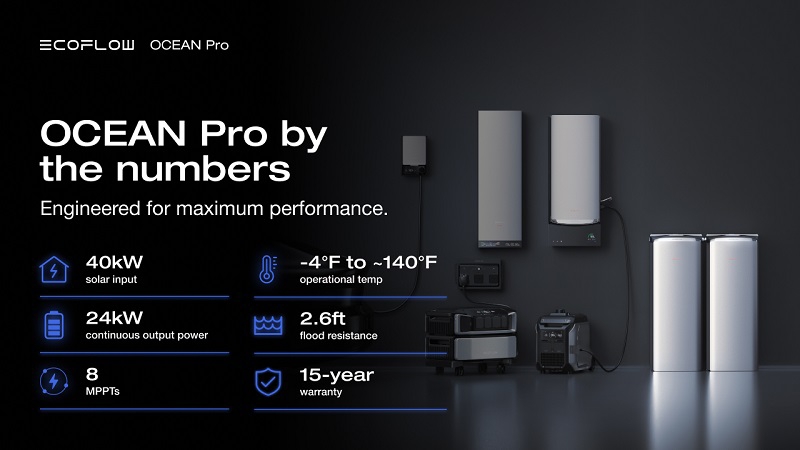
Here is how the EcoFlow Ocean Pro acts as the beating heart of your fully electric home:
Built for heavy lifting: Boasting a robust 24kW continuous AC output, it easily handles the high demands of modern electric living. You can run a heavy-duty 5-ton heat pump, wash laundry, and cook dinner on an induction stove all at the exact same time without overloading the system.
Scalable battery power (10kWh to 80kWh): You can start with a 10kWh LFP (Lithium Iron Phosphate) battery capacity that fits your budget today. Because the system is modular, you can simply stack additional battery modules later, scaling all the way up to an industry-leading 80kWh, as your family's energy needs grow.
Smart electrical panel: Think of the EcoFlow OCEAN Smart Electrical Panel 40 as your home's air traffic controller. Capable of managing up to 40 individual smart circuits, it routes power precisely where it is needed.
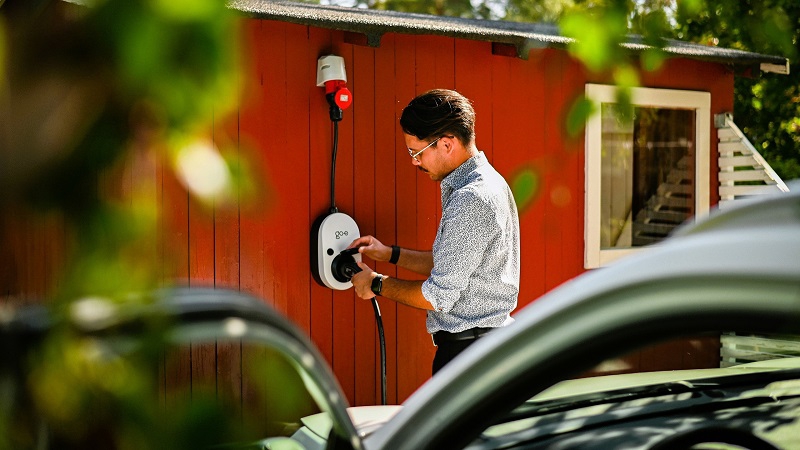
Direct EV charging: Add the Level 2 EcoFlow EV Charger (delivering up to 11.5kW of power) to fuel your daily commute with pure sunshine. The system is smart enough to dynamically route excess solar energy straight to your electric vehicle instead of pulling expensive power from the grid.
Data-powered savings: The system utilizes analysis-driven Time-of-Use (TOU) algorithms to learn your habits, track local weather forecasts via Wi-Fi, and monitor real-time utility rates. It automatically charges your battery when grid power is cheap and uses that stored battery power when grid rates skyrocket.
Ultimately, this ecosystem puts your monthly energy savings on complete autopilot.
Top tips for a smooth home electrification transition
To make your transition as seamless as possible, follow these top strategies:
Create an electrification roadmap: Do not wait for your furnace to die on the coldest night of the year. Emergency replacements almost always result in panic-purchasing another gas unit because it's fast. Research heat pump models and get quotes now, so you are ready to pull the trigger when the time comes.
Hire the right contractors: Not all HVAC technicians or electricians are well-versed in modern green technology. Look for contractors who specifically advertise "home electrification," "heat pump specialists," or "smart home integrations."
Future-proof your wiring: If you are doing a minor remodel, like opening up a wall in the kitchen or the garage, go ahead and pay an electrician to run a 240-volt line for a future induction stove or EV charger. Doing it while the walls are open saves thousands of dollars later.
Look for bundled installations: Often, installing solar panels, battery storage (like the EcoFlow system), and a smart electrical panel at the same time will significantly reduce overall labor and permitting costs compared to installing them as three separate projects over three years.
Signing off
Home electrification is no longer a futuristic concept; it is the reality of modern, sustainable living. By transitioning away from fossil fuels, you are taking a vital step toward a healthier home, a more resilient energy setup, and a significantly smaller carbon footprint.
The best time to start is today. Take the first step by scheduling a professional home energy audit, start researching smart energy ecosystems like the EcoFlow Ocean Pro, and map out a plan for the next time an aging gas appliance needs replacing. The future is electric, and it's already here.
Get Your Free Home Energy Consultation!
Which energy solution are you interested in?
Frequently Asked Questions (FAQs)
Will electrifying my home increase my monthly electric bill?
Yes, but your gas bills disappear. Because electric appliances are highly efficient, your total utility costs will likely decrease. Pairing them with rooftop solar panels maximizes these savings.
Do I have to upgrade my electrical panel to go all-electric?
Not necessarily. Many average-sized homes can fully electrify on an existing 100-amp panel by utilizing efficient 120-volt appliances and smart circuit-sharing devices to prevent overloading.
What is the cheapest way to power a house?
The cheapest way is combining high-efficiency electric appliances, like heat pumps, with rooftop solar panels and battery storage. This minimizes grid reliance and locks in low energy rates long-term.
How much does it cost to fully electrify a house using home electrification solutions?
A full retrofit ranges from $10,000 to $40,000+. However, experts recommend a phased approach: replacing old gas appliances one by one as they die to spread out costs manageably.
Do I need solar panels to electrify my home?
No, you will still enjoy better indoor air quality and efficiency gains using grid power. However, adding solar is highly recommended to maximize your financial savings and environmental impact.

