
Practical Energy Saving Tips to Lower Your Utility Bills
The most effective energy saving tips include adjusting your thermostat, sealing air leaks, using efficient lighting, reducing hot water usage, maintaining HVAC systems, and shifting power consumption to off-peak hours. Dealing with utility bills in 2026 feels tougher than ever. Household budgets are a real hit as local electricity rates constantly bounce around. Thankfully, making a few simple daily updates saves a surprising amount of money. These easy changes cut down on wasted power while keeping the house just as comfortable.
Good habits with basic appliances help immediately. Meanwhile, putting in a home battery backup provides serious long-term protection against rate spikes. Managing electricity does not mean sitting in the dark or shivering through winter. Small improvements in lighting, heating, and power storage build up massive savings over twelve months.
1. Adjust your thermostat
Heating and cooling systems consume the largest share of residential power. For this reason, setting the thermostat efficiently ranks among the most effective energy saving tips for home environments.
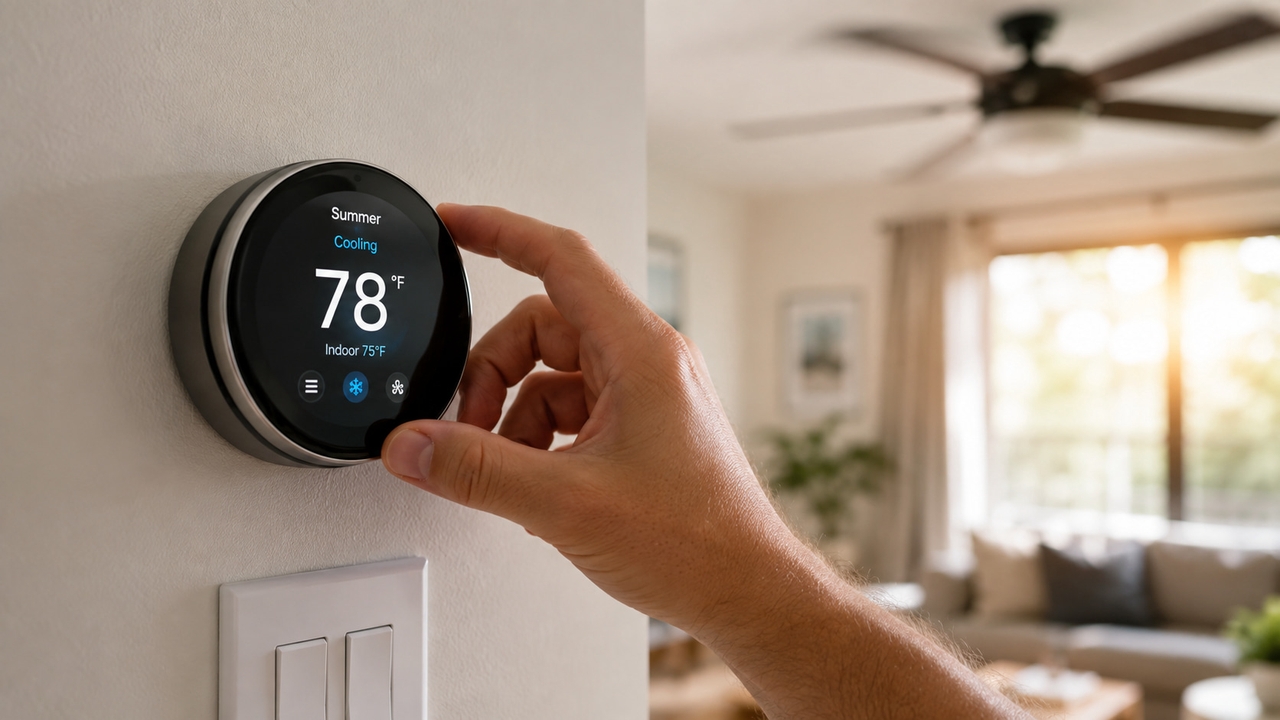
Summer adjustments: Operating ceiling fans alongside central air systems creates a gentle wind chill effect. This simple step forms the core of effective energy-saving tips for summer routines. For instance, families feel cooler without demanding extra electricity from the primary air conditioner.
Winter heating: Implementing effective winter energy-saving tips often starts with the heater. Setting the heat to 68 degrees Fahrenheit while occupants are awake works remarkably well.
Proven results: According to the U.S. Department of Energy, homeowners can save up to about 10% a year on heating and cooling by adjusting the thermostat 7°F to 10°F from its normal setting for eight hours a day.
2. Seal air leaks and improve insulation
Whenever indoor air constantly mixes with the outdoor environment, residential energy waste skyrockets. Expensive heated or cooled air simply slips right out through tiny cracks around window frames and plumbing pipes.
Block drafts: Putting self-adhesive weatherstripping around exterior doors shuts down drafts immediately.
Federal guidance: Federal research on building envelopes points out that properly air sealing a home acts just like a thick thermal blanket. This barrier easily cuts down on unnecessary heating and cooling loads.
Adding a little insulation to attic hatches and basement rim joists seals up major thermal gaps for very little money.
3. Use lighting and appliances more efficiently
Swapping out old incandescent bulbs for light-emitting diode fixtures offers an instant efficiency boost. Modern LEDs use up to 90 percent less electricity while shining just as bright. Meanwhile, major laundry and dishwashing appliances consume significant volumes of energy through water heating mechanisms.
Operating washing machines only when loaded to full capacity maximizes the return on every gallon of water.
Picking the cold-water wash cycle cleans everyday fabrics perfectly well. Doing this bypasses the internal water heating coils.
Letting washed dishes air-dry skips the high-wattage heating element altogether.
As a result, following these basic energy savings tips brings noticeable bill reductions month after month.
4. Use solar and battery storage more strategically
Depending entirely on standard grid power leaves any property vulnerable to wild electricity price swings. Rooftop solar panels solve part of the problem by providing clean on-site generation. The catch is that household power demand usually peaks in the late afternoon. Sadly, that is exactly when solar generation starts dropping off.

Adding a dedicated battery setup fixes this operational gap completely. Modern storage units simply grab that extra daytime solar production and save it for the evening.
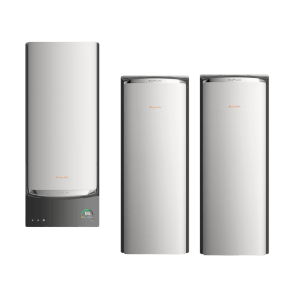
For example, putting in an on-grid EcoFlow OCEAN Pro Solar Battery System gives a house a truly intelligent energy storage network. This stationary unit quietly absorbs leftover daytime solar power. It waits and then deploys that electricity exactly when evening rates spike. The built-in Intelligent Mode watches for utility pricing shifts and handles the power discharge during peak time-of-use windows automatically. Keep in mind that high-voltage electrical work involves the main distribution panel. Therefore, hooking up this permanent system definitely requires a certified professional electrician.
Get Your Free Home Energy Consultation!
Which energy solution are you interested in?

Many homeowners feel ready to resolve their uncertainty about home battery backups. Getting the right tools in place protects modernized properties from high utility rates and sudden grid outages. Anyone interested can request a consultation today to track down the perfect energy management solution.
5. Reduce hot water use
Domestic water heating represents the second-largest energy expense in standard residential properties. Standard storage tank water heaters operate continuously to maintain elevated baseline temperatures.
The practical steps recommended by the U.S. Department of Energy in the home energy checklist highlights that modest water heater adjustments significantly reduce monthly domestic energy demands.
Lowering the primary water heater temperature setting to 120 degrees Fahrenheit reduces standby thermal loss.
Installing certified low-flow aerators on bathroom faucets restricts total water volume while maintaining satisfying stream velocity.
Inspecting plumbing fixtures for persistent drips prevents hundreds of gallons of heated water from going down the drain over a single month.
6. Maintain your HVAC and major appliances
HVAC units require ongoing seasonal maintenance to preserve factory efficiency ratings. Air filters clogged with airborne dust restrict intake airflow. Replacing disposable filters every 30 to 90 days maintains unimpeded airflow. In fact, implementing these foundational HVAC energy saving tips protects expensive equipment from premature mechanical failure.
Kitchen refrigeration equipment also demands routine attention. Dust accumulates on condenser coils located behind the refrigerator chassis. This buildup forms an insulating blanket that traps heat and forces the compressor to cycle continuously. Vacuuming these coils with a narrow brush attachment restores proper heat dissipation quickly.
7. Shift flexible electricity use away from peak hours
Electric utility providers frequently employ variable rate structures based on real-time grid demand. Electricity rates increase significantly during peak demand windows on weekday late afternoons.
As detailed in federal analyses on demand response and variable pricing, adjusting the timing of household electricity consumption helps stabilize the broader power grid.
Applying summer energy saving tips often involves a simple tactic like pre-cooling the house. Running the air conditioner at a lower temperature early in the morning when power costs less proves highly effective. This action actually turns the building itself into a cool thermal reservoir. Once the expensive afternoon hours hit, the thermostat setting simply gets bumped back up. The house remains comfortable using that trapped morning chill. Plus, the cooling system stays off during peak electricity rates.
Conclusion
Cutting down on residential electricity expenses in 2026 really comes down to building better habits alongside a few smart upgrades. Taking action on these practical energy saving tips builds a more resilient household that can handle unpredictable utility rate changes. For instance, basic tasks like sealing envelope air leaks, adjusting the thermostat, and dusting off appliance coils cost almost nothing up front. Yet, they produce real, measurable monthly savings. For those looking at bigger steps, linking clean photovoltaic generation with a reliable on-grid battery storage system secures long-term protection against peak time-of-use charges. When families stick to these coordinated strategies, they cut out energy waste and enjoy a much more comfortable home.
FAQs
What are the best energy-saving tips?
The best strategies start with simple habits. Adjusting the thermostat and sealing window drafts make an immediate impact. Switching to LED bulbs also helps. Moving flexible power usage to off-peak hours drives monthly bills down even further.
What wastes the most energy in a house?
Heating and cooling units consume the largest chunk of household power. Poor insulation makes this issue much worse. Beyond climate control, leaving appliances on standby mode and relying on outdated lighting quietly wastes a lot of electricity.
What runs up your electric bill the most?
Continuous HVAC operation during temperature extremes drives up bills fastest. Running appliances during peak utility hours also spikes costs. Installing an EcoFlow OCEAN Pro battery to supply peak-hour power easily offsets these expensive charges.
How do time-of-use rates impact my home energy saving tips?
Time-of-use rates make electricity expensive during late afternoon hours. Households should shift high-wattage tasks like laundry and EV charging to off-peak morning or late-night hours to reduce total utility expenses.

