
The Ultimate Guide: Recommended Thermostat Settings for Summer and Winter
For many homeowners, managing the indoor climate is a constant tug-of-war. On one hand, you want a cozy, temperature-controlled sanctuary to escape the freezing winter winds or the blistering summer heat. On the other hand, you dread the arrival of the monthly utility bill.
According to the U.S. Department of Energy, heating and cooling make up more than half of the energy consumption in an average American home. However, you do not have to sacrifice your comfort to protect your wallet. By understanding how your HVAC system interacts with outdoor conditions and setting your thermostat strategically, you can lock in massive savings.
In this comprehensive guide, we will break down the ideal thermostat settings for both hot and cold seasons, explore ways to beat peak electrical rates via TOU and home battery energy management systems, and answer some of the most common HVAC efficiency questions.
Why do proper thermostat settings matter?
Before diving into numbers, it is important to understand what is at stake. Adjusting your thermostat is not just about avoiding a high bill this month; it has long-term implications for your home and your wallet.
Lower utility bills: The most immediate benefit is financial. Even a temporary shift of a few degrees can lower your monthly energy consumption by double-digit percentages.
Extended HVAC lifespan: Your air conditioner and furnace are mechanical systems with limited lifespans. When you set your thermostat to extreme temperatures, your HVAC has to work in prolonged, heavy-duty cycles. Optimizing your settings reduces this wear and tear, preventing premature system failures and saving you thousands in replacement costs.
Environmental impact: Decreasing your energy use directly reduces the carbon footprint of your household, helping ease the load on local electrical grids during peak seasons.
Consistent indoor comfort: Drastic, manual swings on your thermostat actually make it harder to maintain a stable environment. Strategic, automated adjustments keep your home comfortable while keeping humidity levels in check.
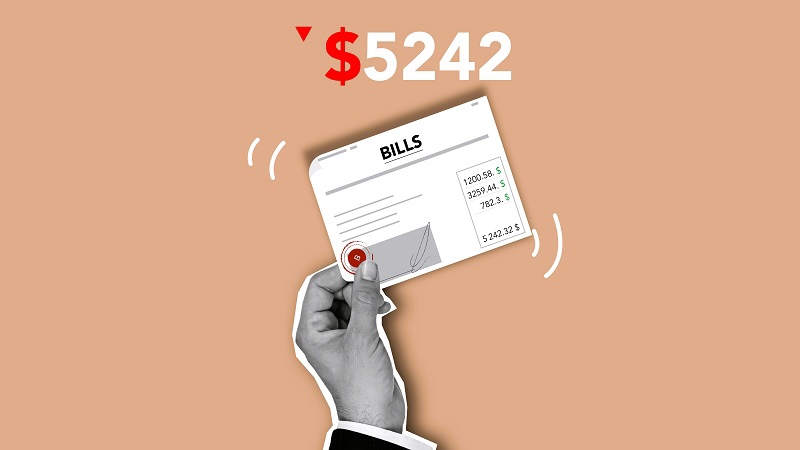
What are the recommended thermostat settings for summer?
During the summer, the goal is to keep your home comfortably cool without forcing your air conditioner to run continuously during the hottest parts of the day.
Ideal Summer Settings | ||
Home & Awake | Away | Sleeping |
78°F | 85°F | 80°-82°F |
26°C | 29°C | 27°-28°C |
When you are home and awake
The gold standard recommendation from the Department of Energy is to set your thermostat to 78 degrees Fahrenheit (26 degrees Celsius) when you are home and active. While this might sound warm at first, the human body adapts quickly to consistent temperatures. Combined with low humidity and air movement, 78 degrees is highly comfortable for most indoor activities.
When you are away
If you are leaving the house for more than four hours, do not leave your AC running at its active setting. Instead, raise your thermostat by 7 to 10 degrees Fahrenheit (aiming for around 85 degrees Fahrenheit or 29 degrees Celsius). This prevents your system from wasting energy cooling a completely empty house.
When you are asleep
Most people sleep better in slightly cooler conditions. However, instead of cranking up the AC, set your thermostat to 80 or 82 degrees Fahrenheit (27 or 28 degrees Celsius) and pair it with a ceiling fan. The moving air creates a wind-chill effect on your skin, making the room feel roughly 4 degrees cooler than the actual air temperature. However, keep in mind that the National Sleep Foundation recommends a cooler 66 to 72 degrees Fahrenheit for optimal sleep.
Bonus summer tip: Indoor humidity makes hot air feel much warmer than it actually is because it prevents sweat from evaporating. Using a dehumidifier to keep indoor humidity levels below 50 percent can make 78 degrees Fahrenheit feel like 74 degrees.
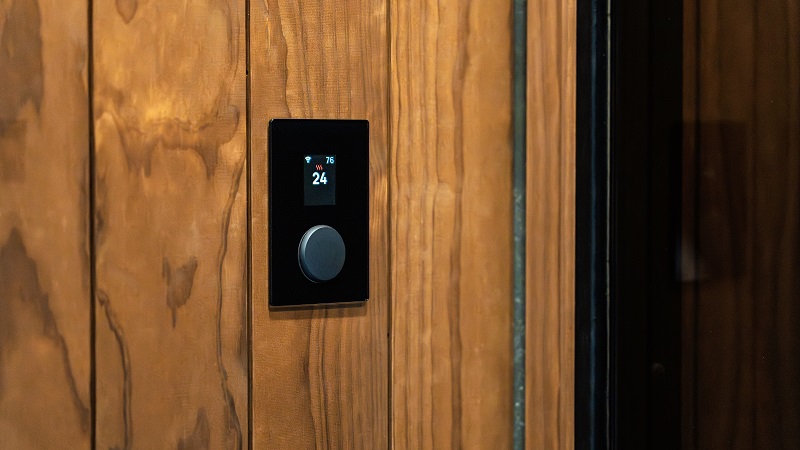
What are the recommended thermostat settings for winter?
In the winter, the thermodynamic challenge reverses. Cold air naturally seeps into your home, forcing your furnace to work harder to maintain heat.
Ideal Winter Settings | ||
Home & Awake | Away | Sleeping |
68°F | 60°F | 60°F |
20°C | 16°C(15.5°C) | 16°C(15.5°C) |
When you are home and awake
According to industry experts at Trane, the ideal winter temperature to set on your thermostat when you are awake is 68 degrees Fahrenheit (20 degrees Celsius). This is warm enough to keep your living space cozy, especially if you throw on a comfortable sweater, a pair of socks, or use a light throw blanket.
When you are asleep or away
When you head to bed or leave your house for the day, lower your thermostat setting by 7 to 10 degrees Fahrenheit, dropping it to around 60 degrees Fahrenheit (16 degrees Celsius) or 58 degrees Fahrenheit (14 degrees Celsius). Lowering the temperature at night actually promotes higher-quality sleep, and doing so while you are away stops you from paying to heat a vacant space.
Preventing frozen pipes
While setting the temperature low is great for saving money, you should never turn your heating system completely off during freezing weather. Ensure your thermostat is always set to at least 50-55 degrees Fahrenheit (10–13°C) to prevent your indoor pipes from freezing and bursting, which can cause devastating water damage.
Bonus winter tip: Harness the power of passive solar heating. During sunny winter days, open the curtains, blinds, or drapes on south-facing windows to let natural sunlight warm your rooms. As soon as the sun sets, close them tightly to trap that heat and create an extra barrier of insulation against the cold glass.
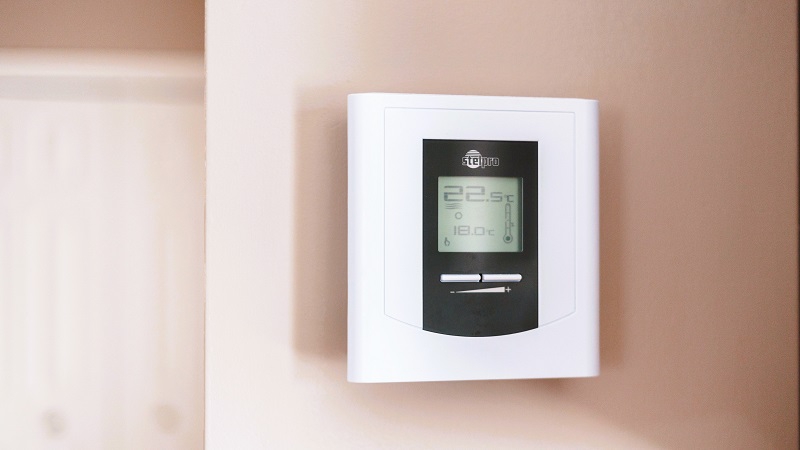
How to beat peak utility rates with TOU (Time of Use) optimization?
Even if you optimize your recommended thermostat settings for summer and winter, utility companies often raise electricity prices during high-demand hours. This is known as Time-of-Use (TOU) billing. During peak afternoon or early evening hours in the summer and cold mornings in the winter, the cost per kilowatt-hour can double or even triple.
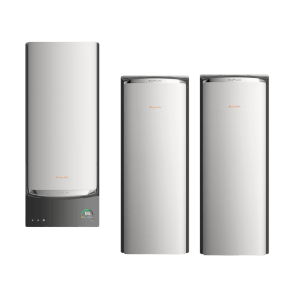
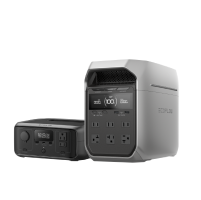
To solve this problem and maximize household savings, homeowners are turning to intelligent energy systems like the EcoFlow Ocean Pro. The EcoFlow Ocean Pro is a high-performance smart power and storage ecosystem designed to completely optimize how your home consumes electricity.
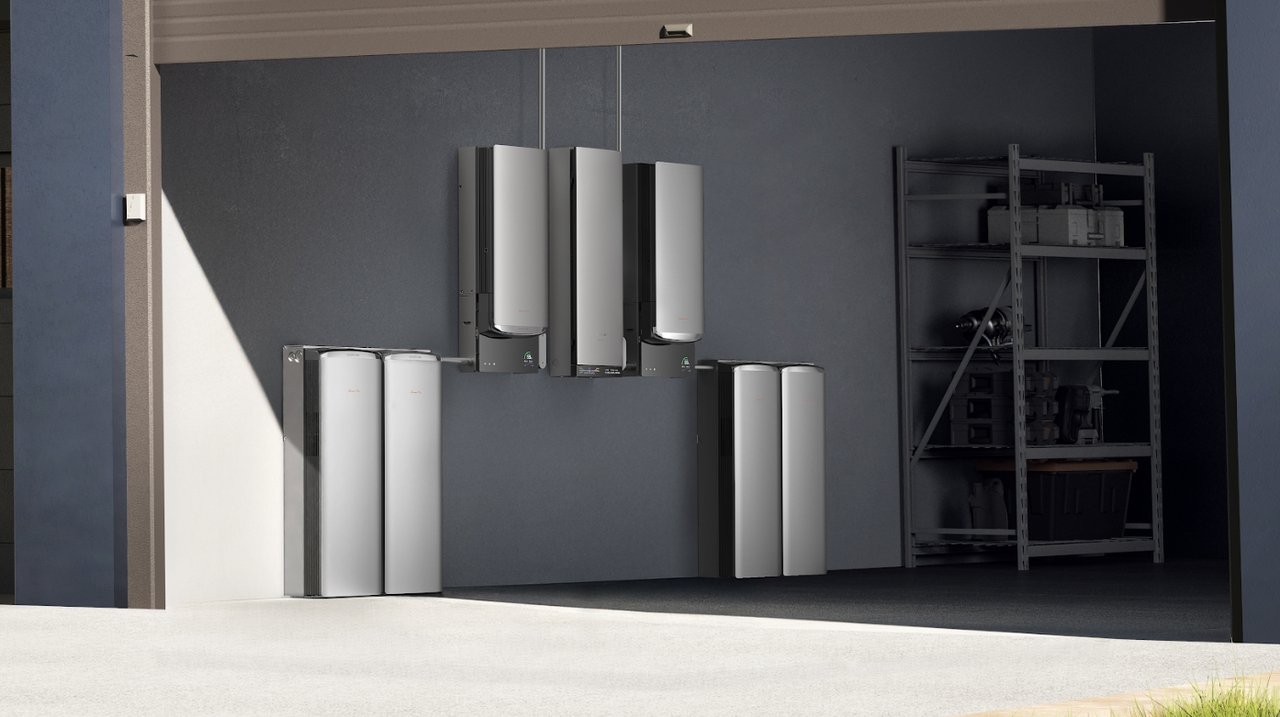
Here is how it works to lower your heating and cooling bills:
Handling heavy HVAC startup loads: Central air conditioners and heat pumps draw a massive surge of electricity when they cycle on. The EcoFlow Ocean Pro features a robust Locked Rotor Amps rating of 205A LRA and configurable continuous output power up to 24.0 kW.
Time-of-Use smart shifting: With up to 97.5 percent solar-to-home efficiency and 89 percent solar-to-battery-to-home efficiency, the Ocean Pro acts as your home's central energy brain. During expensive utility peak hours, the system automatically runs on stored solar or battery power.
Massive scalability: With support for up to two inverter units and up to eight battery units, you can scale your system up to a massive 80 kWh of total energy capacity. This ensures your household can run air conditioners, heaters, and everyday appliances entirely off-grid during the most expensive times of the day, year-round.
Get Your Free Home Energy Consultation!
Which energy solution are you interested in?
What are some simple tricks to maximize HVAC efficiency?
Optimizing your recommended thermostat settings for summer and winter is highly effective, but you can compound those savings with these three simple habits:
Utilize ceiling fans correctly: In the summer, run your ceiling fans counterclockwise to push cool air straight down. In the winter, reverse the motor to run clockwise at low speed. This pulls cool air upward and gently redistributes the warm air resting near your ceiling back down into your living space.
Seal air leaks: Inspect your home's doors, windows, and attic spaces for drafts. Using simple caulk and weatherstripping to seal leaks prevents conditioned air from escaping, meaning your system does not have to run as frequently.
Routine HVAC maintenance: A dirty air filter restricts airflow, forcing your HVAC blower motor to work twice as hard to move the same amount of air. Change your filters every 1 to 3 months, and schedule an annual system checkup to keep your equipment running at peak efficiency.
Wrapping up
Finding the sweet spot for your thermostat settings does not mean you have to be uncomfortable. By adopting the recommended thermostat settings for summer and winter in Celcius, 78 degrees Fahrenheit in the summer and 68 degrees Fahrenheit in the winter, and taking advantage of the natural cooling power of ceiling fans, you can keep your home pleasant while keeping your energy bills low.
If you want to take your savings to the next level, combining these smart habits with home energy management systems like the EcoFlow Ocean Pro will protect your household from rising peak electricity rates and lock in long-term financial security.
Frequently Asked Questions (FAQs)
How to set a thermostat to save money in summer?
According to data compiled by the U.S. Department of Energy, you can save up to 10 percent annually on your total heating and cooling costs by turning your thermostat back by 7 to 10 degrees Fahrenheit for just eight hours a day.
What is the best thermostat setting for my pets when I am not home?
Most indoor cats and dogs are perfectly safe in a home kept between 78 and 80 degrees Fahrenheit (26 to 27 degrees Celsius) during the summer, and between 60 and 64 degrees Fahrenheit (16 to 18 degrees Celsius) in the winter. However, always take your specific pet's breed, coat density, and health status into account.
Is it cheaper to leave the AC or heater at one consistent temperature all day?
No. This is a very common myth. Leaving your system at a static temperature all day forces it to combat peak outdoor temperatures constantly. Allowing your home to warm up in the summer (or cool down in the winter) when you are away reduces the rate of heat transfer into or out of the house. Your system will use less overall energy to cool or heat the house when you return than it would take to maintain that temperature all day.
Can I set my thermostat to 65 in the summer?
While a crisp 65 degrees Fahrenheit (18 degrees Celsius) might sound refreshing during a summer heatwave, setting your thermostat this low is highly discouraged. Not only will your utility bills skyrocket, but your air conditioner will likely run continuously without ever reaching the target temperature.
Does having the AC on 72 instead of 70 make it cheaper?
Yes, significantly. For every single degree you raise your thermostat in the summer (closer to the outdoor temperature), you can save roughly 1 to 3 percent, given on the climate, on your cooling costs. Shifting your setting from 70 degrees Fahrenheit to 72 degrees Fahrenheit can slash your cooling energy consumption by up to 10 percent.

