
Electrical Panel Upgrade: Cost, Sizing & Smart Solutions
An electrical panel upgrade is often the fix homeowners need when breakers keep tripping, lights flicker under heavy loads, or appliances refuse to run at the same time. Panels built for smaller demands, especially older 100-amp setups, quickly become a bottleneck once EV chargers, heat pump HVAC systems, or solar arrays enter the picture. Upgrading from 100-amp to 200-amp service may require a new panel, service conductors, meter equipment, permits, inspections, and utility coordination. The exact scope depends on the existing electrical system and local requirements.
When should you do an electrical panel upgrade?
Your electrical panel distributes power throughout your home and protects individual circuits from excessive current. As homes add more appliances and electrical equipment, an older panel may no longer provide enough capacity or flexibility.
Consider an electrical panel upgrade if you experience any of these situations:
Frequent breaker trips: If breakers trip repeatedly when you run several major appliances, your electrical system may be approaching its usable capacity.
An outdated or recalled panel: Some older Zinsco and Federal Pacific Electric (FPE) panels are associated with known safety concerns. A licensed electrician can determine whether replacement is appropriate.
Limited electrical capacity: Many older homes have 100-amp service, while 200-amp service is common for modern homes with higher electrical loads.
New high-demand equipment: EV chargers, electric heat pumps, large HVAC systems, induction ranges, pools, hot tubs, and solar-plus-storage systems can increase electrical demand.
A panel that looks outdated doesn't automatically mean you need to upgrade it. Likewise, a 200-amp panel doesn't guarantee that your home has enough usable capacity for every new appliance. The right answer depends on the home's calculated electrical load, existing wiring, equipment, and local requirements.
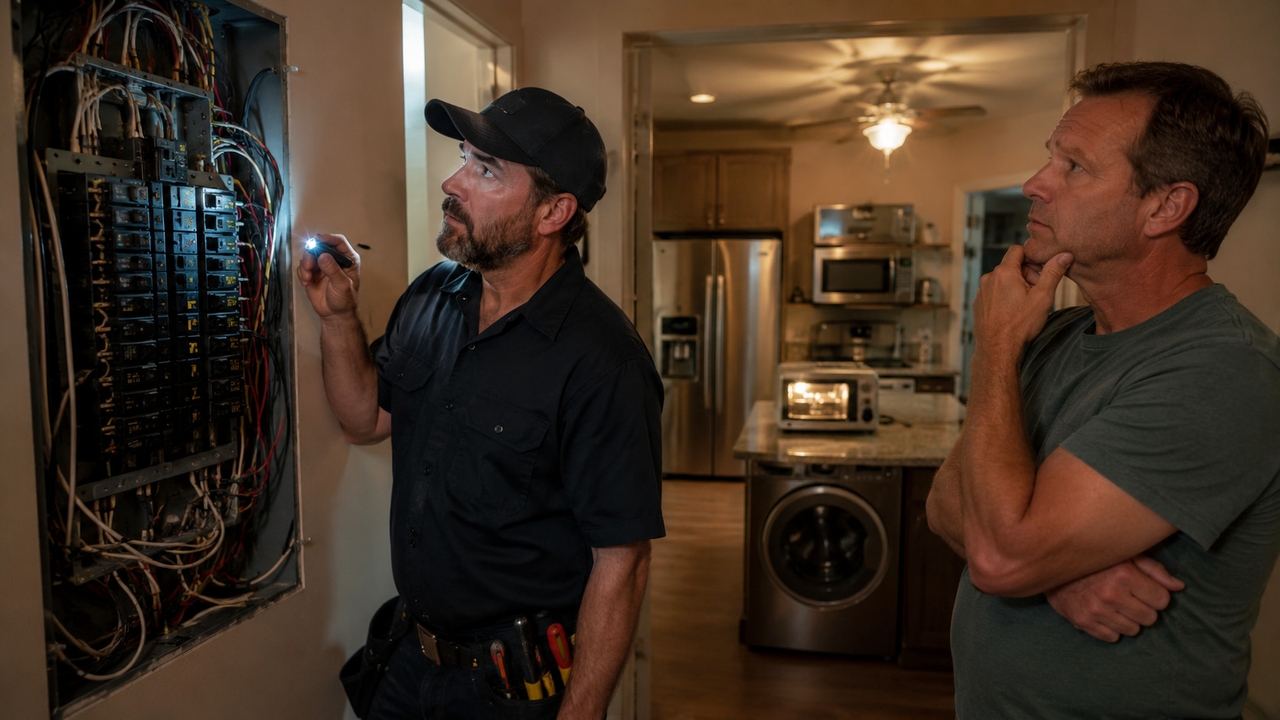
Electric panel upgrade cost you should know
The cost to upgrade an electrical panel varies widely based on whether you are simply swapping the enclosure or completely rebuilding the service entrance from the utility line.
Project Scope | Typical Price Range | What It Includes |
Panel Swap (Same Amperage) | $1,200 to $3,000 | Replacing a damaged or obsolete 100A or 200A panel with new breakers; no utility change. |
100A to 200A Service Upgrade | $1,500 to $4,500 | New 200A panel, updated grounding rods, new service entrance cable, and standard permits. |
Full Service + Meter Work | $3,000 to $7,500+ | Panel replacement, new external meter base, upgraded utility riser, and service mast rebuild. |
200A to 400A/Complex Relocation | $4,000 to $9,500+ | High-capacity residential dual-meter service, major wire rerouting, or sub-panel installations. |
Component costs typically break down as follows: panels and breakers run $300 to $800, with the remainder going toward labor and permits, which usually add $100 to $500 on top of the equipment cost.
What affects electrical panel upgrade costs?
Budgeting for electrical panel replacement involves more than just purchasing a new breaker box, as site conditions and utility demands quickly influence the bottom line.
Permitting fees: Municipalities require electrical permits and follow-up inspections for major service work, typically adding $50 to $500, depending on local regulatory fees.
Utility service line upgrades: When transitioning to higher amperage, your local utility company may need to install larger conductors from the street or upgrade the neighborhood transformer, potentially adding service connection fees.
Location and accessibility: If your current panel is in an inaccessible crawlspace, closet, or finished interior wall, electricians may spend extra time opening walls, rerouting wiring, and repairing drywall.
Utility requirements: Power companies enforce strict clearance requirements for meter and service equipment, including their location relative to gas meters, driveways, and windows.
Panel relocation: Moving a panel to an exterior wall or compliant garage space may require junction boxes, extended wiring, and additional work to reconnect existing branch circuits.
How to plan and execute your electrical panel upgrade
Not every home actually needs a larger electrical service. A 100A-to-200A upgrade is the standard fix when a load calculation shows the panel is at or near capacity, but smart load management can sometimes stretch usable capacity further. Homeowners generally follow these steps:
Get a professional load calculation and inspection: A licensed electrician can assess your current electrical demand and determine whether your existing service can support the planned additions, such as an EV charger, heat pump, or solar system.
Get multiple quotes and required permits: Compare estimates based on the full scope of work, including the panel, breakers, labor, permits, meter equipment, service entrance work, and utility requirements.
Choose the right approach. If your home genuinely needs more electrical capacity, a traditional service upgrade may be appropriate. If you're also looking for backup power and better control over household loads, a smart energy system such as the EcoFlow OCEAN Pro with Smart Electrical Panel 40 may be worth considering.
Plan for power interruptions: Service panel changes require scheduling a temporary utility disconnect. Coordinate ahead of time so your power company can pull the meter, inspect the new base, and restore power promptly once work wraps up.
Safety note: Electrical panel and service upgrades involve hazardous voltages and should always be performed by a licensed electrician. This isn't a DIY project.
The modern solution for electrical panel upgrade
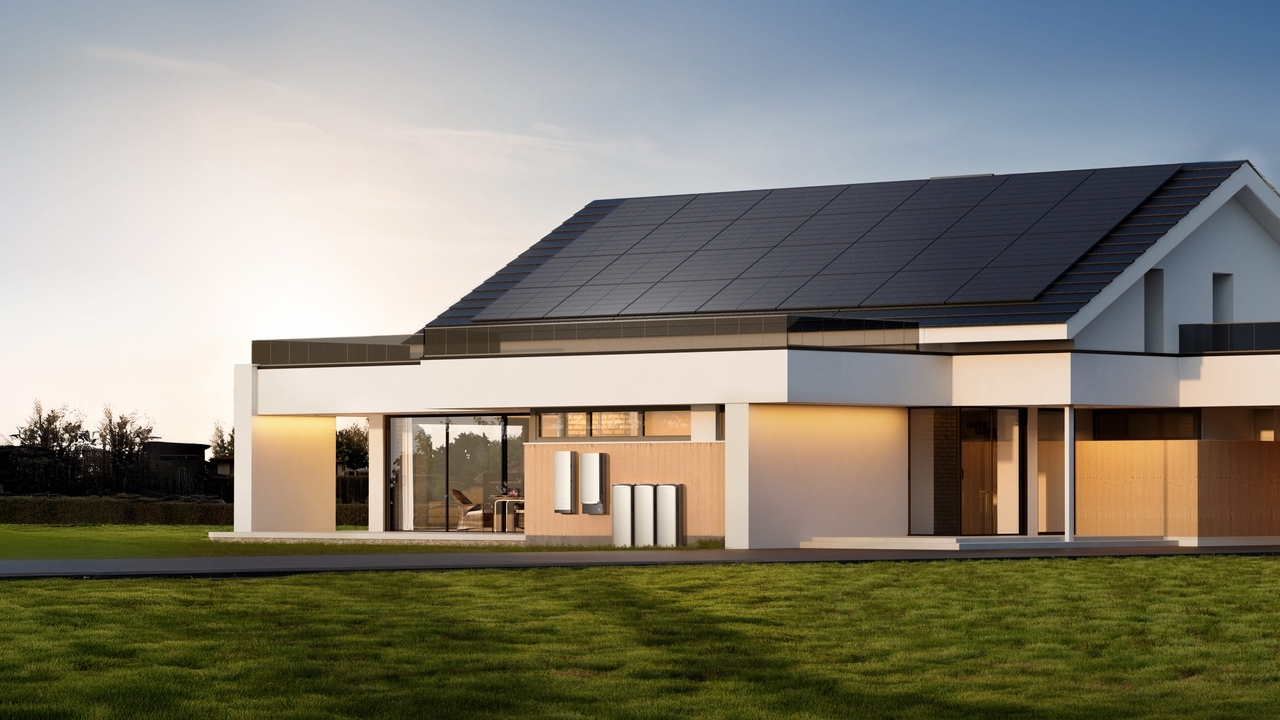
If you're looking beyond a traditional panel upgrade, a smart energy system can provide more control, backup power, and flexibility without focusing solely on increasing service capacity. The EcoFlow OCEAN Pro Solar Battery System is designed for this approach.
The EcoFlow OCEAN Pro system delivers 24 kW continuous output, up to 40 kW solar input, and expandable LFP storage from 10 kWh to 80 kWh per inverter (cascadable higher). It is designed for whole-home backup while integrating solar, grid, portable batteries, and standby generators. When paired with the Smart Electrical Panel 40, it turns a conventional upgrade into an intelligent energy hub.
Features of EcoFlow OCEAN Smart Electrical Panel 40
The EcoFlow OCEAN Smart Electrical Panel 40 is designed to replace a traditional 200-amp service panel or operate as a sub-panel, depending on the installation.
Installs as a direct replacement or sub-panel alongside existing 200A service
Up to 40 independently monitored and controlled smart circuits for real-time visibility and prioritization
Switches to backup power in under 10 milliseconds, protecting sensitive electronics during outages
Supports a 205A Locked Rotor Amp rating, enough to handle the startup surge of a 5-ton HVAC system
Integrates multiple energy sources at once, including solar, grid power, portable battery backup, and standby generators
NEMA 3R indoor/outdoor rating, app-based monitoring and control, and a 15-year warranty
Get Your Free Home Energy Consultation!
Which energy solution are you interested in?
Ready to modernize your home's power? Schedule a free consultation today with an EcoFlow energy consultant to find the right smart panel and battery storage setup for your needs.
Conclusion
A traditional electrical panel upgrade solves the capacity problem, but it comes with disruptive rewiring, permitting delays, and costs that climb fast once utility and service line work gets added in. It raises your ceiling without adding much intelligence to how that power gets used. EcoFlow's OCEAN Pro and Smart Electrical Panel 40 offer a practical middle ground: more usable power, circuit-level monitoring across up to 40 circuits, and built-in backup during outages, all without the full scope of a conventional service upgrade. For homeowners weighing the decision, it's worth exploring what a smart panel system can deliver before committing to a traditional rewire.
FAQs
Is it worth it to upgrade an electrical panel?
An electrical panel upgrade can be worthwhile if your panel is outdated, overloaded, damaged, or unable to support new appliances. It can improve safety, provide additional capacity, and prepare your home for future electrical demand.
Can I upgrade my electrical panel from 100 to 200?
Yes, many homes can upgrade from 100-amp to 200-amp service. However, the project may require a new panel, larger service conductors, meter equipment, permits, and utility approval. A licensed electrician should evaluate your home's electrical load first.

