
What Is Behind the Meter? Guide to Modern Home Energy
Rising electricity bills and sudden grid blackouts have made behind-the-meter energy essential for modern homeowners. Relying solely on the centralized grid leaves your home vulnerable to peak-hour rate spikes and unpredictable outages. Adopting an on-site setup gives you true control over how your power is produced, stored, and used. In this complete guide, you will learn what behind-the-meter (BTM) means, how it compares to front-of-the-meter systems, how battery storage works, and how to choose the right setup to achieve reliable home energy independence.
What does BTM mean?
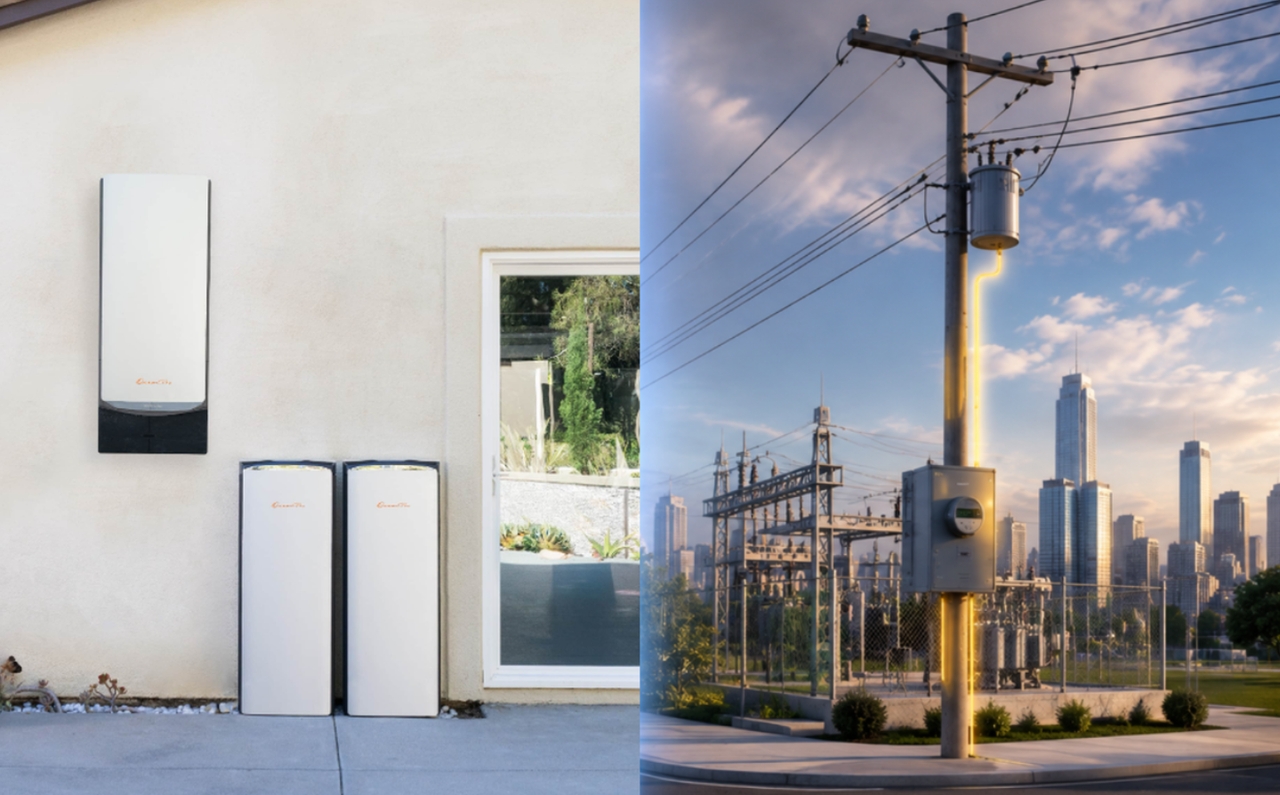
What is BTM? BTM means energy equipment installed on the customer's side of the utility meter. In a typical home, the utility meter marks the boundary between the electrical grid and the home's electrical system.
Behind-the-meter equipment can include rooftop solar panels, home batteries, inverters, smart electrical panels, and energy management systems. These technologies allow electricity to be generated, stored, or managed closer to where it's actually consumed.
For example, when solar panels produce more electricity than your home needs, a battery can store excess energy for later use. The home can then draw from that stored energy instead of relying entirely on the grid. In simple terms, behind-the-meter means managing energy on your side of the utility meter, rather than relying solely on electricity supplied by the grid.
Behind-the-meter vs front-of-the-meter: Key differences
Understanding the difference between behind-the-meter and front-of-the-meter systems clarifies who controls the energy and how costs are calculated for homeowners.
Front-of-the-Meter (FTM) systems sit on the utility side of the meter. They include utility-scale grids, centralized generation plants, and the distribution infrastructure that moves power across regions.
BTM systems are installed on the customer side. They cover residential and commercial on-site generation and storage designed for direct local consumption.
Feature | Behind-the-Meter (BTM) | Front-of-the-Meter (FTM) |
Physical Location | Customer premises (residential/commercial) | Centralized plants, substations, utility corridors |
Primary Beneficiary | The building owner or tenant | The regional utility and general grid consumers |
System Ownership | Homeowner, building operator, or via lease | Utility company or wholesale power producer |
Grid Interconnection | Connected downstream of customer meter | Connected upstream directly to transmission/distribution |
Metering & Billing | Reduces kWh purchased from utility; net billing | Wholesale power tariffs, power purchase agreements (PPAs) |
Outage Islanding | Capable of full microgrid backup operation | Serves entire grid; cannot back up single homes directly |
Key benefits of behind-the-meter energy systems
Investing in a residential BTM setup provides tangible financial and operational advantages over relying strictly on grid imports.
Increase solar self-consumption: Rooftop panels often produce peak power during midday when household demand is low. A BTM storage setup captures that surplus electricity instead of exporting it back to the grid for discounted net-metering credits, maximizing self-consumption.
Manage electricity costs: Under Time-of-Use (TOU) utility rates, power costs significantly more during peak evening hours. BTM batteries charge when rates are low (or free from solar) and discharge during peak windows, avoiding steep retail rates.
Improve backup resilience and energy visibility: Centralized grids are increasingly strained by severe weather and infrastructure decay. Advanced energy management systems (EMS) provide real-time dashboards detailing generation, storage reserves, and live consumption, helping identify high-draw appliances and eliminate waste.
How does behind-the-meter battery storage work?
Behind-the-meter battery storage captures electricity when it's available, stores it on-site, and supplies power when your home needs it most, helping improve energy independence and resilience.
Charging: During daylight hours, rooftop solar panels generate DC power. An inverter or charge controller directs this DC electricity into the battery bank. If solar is absent, the system can draw cheap, off-peak power from the grid during pre-scheduled windows.
Self-consumption and time-shifting: When household power demand rises, typically between 4 PM and 9 PM, the battery discharges stored energy through a hybrid inverter to power residential AC circuits directly, reducing reliance on expensive grid imports.
Outage response & islanding: When the grid goes down, an automatic transfer switch (ATS) detects the voltage drop and islands the property from the grid in milliseconds. This disconnect protects utility line workers from backfeeding while keeping your home powered safely.
Smart load management: An integrated energy management system balances power draws across active circuits. If battery reserves run low during an extended outage, smart subpanels automatically shed non-critical loads (like pool pumps) to preserve runtime for essential circuits.
EcoFlow OCEAN Pro as a behind-the-meter home energy system
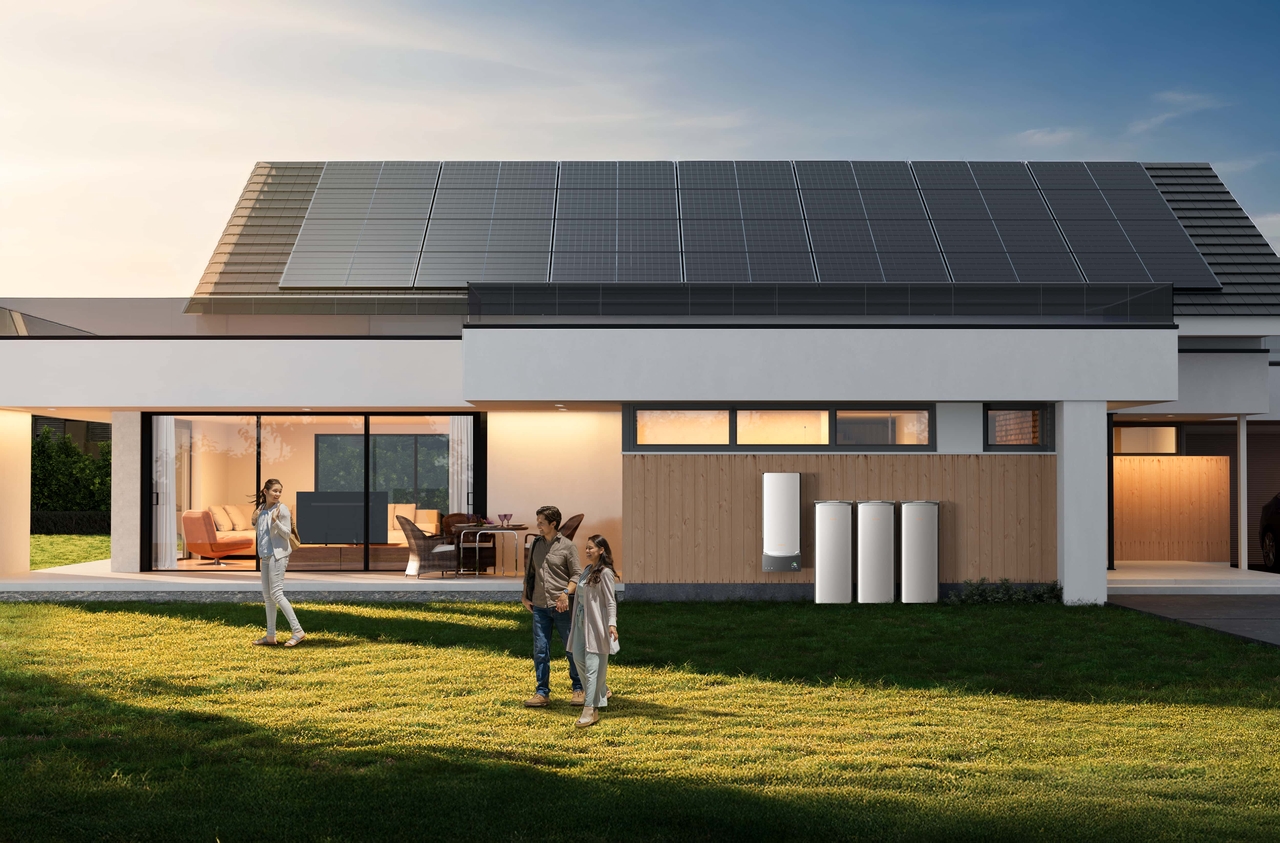
While basic BTM battery systems provide modest backup, standard capacities often fall short when powering high-draw whole-home loads such as central HVAC units, heat pumps, and EV chargers. The EcoFlow OCEAN Pro Home Solar Battery ecosystem eliminates this bottleneck with enterprise-grade residential specifications.
High-capacity modular storage expands from 10 kWh to 80 kWh, solving energy deficit issues by matching daily usage and longer backup needs. With 40 kW of solar input and 24 kW of continuous output, the system runs high-demand household appliances simultaneously. Smart energy shifting optimizes charging and discharging for lower bills, while sub-10 ms automatic switchover delivers seamless power during outages.
Get Your Free Home Energy Consultation!
Which energy solution are you interested in?
Take control of your home energy and stop paying peak utility rates. Schedule your free consultation today to get a custom behind-the-meter battery storage design tailored to your household.
How to choose the right BTM system for your home
Selecting the right behind-the-meter setup requires balancing your household's power demand with your local utility's pricing rules. Consider these key factors when evaluating your options:
Size the system for capacity and power: Estimate your average daily electricity consumption (kWh) to determine your required storage capacity and desired backup duration. At the same time, check the system's continuous and peak power output to ensure it can run multiple high-demand appliances simultaneously (e.g., central AC, EV chargers, or electric water heaters).
Smart load management: Look for smart subpanels and energy management features that can monitor household consumption and prioritize essential circuits. These controls can help distribute available battery power efficiently and prevent high-demand appliances from overloading the system.
Time-of-Use scheduling: If your utility uses time-of-use rates, choose a system that supports automated charging and discharging schedules. You can store excess solar or charge during lower-cost periods, then use stored energy when electricity prices are higher.
Conclusion
Behind-the-meter energy systems are becoming an important part of modern home electrification, giving homeowners greater control over how they generate, store, and use electricity. As solar adoption, battery storage, EV charging, and electric appliances grow, BTM systems can help homes manage rising energy demand while improving resilience. EcoFlow OCEAN Pro brings these capabilities together with scalable battery storage, high solar input, powerful output, and intelligent energy management. By combining local generation, storage, and smart controls, BTM technology can help create more flexible, efficient, and reliable homes for the future.
FAQs
What is behind-the-meter and front of the meter?
Behind-the-meter systems are located on the customer side of the utility meter and primarily serve local energy needs. Front-of-the-meter systems operate on the utility side and support centralized generation, distribution, storage, and broader grid operations.
Why is behind-the-meter storage becoming more popular?
Homeowners increasingly adopt BTM storage to escape rising utility electricity rates and reduced solar export credits. Combined with more frequent, weather-driven blackouts, on-site batteries offer financial savings through peak-rate shifting and reliable, uninterrupted domestic power resilience.
Do behind-the-meter systems provide backup power during outages?
Yes, properly configured behind-the-meter battery systems can provide backup power during grid outages. EcoFlow OCEAN Pro, for example, can transition supported loads to battery power with its sub-10ms automatic switchover, helping maintain power during interruptions.

