
Battery Degradation: Causes, Prevention & Smart Energy Storage
Battery degradation is a problem for anything from smartphones to EVs and home backup systems, leading to shorter runtimes, less efficiency, and costly replacements in the long run. Learning why batteries degrade is important if you want to make them last longer and perform better. Modern solutions such as home battery systems and smart energy management technologies are helping homeowners reduce wear and tear while maximizing energy efficiency. This guide covers everything about battery degradation, its causes, prevention, and why you should opt for smart energy storage.
What is battery degradation: Definition & meaning
Battery degradation is the gradual loss of a battery's capacity to store and deliver power over time. Batteries age, and the chemical components slowly degrade, lowering overall capacity and efficiency. This is an unavoidable process in all rechargeable batteries, but the rate of degradation is heavily dependent on usage patterns, charging habits, temperature exposure, and battery chemistry.
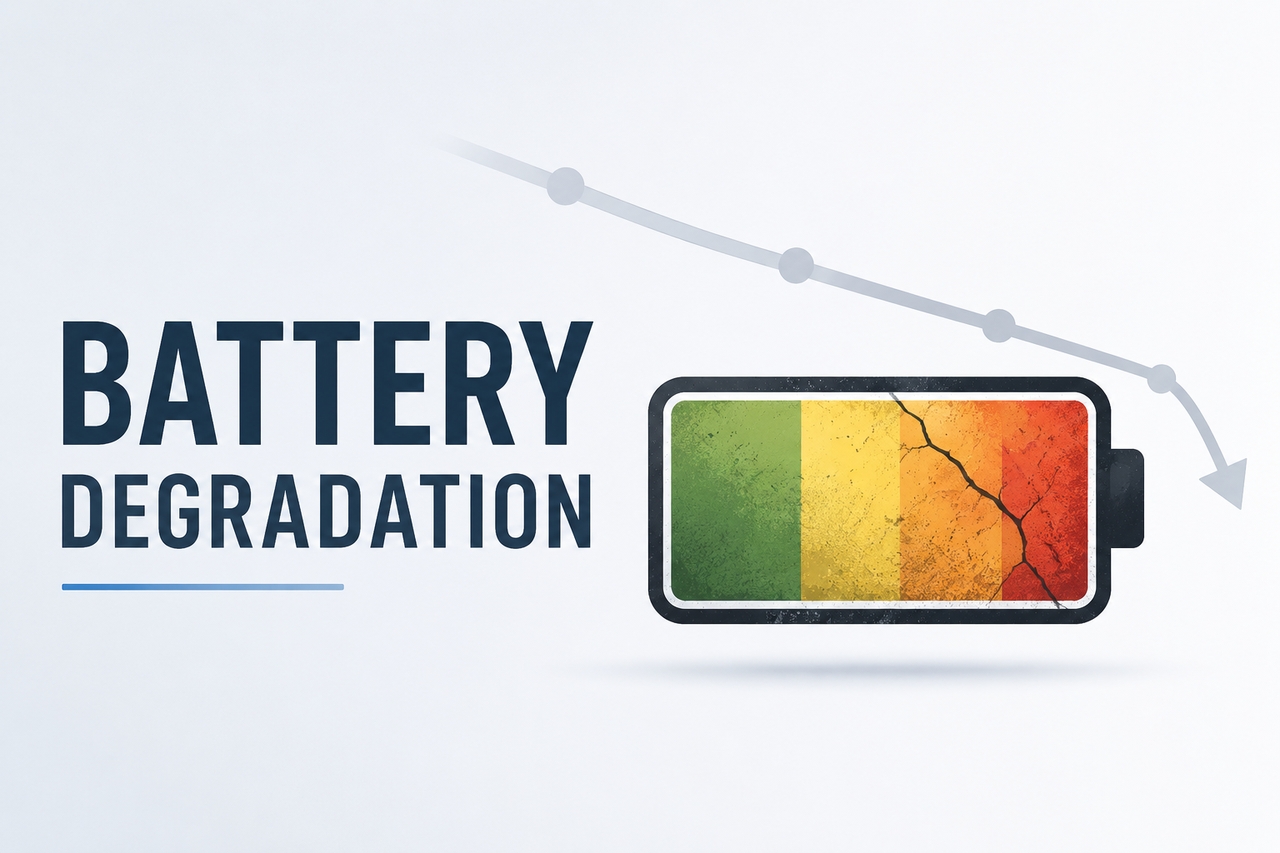
Two major indicators of battery degradation are:
Capacity fade: The battery now has less capacity than when it was new, resulting in less run time and less backup time.
Higher internal resistance: This means that the battery has more trouble providing power efficiently and also creates more heat, which reduces performance under heavy loads.
The two primary mechanisms of battery degradation are:
Calendar aging (time-based): Even if not used much, older batteries lose their ability to hold a charge. Long-term deterioration is caused by factors like high temperatures, extended storage at full charge, and chemical instability.
Cycle aging (usage-based): Repeated charging and discharging cause cycle aging. Each full charge cycle gradually degrades battery materials, ultimately diminishing performance and usable capacity.
What are the main causes behind a degrading battery
Wondering why your battery is degrading? Here are some of the common causes behind it.
Charging Habits and Voltage Stress
One of the most common causes of battery degradation is improper charging habits. Regularly charging a battery to 100% or discharging the battery completely stresses the battery cells. Higher voltage levels increase chemical reactions inside the battery, leading to faster wear and reduced long-term capacity. Overuse of fast charging can also create heat and added voltage stress, especially in systems that lack sophisticated battery management protection. Good charging habits go a long way towards helping your battery last longer.
Temperature and Environmental Stress
Temperature is a key factor in battery health and longevity. High temperatures speed up the chemical breakdown inside the battery, and very cold temperatures slow down charging efficiency and temporary performance. What happens is that over time, the battery cells can be damaged by constant exposure to heat, direct sunlight, poor ventilation, or freezing conditions. Effective thermal management systems keep the temperature under control and reduce long-term environmental stress on the battery.
Usage Cycles and Battery Management
All rechargeable batteries are designed with a limited number of charge cycles before they start to lose capacity noticeably. The more you charge it, the more you use it, the more the internal structure of the battery will gradually wear down. This degradation can be mitigated by advanced battery management systems (BMS) by monitoring the temperature, voltage, and charging conditions in real-time. Smart battery management increases safety, balances battery cells, and optimizes charging behavior to extend the overall battery life.
Understanding battery chemistries: Which degrade faster
Different battery chemistries have different levels of performance, life, and degradation resistance. It is important to know these differences when choosing batteries for long-term energy storage applications.
LFP (Lithium Iron Phosphate)
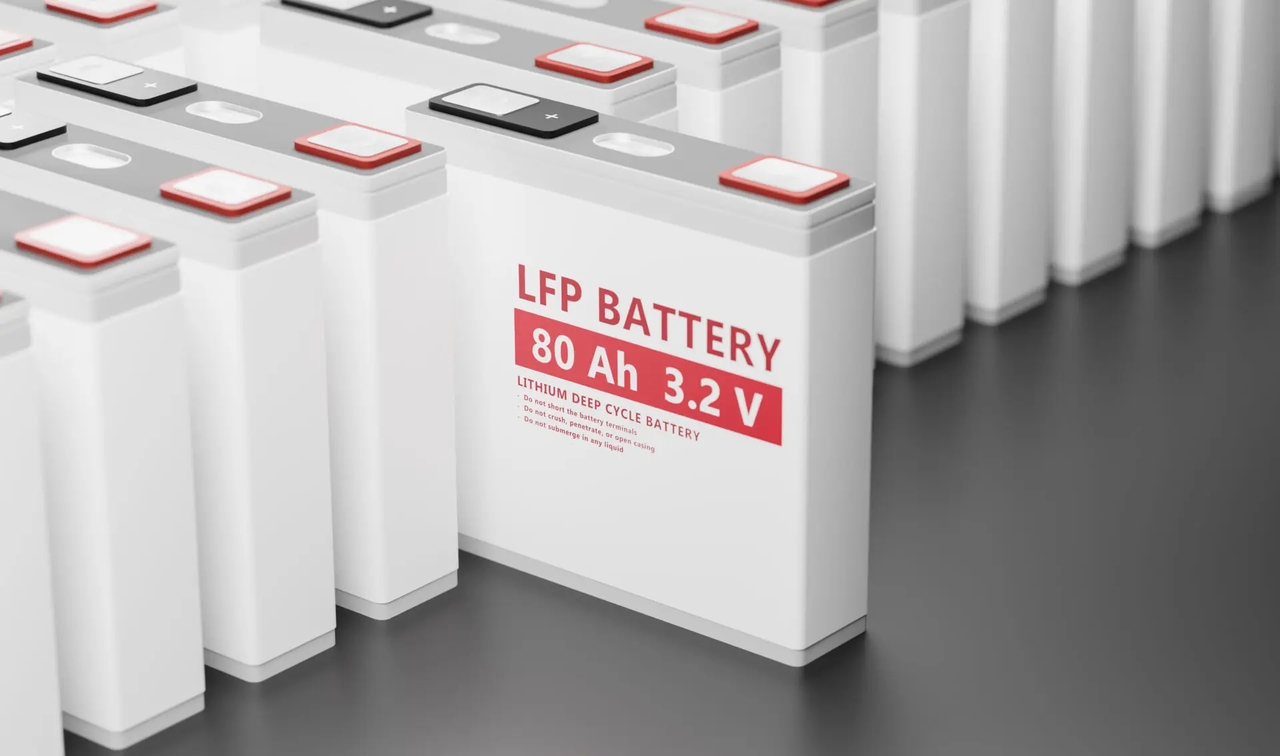
LFP batteries have excellent durability, safety, and long cycle life. This chemistry is less prone to overheating and thermal runaway than many other lithium-ion batteries, as it offers better thermal stability. LFP batteries can be charged and discharged many times with little loss of capacity, so they are the perfect choice for home energy storage and backup systems. LFP batteries have a slightly lower energy density, but their longevity and safe operation make them much more reliable for long-term usage.
NMC (Nickel Manganese Cobalt)
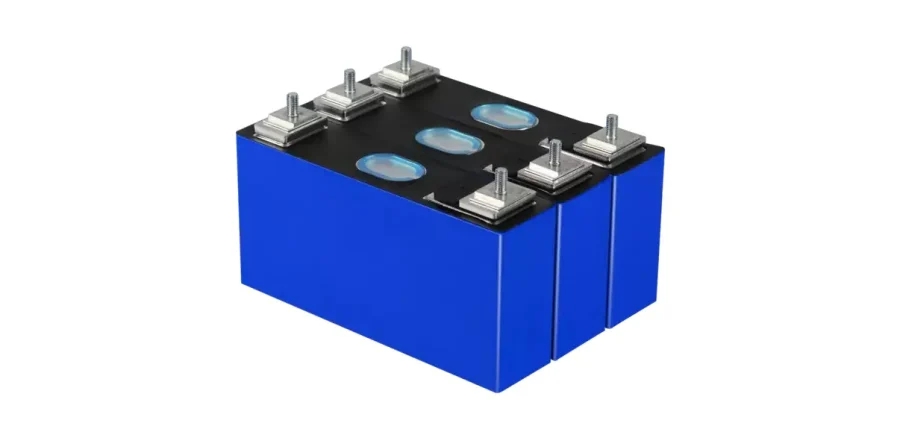
NMC batteries are common in electric vehicles and portable electronics due to their high energy density and strong performance capabilities. A small size that can store more energy is good for improving driving range and portability. However, NMC batteries tend to be more sensitive to high temperatures, high charge levels, and aggressive charging cycles. Hence, they may undergo faster degradation under severe operating conditions than LFP batteries.
Home Energy Storage and Long-Term Battery Performance
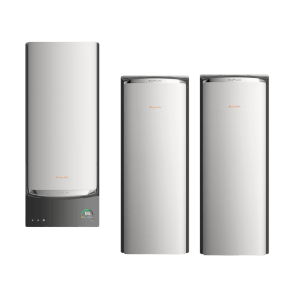
The development of modern home energy storage systems is increasingly aimed at reducing battery degradation while improving long-term reliability, energy efficiency, and backup performance. The EcoFlow Ocean Pro utilizes the latest LFP (Lithium Iron Phosphate) battery technology, which offers a longer cycle life, better thermal stability, and more safety than many traditional lithium-ion chemistries. The system starts at 10kWh of storage capacity and scales up to 80kWh, allowing homeowners to match energy storage to household consumption and backup requirements.

Designed for whole-home backup applications, EcoFlow OCEAN Pro delivers up to 24kW continuous output, allowing it to power heavy household loads such as HVAC systems, refrigerators, EV chargers, pool pumps, and other high-demand appliances, all at once. The system can also accept up to 40kW from solar, allowing homeowners to make the most of their rooftop solar, improve charging efficiency, and reduce reliance on the grid.
Conclusion
Battery degradation is an inevitable phenomenon in the operation of rechargeable batteries, but the effects of battery degradation can be minimized with proper charging habits, temperature management, and advanced battery technologies. Understanding how batteries age helps users make better decisions that improve performance and extend battery life.
Modern energy storage, with durable LFP battery chemistry and sophisticated battery management systems, can provide longer cycle life, better safety, and added reliability. Residential systems like EcoFlow OCEAN Pro offer effective and reliable long-term energy storage systems that are designed to meet today’s home energy needs. Call our experts today and keep your home powered up.
Get Your Free Home Energy Consultation!
Which energy solution are you interested in?
FAQs
What is battery degradation?
Battery degradation is the gradual decline in a battery's capacity to store and deliver energy efficiently over its lifespan. Rechargeable batteries undergo repeated cycles of charge and discharge, during which the internal chemical materials degrade over time, reducing the overall capacity and performance.
How much battery degradation is normal?
All rechargeable batteries will degrade to some extent. Most lithium-ion batteries typically lose 10% to 20% of their original capacity after several years of normal use, with the actual percentage depending on factors like charging habits, operating temperature, usage intensity, and battery chemistry.
How to fix a degraded battery?
Battery degradation is usually irreversible, as it arises from permanent chemical changes within the cells. However, by using better charging habits and reducing environmental stress, users can slow down further degradation and improve battery performance.
Is 76% good battery health?
A battery health level of 76% means that the battery has experienced moderate to noticeable degradation. The battery is still working, but it can only hold three-quarters of its original energy capacity, which means shorter runtimes and less efficiency. A 76% battery health rating is still good enough for smartphones, laptops, EVs, or home energy storage systems, depending on the demands of the usage.
Does fast charging permanently damage batteries?
Fast charging itself doesn’t immediately damage batteries, but frequent use of high-speed charging can cause faster long-term degradation. Fast charging creates more heat and more voltage stress on the battery cells, both of which accelerate the chemical aging process over time.

