
How Much Does a Basement Renovation Cost? The 2026 Pricing Guide
When homeowners consider expanding their living space, the lower level is often the most cost-effective blank canvas. If you are asking yourself how much does it cost to renovate a basement, the answer depends heavily on your vision—whether that's a simple home office, a high-end theater room, or a fully functioning accessory apartment. Calculating your true basement renovation cost goes beyond just drywall and flooring; modernizing this space means rethinking your utilities and protecting against unexpected grid outages. Incorporating a robust home battery backup into your electrical plan can ensure your newly finished space stays powered during extreme weather. This guide breaks down typical expenses, inspiring room ideas, and smart design choices.
Key Factors Influencing Your Basement Renovation Cost
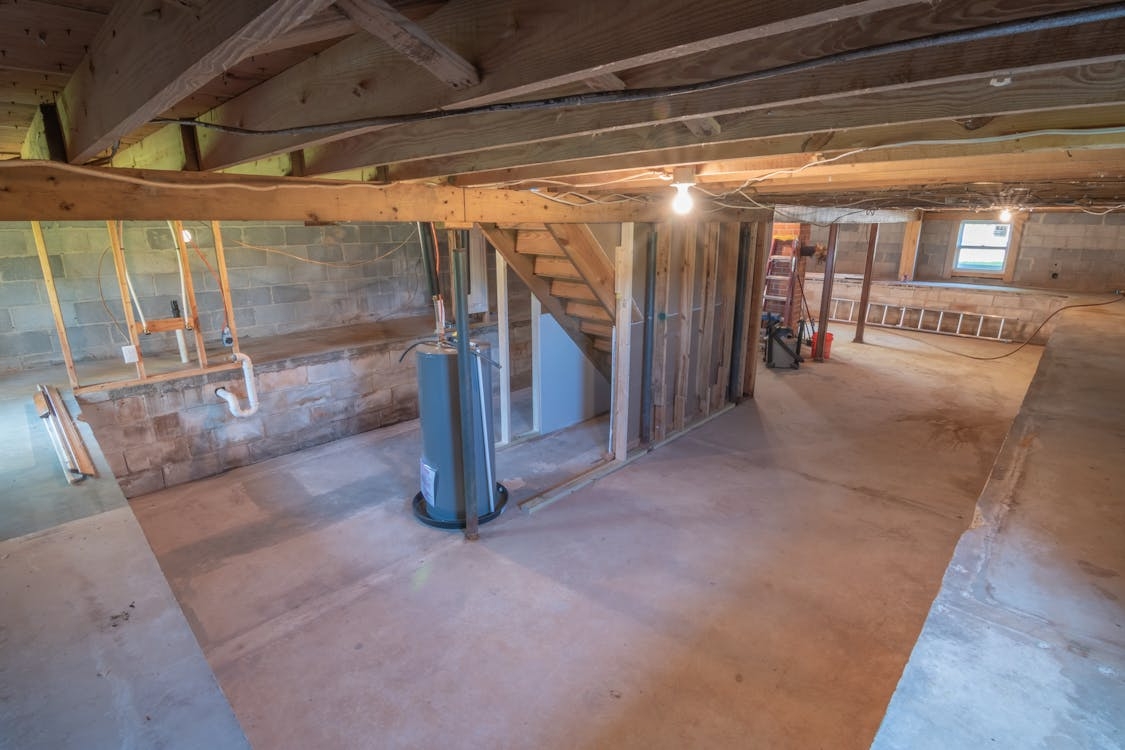
Total project expenses will always fluctuate. The final price tag is based largely on the existing condition of your raw space and the overall quality of the finishes you select. A basement that already has leveled concrete and basic stud framing will cost much less to finish than an older, damp space that requires extensive structural work.
To help you budget effectively, it is important to check out targeted basement renovation tips to avoid common spending traps. Let us look closely at where your money actually goes during a major remodel.
Material vs. Labor Expenses
The financial split between hiring professional contractors and buying the raw materials is often the biggest surprise for homeowners. Labor is not cheap. Paying skilled carpenters, electricians, and plumbers accounts for roughly 30% to 50% of your total budget. Professional installation guarantees that the work is done safely and correctly, which saves you money on repairs later.
When it comes to materials, making smart choices can keep your spending in check. You want to focus on moisture-resistant options. For example, installing luxury vinyl plank flooring instead of traditional engineered hardwood is a brilliant move. It looks fantastic, costs significantly less, and completely prevents warping if a minor water spill occurs. You can also save money by choosing standard drywall profiles over custom textures and opting for practical baseboards instead of elaborate wood trims.

Permits and Structural Modifications
You cannot ignore legal and safety costs. Permits are non-negotiable if you want a legal, safe living space. Pulling permits ensures your town's building inspector checks the electrical wiring and plumbing framing, keeping your family safe from fire hazards or leaks.
Structural modifications are major budget impactors. If you want to turn a dark basement into a legal bedroom, you must install an egress window. This requires excavating the earth outside and cutting through the concrete foundation, which can add thousands of dollars to your bill. Similarly, digging out the concrete floor to increase the ceiling height is a massive structural job. While these upgrades drastically improve the room, they require specialized engineering and a larger budget.
Cost Estimates for Popular Basement Renovation Ideas
Your final basement renovation cost is tied directly to the scope of your project. Aligning your specific vision with realistic budget brackets helps you plan without stress. Here is a breakdown of popular concepts and what you can expect to spend.
The Home Office or Fitness Studio
This is typically the most budget-friendly conversion you can tackle. A basic home office or private gym usually costs between $10,000 and $20,000.

Costs stay relatively low here because these rooms primarily require basic framing, standard drywall, and basic electrical wiring. You do not need to worry about the complex plumbing required for kitchens or bathrooms. To create a fitness studio, you might simply lay down heavy-duty rubber matting over the concrete floor, run a few extra electrical outlets for treadmills, and install bright LED lighting. It is a straightforward build that adds massive daily value to your routine.
The Ultimate Home Theater Room
If you want a dedicated entertainment zone, you are looking at a mid-to-high tier project. A custom home theater room generally runs from $25,000 to $40,000.
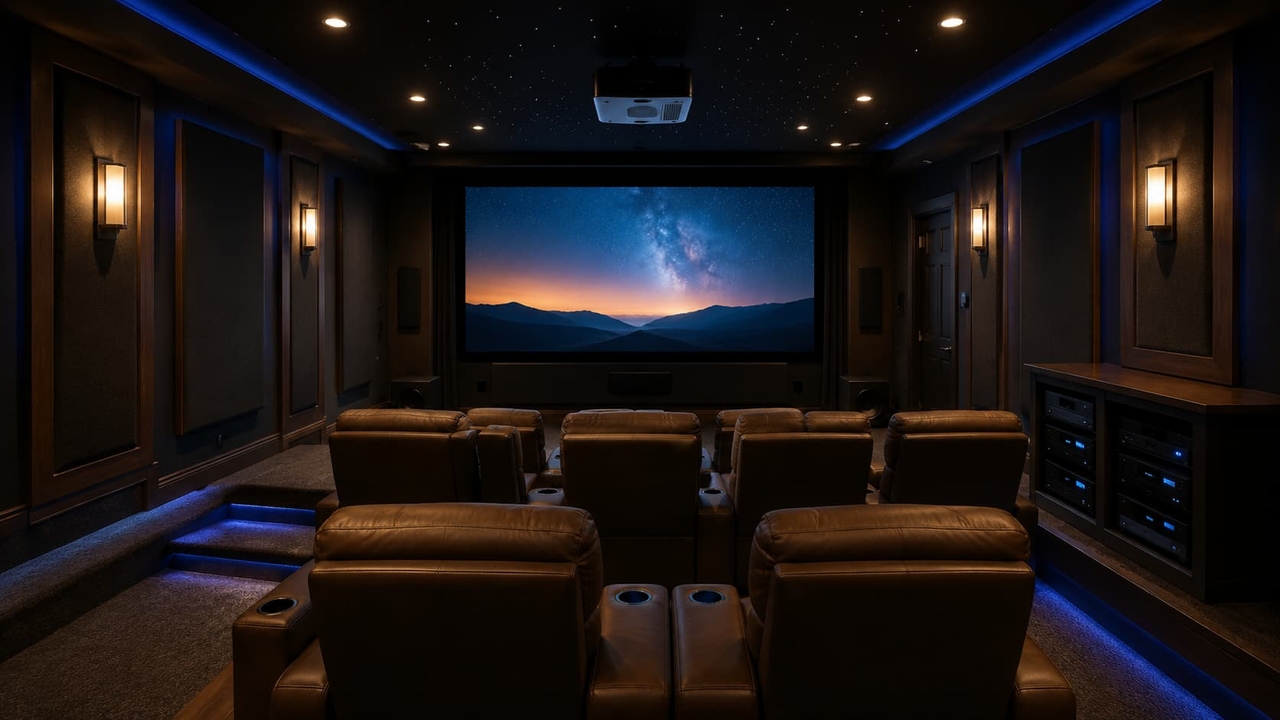
Creating a cinematic experience requires specialized materials. You will likely need acoustic drywall and premium insulation to keep the movie volume from shaking the floorboards upstairs. Many homeowners also pay for custom-tiered flooring so that everyone gets a great view of the screen from their reclining seats. Most importantly, you need heavy electrical wiring for massive TVs, surround sound AV equipment, and ambient lighting. This heavier electrical demand means looking into a robust home energy ecosystem to support the equipment safely without tripping your standard breakers.
Guest Bedroom or Multi-Use Living Area
Building a comfortable guest suite or a mixed-use family room is a fantastic mid-range project. This typically costs between $20,000 and $35,000. It balances everyday comfort with strict code compliance.

The mandatory expense here is installing an egress window to legally classify the space as a bedroom. This ensures guests have a safe fire escape route. You will also spend money framing out separate zones for sleeping and lounging. Many homeowners add a convenient half-bathroom during this build. A half-bath requires a toilet and a sink, which involves some plumbing work, but it avoids the extreme, expensive plumbing needs of a full, independent apartment with a shower and tub.
Modernizing Basement Infrastructure and Power
Turning a raw basement into a comfortable living area massively increases your home's daily energy demand. You are essentially powering an entirely new floor.
Understanding Increased Electrical Loads
Adding new mini-split HVAC units, a kitchenette, and big entertainment systems puts a heavy burden on your power supply. Calculating the total wattage of these new appliances is crucial to prevent your circuit breakers from constantly tripping. In fact, many older homes require a main panel upgrade to handle this extra load. Upgrading to modern hardware, like the EcoFlow OCEAN Smart Electrical Panel 40, directly replaces your existing main panel to give you the expanded capacity your heavy-duty basement needs.

Planning for Outages: Managing Heavy Appliances
A newly renovated $20,000 to $50,000 basement relies entirely on high-demand appliances. Mini-split HVACs and space heaters require massive startup power to kick on. If a severe storm knocks out the grid, losing climate control and power can make your beautiful new space completely unusable. Integrating smart energy storage is a necessary resilience upgrade for any modern utility room.

The EcoFlow OCEAN Pro seamlessly serves as the solution to keep your basement dry and powered:
Reliable Backup for Heavy Loads: The 24kW continuous power effortlessly supports high startup demands, ensuring heavy appliances and HVAC units keep running during blackouts.
Automated Energy Savings: By utilizing Intelligent Mode, the system shifts your basement's new power consumption to off-peak hours, helping to offset increased utility costs.
Are you ready to resolve your uncertainty about home battery backups? We can help you protect your new living space. Request a consultation today to find the perfect energy solution for your home.
Get Your Free Home Energy Consultation!
Which energy solution are you interested in?


Essential Waterproofing and Moisture Control
Ensuring a bone-dry space is the mandatory first step before you ever hang drywall or lay flooring. Skipping this step is a fast track to ruining your investment.
Sealing Foundation Cracks
Deep underground, hydrostatic pressure constantly pushes groundwater against your concrete foundation, eventually forcing water through tiny cracks. Professionals address this by injecting a tough, expanding epoxy directly into visible cracks to seal the breach. Exterior grading is also critical; dirt should always slope away from the house. Additionally, ensuring your roof eaves extend 2 to 4 feet out will help push heavy rainfall far away from the foundation.
Interior Drainage Systems
If severe storm water still makes its way inside, you need a solid interior defense. The standard fix is an interior perimeter drain, or French drain. Contractors lay a perforated pipe beneath the floor's edge to catch seeping water. This routes directly to a high-capacity sump pump, which safely pushes the heavy stormwater out into your yard before it ruins your renovation.
Managing Basement Humidity
Because basement walls are underground, they stay cold and naturally "sweat" when warm air hits them. To prevent this invisible moisture from rotting your wooden studs and causing mold, you must install a professional-grade vapor barrier behind your insulation. Incorporating a dedicated basement dehumidifier will actively pull dampness out of the air, protecting your drywall and keeping the room comfortable.
Conclusion
Understanding your true basement renovation cost is the key to a stress-free project. While the initial estimates for labor, lumber, and permits can seem intimidating, finishing your lower level is one of the smartest property investments you can make. By carefully choosing durable materials, securing the right permits, and locking in your moisture control early, you build a space that lasts a lifetime. Most importantly, by modernizing your electrical panel and adding reliable home battery backup, you guarantee that your beautiful new home office, theater, or guest suite remains comfortable and fully powered, no matter what happens to the grid outside.
FAQs
How much does it cost to finish a 2000 sq ft basement?
Expect to spend anywhere from $60,000 to $100,000. Your final bill depends mostly on local labor rates, the materials you choose, and layout additions like extra bathrooms or high-end entertainment hubs.
Does a finished basement add value to a home?
Absolutely. You can generally look forward to a solid 70% return on your investment when you sell. Home buyers naturally love the extra square footage, especially if the layout includes smart climate control and a dependable backup power setup.
Do I need a permit to finish my basement?
Almost always, yes. You must pull permits for any electrical, plumbing, or structural changes. Securing permits ensures your new space is legal and safe. Skipping this step can lead to heavy fines or major issues when you decide to sell your home.
What is the most expensive part of a basement renovation?
Labor and structural changes are the priciest factors. Digging out the floor to increase ceiling height, installing egress windows, and running new plumbing lines demand skilled professionals. These complex tasks take up a huge chunk of your budget.
How can I lower the energy cost of my finished basement?
You can slash energy costs by installing robust insulation and efficient HVAC units. Using an EcoFlow OCEAN Pro helps, too. Its Intelligent Mode shifts your heavy power usage to off-peak hours, automatically cutting down your monthly utility bills.

