
Understanding the Average Electric Bill NYC: 2026 Cost Breakdown
Dealing with high utility costs in New York is a tough reality for many homeowners. Every single year, rates seem to creep up. Whether you are facing a massive rate hike in July or just dealing with random spikes in the winter, figuring out the factors behind the average electric bill NYC is the very first step toward taking your budget back.
It is easy to feel powerless when you open that envelope or check your email to see a sky-high number. Opening a sky-high utility bill can make anyone feel completely powerless. Fortunately, taking control of residential energy costs is easier than it seems. Decoding complex supply charges, implementing a few simple efficiency upgrades, and utilizing a reliable home battery backup to store cheap off-peak power provide a clear path forward. The following strategies outline actionable steps to permanently lower monthly expenses and build lasting energy security. This guide will walk you through real, actionable steps to cut your monthly expenses. You will learn how to protect your wallet and build lasting energy security for your household.
The True Cost: What is the Average Electric Bill in New York City?
So, what does the average electric bill in New York City actually look like today? The truth is that there is no single magical number. Your monthly cost depends heavily on the borough you live in, the age of your building, and the total square footage of your space. Let's break down the typical benchmarks you can expect to see in 2026.

Average Monthly Cost for NYC Studio Apartments
Living in a compact, 500-square-foot studio naturally keeps overall power consumption quite low. Cooling, lighting, and operating a basic refrigerator are all confined to a single room. Because of this limited footprint, a studio renter might only pay between $90 and $120 a month during the mild spring months, assuming background electronics like televisions are powered down before leaving the apartment for the day.
Typical Electric Bill for Multi-Bedroom Apartments
Adding roommates changes the math fast. Multi-bedroom apartments pack in a lot of electronics. You have two or three people charging phones and laptops at the exact same time. Someone is always watching television. The kitchen appliances get a heavy workout. These households normally see their baseline bills jump up to $130 to $170 a month.
Estimated Expenses for Single-Family Homes
Homeowners living in single-family detached houses—common in places like Queens, Staten Island, and parts of Brooklyn—see the highest jumps. These homes have much larger footprints. You are paying for exterior security lights, basement utilities, large modern kitchen appliances, and multi-zone heating and cooling systems. For these families, standard utility bills easily clear $200 per month, even before the extreme weather sets in.
Impact of the Average Summer Electric Bill in New York City
Summer weather patterns alter residential energy expenses substantially. Due to rising temperatures and humidity across the metropolitan area, the average summer electric bill in New York City can rise significantly due to increased air conditioning usage. From June through August, window units and central cooling systems operate under sustained stress to maintain comfortable indoor temperatures. This collective surge in urban consumption places immense strain on the local electrical grid, driving up wholesale energy procurement costs that are reflected directly on your utility bill. Implementing simple, daily habits to lower your light bill during these severe heatwaves is essential for protecting your budget.
Understanding New York Electricity Rates
If you want to lower your costs, you first need to know exactly what populates a standard Con Edison or local utility statement. Most people just look at the final amount due, but the bill is actually split into a few different parts.
Charge Type | What It Covers | Key Details |
Supply Charges | The raw cost of the actual electricity you consume. | Prices go up and down based on global fuel and energy markets. |
Delivery Charges | The cost to transport power to your home and maintain the grid. | Includes fixed fees just to stay connected, even if your power use is low. |
Time-of-Use (TOU) | An optional rate plan where electricity prices change throughout the day. | Peak hours (usually 2 PM to 8 PM) are the most expensive times to use power. |
Practical Ways to Lower Your Electric Bill in NYC
Taking control of your energy costs requires a programmatic, problem-solving approach. Look closely at how your home consumes power and find clever ways to reduce that draw. Here is a roadmap you can follow:
Upgrading to High-Efficiency HVAC Systems
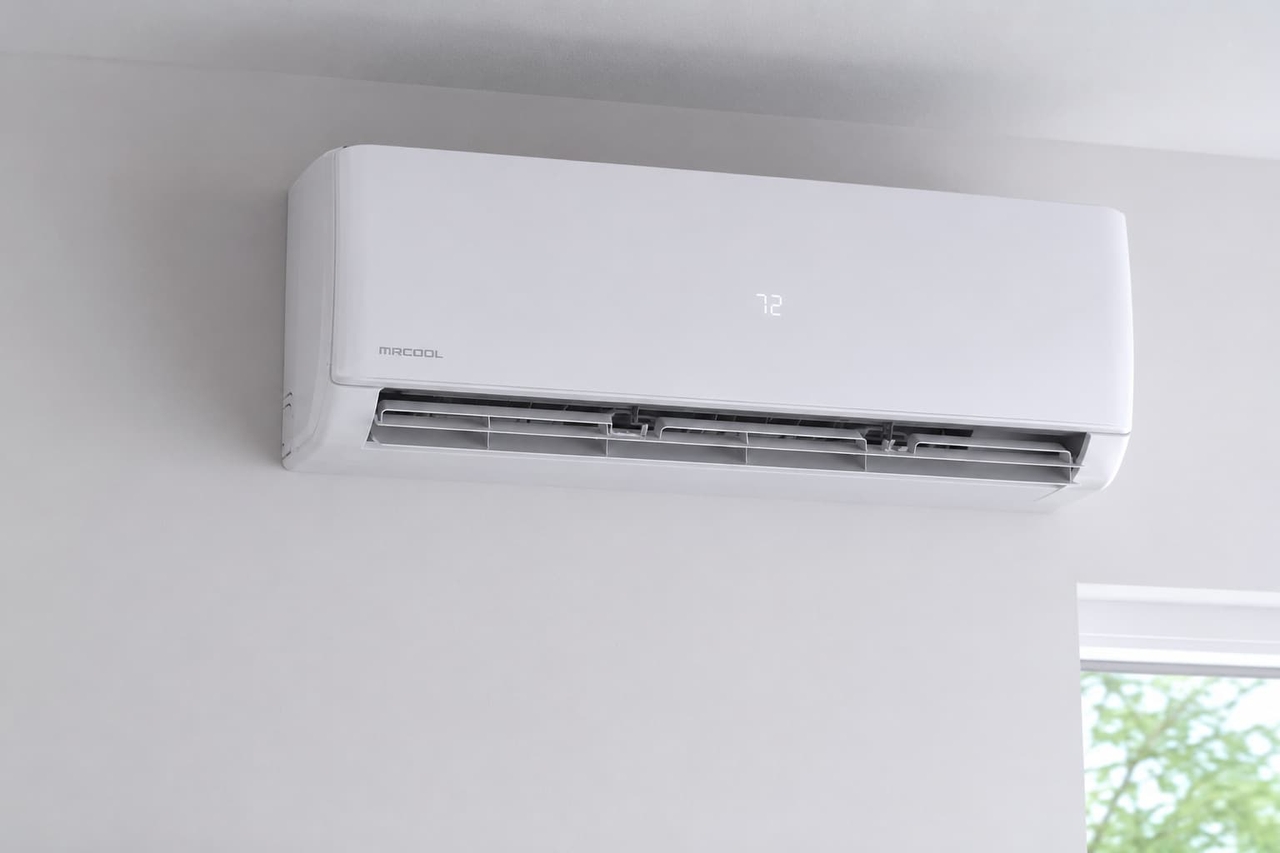
One of the biggest energy hogs in any New York home is an old, rattling window air conditioning unit. These outdated machines use a massive amount of electricity just to cool a single room. It's strongly recommended replacing aging window units with modern, ENERGY STAR-certified climate control solutions. If you own your home, consider installing independent mini-splits. These modern systems reduce foundational cooling draws and operate much more quietly.
Sealing External Leaks and Improving Insulation
A significant portion of New York's historic housing stock is well over a century old, making these buildings notorious for hidden drafts. Expensive, conditioned air easily seeps right through these aging window casings, wasting hundreds of dollars each season. Taking the time to apply fresh caulk around these frames tightly seals the room. Locking in conditioned air optimizes your home's temperature retention and stops your HVAC from working overtime.
Shifting Heavy Appliance Usage to Off-Peak Hours
If your home uses a Time-of-Use pricing plan, the time of day you do your chores is very important. We advise running major high-draw loads, like dishwashers and clothes dryers, early in the morning or late at night. During these specific hours, regional utility rates drop significantly.
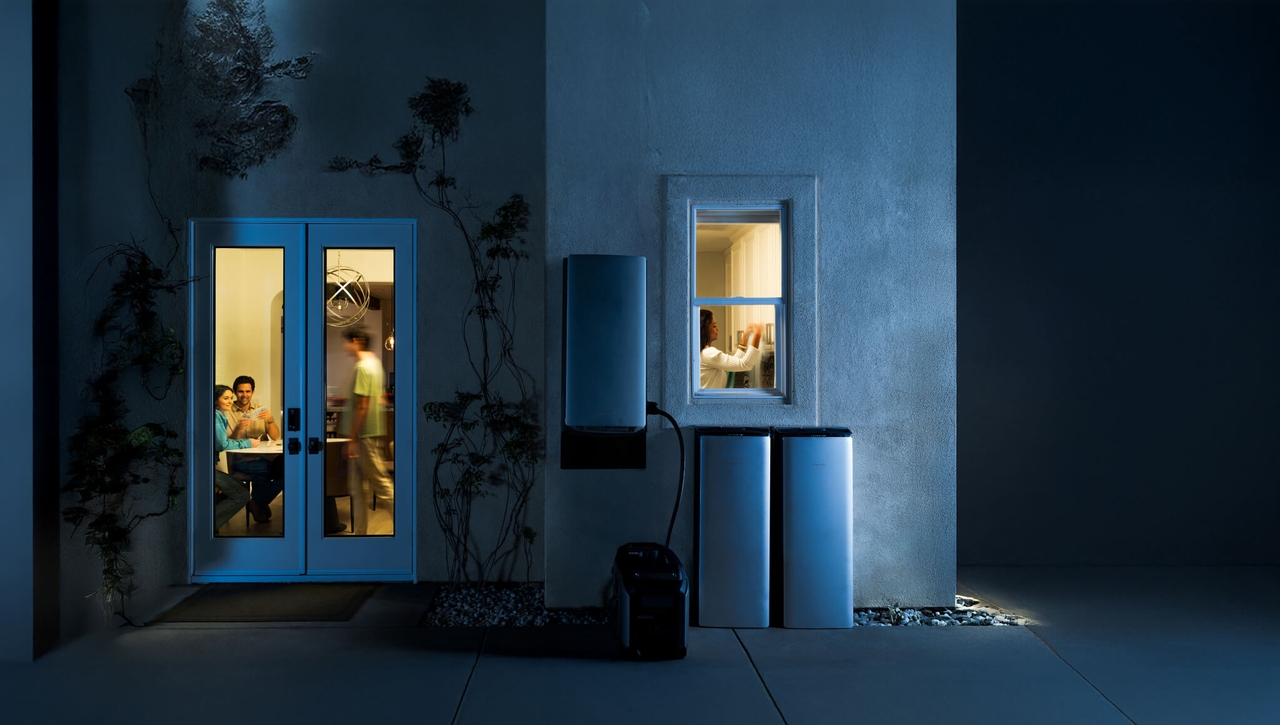
However, keeping track of these hours can be hard for busy families. Homeowners can capture these cheap off-peak rates using home battery solutions like the EcoFlow Ocean Pro. It features a customizable 10kWh to 80kWh scalable capacity. This allows it to run the home seamlessly during high-demand windows via TOU, bypassing premium grid pricing altogether.
The system handles the heavy lifting by quietly storing cheap energy overnight while the grid is resting. Then, as afternoon peak rates skyrocket, the house seamlessly transitions to running on those stored reserves instead of buying premium electricity. Bypassing those massive time-of-use markups entirely keeps the home comfortable and instantly slashes the monthly utility bill.
Uncertain about the best way to shield your household from New York's soaring summer electricity rates? Request a consultation with our specialists to build a tailored energy storage system for your home and budget.
Get Your Free Home Energy Consultation!
Which energy solution are you interested in?

How Do New York Residents Pay Their Electricity Bills?
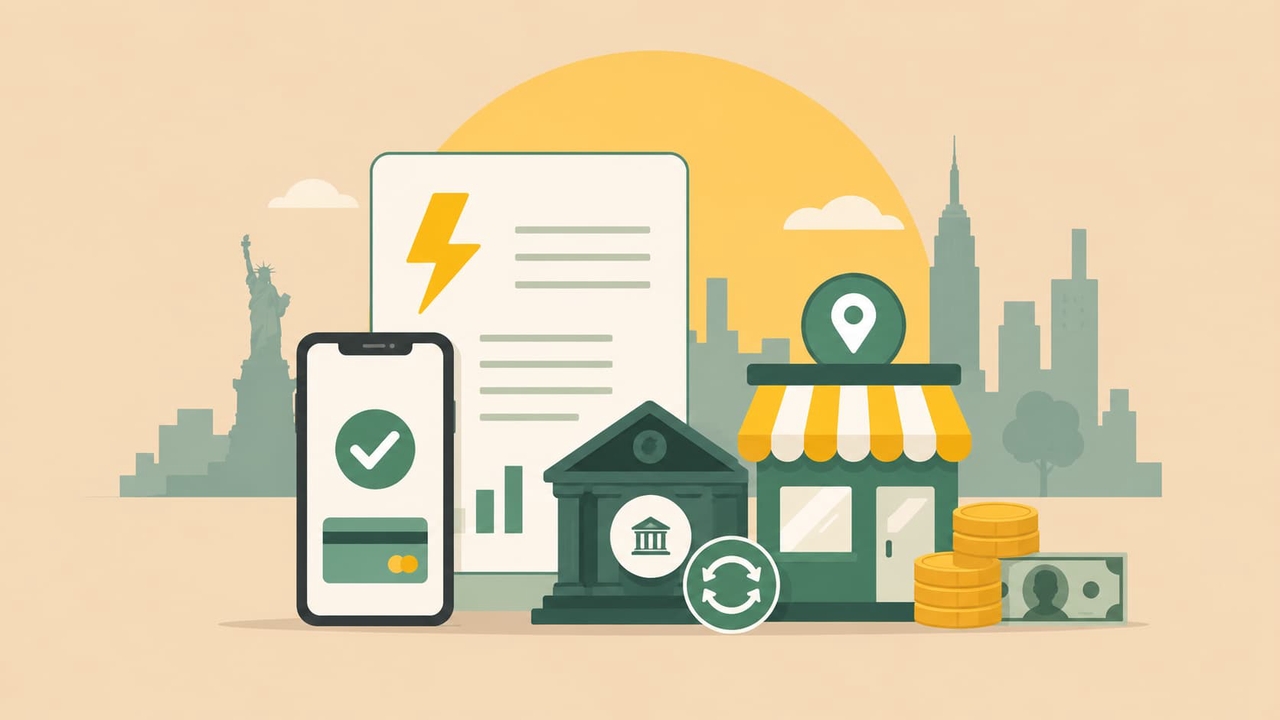
Paying your utility statement shouldn't be a headache. New Yorkers have a few different ways to handle the monthly bill. Picking the right one helps you avoid late fees.
Online Portals and Mobile Apps
Most residents use default utility platforms, such as the Con Edison website or their official mobile app. These portals allow you to make instant digital payments using a credit card, debit card, or a direct bank transfer from your checking account. It is fast, easy, and gives you a digital receipt right away.
Automated Bank Drafts (AutoPay)
Life in the city is busy. To avoid missed deadlines and unnecessary late fees, many homeowners link their checking accounts for automatic monthly deductions. Setting up AutoPay ensures your utility statement is cleared on the exact due date every single month. This is a great foundational step if you are looking for simple ways to cut costs and avoid penalty charges.
Authorized In-Person Payment Centers
For people who prefer to handle their bills using cash or money orders, utility companies partner with local businesses. You can usually go to neighborhood pharmacies, local grocery stores, or check-cashing centers to make secure, in-person payments on behalf of the utility provider.
Final Thoughts
Living in New York is expensive, but you don't have to be at the absolute mercy of seasonal rate hikes. By taking the time to understand exactly how your delivery and supply charges work, you gain the upper hand. Addressing simple inefficiencies in your home—like sealing drafty windows and killing vampire power loads—adds up to big savings. And strategically using heavy appliances during cheap, off-peak windows secures your financial future. You can take meaningful steps toward a much lower monthly bill and a much more resilient household today.
FAQs
What is an average electric bill in NYC?
The typical NYC electric bill sits between $130 and $170 a month. This number bounces around depending on your apartment size, the season, and how often you run the air conditioner.
What causes the average summer electric bill in New York City to spike?
Summer bills shoot up because everyone runs their AC during heatwaves. High citywide power demand forces utility companies to use peak-hour pricing, meaning you pay way more per kilowatt.
Why is electricity in NY so expensive?
New York's premium rates are driven by the massive expense of maintaining an aging, densely packed underground power grid. Additionally, state clean-energy mandates and severe regional congestion during peak times increase wholesale pricing.
How much is electricity per kWh in NYC?
Most city residents pay roughly 20 to 25 cents per kilowatt-hour (kWh). You can easily bypass these steep rates by using an EcoFlow OCEAN Pro to store cheap off-peak power for your heavy daytime electrical usage.
Does unplugging appliances lower my New York electric bill?
Yes. Unplugging inactive electronics mitigates vampire draw, which is the constant background power consumed by devices in standby mode. Transitioning electronics to smart power strips can reduce your aggregate annual consumption by up to 10%.

