
Essential Aging in Place Home Modifications for Lasting Comfort
Preparing a house for long-term comfort requires thoughtful aging in place home modifications that prioritize accessibility and independence. Small changes can prevent accidents and ensure daily routines remain effortless. Whether you are updating a single bathroom or investing in a reliable home battery backup for uninterrupted comfort, the right upgrades make a significant difference. In this article, we cover practical adjustments, expert tips, and smart investments to future-proof your living space.
High-Impact Bathroom and Kitchen Updates
The bathroom and kitchen represent the two most heavily used rooms in any residence. Statistical safety reports consistently show that slip and fall accidents occur most frequently in these spaces due to wet surfaces, bending, and reaching. Prioritizing home modifications for seniors in these high-traffic rooms is an effective way to protect personal safety and maintain daily confidence. Gathering the right power outage supplies and safety checklists early allows families to spot potential hazards and implement practical upgrades without disrupting the overall home design.
Installing Grab Bars and Non-Slip Flooring
Bathrooms present unique moisture hazards that require solid physical supports. Securely anchored grab bars near the toilet, shower, and entryways offer stability during transitions. Unlike towel racks or soap dishes, permanent grab bars safely support human body weight.
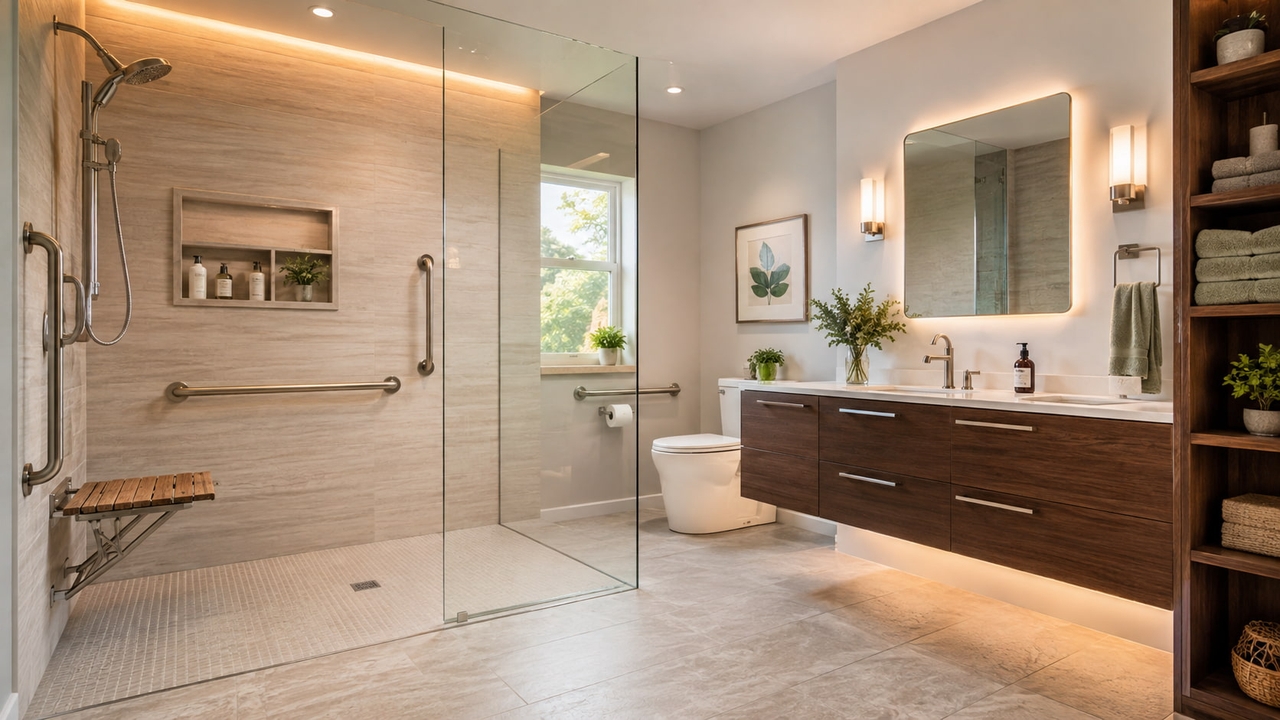
Flooring materials also play a decisive role in fall prevention. Replacing slick ceramic tiles with matte porcelain or slip-resistant vinyl flooring drastically improves foot traction. Additional bathroom adjustments include:
Curbless Shower Entrances: Removing the step-in tub threshold allows seamless, trip-free entry for individuals using shower chairs or walkers.
Weighted Shower Curtains: Using magnetic or weighted shower bottom hems prevents water from pooling onto dry bathroom floor areas.
Comfort-Height Toilets: Raising seat heights by two to four inches reduces knee strain and makes standing up much smoother.
Thermostatic Shower Valves: Anti-scald pressure valves maintain a safe water temperature automatically during sudden water pressure fluctuations.
Accessible Kitchen Adjustments
Over time, high overhead cabinets and deep lower shelves can make meal preparation a physical chore. Home modifications for aging in place inside the kitchen should keep daily cookware and appliances within easy horizontal reach.
Lowering countertops allows older adults to prepare meals while seated comfortably. Similarly, swapping standard lower cabinets for pull-out drawers eliminates the need for kneeling or reaching into dark corners. Practical kitchen accessibility upgrades also involve:
D-Loop Cabinet Handles: Replacing small knobs with wide, U-shaped pull handles makes drawers easier to open for fingers with arthritis or reduced grip strength.
Induction Cooktops: Modern magnetic induction burners heat only the cookware surface, protecting residents from open flames and accidental burns.
Side-by-Side Refrigerators: Vertical refrigerator layouts place both fresh foods and frozen items at eye level, avoiding deep bending.
Touchless Faucets: Motion-sensor sink faucets allow easy washing without turning tight mechanical knobs.
Upgrading Home Lighting and Eliminating Hazards
Clear visibility and open pathways form the backbone of a secure household. Natural eyesight changes with age, requiring homes to feature brighter lighting and reduced visual shadows. Home modifications for elderly residents must address dimly lit hallways, stairwells, and bedroom transitions where tripping risks are elevated.
Maximizing Visibility with Smart Lighting
Proper lighting design goes beyond installing higher-wattage bulbs. Overhead glare causes eye fatigue, so layered lighting works best. A mix of uniform ceiling lights, under-cabinet kitchen strips, and motion-activated baseboard lights provides balanced illumination across every room.
Automated lighting controls remove the challenge of searching for light switches in dark corridors. Connecting hallway and stairwell fixtures to motion sensors lights up paths instantly whenever someone walks by. For bedroom suites, illuminated rocker switches or voice-controlled smart bulbs let residents control room lights without getting out of bed.
Removing Tripping Hazards
Even the brightest room remains hazardous if the floor is cluttered. Area rugs, loose carpeting, and trailing electrical cords cause thousands of preventable residential falls every year. Creating an obstruction-free environment is a straightforward adjustment that delivers immediate safety improvements.
Securing or removing decorative throw rugs is often the first step. If rugs remain in place, double-sided carpet tape or non-skid rubber pads must anchor every corner firmly to the subfloor. Furthermore, electrical wires for lamps and TVs should be routed neatly along baseboards using cord covers. Keeping interior walkways clear of clutter allows smooth navigation for older adults, grandchildren, and visiting guests.
Enhancing Whole-Home Accessibility and Resilience
True long-term comfort requires looking at the broader structural and energy systems of the property. Widening entry paths and establishing a dependable home energy ecosystem protect residents from structural obstacles and weather emergencies. These comprehensive aging in place home modifications keep the residence safe during daily activities and unexpected utility disruptions.
Widening Doorways and Adding Ramps
While standard residential interior doorways typically measure between 28 and 30 inches wide, federal ADA accessibility standards recommend expanding doorway widths to a minimum of 32 to 36 inches to provide comfortable wheelchair clearance and prevent accidental scrapes.
When wall framing limits structural changes, swing-clear offset hinges offer a budget-friendly solution by moving the door slab out of the opening to gain nearly two extra inches of passageway space. For exterior entrances with steps, low-slope aluminum or composite ramps with sturdy handrails provide a safe, permanent alternative to stairs during bad weather.
Ensuring Reliable Power for Daily Comfort
Recent utility data shows that average power outages can last several hours, leaving homes without HVAC, smart lighting, or electric mobility furniture. Maintaining a stable environment is crucial for seniors, making a robust energy ecosystem a highly practical modification. The EcoFlow OCEAN Pro steps in automatically during a blackout in less than 10 milliseconds, delivering up-to 24kW of continuous output to keep critical household systems (like a 5-ton AC unit) running smoothly.
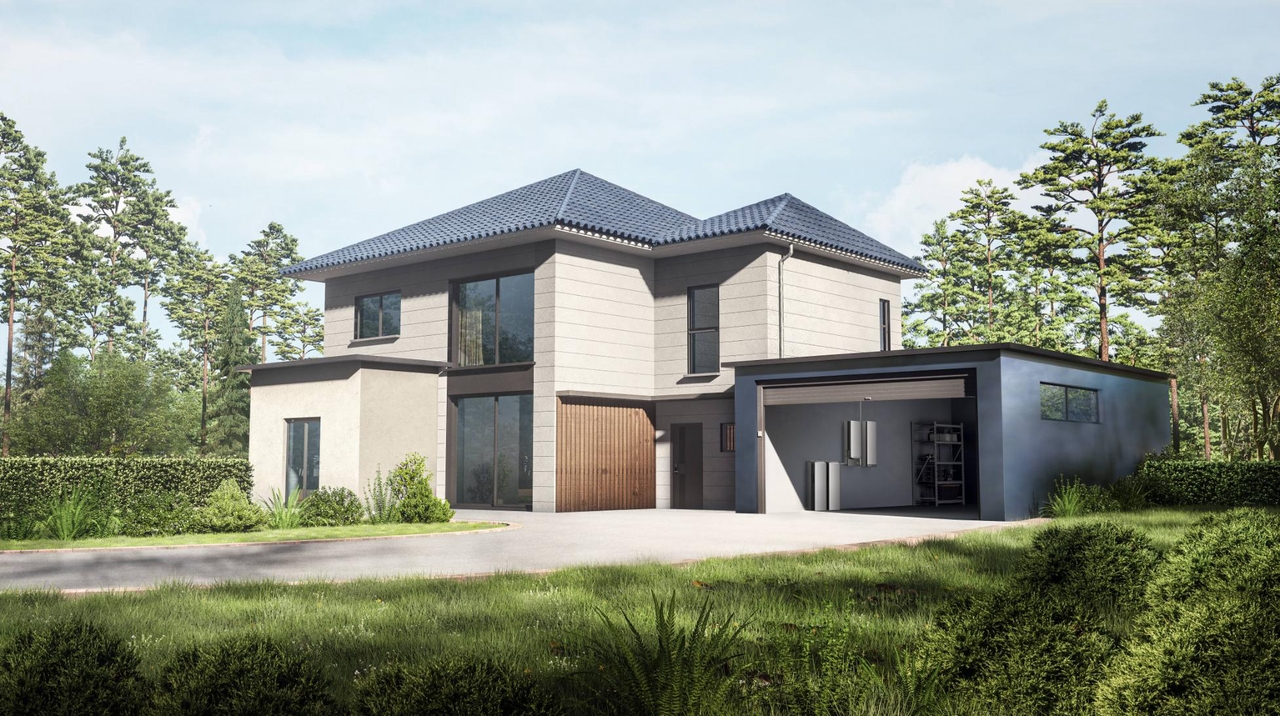
Scalable Whole-Home Backup: Delivers a massive 205A LRA to easily start and sustain heavy, demanding appliances simultaneously.
Intelligent Energy Management: Features an Intelligent Mode that automatically optimizes usage during peak and off-peak hours for maximum efficiency.
By securing a consistent power supply, households bypass the disruption and temperature extremes caused by sudden grid failures. This proactive upgrade transforms a standard living space into a truly resilient environment, ensuring daily routines remain unaffected regardless of weather or utility issues.
According to a Climate Central report on weather-related power outages, extreme weather events now cause over 80 percent of major power disruptions across the country. During a prolonged summer heatwave or winter freeze, uninterrupted climate control is essential for older adults who may be sensitive to temperature swings. Preparing for these outages ahead of time ensures that daily comfort and safety never depend on the weather.
Get Your Free Home Energy Consultation!
Which energy solution are you interested in?

Are you ready to resolve uncertainty about home battery backups? Families can protect their modernized residences against unexpected grid failures. Request a consultation today to find the perfect energy solution for your home.
Upgrading Smart Home Security and Communication
Modern residential technology offers valuable peace of mind for older adults and their families. Video doorbells with two-way audio let residents speak with visitors without opening front doors to strangers. Automated smart door locks with numeric keypads eliminate the frustration of fumbling with keys and allow trusted caregivers to enter securely when needed.
Inside the house, smart water leak detectors placed near water heaters, kitchen sinks, and washing machines prevent costly water damage. If a pipe leaks, sensor alerts notify homeowners immediately. Combining smart security hardware with automated thermostat schedules creates a responsive home environment that adapts to seasonal weather shifts automatically.
Securing Professional Help and Financial Support
Executing aging in place home modifications requires careful planning, budget assessment, and professional craftsmanship. Attempting complex structural renovations or electrical upgrades without guidance can result in code violations or safety hazards. Homeowners benefit significantly from partnering with certified specialists and exploring available funding avenues.
Hiring Certified Aging-in-Place Specialists (CAPS)
A Certified Aging-in-Place Specialist (CAPS) has completed training through the National Association of Home Builders. These builders, designers, and architects understand the physical needs of older adults and blend accessible design into attractive home layouts.
During a consultation, homeowners receive safety audits that evaluate room navigation, slip resistance, and countertop ergonomics. Working with certified experts ensures that doorways, ramps, and grab bars meet national accessibility guidelines and local building regulations.
Exploring Grants and Funding
Financing home modifications for seniors is more achievable through local, state, and federal assistance programs. Many organizations offer grants, low-interest loans, or tax credits to help older adults remain safely at home:
Veterans Affairs (VA) Grants: Qualifying military veterans can apply for Specially Adapted Housing (SAH) or Home Improvements and Structural Alterations (HISA) grants to cover essential accessibility updates.
State Home and Community-Based Services: Many regional Medicaid waiver programs assist low-income seniors with necessary bathroom grab bars, ramps, and floor safety improvements.
Local Non-Profit Organizations: Community groups such as Rebuilding Together often provide volunteer labor and subsidized materials for seniors needing critical home repairs.
USDA Housing Repair Loans: Rural homeowners aged 62 and older may qualify for specialized government grants and low-interest loans to remove health and safety hazards.
Conclusion
Investing in aging in place home modifications is a thoughtful way to promote long-term comfort, personal safety, and everyday independence. From non-slip bathroom floors and widened kitchen entryways to automated lighting and whole-home power resilience, every practical upgrade reduces daily friction. By addressing potential household hazards early and working with certified specialists, families can transform a cherished house into a secure, enduring sanctuary for decades to come.
FAQs
What home renovations can help someone age at home?
Effective renovations focus on safety and accessibility. High-impact updates include walk-in showers with grab bars, widened doorways, wheelchair ramps, and brighter LED lighting. These practical adjustments prevent falls and support daily independence.
How much can it cost to modify a home to accommodate an elderly parent?
Basic safety updates like grab bars or lever faucets cost between $500 and $2,000. Larger remodeling projects (such as walk-in tubs or wheelchair ramps) often range from $5,000 to $15,000. Grants and veteran programs can help cover these expenses.
How can I prepare my home for power outages while aging in place?
Prepare by installing a reliable home battery backup that powers essential appliances automatically. For instance, the EcoFlow OCEAN Pro switches on in under 10 milliseconds to keep heating, cooling, and lighting running safely during grid blackouts.

