
UK Power Blackouts Explained: Causes, Likelihood & Practical Preparation
When a UK power blackout warning is accompanied by reports of extreme weather, high winter demand, or strain on the electricity system, it can spark widespread concern. But not all outages indicate a major outage. Many incidents are simply local faults in a small area that are handled by the local network operator.
It's important for households to know what constitutes an actual power blackout and what's a routine power cut so they can respond more calmly and prepare accordingly. Storms, equipment problems, local network failures or short-term supply issues are just a few of the reasons for electricity disruptions.
Power outages in the UK can be caused by a variety of factors, and this guide outlines these factors, explains how the electricity system manages larger risks, and what households can do before and during a power outage. It also examines how home energy storage and more intelligent energy management can help build a more resilient home energy system.
What Is a Power Blackout?
A power blackout is when power goes out to a house, business, or a larger area for a specified period of time. It's used generically in news reports and in common parlance, but not all power failures are blackouts.
The key difference for households is whether the disruption is due to a local network fault or to a broader supply fault. Knowing the difference can prevent people from reacting to the situation, from following the proper information, and from preparing accordingly.
Difference Between a Power Blackout and a Local Power Outage
A large-scale blackout power event can disrupt a larger part of the power grid, including homes, transport, communications, and other services. The consequences will vary based on the magnitude of the disruption, the scale of the infrastructure affected, and the speed with which alternative power supply arrangements can be made.
Electricity networks incorporate protection systems and operating procedures designed to minimise the impact of faults by isolating them wherever possible. This is to minimise the risk of a minor incident escalating into a major problem, but in larger disturbances, it may be necessary to allow a staged restoration of service for all customers.
Why UK Power Blackouts Warning Reports Attract Public Attention
A UK power blackout warning tends to be a big story as electricity is involved in so much of our daily lives, whether it's for heating, lighting, the internet, food storage, or home working. For those who rely on connected devices and electrical appliances, even a brief outage can cause significant disruption.
But warnings must be considered within their context. These can be about extreme weather, system issues temporarily or information on how to prepare for potential disruption and not necessarily confirmation of a widespread blackout. It's generally best to read info from official sources and local network operators.
What Causes Power Blackouts in the UK?
Power outages may be due to local equipment failures, or even as a result of extreme weather and other strains on the electricity grid. Disruption is usually localised, not nationwide, as network operators have protection measures in place to limit faults wherever possible.
A large-scale power blackout UK event is more likely to be a combination of several factors, including damaged infrastructure, decreased generation availability, and higher than normal demands. Households can prepare accordingly and avoid assuming that every warning signals a major outage by understanding these risks.
Severe Weather and Power Blackout Risks
Overhead lines, substations and other network equipment are susceptible to damage from storms, high winds, flooding, lightning, snow and falling trees. Power outages due to severe weather are one of the more frequent causes for local power outages as it can impact physical infrastructure rapidly.
A power outage due to weather can impact a single region, or can be larger in scale if multiple regions of the network are involved. The amount of time restoration takes might also depend on access, the size of the damage, and how safe it is for the restoration team to get to the fault.
High Demand During Peak Periods and Power Outage Blackout Concerns
During colder seasons, when the demand for electricity to provide lighting, heat, cooking and other electrical appliances is greater and tends to occur simultaneously, the demand for electricity can spike. This can add extra pressure to the system, especially in the highly used winter evenings.
But excessive demand doesn't necessarily trigger a power outage blackout. Electricity is actively managed to balance supply and demand: forecasting, reserve arrangements, and other measures are used to ensure stability.
Grid Infrastructure Failures and Blackout Power Disruptions
The infrastructure that makes up electricity networks includes, but is not limited to, cables, transformers, substations, substation control systems and local distribution equipment. If any of these components fail, they can cause disruption, especially if a critical component in the network is the victim of outdated equipment, accidental damage, or unforeseen technical failures.
A blackout power failure, which results from infrastructure failure, is typically local but may be more widespread if the equipment involved serves a larger area. Network Protection systems are used to isolate faults and to restore them if needed.
Unexpected Generation Shortfalls and What Causes Power Blackouts
The electricity system relies on sufficient generation resources to respond to demand as it occurs. The production of electricity could be curtailed due to unplanned plant outages, changes in weather-dependent generation, fuel supply disruptions, or transmission constraints.
These factors are part of what causes power blackouts in more complex situations. They don't necessarily mean a nationwide outage. Conditions are continuously monitored by system operators, who employ balancing tools, reserve capacity, and demand-management measures to minimise the risk of more serious disruption.
How Likely Are Large-Scale Blackouts in the UK?
Power blackout UK is not a frequent occurrence, but nothing can be ruled out in an electricity system. The majority of power outages that are experienced by households are localised and associated with weather damage, equipment failures, planned work or localized network problems.
The UK electrical system is an actively controlled system that balances its supply and demand. When capacity is tight or there is bad weather, it may draw the public's attention, but it does not necessarily indicate a large-scale outage.
The role of National Grid in maintaining supply
NESO is the operator tasked with balancing the electricity supply and demand in Great Britain in real time. It employs forecasts, generation resources, storage, interconnectors, and balancing services to help maintain system stability.
Wider risks are reduced as a result of this active management, which is important during a UK power blackouts warning. When conditions change (e.g., demand exceeds forecast and/or generation falls short of forecast), the system operator can take action.
Winter electricity demand challenges
During the winter season, people use more lighting, heating, cooking, and other electrical appliances; this makes winter a peak time for electricity consumption. Cold weather can also strain local infrastructure, especially if storms or snow affect network equipment.
However, that does not necessarily result in a power outage. Forecasting and system planning can be used to analyse demand and supply before peak periods, helping operators plan for changing conditions.
Emergency planning and reserve capacity
The electricity networks and system operators have a variety of planning levels to cope with unforeseen disruptions. This can involve creating reserve capacity, demand-response agreements, interconnector capacity, network protection systems, and plans to safely restore the network after a fault.
These are steps taken to minimise the risk of a local power outage blackout spreading throughout. They also aid in the operator’s ability to take proper action in the event of severe weather or equipment damage or sudden changes in generation.
Recent discussions around blackout risks
When extreme weather conditions, high-demand winters or electricity supply pressure is reported, there is more public discussion around electricity security. Headlines can make these situations sound more real-time than they are, particularly if a warning is for planning, monitoring or precautions, but not indicative of an outage.
The best thing to do for households is to keep up to date with official updates and make sure they are ready for a standard power outage and aren't assuming that this power blackout UK will be large-scale. Being ready for the practical can help alleviate anxiety without creating unnecessary worry.
How Households Can Prepare for Power Disruptions
While a major power outage is unlikely in most households, even a small disruption can be stressful if unforeseen. The goal is not to be too hasty in acting on each UK power blackout warning, but to ensure that your home can cope if the power goes out for several hours or longer.
Plans need to include lighting, communication, food, warmth, necessary equipment and the needs of any individual who may need additional assistance. These details should be reviewed prior to any outage, allowing households to take action more calmly during an outage.
Creating an emergency preparedness plan
Each person should have a household power outage plan that includes determining what each person will need during a power outage and where the necessary supplies are stored. This is particularly crucial in homes for younger children, elderly family members, pets, or those who use electrically operated medical devices.
Maintain a basic emergency kit in an easy-to-reach location, including torches and extra batteries, a portable phone charger, all necessary medications, bottled water, ready-to-eat food, and a list of emergency contacts written down. Having already agreed on how family members will communicate in the event of mobile networks or home internet going down is also useful.
Protecting essential household devices
Unplug or turn off non-essential appliances that could automatically power on when power is restored during a blackout. Keeping a light on will help to indicate when power is restored.
Ensure phones and power banks are charged as much as possible and do not open fridge/freezer doors needlessly. Electricity network operators (ENOs) will have a list of customers with essential medical equipment who should be contacted in advance to discuss the support available and whether the Priority Services Register would be suitable.
Staying informed during disruptions
If a UK power blackout warning is issued or a local power outage has been reported, obtain reliable information from sources other than social media. Your local electricity network operator can provide details on issues in your area, restoration efforts, and safety tips.
Households can get information about power cuts by calling 105, the number of their local electricity network operator. A battery-powered or wind-up radio could also be helpful if your mobile devices cannot be charged or the internet is down.
Practical steps to reduce disruption at home
A power blackout UK incident can impact more than just light. It can disrupt heating controls, internet routers, cooking devices, security systems and payment systems, so there are some practical things you can do to minimise disruption.
Stay warm by closing doors and windows, adding additional layers and using the warmest safe room in the house as needed. Reduce fire risk by using torches rather than candles; do not touch damaged electrical equipment or downed power lines; check on neighbours who may need extra assistance.
Households that have these essentials on hand are better able to cope with the disruption safely, and wait for official announcements and repairs.
Strengthening Household Energy Resilience
The first things to consider during any disruption are emergency supplies, communication plans, and official communications. A torch, a cell phone, necessary medications, and a general home maintenance plan will help people deal with a localised power outage safely while waiting for restoration.
Longer-term preparation can also involve considering how electricity is generated, stored and managed in the home for some families. This is especially relevant if there are already solar panels, increased electricity consumption, working from home, electric heating, etc., associated with the property in question.
This well-planned home energy system is not a substitute for normal emergency advice. When tailored to property, household demand, and key circuits, it can offer greater energy flexibility on a normal day and during a power blackout.
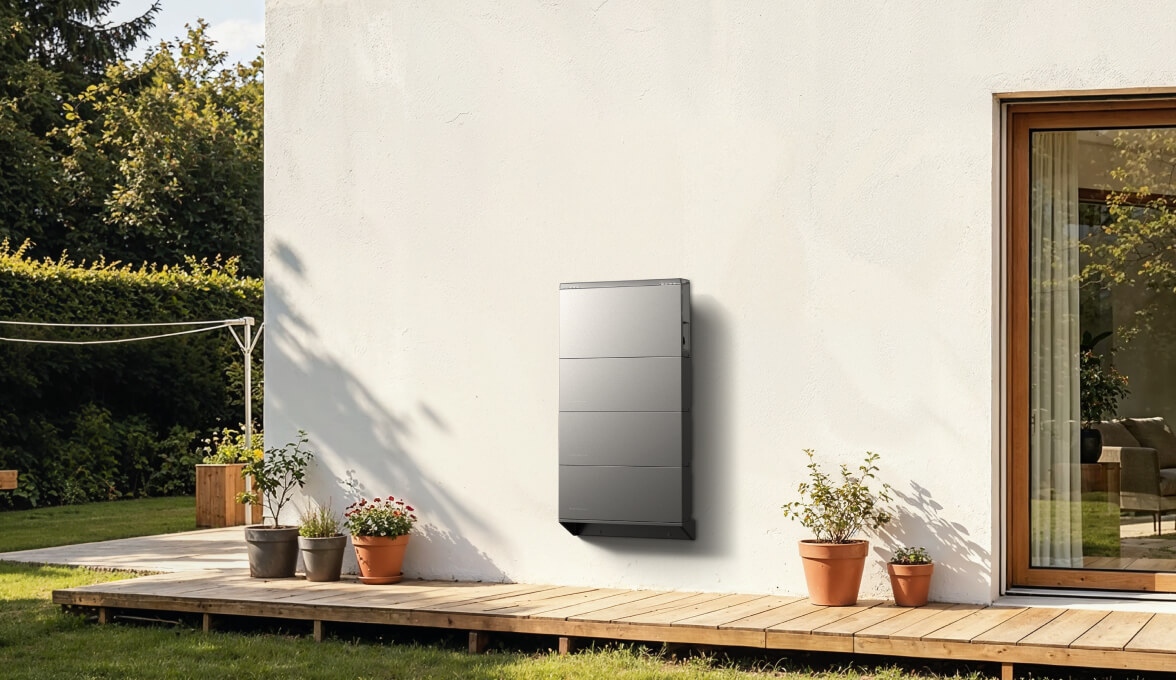
OCEAN 2 Plus Single-Phase for Household Energy Storage
So when a power outage blackout occurs, the actual effect on a home depends on which systems and devices require power the most. If a property has solar generation or varying electricity requirements, battery storage can be a part of a broader solution to capture electricity for future use.
EcoFlow OCEAN 2 Plus Single-Phase is an expandable residential battery storage system for solar energy storage and home energy planning. It can be used to store excess solar power and increase flexibility in its use if specified for an appropriate installation.
If backup power is required for the whole home, the ultimate setup should always be evaluated by a qualified power installation technician. Backup options will depend on the electrical design, chosen circuits, home loads, and overall installation setup.
EcoFlow Intelligent HEMS for Smarter Energy Management
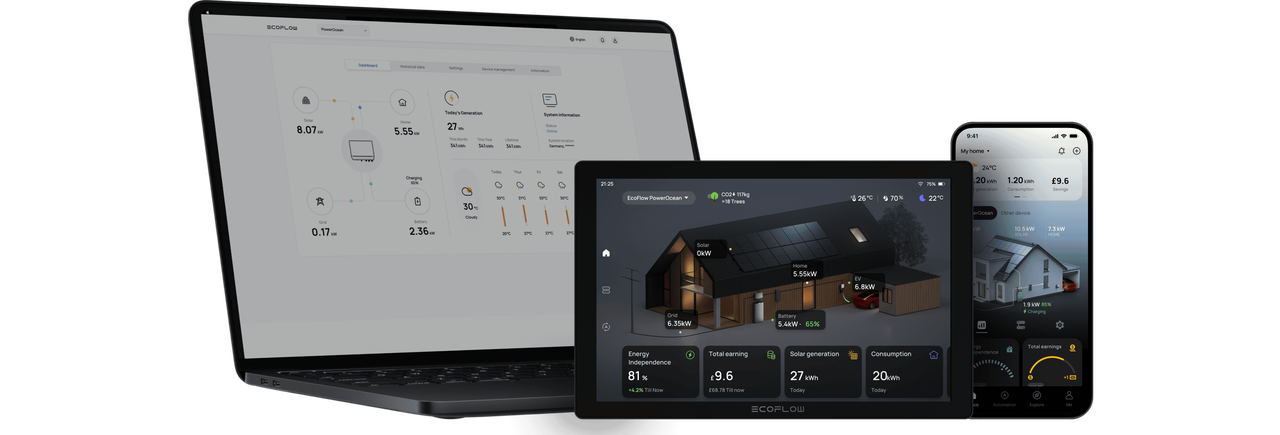
Household battery storage becomes more valuable when they become aware of when electricity is produced, consumed, and stored for later use. Following a UK power blackouts warning, or even a local outage, this visibility can also enable homeowners to look back at their energy system and determine which loads are most important in the home.
EcoFlow Intelligent HEMS ensures whole-home energy management by monitoring, scheduling, and coordinating energy devices. It can help to make solar generation, battery use, and household electricity consumption more transparent, so homeowners can make more informed decisions about their daily consumption.
Energy management is the coordination layer in a more integrated energy system comprising generation, storage, and household demand. It is not a source of stored electricity, but it can help households to use available electricity more consciously over time.
Conclusion
A UK power blackouts warning is not an invitation to expect a national or widespread outage, but a sensible warning to be ready. While most power outages are confined to a particular area, knowing the common causes, listening to authorities, and having some basic emergency supplies on hand will help households stay safe and comfortable during a power outage.
For those who want to think in the longer term, products like EcoFlow OCEAN 2 Plus Single-Phase can support a broader approach to home energy storage, and EcoFlow Intelligent HEMS can help homeowners monitor and coordinate their electricity use. They can work together as part of a more flexible home energy strategy if designed around the home's needs.
Thoughtful, long-term energy use, paired with emergency planning, can help households be better prepared for local outages and evolving electricity needs.
FAQs
How long can a power blackout last in the UK?
The duration of a power blackout in the UK will vary on a case-by-case basis, depending on the reason for the outage, the extent of the area, and the speed at which network operators can safely restore the power supply. The duration of the issue to be resolved depends on the type of local fault involved (several hours) or, in the case of weather damage or more complicated infrastructure repair, longer.
Households should avoid relying on a fixed timeframe. It’s more helpful to have the essentials, charged devices and contact information on hand than to assume the outage will be the same each time.
What should be included in a home emergency power outage kit?
A home power outage blackout kit should provide the family with the necessary light, communication, food, warmth, and other essentials without electricity. Store in an easy-to-reach location for instant use in case of a disruption.
Useful items include:
Torches, spare batteries, and a battery-powered or wind-up radio.
Charged power banks, essential medication, and written emergency contact numbers.
Bottled water, ready-to-eat food, blankets, and basic first-aid supplies.
Check the kit regularly to ensure batteries, medication and food supplies are still good.
Can severe weather cause widespread power blackouts?
Yes, powerlines, substations, and other electrical infrastructure may be affected by high winds, flooding, snow, lightning, and falling trees, resulting in power outages in the affected area or across the electrical grid.
The extent of the damage depends on the extent of infrastructure damage and on accessibility for repair crews. While severe weather doesn't necessarily cause a widespread outage, it is one of the biggest causes of local service disruptions.
How does the National Grid respond to electricity shortages?
To minimise the risk of blackout power, electricity system operators continually track supply and demand. They rely on forecasts, reserve capacity, balancing services, generation sources and network coordination to help keep the electricity supply stable.
During more stringent periods, operators can also make adjustments to obtain additional resources or ease the strain on the system. Wherever possible, these are intended to prevent local problems or supply shortages from escalating into broader problems.
Can home battery storage help during power disruptions?
With proper backup design and electrical setup, a home battery storage system can power a home during a power outage. The amount of support provided by the battery depends on the battery size, the loads connected to the backup system, the house loads, and the installation design.
Homeowners should talk to a qualified battery installer about the following before they rely on a battery to support an outage:
Which circuits or appliances does the system support?
How long can stored electricity last under realistic household loads?
Whether the system is configured for whole-home or essential-load backup.
Battery storage should complement emergency planning rather than replace it.
How can households monitor and manage energy use more effectively?
Households can better make decisions when they become aware of electricity generation, consumption, and storage. Monitoring tools can be used to determine when most energy is used, how much energy the sun generates, and whether there is an opportunity to schedule appliances more optimally.
With a more integrated setup, EcoFlow Intelligent HEMS can manage monitoring, scheduling, solar generation, battery usage, and home consumption. This allows homeowners to develop a better understanding of their day-to-day energy consumption, while also assisting with longer term household energy planning.

