
Super El Niño 2026: How Could It Affect Britain This Winter?
El Niño can shape UK winter weather, though the link is rarely clear-cut. Much depends on the North Atlantic and that could mean spells of heavy rain, strong winds or colder snaps through winter 2026–2027. This guide covers what current El Niño forecasts could mean for the UK, how winter conditions might play out day to day, and how households can get ready for whatever the weather throws at them.
Key Takeaways
A split season. Strong El Niño events may increase the likelihood of milder, wetter conditions in early winter and colder spells later in the season, although UK weather patterns vary considerably from year to year.
More flood and storm risk. A southward-shifted jet stream tends to steer active low-pressure systems across Britain, bringing heavy rain, river flooding and gale-force winds.
Day-to-day impact. Expect slower rail and motorway journeys, and heating bills that swing as outdoor temperatures jump around.
Getting your home ready. Clear guttering, tie down garden furniture, keep an eye on Met Office warnings and line up reliable backup power — all useful if a local grid outage hits.
What Do We Know About the 2026 Super El Niño?
El Niño develops when ocean temperatures in the tropical Pacific rise above normal. Here’s what that means and what forecasters are watching for 2026–2027.
How El Niño Conditions Develop
Trade winds over the equatorial Pacific usually blow from east to west, pushing sun-warmed surface water towards Australasia and drawing up cold, nutrient-rich water off South America. During an El Niño event, these prevailing winds weaken substantially or even reverse. Consequently, warm water surges back towards central and eastern Pacific basins, altering high-altitude atmospheric pressure patterns worldwide.
Pacific Sea Surface Temperature Anomalies
When climate scientists use the term “Super El Niño”, they refer to sea surface temperatures climbing at least 2.0°C above the long-term seasonal average in the crucial Niño 3.4 region. A strong El Niño is typically associated with unusually warm sea surface temperatures in the central and eastern tropical Pacific. Whether the 2026–2027 event reaches exceptional strength will depend on how ocean and atmospheric conditions develop over the coming months.
Forecasts for El Niño Strength in 2026–2027
International climate models—including outputs from the ECMWF (European Centre for Medium-Range Weather Forecasts) and NOAA—suggest this warming trend will peak between late autumn 2026 and early 2027. While it mirrors powerhouse historical events like 1997–98 and 2015–16, each El Niño interacts uniquely with local factors like North Atlantic sea temperatures, meaning exact outcomes never replicate identically.

How Could Super El Niño Affect UK Weather This Winter?
El Niño can influence UK winter weather, although the effects vary from year to year. Here are the main patterns worth watching.
Potential for Milder or Colder Winter Temperatures
UK winters during El Niño events can vary considerably. Early winter often feels remarkably mild as dominant south-westerly winds pull warm, moisture-laden air across the British Isles. Come January and February, however, historical data links strong events with a higher probability of high-pressure blocking over Scandinavia, allowing biting easterly winds to plunge across the UK.
Heavy Rainfall and Increased Flood Risk
Low-pressure systems swept in by a southward-shifted jet stream tend to drop prolonged spells of rain over already sodden ground. Communities situated near the Severn, the Trent, or low-lying valleys in Yorkshire and Somerset often bear the brunt, as saturated soil struggles to absorb relentless autumn and early winter deluges.
Strong Winds and Winter Storm Disruption
Deep Atlantic depressions regularly generate named winter storms capable of delivering 60 to 75 mph coastal and inland gusts. Alongside flying debris, high winds routinely bring down tree limbs onto overhead powerlines and cause widespread disruption across rural and suburban infrastructure.
Snowfall, Frost and Short Cold Spells
Snow is by no means guaranteed, but the chance of crisp, sub-zero spells increases markedly if high-pressure blocking establishes itself in late winter. Cold easterly winds can bring snow and icy conditions, particularly to eastern and higher-altitude areas.
Which Parts of the UK Could Be Most Affected?
The effects of winter weather vary considerably across the UK. Western areas generally receive more Atlantic rainfall, while northern and higher-altitude regions are more exposed to snow and freezing conditions. Coastal communities can also face stronger winds during Atlantic storms.
| UK Region | Main Winter Weather Concerns | Potential Local Impacts |
|---|---|---|
| Scotland | Snow, ice and strong winds | Highland road closures, ferry disruption and rural power cuts |
| Northern England | Heavy rain and river flooding | Flooding in vulnerable areas of Yorkshire, Lancashire and Cumbria |
| Wales | Persistent rainfall and coastal winds | Surface water flooding and disruption to exposed roads |
| Midlands | River flooding, frost and occasional snow | Travel delays and flooding near the Severn and Trent |
| Southern England | Heavy rain, strong winds and occasional cold spells | Local flooding, rail delays and coastal disruption |
| Northern Ireland | Atlantic storms and heavy rainfall | Ferry cancellations, fallen trees and local outages |
These are typical regional winter vulnerabilities rather than confirmed forecasts for 2026–2027. The areas most affected will depend on where individual weather systems develop and move.

How Could Super El Niño Affect Daily Life in the UK?
Heavy rain, strong winds and cold spells can affect travel, heating costs and everyday routines across the UK.
Disruptions to Travel and Transport
Heavy rain, ice and strong winds can disrupt travel across the UK. Fallen leaves turned to mulch, coupled with standing surface water, regularly cause signalling failures and speed restrictions across National Rail networks. On the roads, spray from lorries on the M1 or M6 turns driving hazardous, while coastal ferry crossings frequently face cancellations when Atlantic swells turn rough.
Flooding, Property Damage and Local Disruption
A wet winter causes more than delayed trains and flooded roads. In low-lying spots along rivers like the Severn, Trent and Ouse, soaked ground and rising water raise the flood risk, especially when one weather system follows hard on another. For homeowners, that can mean water creeping into ground-floor rooms, garages or cellars, while blocked drains let surface water pool around the property. Flooding also puts local schools, businesses and essential services out of action.
If you live somewhere flood-prone, check your risk before winter. Then take a few simple steps: move valuables upstairs, lift electrical equipment off the floor and keep important documents in waterproof storage.
Changes in Home Heating and Energy Demand
During colder spells, households using electric heating may see their electricity consumption rise. For homeowners weighing up a heating upgrade, heat pump cost is another factor to consider alongside seasonal changes in electricity demand.
Heating is only one part of a home’s winter electricity demand. Solar generation, household appliances and stored energy all influence how much electricity a property draws from the grid. A connected home energy ecosystem brings compatible devices and energy information together, offering a broader view of how different parts of the household energy setup work alongside one another.
For UK households using heat pumps or electric heating, winter can bring noticeable changes in electricity consumption. A home energy monitoring system such as the EcoFlow PowerInsight 2 can help homeowners track electricity use, solar generation and grid imports when connected to compatible equipment. This makes it easier to identify high-consumption periods, review heating schedules and understand how household energy demand changes during colder weather.
How Can UK Households Prepare for Potential Weather Disruption?
A few checks before winter can help reduce disruption from storms, flooding and power cuts.
Follow Met Office Forecasts and Warnings
Check your local forecast daily, and get the Met Office app on your phone. Know what the yellow, amber and red warnings mean for wind, rain and ice — that way you can move that road trip or tie down anything loose in the garden before it hits. For flood risk closer to home, use the official flood information service for your part of the UK:
England: Check flood warnings and your property’s long-term flood risk through GOV.UK.
Scotland: Use SEPA Floodline for flood alerts and warnings.
Wales: Check Natural Resources Wales for local flood warnings and risk maps.Northern Ireland: Follow official flood information from nidirect and relevant local authorities.
It’s also worth signing up for available flood alerts if your home is in a vulnerable area. For electricity emergencies, call 105 to contact the relevant electricity network operator in Great Britain. If flooding creates an immediate danger to life, call 999.
Protect Homes Against Flooding and Storms
Before the storms roll in, clear your gutters and downpipes so water can’t do damage. Check fences and gates for anything loose, and tie down garden furniture, bins and trampolines. If you’re in a flood-prone spot, check your drainage valves and keep sandbags or flood barriers to hand, they’ll cut the odds of water getting in.
Prepare for Power Cuts and Backup Power Needs
Before choosing a backup power system, work out which appliances need to keep running during an outage. The household’s usual electricity consumption provides a starting point, but how many kWh does a house use is only part of the calculation: backup requirements also depend on which appliances stay on and for how long. A broadband router and a few LED lights use relatively little electricity, while electric heaters, kettles and heat pumps require considerably more power.
Storm damage can sometimes leave households without electricity just when lighting, refrigeration and communications matter most. For homes with rooftop solar panels, solar battery storage can retain surplus daytime generation for use later in the day. However, the system must support backup operation to supply electricity during a grid outage.
The table below shows an example of how much energy common household essentials might use over eight hours.
| Essential Appliance | Typical Power Draw | Energy Needed for 8 Hours |
|---|---|---|
| Broadband router | 10–20 W | 0.08–0.16 kWh |
| LED lighting | 20–40 W | 0.16–0.32 kWh |
| Refrigerator | 30–80 W average | 0.24–0.64 kWh |
| Heating controls | 5–20 W | 0.04–0.16 kWh |
| Estimated total | 65–170 W | 0.52–1.36 kWh |
These figures are illustrative. Actual consumption depends on appliance efficiency, operating cycles and usage patterns. Battery conversion losses also need to be considered, while powering heating controls alone may not keep the complete heating system operational.
For households considering longer-duration backup, a well-configured home battery can carry selected essential circuits through a local power cut.
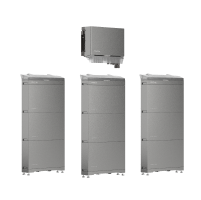
The EcoFlow OCEAN 2 Plus Single Phase is a home battery you can size around your household’s needs. With a compatible backup setup, stored energy keeps chosen circuits running during an outage, lighting, refrigeration and broadband. How long it lasts, and what it can carry, depends on the system you install and the loads you connect.
Schedule Your Free Consultation Today!
What kind of product or solution are you interested in?
Conclusion
El Niño could influence Britain’s weather during winter 2026–2027, but it doesn’t guarantee a particularly wet, stormy or cold season. Local conditions and North Atlantic weather patterns will still play a major role. For UK households, the most useful approach is to follow Met Office updates, prepare for heavy rain and strong winds, and review essential power needs before winter disruption occurs.
FAQs
How long does El Niño usually last?
An El Niño event typically lasts between 9 and 12 months, usually developing through late spring or summer, peaking over the Northern Hemisphere winter, and gradually unwinding by the following spring.
What are the main differences between El Niño and La Niña?
El Niño is marked by unusually warm surface waters in the central and eastern tropical Pacific, plus weaker trade winds. La Niña is the mirror image: cooler-than-average Pacific water and stronger trade winds. Each sends opposite knock-on effects through the global atmosphere.
Why is it difficult to predict El Niño’s impact on the UK?
The UK is situated far from the tropical Pacific, meaning El Niño is only one of many drivers—alongside the North Atlantic Oscillation (NAO), Arctic sea ice coverage, and the polar vortex—competing to influence the jet stream.
How long will a solar battery last during a power outage?
A home solar battery typically powers essential household circuits for anywhere from several hours to a couple of days during an outage, depending entirely on its usable storage capacity (kWh) and your home’s active electricity load.
Could El Niño affect UK energy bills in winter?
Yes, because prolonged cold spells increase the volume of gas and electricity required to heat domestic properties, whilst storm disruptions can drive localized supply spikes across the wider energy network.

