
Do Solar Shingles Work in UK Winters? Costs, Performance, and Practical Limits
One of the major factors British homeowners going solar often worry about is the visual impact of rooftop panels. Solar shingles help solve this challenge by converting the roof itself into a power station. However, they come at a price in the form of steep bills, lower output in low light, and planning permissions that may drag on for months.
This guide looks at:
What solar shingles are
How much solar shingles cost UK homeowners
Photovoltaic shingles vs solar panels comparison
How to manage challenges of solar shingles UK installations
How to optimize solar shingles performance using modern energy solutions
What Are Solar Shingles?
Solar shingles are two-in-one building materials: they protect your home from wind and rain while generating electricity through photovoltaic cells embedded in the tile. There is no separate roof and no separate power system. It’s just one surface performing both jobs.
The major difference between traditional panels and solar shingles is in the installation method. For traditional panels, you mount them on top of existing tiles using bulky racking, and they sit several inches above the roofline. Solar shingles, on the other hand, sit flush and blend directly into roofing materials like slate or concrete, replacing the tile instead of sitting on top of it.
Most premium solar shingle products use monocrystalline cells—the same high-purity silicon found in top-tier panels—protected by tempered glass. That glass is what lets manufacturers rate these tiles for foot traffic and the wind-driven hail that regularly batters UK roofs.
The Real-World Solar Shingles Cost UK Homeowners Face
The average solar shingles cost for a full UK installation ranges between £12,000 and £ 22,000 for a standard 3kW to 4.5kW system. Let’s break down this figure and provide how much your solar shingles installation can cost you.
Beyond the Materials: The Massive Labour and Structural Cost Setup
Traditional solar panel installation is a two-person job and can be completed within a day. Solar shingle fitting requires a specialist roofing and electrical contractors working simultaneously. This is what makes the solar shingle cost be two to three times higher than equivalent panel systems.
Note: Installation prices shift based on material costs, labour rates, and contractor demand. Always check current quotes from MCS-certified installers—comparison sites like Checkatrade or MyJobQuote—before budgeting for your own project.
What Happens When a Single Tile Fails?
With a panel array, a faulty unit is simple to isolate, unclip, and swap, usually within the hour. A failed solar shingle is different. Each tile wires into a continuous run and seals into the roof's waterproofing layer, so diagnosing one dead solar shingle can mean lifting several neighbouring tiles just to reach it. This is not a weekend fix and requires a specialist and it adds to the lifetime cost most buyers don't anticipate.
Calculating the True ROI Timeline Under UK Weather Patterns
Payback periods for solar panels in the UK typically run 9 to 11 years on a well-positioned roof. Solar shingles, carrying a higher solar shingle cost and lower per-tile efficiency, push that timeline further out—often well into the second decade. Add the UK's run of dull, overcast winter days, and the solar shingles generation gap widens further.
Photovoltaic Shingles vs Solar Panels: The Hidden Performance Gap
Many homeowners usually look at the photovoltaic shingles vs solar panels before making their purchase.
The Ventilation Problem That Quietly Saps Your Solar Efficiency
A detail that most sales material skips is that standard panels sit on racking several centimetres above the roof deck. This allows cool air to flow underneath and this matters because photovoltaic cells lose efficiency of 0.3-0.5% output per degree above 25°C. The cool air helps prevent the photovoltaic cells from overheating and ensuring the solar panels perform at peak levels. Solar shingles sit flush against the deck with no airflow gap, so on a warm day, solar shingles run hotter than panels and quietly underperform their rated wattage.
Roof Pitch Constraints and the Battle for Optimal Sunlight Angles
Standard panel mounts are tilt-adjustable, letting installers angle them toward the sun's optimal trajectory regardless of roof pitch. Solar shingles have no such flexibility. They are fixed at whatever angle the roof happens to be built at. If your pitch isn't close to the ideal 30-40° south-facing angle, you're stuck with a generation penalty panels don't suffer from.
Total Energy Yield: Why Panels Still Win the Raw Generation Race
Total energy yield matters and is what determines the ROI of your solar shingles installation. Solar shingles have a 12-20% conversion efficiency. Monocrystalline panels on the other hand reach 20-25%. This gap means that solar shingles cover a considerable roof area to match a smaller panel array’s output. In solar shingles, coverage is priced per square meter which means the inefficiency compounds the price difference. Photovoltaic shingles vs solar panels pound for pound comparison, panels produce more electricity per unit spent.
Navigating the Unique Hurdles of Solar Shingles UK Installations
Cost and efficiency aside, solar shingles UK buyers run into a separate category of friction: bureaucracy and the British climate.
Dealing With Local Planning Boards and Conservation Area Restrictions
Solar installations in the UK are under permitted development rights. However, this exemption can be a headache in conservation areas and on listed buildings. Planning officers usually receive solar shingles installations better than solar panels because they don’t disrupt the roofline. But this also doesn’t mean you won’t face any challenges. In fact, expect consultation delays, design revisions, and the occasional rejection before approval comes through.
The Winter Deficit: Managing the Steep Drop in Seasonal Generation
No roofing material changes the fact that the UK gets roughly eight hours of weak daylight in December versus sixteen-plus hours of strong daylight in June. Generation from any photovoltaic surface, shingle or panel, drops sharply through winter, often to a fraction of summer output. This is the truth pure-generation marketing tends to bury: solar shingles UK buyers who rest their entire energy strategy on roofing material alone are exposed every winter, especially during outages when backup power matters most.
Note: Always check the Ofgem website for up-to-date figures about UK energy bills and price caps because electricity costs, tariff structures, and seasonal generation averages are ever changing. This will help ensure you make financial decisions about projected savings based on real data.
How to Optimise Your Solar Shingles vs Solar Panels Decision With Resilient Backup
The real lesson in this solar shingles vs solar panels debate isn't about which roofing material looks nicer. It's recognising that generation and storage are separate problems—and no roofing choice, however premium, solves the second one alone.
Eliminating Grid Reliance With High-Capacity Whole-Home Battery Storage
Pairing any solar setup—shingles or panels—with a serious home battery system is what closes the gap between low generation hours and real household demand. Without storage, every kilowatt your roof generates at noon is wasted unless you're using it that exact moment.
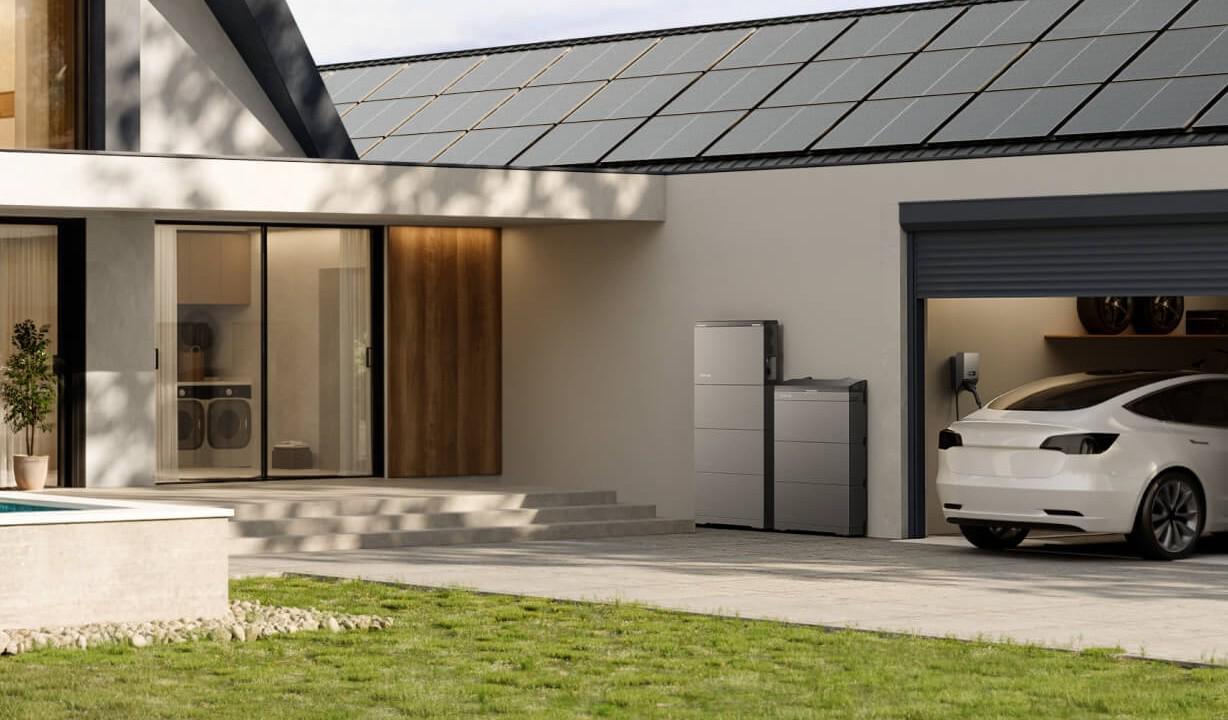
A system like the EcoFlow OCEAN 2 Plus Single-Phase is designed to address this gap. This home energy ecosystem is a true whole-home backup that bridges the generation gap instantly. With this system, you can capture and store excess solar power and use it later when energy price caps are at peak during evening hours. The system has three independent MPPTs for handling complex, multi-orientational rooftops, maximizing every ounce of daily PV input.
Optimising Real-Time Consumption and Efficiency With Smart Monitor
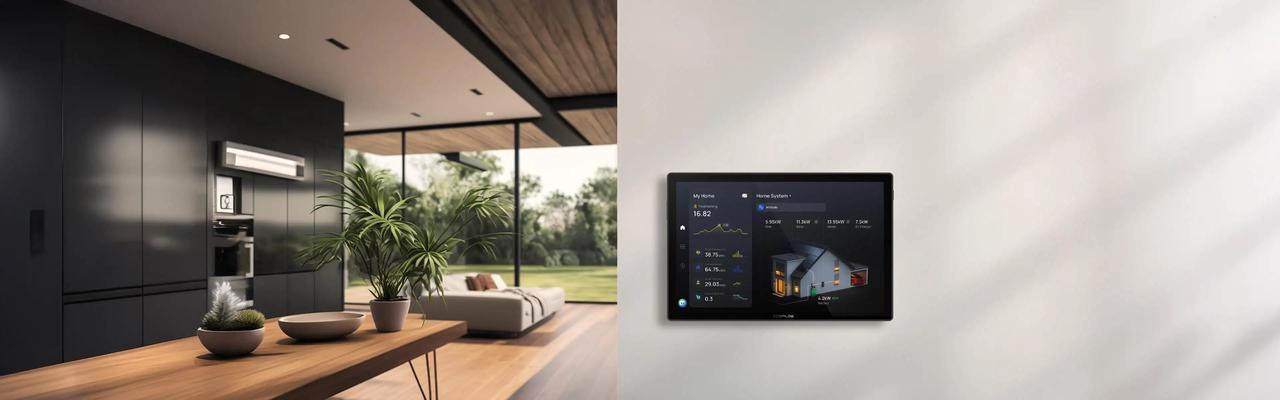
Generation and storage only get you halfway—you still need visibility into where every watt goes. The EcoFlow PowerInsight 2 Monitor fills that gap with an 11-inch real-time display showing solar input, battery levels, and household consumption at a glance. It's a small addition, but knowing exactly when you're drawing from stored solar versus the grid turns a good energy setup into a genuinely optimised one.
Secure Your Home Energy Independence With a Smart Solar Shingles Strategy
The appeal of solar shingles is real, there's no denying the clean, integrated look they bring to a roofline panels can't match. But the data tells a more complicated story: higher solar shingles cost, lower per-square-metre efficiency, fixed pitch limitations, and the same harsh UK winter drop-off affecting every photovoltaic surface. Whether you choose solar shingles or conventional panels, the roofing decision is only half the equation. The other half is what happens to the electricity once it's generated. That's the gap EcoFlow exists to close.
EcoFlow provides modern solutions, including home battery storage systems, home energy ecosystems, and home energy management systems that help bridge the gap between power generation and consumption in your household. We provide UK homeowners with reliable and future-proof infrastructure for eliminating grid reliance, dealing with fluctuating energy price caps, and keeping lights on through the deepest winter drop-offs. Explore our range of products today and start your journey towards taking control of your home’s power consumption.
Frequently Asked Questions
Do solar shingles require a complete roof replacement to install?
Yes. Unlike traditional solar panels that mount to brackets on top of your existing roof tiles, solar shingles are the roofing material itself. They need to be integrated directly into a new or fully stripped roof deck, which is why their overall cost tracks so closely with the cost of a full roof replacement.
How do solar shingle costs compare directly to standard solar panel setups in the UK?
On average, a complete solar shingle system costs two to three times more than a premium solar panel installation of equivalent capacity. That premium comes down to the complex wiring required across hundreds of individual tiles, plus specialist labour rates for combined roofing-and-electrical work, a core reason photovoltaic shingles vs solar panels comparisons so often favour panels on price alone.
Can solar shingles handle heavy British rain, wind, and frost?
Yes, modern solar shingles are built as durable roofing components in their own right, often carrying strong wind and impact resistance ratings. That said, performance can still take a hit from debris build-up, algae growth, or snow cover, all of which are far harder to clear from flush roof tiles than from a tilted, easily accessible panel rack.

