
Solar Powered Garden Light Battery Life: Tips and Solutions
Solar garden lights are a popular choice to help enhance outdoor areas while conserving electricity. They are designed to offer daytime energy storage for nighttime lighting. They can be used to illuminate pathways, patios and gardens in a convenient way, since they automatically light up after dark. But that's not always the case, and many homeowners will end up realizing that their solar powered garden light battery life can be reduced with time, depending on the lighting conditions outdoors.
The lifespan of batteries can differ from location to location and between different batteries, weather conditions, and maintenance practices. When considering solar garden lights batteries, it is important to be aware of what factors may impact the battery's lifespan, as it can help you optimize the performance of your outdoor lighting system and prevent common issues that can diminish efficiency. Homeowners can also install backup power solutions to overcome this solar garden power issue.
How long do solar powered garden light batteries last?
The lifespan of most rechargeable batteries found in solar garden lights is anywhere from one to three years, but this is dependent on the quality of the battery, outdoor conditions, and frequency of charging. If maintained properly, a few higher quality systems may maintain efficiency for a longer period.
Several factors determine the solar powered garden light battery life:
Daily sunlight exposure
Seasonal weather conditions
The type and quality of the batteries.
Charging cycle frequency
Outdoor moisture exposure
In the UK, reduced daylight hours and sun intensity during the winter months could also impact charging performance and runtime at night.
What affects solar powered garden lights' battery life?
The charging and operating efficiency of solar garden lights may vary throughout the year depending on a number of environmental and technical conditions. Knowing about these conditions can help homeowners maximize the performance of their lights and minimize unnecessary battery wear.
Sunlight exposure and charging conditions
One of the most significant factors that influence the battery life of a solar powered garden light is the direct sunlight that they come under. Solar panels should be exposed to proper amount of sunlight for a day to power the batteries fully, and shaded areas can substantially affect the charging process.
Charging performance can be degraded by trees, fences, walls and poor panel orientation. In addition, when it is cloudy or during the shorter days of winter, the lights may also be on for shorter periods of time in the evening because less sunlight is collected during the day.
Battery type and quality
The rechargeable batteries used in solar lights can significantly influence their longevity. Poorly made batteries have limited charging capacity and can become fully charged and then fail even after a few charging cycles or prolonged outdoor use.
Weather and seasonal changes
Outdoor lighting systems are continuously exposed to changing weather conditions throughout the year. The battery life of solar powered garden lights can vary over time depending on the amount of rain, freezing temperatures, moisture and prolonged heat.
Winter weather can be a particular challenge due to:
The hours of daylight gradually shorten
The efficiency of solar charging decreases.
The colder the temperature, the faster batteries lose their charge.
Protecting outdoor lights during extreme weather can affect battery life in the long run.
Usage patterns and brightness settings
Solar lights use more stored energy at different times based on brightness, motion sensors and how long they are on. Constant nighttime operation could lead to quicker battery life of lights than those operating at lower brightness or in motion-activated modes.
Better bright and runtime balance can help to increase the overall use life of rechargeable batteries and ensure proper outdoor lighting function.
Common reasons solar-powered garden lights battery life may be shorter than expected
Numerous homeowners observe that their outdoor solar lights do not work well after just a short time. Don't assume that the solar garden lights need to be replaced because the batteries used to power them are worn out, but rather because of poor installation or maintenance or exposure to the environment.
Poor solar panel positioning: One of the most common causes of battery life that is shorter than it should be for a solar powered garden light is the positioning of the solar panels. Panels that are not located in full sun or a shaded area will not be able to be charged fully all day long.
Dirt and debris blocking sunlight: Solar charging efficiency could be impacted by dirt, debris, pollen, leaves and bird droppings that cover outdoor solar panels over time. Partial shading implies that batteries will not receive as much energy during the day, which will lead to less performance at night.
Old or low-quality rechargeable batteries: With repeated charge and discharge cycles, rechargeable batteries will inevitably lose their storage capacity. The poor quality batteries could deteriorate faster, particularly if the outdoor environment changes depending on the season.
Water damage and outdoor exposure: Solar lights are exposed to the outdoors year-round, and can be vulnerable to water damage over time, degrading the interior electrical components and batteries. Long-term system reliability can be impacted by heavy rain, condensation, snow and freezing temperatures.
How to extend the battery life of solar garden lights
With proper maintenance and installation, solar powered garden lights battery life can be greatly enhanced, and outdoor lighting systems can be made to function more effectively throughout the year. Careful changes to cleanliness, positioning and battery maintenance can have significant impact on long-term performance.
Cleaning solar panels regularly
Clean solar panels are among the simplest ways to improve charging efficiency. Over time dust, pollen, leaves and dirt can slowly clog sunlight and diminish the amount of energy that reaches rechargeable batteries.
Homeowners should:
Gently use a soft cloth to clean panels.
Pick up leaves and weeds frequently
Do not use abrasive cleaning materials
Check panels following storms or heavy rain
Routine maintenance can help to optimize charging efficiency on a daily basis, particularly in the summer when the daytime is bright.
Optimizing placement for maximum sunlight
Solar lights work best if placed in places that can get several hours of direct sunlight a day. Placement changes throughout the year may help to balance seasonal changes in sunlight and shadows.
To improve charging rates:
Do not plant in shaded locations.
Place panels in open sun.
Assess the seasonal movement of shadow
Minimise obstructions as much as possible.
Better placement can increase the ability of rechargeable batteries to hold a charge.
Storing solar lights during extreme weather
Cold weather and multiple storms could have a negative effect on the batteries and extra strain on outdoor lighting systems. Extremely weather-sensitive parts can be protected from damage and lifespan extended by temporarily storing solar light in extreme weather.
It could be helpful for:
Decorative seasonal lighting
Lightweight garden lights
Older rechargeable battery systems
Areas with heavy snow or prolonged freezing temperatures
When conditions are extreme, outdoor lighting can benefit from protection and help prevent unnecessary wear, which helps to ensure long-lasting reliability.
Smarter energy solutions for outdoor lighting
The use of outdoor solar lighting is now growing in gardens, pathways, patios, and landscape designs; and homeowners are increasingly aware of how energy is stored and utilized at a larger, more comprehensive household level. Although individual solar lights provide their own illumination, improvements in solar energy efficiency and backup support will make outdoor lighting systems more reliable in all weather conditions.
Energy planning at the residential level is also increasingly important, with the increasing integration of solar energy generation, battery storage, outdoor energy systems and intelligent energy management into a connected home energy system.
Improving solar energy storage efficiency and backup power for gardens and outdoor spaces
Efficient solar charging and battery storage can significantly influence the performance of outdoor lighting systems. Solar garden lights may not perform as well at night during periods of reduced sunlight or winter weather, or when the lighting is cloudy for extended periods, because less energy will be stored in the rechargeable batteries during the day.
Solar energy efficiency for outside areas can be improved by:
Optimises placement of panels in direct sunlight
Minimising shade from trees and/or buildings
Cleaning solar panels to keep them working efficiently.
Employing home energy backup solutions.
enhancing overall coordination of energy use at the household level
You can also install a solar battery system as part of a larger home solar and battery setup to better support outdoor electrical systems during less stable conditions or higher electricity usage.
Integrating outdoor lighting into broader home energy systems
Outdoor lighting is becoming an integral component of the residential energy system, not a stand-alone system, as more homes are generating electricity from solar power, storing energy in batteries, charging their vehicles, and managing energy use and costs with smart systems.
Modern home energy planning can assist the homeowner to:
improve solar self-consumption
Reduce (optimise) electricity consumption within the home.
manage outdoor and indoor energy use
This helps minimize the need for extra gridwork.
increase energy flexibility in the long-term
If there's an interest in making a more comprehensive home energy efficiency, then outdoor lighting efficiency, of course, can be incorporated as a component of the overall home energy upgrade strategy.
Home energy storage with EcoFlow OCEAN 2 Plus Single-Phase
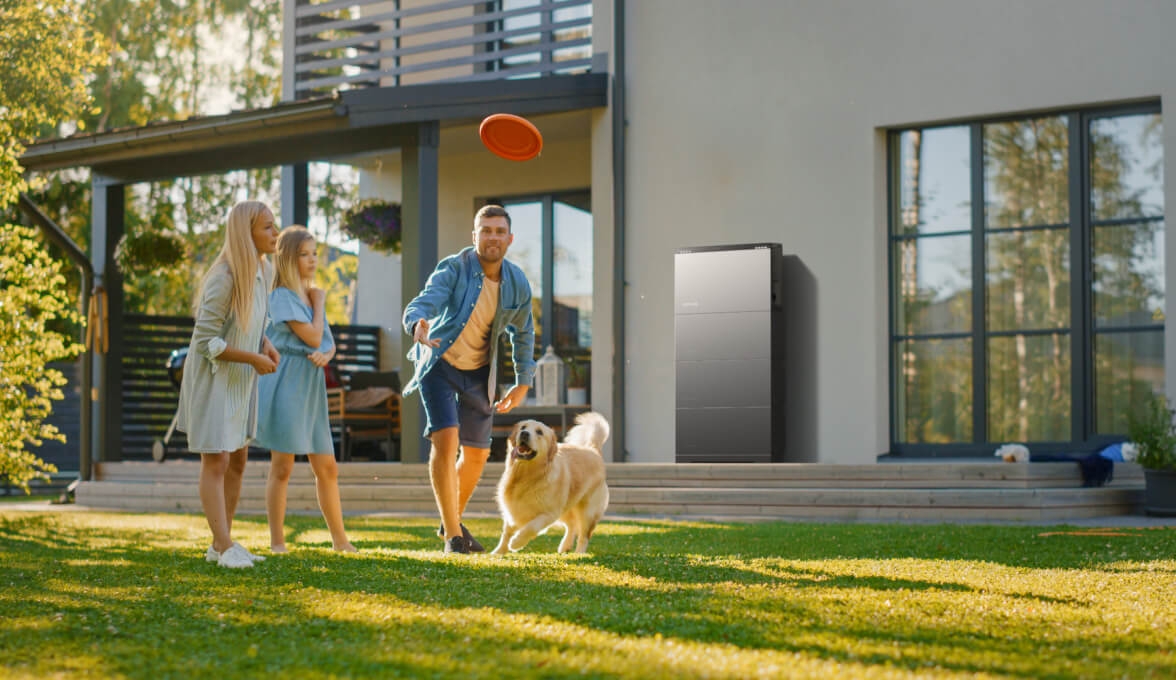
Residential battery systems are increasingly enabling homeowners to use solar power not just for their appliances but for their overall home. EcoFlow OCEAN 2 Plus Single-Phase is a plug-and-play, multi-functional home energy storage solution that combines solar power generation, household backup power and intelligent energy management in one system. The system enables seamless switchover to backup power in the whole house without any delay and enables the household to store surplus solar power for future use.
It also features:
3 separate MPPTs for better solar production efficiency
whole-home backup feature built-in
expandable storage capacity
intelligent HEMS optimization
outdoor-ready IP66 protection
Integrated solar storage has the potential to enhance the overall flexibility and long-term efficiency of a household's grid energy use when the household manages the energy use of its outdoor lighting, garden systems, and other household energy demands.
Real-time home energy insights with EcoFlow PowerInsight 2 Monitor
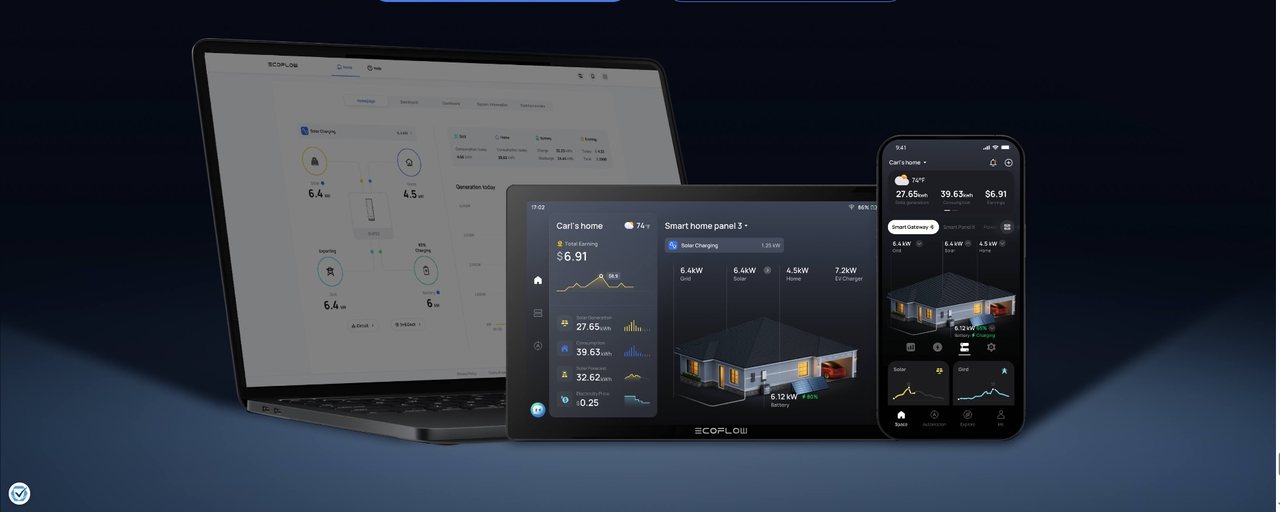
As people install more solar-powered items, battery storage and networked electrical appliances in their homes, smarter energy monitoring is becoming more critical. The main function of EcoFlow PowerInsight 2 Monitor is to offer real-time data on home energy consumption to help users gain insight into the consumption, storage, and generation of energy in various parts of the home energy ecosystem.
Help households by utilizing real-time monitoring to:
Monitor the performance of solar generation
Track the use of electricity within the home
Study the charging and discharging behaviour of batteries
Improve energy-saving decisions
Maximize the use of solar energy for own consumption
A better understanding of how energy is consumed in the home can help homeowners make better-informed decisions about energy management and how to plan for their energy use over time for those who invest in renewable energy systems or outdoor solar lighting.
Common mistakes people make with solar garden lights
Most outdoor lighting problems are not caused by solar lights but by a number of installation, maintenance, and performance factors that must be taken into account. These are some of the mistakes you can avoid to ensure that you get a longer solar garden light battery life and more consistent night lighting quality throughout the year.
Installing lights in shaded areas Solar panels need to be exposed to direct sun to recharge effectively. Lighting under trees, roof overhangs, or heavily-shaded garden areas can dramatically impact the charging performance and can reduce nighttime runtime.
Ignoring battery replacement schedules There are natural factors that affect rechargeable battery efficiency over time. This may cause a decrease in the total battery life of solar powered garden lights and erratic lighting if many homeowners are continuing to use batteries that they know are no longer performing at their peak.
Leaving panels dirty for long periods Over time, dust, leaves, pollen, and debris can block sunlight from reaching solar panels. The dirty panels will result in poor charging efficiency and can even lead to poor lighting in the night.
Using mismatched replacement batteries Charging stability and system performance may be impacted by installing incompatible rechargeable batteries. For reliable operation, it is important that the correct type and capacity of battery are matched.
Expecting winter performance equal to summer conditions The performance of solar lights is usually not the same during winter, due to less hours of daylight and less intensity of sunlight. Solar light systems that operate in the outdoor service are typical in reducing their performance during winter time in the UK.
Conclusion
Solar lighting is a stylish and efficient lighting solution for outdoor areas like gardens, walkways, and patios. The lifespan of solar powered garden light batteries, however, is influenced by several key factors, such as the amount of sunshine received, the quality of the batteries, seasonal weather patterns and regular upkeep.
Basic maintenance of solar panels, proper placement of rechargeable batteries, and positioning the lights appropriately for sunlight can have a great impact on the lighting performance when used outdoors. Outside lighting is increasingly part of a home's eco-friendly energy plan and efficiency measures as more homes are making an investment in their solar generation and battery storage capabilities.
Installing outdoor solar-powered lighting and applying proper maintenance along with more energy-efficient usage can help homeowners to make their outdoor lighting system more reliable, efficient and long-lasting year-round.
Schedule Your Free Consultation Today!
What kind of product or solution are you interested in?


FAQs
How long should solar garden light batteries last?
The lifespan of the rechargeable batteries in solar powered garden lights can range from one to three years, depending on the quality of the batteries, weather conditions, and charging conditions. With proper maintenance, the lifespan of solar garden lights' batteries can be extended significantly.
Why do my solar lights stop working at night?
The solar lights can stop working due to insufficient sunlight, dirt on the panels, old rechargeable batteries, or moisture damage. Additionally, shorter daylight hours in the winter may impact charging.
Do solar lights work in winter in the UK?
Yes, solar lights will still function in the UK winter, although they may not work as efficiently as in summer as daylight hours will be shorter and it will be cloudier. Run time may be reduced in colder seasons.
How can I improve solar light battery performance?
To prolong the battery life of solar powered garden lights, homeowners can do the following:
Solar panel cleaning frequently
Reducing shade exposure
Using backup energy storage systems to recharge batteries
choosing the best location for maximum sunlight exposure

