
Solar Panel Inverter UK: How It Works, Types, Costs & How to Choose
A solar panel inverter converts the DC electricity generated by solar panels into AC electricity that can be used by household appliances or exported to the grid. In the UK, a replacement string inverter typically costs around £500 to £1,500, while a hybrid inverter may cost around £1,000 to £2,500 before installation, depending on the model and power rating. This guide explains how solar inverters work, the main types available, typical UK costs, how to choose one, and the G98 and G99 rules you may need to consider.
Key Takeaways
What it does: converts DC electricity into AC electricity for household use, with surplus electricity potentially exported to the grid.
Main types: string inverters suit many simple, unshaded roofs. Microinverters and power optimisers can be useful for roofs with multiple orientations or partial shading. Hybrid inverters can combine solar generation with battery storage.
Grid rules: G98 requirements generally cover fully type-tested small-scale generation up to 16A per phase, equivalent to about 3.68kW on a typical single-phase supply. Larger or otherwise ineligible systems may need to follow the G99 process and obtain DNO approval before connection.
How long they last: solar panels can operate for 25 years or more, while many string and hybrid inverters have typical service lives of around 10 to 15 years.
What Is a Solar Panel Inverter and How Does It Work?
A solar inverter converts the DC electricity produced by solar panels into AC electricity that your home can use. Depending on the system design, it can also help manage solar generation and the flow of electricity between your panels, home, battery and the grid.
Solar Inverters Convert DC Into Household AC
Solar PV panels generate direct current (DC), while UK household electricity is supplied as alternating current (AC), typically at 230V and 50Hz. The inverter uses power electronic switching devices and control circuits to convert the DC input into AC output with the voltage, frequency and waveform required for connection to the home electrical system.
MPPT Technology Maximises Solar Power Generation
UK weather can change quickly, with solar irradiance varying as cloud cover and temperature change. Maximum Power Point Tracking (MPPT) is a control function that continually adjusts the operating voltage and current to keep the PV array near its maximum power point. By tracking the panel or string’s current-voltage characteristics, MPPT helps the system capture as much available solar power as conditions allow.
Inverters Manage Energy Between Home and Grid
Modern solar and hybrid systems can help manage power flows between the PV array, household loads, battery and grid. When solar generation exceeds household demand, surplus electricity may be used to charge a battery, power other connected loads or be exported to the grid, depending on the system configuration and energy-management settings. Eligible exported electricity may receive payments through the Smart Export Guarantee (SEG), subject to the scheme’s eligibility requirements. During periods when solar generation is insufficient, the home can draw electricity from the grid. A connected Home Energy Ecosystem brings these energy flows into one coordinated setup.
What Types of Solar Inverters Are Available?
The main types of solar inverter used in residential systems include string inverters, microinverters, hybrid inverters, power optimisers paired with string inverters, and off-grid inverters. Each has different characteristics and suits different solar system designs.
String Inverters Connect Multiple Solar Panels in Series
A string inverter connects multiple solar panels in series, with the resulting DC power fed to a central inverter. Because the system uses a single central inverter, string systems are often among the more cost-effective options for straightforward installations. However, partial shading can reduce the output of a string, depending on the system design and the inverter’s MPPT configuration.
Microinverters Convert Power From Individual Solar Panels
Rather than sending the DC output from multiple panels to a central inverter, microinverters are installed at or near individual solar panels. Each microinverter converts the DC output of its associated panel into AC, allowing panel-level power conversion and monitoring. If a chimney shades two panels, the remaining panels can continue operating without the same string-level shading losses, although their actual output will still depend on sunlight and system conditions.
Hybrid Inverters Connect Solar Panels and Batteries
A hybrid inverter combines solar and battery power-conversion functions in a single unit. It can manage solar generation, household consumption, charging for solar battery storage, and grid interaction, depending on the system configuration. In a DC-coupled system, solar power can be routed to the battery without first being converted to AC, which can reduce conversion losses compared with some AC-coupled configurations.
Power Optimisers Regulate Individual Solar Panel Output
Power optimisers are installed at or near individual panels, much like microinverters, but they do not normally convert DC to AC at the panel. Instead, they optimise the DC output at panel level before sending it to a central string inverter. This configuration can provide module-level monitoring and improve performance in some partially shaded or complex roof layouts while retaining a central inverter.
Off-Grid Inverters Power Standalone Solar Systems
Built for properties without a conventional mains electricity connection, such as remote workshops, canal narrowboats and rural cabins, off-grid inverters work as part of a standalone power system that may include solar panels, batteries and other generation sources. Many models provide surge capacity to handle short-term starting currents from loads such as pumps, refrigeration equipment and power tools.
How Much Does a Solar Inverter Cost in the UK?
A solar inverter typically costs around £500 to £2,500 in the UK before installation, depending on the inverter type, power rating, brand and system requirements. These are indicative hardware costs rather than fixed market prices. For the wider project budget, see our guide to install solar panels cost.
| Inverter Type | Indicative UK Hardware Cost | Typical Warranty | Best Suited For |
|---|---|---|---|
| String Inverter | £500 – £1,500 | 5 – 10 Years | Simple, relatively unshaded roofs |
| Microinverters (Full Set) | £1,200 – £2,400 | Often 20 – 25 years | Complex roofs, multiple orientations or partial shading |
| Hybrid Inverter | £1,000 – £2,500 | 5 – 10 Years | Homes with batteries or plans to add storage |
| Power Optimiser System | £900 – £1,800 | Varies by manufacturer | Roofs where panel-level optimisation is useful |
String Inverters Have Lower Upfront Costs
For a typical 3.5kW to 4kW UK home setup on a relatively unshaded roof, a string inverter may cost around £500 to £1,500 for the unit alone. They are generally simpler to install than systems with multiple panel-level inverters, which can make them a cost-effective option for straightforward residential installations.
Microinverters Cost More Per Panel
For a 10-panel array, a full set of microinverters may cost around £1,200 to £2,400 or more, depending on the manufacturer and system specification. The upfront hardware cost is typically higher than a central string inverter, but some microinverter manufacturers offer warranties of 20 to 25 years, which can reduce the likelihood of replacing the inverter during the expected service life of the PV system.
Hybrid Inverters Cost More Initially
A hybrid inverter may cost around £1,000 to £2,500 before installation, depending on its power rating, battery compatibility and features. It typically costs more upfront than a basic string inverter, but choosing a compatible hybrid model can simplify a future battery installation and may avoid the need for a separate battery inverter, depending on the system design.
Installation and System Size Affect Overall Spending
Replacing a standard inverter may add several hundred pounds in installation labour, provided the existing cabling, isolation equipment and installation location are suitable. Relocating the inverter, extending cable runs or upgrading associated electrical equipment can increase the total cost.
How Do You Choose a Solar Inverter?
Choose an inverter based on your solar array size, roof layout, shading, electrical setup and whether you plan to add battery storage now or later.
Match Inverter Size With Solar Capacity
In the UK, installers may size the inverter below the total peak rating of the solar array. This creates a DC-to-AC sizing ratio, with the appropriate ratio depending on the panel specification, roof orientation, shading, local conditions and inverter characteristics. For example, a 4kWp array paired with a 3.6kW inverter has a DC-to-AC ratio of about 1.11:1. Some systems are designed this way to make better use of the inverter across a wider range of real-world operating conditions, although excessive oversizing can increase clipping during periods of high solar output.
Consider Your Roof Orientation, Layout, and Shading
Dormer windows, nearby structures and overhanging trees can create shading that affects solar output. Likewise, homes with east-west roof orientations can have different generation profiles throughout the day. An inverter with multiple MPPT trackers can allow differently oriented strings to be managed separately, reducing the impact that one string’s operating conditions can have on another.
Check Battery Compatibility and Future Expansion Needs
When you’re picking an inverter, it’s worth checking whether it’ll be compatible with home battery storage, now or further down the line. Take the EcoFlow OCEAN 2 Plus Single-Phase: it works with a range of battery setups and lets you add capacity in modules, so it can suit households that want to upgrade in stages over a few years rather than all at once.
Compare Efficiency Ratings, Warranties and Features
Look for a European Weighted Efficiency (Euro Efficiency) rating of around 96% or higher, where available, and compare efficiency figures across similar inverter models. Warranties commonly range from 5 to 10 years, although some manufacturers offer longer standard warranties or paid extensions. Monitoring features such as Wi-Fi connectivity and a mobile app can also make it easier to check system performance and identify potential issues.
UK Installation Requirements, Maintenance, and Lifespan
Grid-connected solar inverters must comply with applicable UK grid connection requirements, while the installation location should provide suitable ventilation and environmental conditions for the equipment. Regular monitoring can also help identify faults or unusual performance before they significantly affect solar generation.
Understand UK Grid Connection Rules (G98 vs G99 & DNO Approval)
Grid connection requirements help ensure that distributed generation operates safely and complies with the technical requirements of the local distribution network:
Engineering Recommendation G98: Generally applies to fully type-tested small-scale generation up to 16A per phase. On a typical single-phase UK supply, this corresponds to about 3.68kW. Systems within the applicable G98 scope can normally be installed and commissioned before the DNO is notified, with notification generally required within 28 days.
Engineering Recommendation G99: Applies when a generation system falls outside the G98 scope, including systems above 16A per phase. The applicable G99 process requires the relevant DNO application and approval before the system is connected or commissioned, with the exact process and timescale depending on the system and network operator. Ask your installer which grid-connection records and mcs certificate documentation apply to your project.
Ensure Proper Ventilation and Temperature Control
Inverters generate heat during operation, and high ambient temperatures can reduce their operating performance or cause thermal derating on some models. Installing the inverter in a location that meets the manufacturer’s ventilation, temperature and clearance requirements can help maintain reliable operation. A garage or utility room may be suitable when its environmental conditions meet the inverter’s specifications.
Monitor Inverter Performance and Error Warnings
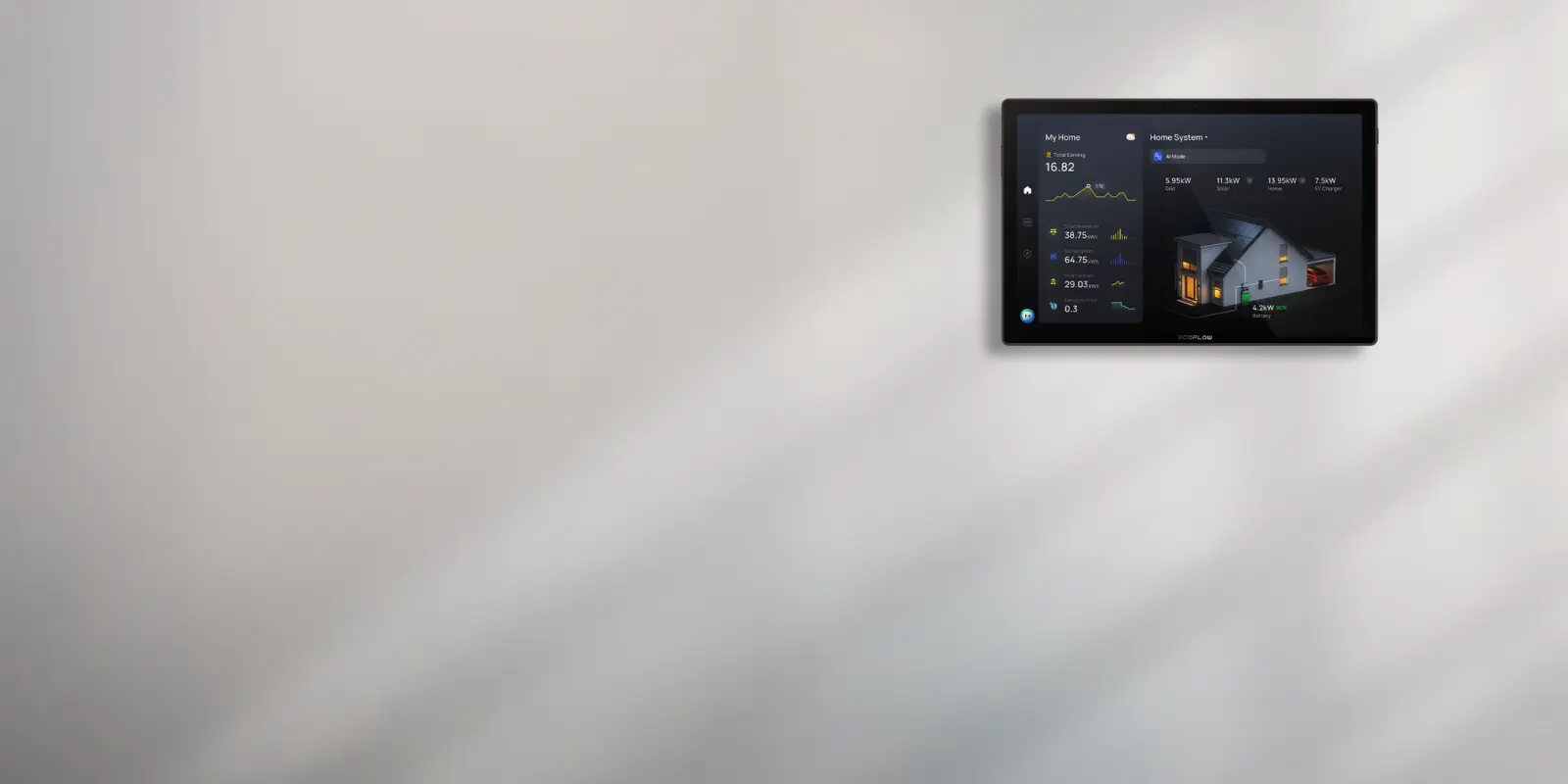
When an inverter develops a fault, unusual readings, error messages or changes in system performance may provide an early indication of a problem. The EcoFlow PowerInsight 2 brings energy-generation and system information onto one display, which can help households monitor performance and identify changes that may need further investigation.
Plan for Inverter Replacement After 10 to 15 Years
Many string and hybrid inverters have a typical service life of around 10 to 15 years, although actual lifespan varies by model, installation environment and operating conditions. Solar panels can often continue producing electricity for 25 years or more, so an inverter replacement may be needed during the lifetime of the PV system. Budgeting for a future replacement can help avoid an unexpected cost later.
Schedule Your Free Consultation Today!
What kind of product or solution are you interested in?
Conclusion
Which inverter you choose depends on your system size, roof layout, shading, budget and whether you plan to add battery storage. For roofs with multiple orientations or partial shading, microinverters or power optimisers may be worth considering. If you expect to add a battery later, choosing a compatible hybrid inverter from the start can simplify the system design and avoid some additional equipment or conversion steps.
Disclaimer: The information in this article is for general guidance only and does not constitute professional, electrical, financial or legal advice. Solar inverter costs, tariffs, Smart Export Guarantee (SEG) eligibility, and G98/G99 grid-connection requirements may change over time and can vary by project and distribution network operator (DNO). Always confirm the latest requirements and costs with your installer, DNO and relevant official authorities before making installation or purchasing decisions.
FAQs
Are hybrid inverters worth it?
They can be a good option if you’re considering battery storage now or in the future. A compatible hybrid inverter can combine solar and battery power-conversion functions in one unit, potentially reducing the need for separate equipment. However, the benefits depend on the system design and battery compatibility.
What do they cost in the UK?
A hybrid inverter itself typically costs around £1,000 to £2,500 before installation, depending on its power rating, brand and features. Installation, electrical upgrades and other project requirements can increase the total cost.
How long do they last?
String and hybrid inverters typically have a service life of around 10 to 15 years, although this varies by model and installation conditions. Microinverters can have longer expected service lives, with some manufacturers offering warranties of 20 to 25 years. Actual lifespan depends on the equipment, operating environment and manufacturer specifications.
What Is The G98 And G99 Difference?
G98 generally covers fully type-tested small-scale generation up to 16A per phase, which is approximately 3.68kW on a typical single-phase supply. Under G98, the installation can normally be commissioned before the DNO is notified within the applicable notification period. G99 applies to generation that falls outside the G98 scope and requires the relevant DNO application and approval before connection or commissioning.
Do Solar Inverters Work With Shaded Roofs?
Solar systems can work on partially shaded roofs, but the impact of shading depends on the system design. Microinverters, DC power optimisers and multiple-MPPT string inverters can help reduce the effect of shading by allowing panels or strings to operate more independently. However, the actual performance will depend on the amount, timing and location of the shade.

