
UK Solar Panel Efficiency and Home Battery Performance Guide (2026)
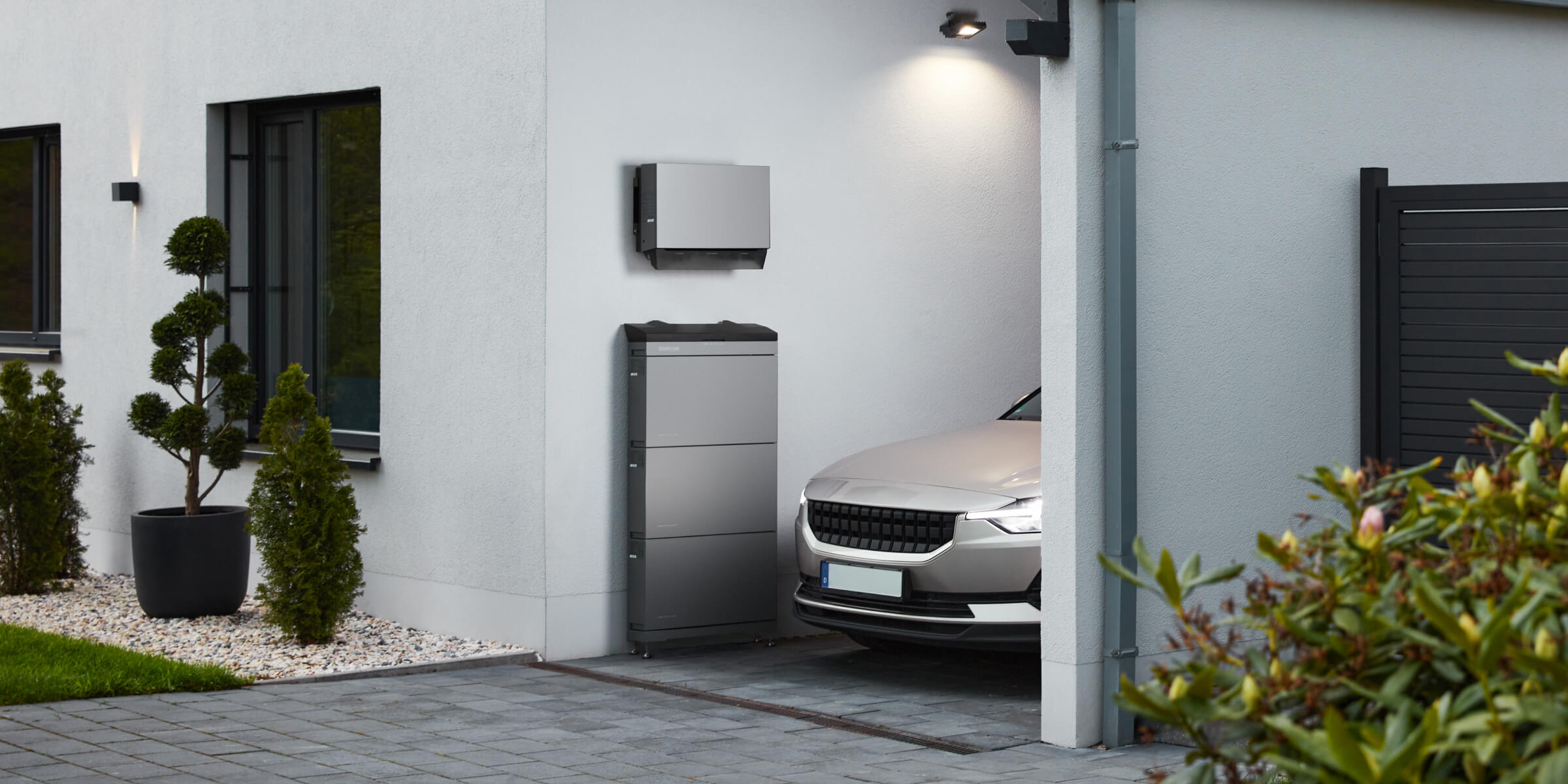
If you are planning to install solar panels at home, understanding solar panel efficiency is the first step towards cutting your energy bills. In the UK, sunlight hours are limited. That makes high-efficiency panels and a well-matched domestic electric battery storage system critical for getting the most from every hour of daylight.
Understanding Solar Panel Efficiency
Solar panel efficiency measures how well your panels convert sunlight into usable electricity. For UK homeowners calculating the efficiency of solar panels, the average annual yield is around 850 to 1,050 kWh per kWp installed. A 10kW solar system with battery storage would produce significantly more, but even a standard 4 kWp setup can generate roughly 3,400 to 4,200 kWh per year.
The higher your panels’ efficiency, the more power you generate from a small roof. Many homeowners ask: are solar panels energy efficient in the UK climate? Modern panels now reach over 22% efficiency. That is a significant improvement from a decade ago. This matters most in areas with fewer sun hours, like northern England or Scotland, where each percentage point of efficiency translates into more total energy produced across the year.

How Solar Energy Efficiency Affects Battery Charging and Storage
Your solar panels are just the first link in an energy chain that includes the house inverter and home battery systems. Each step in this chain determines how much of your solar power becomes usable electricity.
Panel Performance
Your panels are where it all begins. Their output depends on sunlight, angle, and shading. For instance, south-facing panels tilted around 30–40° tend to capture the most sunlight in the UK. Even with cloudy skies, modern panels and smart energy systems can still generate steady power.
EcoFlow’s smart energy management systems uk helps by predicting solar generation and automatically using surplus energy for home use or battery charging, so you maximising solar panel output.
Conversion Pathway
Solar panels produce solar panels ac or dc. The type of inverter you use directly affects how much energy reaches your appliances. High EcoFlow inverter efficiency means DC power is converted to AC with minimal loss. Choosing the right hybrid inverter can further reduce conversion steps and improve your overall system performance.
Here’s how they work: DC-coupled systems send energy straight from the panels to the battery before converting it to AC. This process keeps energy loss low. Meanwhile, AC-coupled systems convert the power several times, which means a bit more energy is lost, but they’re easier to add to existing solar setups.
Solar Battery Efficiency and Storage
Even after charging, some energy is lost when power is stored and used again. Home battery storage like EcoFlow PowerOcean keeps this loss low with smart design and built-in heating pads that help it work well in both cold and warm weather.
Installing the battery near your fuse box also helps reduce energy loss. Since most batteries can’t use 100% of their capacity, the AI SmartEarning Mode in HEMS helps by storing energy when prices are low and using it when rates go up.
Key Factors That Affect Solar Power Efficiency in the UK
Even the solar panels explained perform differently depending on where and how they’re installed. Solar power efficiency in the UK is shaped by the following factors:
Sunlight and Climate
How much power your panels produce geographic location. The average peak sun hours per day that solar systems in the UK receive is around 2.5. This equals roughly 900 to 1,100 hours per year. Southern regions like the South East and South West get the most exposure, often producing up to 30% more solar energy in England than areas further north.
Even on cloudy or short winter days, solar panels uv still work because they use daylight, not just direct sunlight.
Orientation, Tilt, and Shading
The angle and direction of your panels play a big role in how much energy you generate. In the UK, the ideal setup is a south-facing roof with a 30°–40° tilt, which captures the most sunlight throughout the year. Homes located further north may benefit from a slightly steeper tilt, while small seasonal adjustments—lower in summer, higher in winter—can fine-tune performance.
However, even with the right angle, solar cloud can make a noticeable difference. Obstacles like trees, chimneys, or nearby buildings can block sunlight for parts of the day, cutting energy output by 5–30%.
Because of this, the MCS shading factor method (SAP 10) is used to estimate losses before installation. It shows that even a modest 5% reduction in sunlight can slightly delay your system’s payback period.
To counter these effects, modern systems use smart MPPT (Maximum Power Point Tracking) technology, which automatically adjusts power flow to reduce shading losses.
Temperature Effects
Solar panels naturally lose a bit of efficiency as they heat up—typically around –0.35% for every degree above 25°C. This drop doesn’t happen all at once; it’s a gradual decline that starts once the cell temperature rises past the standard testing level.
Fortunately, the UK’s mild weather keeps panels cooler for most of the year, meaning less heat-related loss and slightly better overall solar power efficiency compared to hotter countries. Understanding how your panels perform across seasons helps you estimate your average monthly electricity bill savings more accurately.
Matching Panel Output to Battery Capacity
When it comes to solar and battery systems, bigger isn’t always better. If your battery is too large compared to your solar panels, it won’t fill up regularly, especially during cloudy or winter months when sunlight is limited. That means you’ve paid for capacity you can’t fully use.
Meanwhile, if your battery is too small for your solar setup, any extra energy your panels generate will be sent back to the grid under the SEG Smart Export Guarantee. While SEG payments offer some return, the rates are usually low (around 5–15p per kWh).
For most UK homes, a 4 kWp solar array paired with a 5 to 10 kWh battery strikes a good balance. Use the best solar battery size calculator uk to find the right match for your household. A 5 kWh battery can usually cover evening use. Larger homes or those with electric heating might benefit from a 9 to 10 kWh battery.
How Efficiency Translates into Real-World Savings
Solar power efficiency has a direct impact on your monthly bills. Here is how it works in practice:
Increasing Self-Consumption
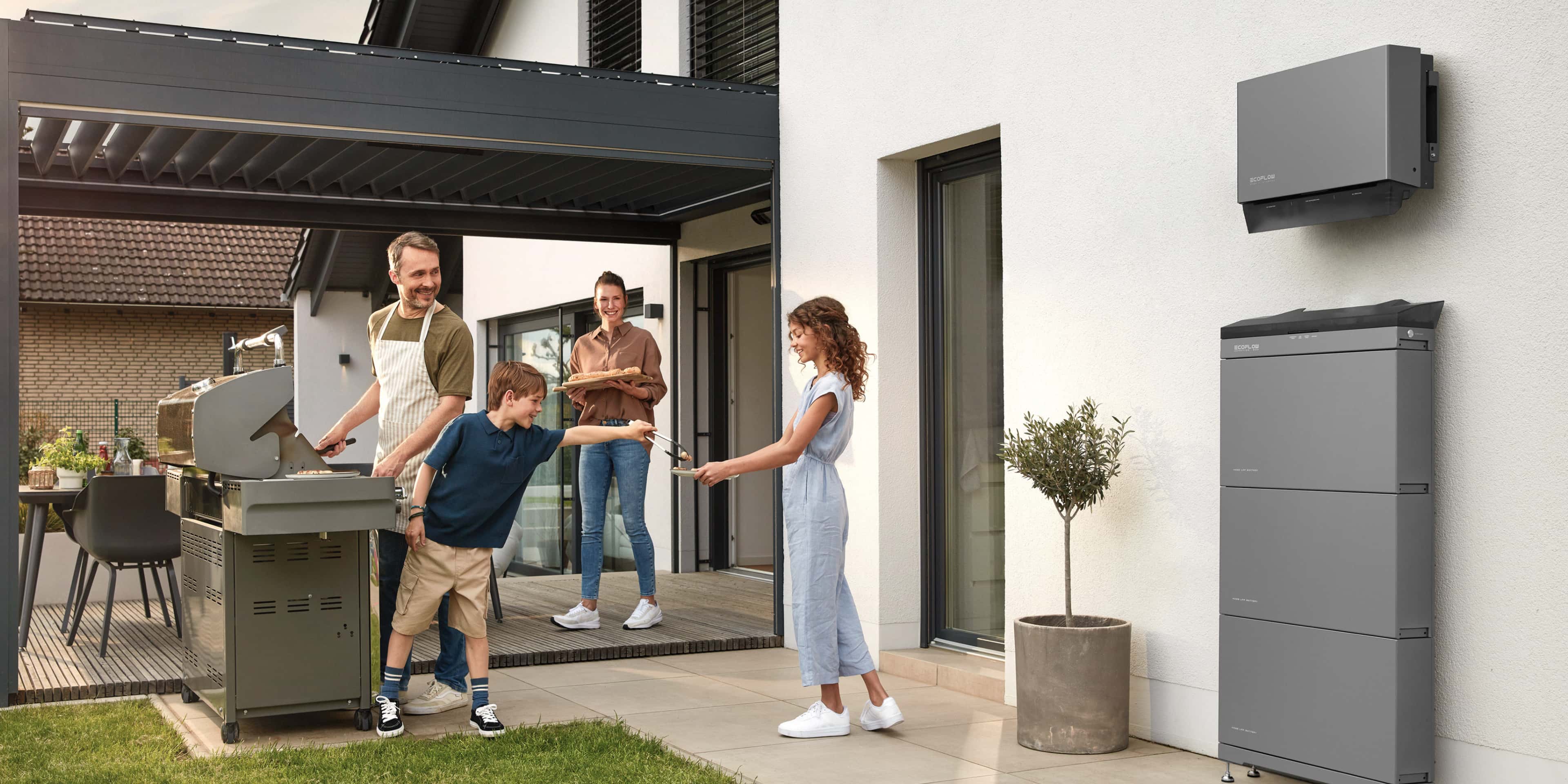
Most UK homes use only about 30–40% of what their panels generate. Adding a battery can raise that to around 60–75%, since you can store extra energy during the day and use it at night. When your solar panels and battery are well matched, you get the most out of every kilowatt.
Financial Impacts
The more electricity your panels produce and store, the faster your system pays for itself. In the 2026 UK energy market, with import rates averaging around 28p per kWh and export rates around 10p per kWh, each stored kilowatt-hour saves roughly 18p. This is where solar panel efficiency directly affects your overall energy savings. For a typical home, adding a battery can raise annual savings from about £380 to over £800.
Do solar panels increase home value?
Do solar panels make your electricity cheaper, thanks to lower energy bills and better energy ratings. Buyers see them as a smart, future-ready upgrade that cuts costs and boosts efficiency.
Schedule Your Free Consultation Today!
What kind of product or solution are you interested in?

Getting the Most from EcoFlow Efficiency with Smart Controls
Getting the best solar panel and storage efficiency takes more than hardware. It requires intelligent software. EcoFlow’s AI-powered HEMS predicts solar generation and adjusts usage to reduce waste. The AI SmartEarning Mode charges your battery during off-peak windows when rates are low and switches to stored power when grid prices rise.
Unlike standard batteries, the EcoFlow PowerOcean features built-in auto-heating to maintain performance even in cold UK winters, ensuring consistent efficiency year-round. When paired with octopus energy dynamic pricing or heat pumps, these smart controls help you use every kilowatt of solar energy effectively
Solar Energy in England and UK Policy Goals for 2026
The UK’s plan to reach net zero relies on flexible, local energy systems. Solar panels paired with battery energy storage help by storing surplus power and keeping the grid stable when sunlight drops. The SEG programme pays homeowners for exported power, but self-consumption remains more cost-effective.
As energy prices rise, battery storage also helps you cut bills and depend less on the grid. Together, energy efficiency and storage make homes more resilient and support the UK’s goal of a cleaner, more secure energy future.
FAQs
How many average peak sun hours does the UK get per day?
The UK averages about 2.5 peak sun hours daily, or roughly 900–1,100 per year. Southern regions like the South East get up to 30% more sunlight than northern areas, making them ideal for solar panel efficiency and higher energy yield.
Do solar panels still work on cloudy days?
Yes. Solar panels produce electricity from daylight, not just direct sunlight. Even during cloudy weather, they can generate 10–25% of their normal output, helping UK homes cut energy costs throughout 2026 despite less consistent sunshine.
Can adding a battery double my solar savings?
Yes. Without a battery, most homes use only 30–40% of their solar power. Adding one boosts usage to 60–75%, letting you store excess energy for evening use and potentially double your annual savings by avoiding costly grid imports.
What makes solar panels more efficient in the UK?
High-quality panels, the right roof angle, minimal shading, and a suitable inverter all improve efficiency. In the UK, south-facing panels with good sunlight exposure usually deliver the best overall performance.
Does shading have a big impact on solar panel efficiency?
Yes. Even partial shading from trees, chimneys, or nearby buildings can reduce output noticeably. Smart system design and MPPT technology can help limit these losses.

