
Solar Module Cost in the UK: Prices, Factors, and How Storage Changes ROI
In the UK, a single residential solar panel typically costs around £150 to £350 for the hardware alone, depending on its wattage, brand and technology. A complete installed solar system, such as a 3kW to 6kW residential array, usually costs around £5,500 to £10,500. Adding a 5kWh to 10kWh battery can increase the total investment to approximately £8,500 to £14,500, depending on the equipment and installation requirements.
A battery pushes the upfront cost up, but it also lets you use more of the power you generate and rely less on the grid. For some households, pairing solar with a battery and a suitable smart tariff may improve the economics of a solar installation by increasing self-consumption and reducing grid imports. Actual payback periods vary significantly depending on electricity usage, system and installation costs, tariff rates, export income and battery utilisation. But it really depends on how much electricity you use, the size of your system, installation costs, how much you actually use the battery, and your tariff.
Key Takeaways
Hardware vs. Turnkey Cost: Solar panels often account for around 25% to 35% of the total installation cost. The remaining cost usually comes from components such as inverters, scaffolding, labour and electrical integration.
0% VAT Relief: As of 2026, qualifying solar and battery installations in Great Britain benefit from a 0% VAT rate, subject to the usual conditions. The current zero rate is due to run until 31 March 2027.
The Battery Multiplier: Storing excess daytime generation for evening use can significantly improve solar self-consumption. Some households may increase self-consumption from around 30–40% to 70% or higher, depending on system size, battery capacity and energy habits.
Smart Tariffs Can Affect ROI: Pairing battery storage with a suitable time-of-use or export tariff may create additional value by shifting grid consumption to lower-cost periods and, where applicable, earning income from exported electricity. Tariff rates and eligibility can change, so current terms should be checked before estimating returns.
What Does Solar Module Cost Include for UK Homeowners?
The cost of a solar module is only part of the total installation price. A complete system also includes the inverter, mounting equipment, electrical work and installation.
Solar Module Price vs Total Solar Installation Cost
A standard residential monocrystalline panel rated between 400W and 450W is typically priced within this range depending on the manufacturer, efficiency and purchasing channel. Yet, no homeowner can simply mount panels on tiles without a broader ecosystem.
A fully commissioned installation incorporates:
The PV Generator: The solar modules themselves.
The Power Conversion System: A string inverter or microinverters to convert DC solar energy into AC household electricity.
Mounting & Structural Framework: Roof hooks, rails, clamps, and weatherproofing flashing suitable for slate, concrete tile, or flat roofs.
Safety & Compliance: Scaffolding hire, DC/AC isolators, surge protection devices (SPDs), and MCS certification paperwork.
Typical Solar Module Costs for Different Home Solar Systems
Residential systems vary based on property size, roof footprint, and occupancy demands. Below is a realistic breakdown of system scales across typical UK dwellings: For a fuller budget breakdown, see our guide to install solar panels cost.
| Property Type | Typical System Size | Number of Panels (~420W) | Hardware Only (Panels) | Full Turnkey Cost (Inc. Inverter & Labour) | System with ~5-10kWh Battery |
|---|---|---|---|---|---|
| 1–2 Bed Terrace / Flat | 3.0 kW | 7 – 8 | £1,200 – £1,800 | £5,000 – £6,200 | £8,000 – £9,800 |
| 3 Bed Semi-Detached | 4.2 kW | 10 | £1,600 – £2,400 | £6,500 – £7,800 | £9,500 – £11,800 |
| 4–5 Bed Detached | 6.0 kW+ | 14 – 16 | £2,400 – £3,800 | £8,800 – £10,800 | £12,500 – £15,000 |
(Note: Figures are indicative estimates based on typical UK residential installations in 2025/2026. Actual costs vary depending on installer rates, equipment selection, roof conditions, electrical upgrades and battery specifications.)
Additional Costs Beyond Solar Modules
Budgeting requires looking closely at incidental line items. For instance, scaffolding on a complex three-storey semi-detached property in London or the South East can add £800–£1,500 alone. If your consumer unit (fuse box) is outdated, upgrading it to meet current 18th Edition wiring regulations adds another £400–£800. If the generating equipment exceeds the standard 3.68kW per-phase threshold for a single-phase connection, the installation may fall under the G99 process rather than the simpler G98 route. The exact connection requirements depend on the equipment and local DNO, so your installer should confirm the applicable process before installation.
What Factors Affect Solar Module Cost in the UK?
Solar module cost depends on the technology, system size, roof type and installation requirements. Your choice of equipment and installer can also affect the final price.
Solar System Size and Electricity Demand
Larger systems usually have a lower cost per watt because fixed costs such as scaffolding, electrical work and DNO applications are spread across more capacity. Your annual electricity use also determines how much solar you actually need.
Solar Panel Efficiency and Technology Choices
Solar modules come in different technologies and efficiency levels:
P-Type PERC: An established and affordable option, although degradation is generally higher than newer technologies.
N-Type TOPCon: Offers higher efficiency and lower degradation than older P-type designs, making it a good option when roof space is limited.
HJT and back-contact technologies: Premium options that can exceed 22% efficiency. They cost more but can maximise output where roof space is limited.
Roof Conditions and Installation Requirements
Roof type and accessibility can affect both labour and equipment costs. Slate roofs, flat roofs and properties requiring additional structural fixings may cost more to install than standard tiled roofs. Regular solar panel cleaning can also help maintain output over the system’s lifetime.
Installer Standards and Certification Requirements
Certification can affect your eligibility for export schemes such as SEG. For installations up to 50kW, Ofgem states that generators will generally need an MCS certificate or equivalent certification. Check the installer’s certification, warranties, electrical compliance and eligibility for any export scheme before accepting a quote. Homeowners can also look for qualified professionals through installer networks such as Become an EcoFlow installer when selecting a suitable installation partner.
Government Policies, Incentives, and Financial Support
VAT and other government policies can affect the upfront cost of solar and battery storage. Qualifying residential solar PV and battery installations in Great Britain can currently benefit from 0% VAT, subject to the applicable conditions.
How Does Battery Storage Change Solar ROI in the UK?
A battery stores excess solar power for use later, helping households use more of their own solar energy and buy less electricity from the grid.
Increase Solar Self-Consumption by Storing Excess Generation
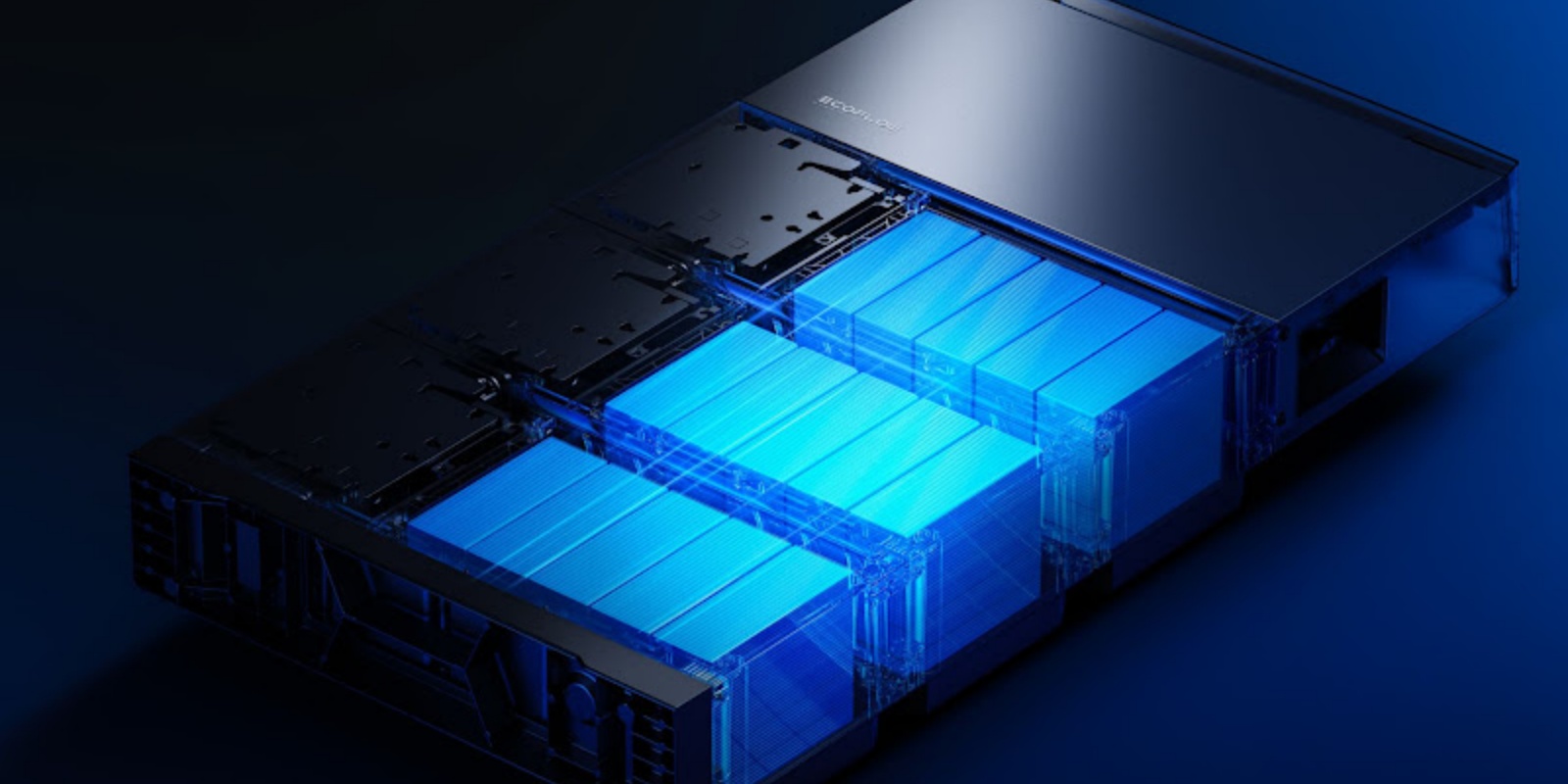
Solar generation is usually highest during the day, while household electricity use often increases in the evening. Without a battery, some solar energy may be exported back to the grid instead of being used at home. For UK households looking to improve solar ROI, adding a home battery such as EcoFlow PowerOcean 2 Single Phase can help store excess solar power and use it when electricity demand is higher, reducing reliance on grid electricity.
Reduce Reliance on Grid Electricity Prices
Using stored solar power in the evening can reduce electricity imports from the grid. The savings depend on your import tariff and how much solar energy the battery can store and discharge. A connected Home Energy Ecosystem can help coordinate solar generation, storage and household energy use.
How Smart Export Guarantees (SEG) Impact Solar ROI
SEG rates vary by supplier and tariff, with no single standard export rate. Some smart tariffs offer higher rates at certain times, so compare current export rates before assuming that battery exports will deliver a premium return.
How Should UK Homeowners Calculate Solar and Storage ROI?
Solar ROI depends on both the energy you use and the income you earn from exports. A simple calculation should include the upfront cost, annual savings and expected system lifespan.
Consider Electricity Savings and Export Income Together
Your financial gain stems from two distinct streams:
Avoided Import Costs: Units of solar electricity consumed on-site instead of purchasing from the grid at standard retail rates.
Export Income: Metered surplus units pushed back to the grid, recorded through your smart meter and reimbursed quarterly or monthly.
Evaluate Payback Period Based on Household Energy Habits
How quickly your solar system pays for itself depends on your electricity usage patterns, tariff choices and how effectively you use the energy you generate. Smart energy management tools can help homeowners better understand consumption habits and make more informed decisions. EcoFlow PowerInsight 2 helps users monitor household energy consumption and understand solar and storage performance more clearly.
Account for Lifespan and Degradation Costs Over Time
Good solar panels come with 25‑year performance warranties – usually guaranteeing at least 80% to 85% output after that time. But the electronics don't last as long:
String Inverters: Expect to replace them after 10 to 14 years. That'll set you back roughly £800 to £1,400.
Lithium Battery Cells (LFP): Good for 6,000+ cycles, typically lasting 10 to 15 years before capacity drops below 70%. When you're working out your return on investment, it's worth factoring in a future inverter replacement and, depending on the battery warranty and how you use it, maybe a new battery down the line.
Is Adding Battery Storage Worth It When Installing Solar Panels?
A battery increases the upfront cost of a solar installation, but it can also help households use more of their own solar generation instead of exporting excess electricity. Whether it is worth adding depends on factors such as your electricity consumption patterns, tariff structure, solar system size, and how much stored energy you can use.
For households with higher evening electricity demand, electric heating systems, or EV charging needs, battery storage can provide more value by storing daytime solar generation for later use. However, for homes with consistent daytime electricity usage or limited budgets, a solar-only system may still offer a shorter payback period.
Battery Storage Benefits for High-Energy UK Homes
For households with higher annual consumption, especially those using heat pumps or charging electric vehicles (EVs), battery storage may provide greater value by increasing solar self-consumption and reducing reliance on grid electricity.
*The following scenario is illustrative rather than a market benchmark. It shows how storage and tariff choices could affect project economics under a set of assumed household conditions; it should not be used as a personalised savings forecast.
| Metric | Solar Only (4.2kW Array) | Solar + 5.2kWh Battery | Solar + 9.5kWh Battery + Smart Tariff |
|---|---|---|---|
| Typical Initial Cost (0% VAT) | £6,800 | £9,600 | £11,900 |
| Annual Self-Consumption | ~35% (1,400 kWh) | ~75% (3,000 kWh) | ~85% (3,400 kWh) + Overnight Off-Peak Grid Top-Up |
| Indicative Annual Energy Benefit | £420 – £550 | £780 – £980 | £1,100 – £1,450 |
| Illustrative Payback Range | 10 – 12 Years | 8 – 10 Years | 7 – 9 Years |
Note: Illustrative figures only. Actual annual savings and payback periods vary according to electricity consumption, solar generation, system size, battery utilisation, import and export tariffs, and installation costs. Smart-tariff benefits may also include tariff arbitrage and export income, which are not captured by a simple bill-savings calculation.
Scenarios Where Solar-Only Is More Cost-Effective
A solar-only installation may be more financially suitable under certain circumstances:
Consistently High Daytime Occupancy: Someone is always home to run appliances, wash cycles, or heat water with a solar immersion diverter (e.g., an eddi unit).
Tight Upfront Budget: You prefer to avoid debt or finance charges and achieve the lowest possible break-even entry point.
Low Evening Usage: Households that rely on mains gas for cooking and heating, with minimal evening electricity demand (under 4–5 kWh per night).
Key Uncertainties and Financial Risks in Battery Payback
Battery payback figures rely on current tariff spreads. If the margin between off-peak and peak electricity narrows, battery arbitrage returns decrease. Additionally, cold outdoor installations (such as unheated detached garages) can trigger internal heating cycles or lower charge acceptance rates in winter, slightly reducing seasonal round-trip efficiency unless adequately insulated.
Schedule Your Free Consultation Today!
What kind of product or solution are you interested in?


Conclusion
The price of a solar panel is just one piece of the puzzle. Installation, extra equipment, how much power you use, and what your roof’s like all affect the final cost and how quickly you get your money back.
Adding a battery can help you use more of your own solar and buy less from the grid, but it’s not the right move for everyone. Weigh up the upfront cost against your usage, your tariff, and what you’re likely to save before you decide.
FAQ
How much does a solar module cost in the UK?
A standalone residential solar panel will usually set you back between £150 and £350, depending on wattage (typically 400W–450W), brand, and cell technology. When you factor in the full system including inverter, roof mounts, scaffolding, and labour, the total cost is often around £1,400 to £1,800 per installed kilowatt, depending on system size, location and installation complexity.
Are solar panels cheaper with battery storage included?
Not upfront, combining them bumps up the total bill. But over time, it lowers the cost per unit of usable energy. Buying solar and battery together is noticeably cheaper than retrofitting a battery later, because you share scaffolding costs, sparky labour, and inverter infrastructure under a single 0% VAT installation.
How long does it take for solar panels to pay back in the UK?
Solar payback periods in the UK vary considerably depending on installation cost, annual generation, household electricity use, import and export tariffs, and how much solar energy is consumed on site. Adding battery storage can improve self-consumption and may improve overall returns for some households, particularly where electricity usage and tariff structures allow the battery to be used effectively.
Does battery storage increase solar savings?
Battery storage can increase solar self-consumption by storing surplus daytime generation for use later. The increase varies by household, but homes with significant evening electricity demand may be able to use a much larger share of their own solar generation when the battery is appropriately sized and managed.
Do solar panels increase home value in the UK?
They can make a property more attractive to buyers, especially as energy costs and EPC ratings matter more these days. But the impact on sale price varies – location, property type, system quality, and local market conditions all play a part. So don’t treat solar as a guaranteed way to bump up your home’s value.
Disclaimer: All costs, savings and payback figures in this article are indicative rather than guaranteed returns. Actual solar module cost and system ROI depend on module efficiency, system size, roof orientation, shading, annual electricity consumption, installation complexity, battery utilisation, import tariffs and export rates. Tariffs and government incentives can also change over time.

