
Solar Energy Roof Tiles: What UK Homeowners Need to Know
Solar roof tiles can produce electricity without the raised-panel look of a conventional solar array. That can make them appealing for homes where appearance matters, including older properties and some homes in conservation areas. They also cost more, so the decision often comes down to whether the roof needs replacing and how much value an integrated finish adds for your home. This guide covers how the tiles work, typical UK costs, planning considerations and ways to use the electricity they generate.
Key Takeaways
Blends right in: Solar tiles replace standard roofing materials directly, sitting flush with natural slate, pantiles or concrete.
Conservation-friendly: Suitable for protected landscapes, including National Landscapes, National Scenic Areas (NSAs) and Areas of Outstanding Natural Beauty (AONBs), where appearance can influence planning decisions.
Higher upfront cost: Solar roof tiles typically cost around 1.5 times as much as a conventional solar panel installation.
Best for reroofing: The economics only really stack up when you combine them with a scheduled roof replacement, not as a retrofit on an otherwise sound roof.
More self-consumption: Pair solar tiles with a home battery and smart export tariffs and you speed up payback through grey British winters.
What Are Solar Roof Tiles and How Do They Work?
Solar roof tiles combine a roofing surface with photovoltaic cells, so one install both protects the home from the weather and generates electricity. The details vary by product, but the basics work much like standard solar panels. Pairing the system with solar battery storage can make surplus daytime generation available for later use.
How Solar Roof Tiles Generate Electricity From Sunlight
Under a tough, textured layer of tempered protective glass sits a thin wafer of monocrystalline silicon. When sunlight hits these cells, photons get the electrons in the semiconductor material excited, and that creates a direct current (DC) flow. Thin copper wiring hidden beneath the roof underlayment carries this current to a central string inverter or micro-inverter, which turns the DC into alternating current (AC) ready to run your immersion heater, kettle or EV charger.
How Solar Roof Tiles Differ From Traditional Solar Panels
The core divergence comes down to building integration. Traditional photovoltaics sit elevated on aluminum racking bolted through your existing roof deck. Solar tiles (also known as building-integrated photovoltaics, or BIPV) are the roof deck. They overlap with conventional adjacent tiles, share identical drainage channels, and eliminate the wind gaps that occasionally attract nesting pigeons. However, because they sit flush against the battens with restricted under-tile airflow, they run slightly warmer than bolt-on panels, which can marginally lower electrical efficiency on hot summer afternoons.
Types of Solar Roof Tiles Available in the UK
British architectural diversity means manufacturers offer bespoke shapes to suit regional building vernaculars:
Solar Slates: Engineered from reinforced glass composite or quarried stone derivatives, designed to sit seamlessly alongside traditional Welsh or Cornish natural slate.
Curved or Pantile Solar Tiles: Moulded to mirror classic Roman or terracotta barrel tiles, blending smoothly into brick builds across East Anglia and the Midlands.
Interlocking Flat Concrete Styles: Wider-format photovoltaic units tailored for mid-century suburban housing stock and modern eco-extensions.
How Much Do Solar Roof Tiles Cost in the UK?
Solar tiles usually cost more to install than panels fixed above an existing roof. The final price depends on the system size, roof layout, product and amount of roofing work involved. If you are already planning a reroof, it can help to compare the tile system’s cost with what you would have spent on replacement roofing materials.
Average Solar Roof Tile Installation Costs
Outfitting an average three-bedroom semi-detached home with a 4 kWp to 5 kWp solar tile system generally costs between £12,000 and £19,000, including the inverter, scaffolding, and electrical sign-off. If you are already stripping the roof down to the rafters, credit against that total the £5,000 to £8,000 you would have spent on conventional slate or concrete tiles anyway.
Solar Roof Tiles vs Traditional Solar Panel Installation Costs
When evaluated strictly against bolt-on alternatives, the difference in upfront capital expenditure is substantial. For a comparison with conventional rooftop systems, see the guide to install solar panels cost.
| Factor | Solar Roof Tiles (4–5 kWp) | Traditional Solar Panels (4–5 kWp) |
|---|---|---|
| Average Hardware & Installation | £12,000 – £19,000 | £6,000 – £8,500 |
| Roof Profile | Flush, integrated finish | Raised on mounting frames |
| Typical Efficiency | 15% – 18% | 19% – 22% |
| Installation Complexity | Multi-day roofing & electrical trade integration | 1–2 days standard retrofit |
| Best Financial Timing | Complete roof overhaul or new-build project | Any structurally sound roof |
| UK VAT Rate | 0% (Clean energy relief) | 0% (Clean energy relief) |
The UK government’s 0% VAT relief on residential energy-saving materials is legislated to run until 31 March 2027, reverting to 5% thereafter unless extended.

What Are the Advantages and Disadvantages of Solar Roof Tiles?
Solar tiles can suit homes where a conventional panel array would be visually intrusive or difficult to approve. Their integrated design comes with trade-offs, particularly the higher initial cost and the need for specialist installation and re
Key Advantages of Solar Roof Tiles
Unobtrusive kerb appeal: For Victorian terraces, rural stone cottages, or properties with front-facing roofs facing the street, integrated tiles retain character.
Planning permission ease: Heritage conservation officers routinely reject standard bolt-on arrays while green-lighting color-matched solar slates.
Storm resilience: Without exposed underside brackets, there is virtually zero risk of uplift during violent North Atlantic winter gales.
Zero added dead-load stress: Replacing heavy masonry tile-for-tile avoids the structural roof strengthening sometimes required for older timber frames bearing retrofit panels.
Potential Drawbacks of Solar Roof Tiles
Big upfront cost: Solar roof tiles generally have a longer payback period than conventional solar panels due to their higher installation costs.
Tricky diagnostics: Tracking down a failed bypass diode or a loose micro-connector across 150 individual small tiles takes a qualified specialist.
Thin installer pool: Finding MCS-certified tradespeople who can handle both high-end roofing and photovoltaic electrical work is still hard outside the big cities.
Ask your installer about the MCS certificate and the handover documentation required for your installation.

How to Make the Most of Solar Electricity Generated by Roof Tiles?
When solar tiles generate more power than the household is using, the surplus can be stored or exported. How much value you get out of the system depends partly on when your home uses electricity, and whether you have a battery or a decent export tariff.
Match Solar Roof Tile Capacity to Household Energy Needs
Sizing your array to offset daytime baseloads avoids wasting roof real estate. A typical British household consuming 3,500 to 4,500 kWh annually benefits most from a system rated between 4 kWp and 6 kWp. Oversizing makes sense only if you already run an air-source heat pump or plug in an electric vehicle daily.
Store Excess Solar Electricity With a Solar Battery
Solar tiles often generate their strongest output when the house is empty and daytime power consumption drops. Installing a dedicated domestic energy storage setup captures that surplus mid-afternoon energy for use during the evening peak, sharply reducing grid dependency. For UK homeowners seeking higher self-consumption and smarter household energy management, pairing your tiles with a residential storage solution like the EcoFlow OCEAN 2 Plus Single Phase ensures you are not held hostage to real-time solar generation. By integrating high-capacity battery storage into the system, your home can comfortably shift stored daylight into evening cooking, heating, and lighting routines.
Monitor Solar Generation and Household Energy Consumption
Effective energy management starts with visibility. With seasonal variance—especially throughout short, overcast British winters—keeping tabs on daily generation curves helps you run high-draw appliances like washing machines and dishwashers when your roof is actually producing power. A centralized management hub, such as the EcoFlow PowerInsight 2, lets you monitor real-time generation alongside household demand on a single dedicated display. Having live, granular data makes it simple to spot consumption spikes, adjust your daily routines, and squeeze the maximum financial benefit out of your roof tile system.
Optimise Electricity Use With Solar Generation and Smart Tariffs
The timing of electricity use can affect how much you save. A battery and a suitable time-of-use tariff may let you draw power from the grid when rates are lower, use stored solar later in the day or export surplus electricity under the Smart Export Guarantee (SEG). Check your supplier’s tariff terms, since rates and eligibility vary.
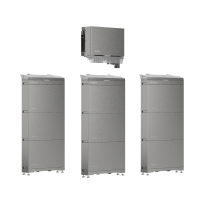
A home energy ecosystem can connect compatible solar generation, battery storage and household monitoring equipment.
Schedule Your Free Consultation Today!
What kind of product or solution are you interested in?

Conclusion
Solar roof tiles may be a good fit if you want solar generation but prefer an integrated roof finish, especially when a reroof is already on the cards. Their higher upfront cost makes them harder to justify on a sound roof if appearance is not a major concern. Before deciding, compare quotes for both tiles and conventional panels, check local planning requirements, and consider how a battery and export tariff could affect the amount of electricity you use or sell.
FAQs
How Do I Know if I Can Install Solar Roof Tiles in My Home?
Your roof needs sound rafters, an unshaded south, east or west aspect, and a pitch between 15 and 65 degrees. An MCS-certified specialist should run an initial structural survey to check whether your existing timber battens can carry the specific tile profile.
Do Solar Roof Tiles Need Planning Permission?
Usually not, since most domestic installs fall under Permitted Development rights across England, Scotland and Wales. There are exceptions, though. If your property is listed (Grade I, II* or II), you’ll need formal Listed Building Consent. And if your home sits in a designated Conservation Area or National Park where the install faces a highway, or where an Article 4 Direction has tightened permitted development rights, you’ll need to apply for standard Householder Planning Permission.
Do Solar Roof Tiles Work on Cloudy Days?
Yes. Under typical overcast British skies, solar tiles generate from diffuse daylight and usually put out around 15% to 25% of their rated output. In heavy, dark winter storm clouds, instantaneous output can fall below 5% to 10%, but the system still produces background wattage whenever there’s daylight.
How Long Do Solar Roof Tiles Last?
Most reputable solar roof tiles are expected to last 25 to 30 years, which lines up closely with standard modern concrete roof tiles. The photovoltaic cells underneath generally carry an 80% to 85% linear output warranty through year 25. Bear in mind that while they blend visually with natural slate, high-grade Welsh or Cornish slate can last well over a century, so solar tiles will likely need replacing before the surrounding natural slate reaches end-of-life.
How Long Does It Take for Solar Roof Tiles to Pay for Themselves?
A standalone solar tile setup in the UK typically takes 14 to 20 years to pay back. That shortens significantly to 9 to 12 years if you offset the figures against the cost of a reroofing project you already needed and pair generation with dynamic smart export tariffs.

