
Solar Batteries for Home: How They Work, Benefits & How to Choose
A home solar battery stores electricity generated by your panels that your household does not use straight away. You can then draw on that stored electricity in the evening or overnight, when you might otherwise need to buy power from the grid. Some systems can also keep selected circuits running during a power cut, but backup capability depends on the battery system and how it is installed. This guide explains how home batteries work, what affects their cost and potential savings in the UK, and how to choose a suitable size.
Key Takeaways
Reduce peak grid reliance: Storing daytime solar electricity can increase the amount of your generation that is used at home, although the potential improvement depends on your solar output, household demand and battery size.
Tariff arbitrage: On flexible tariffs such as Octopus Flux or Agile, a battery can charge during lower-priced periods and discharge when electricity prices are higher, subject to the tariff's rates and conditions.
Blackout protection: Some battery systems can provide backup power for selected circuits or the whole home, depending on the system design, installation and local requirements.
The 0% VAT advantage: Eligible residential battery storage installations can currently benefit from the UK's temporary 0% VAT rate, including certain standalone battery installations. The relief is currently scheduled to run until 31 March 2027.
Sizing matters: For a typical home, a battery in the 5 kWh to 10 kWh range may be suitable, but the right usable capacity depends on daily electricity use, solar generation, tariff structure and backup requirements.
What Is a Solar Battery for Home?
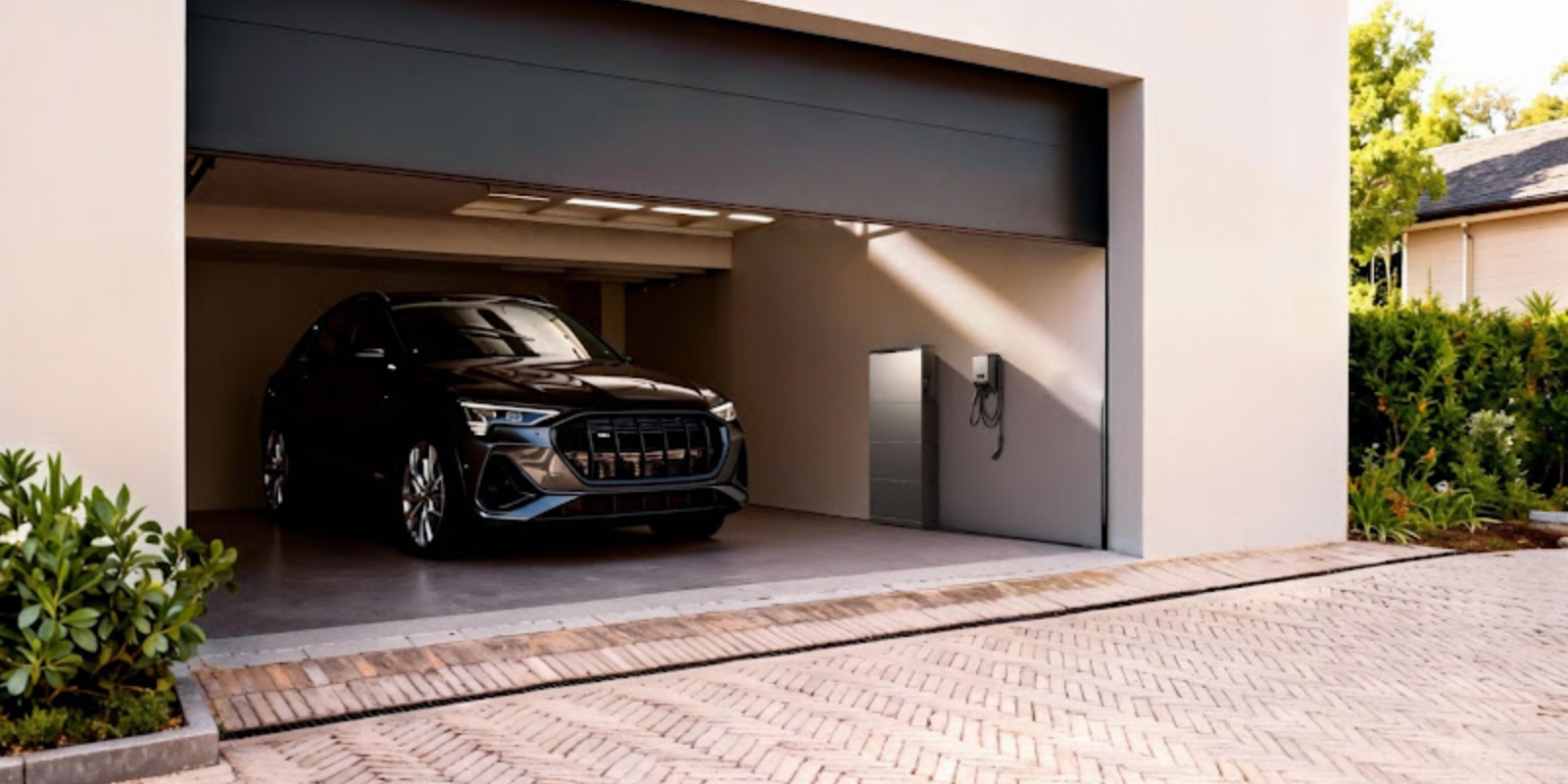
A home battery sits alongside your solar panels and inverter, providing solar battery storage for later use. The way it connects depends on whether you are adding storage to an existing solar system or installing solar and a battery together.
Definition of a Home Solar Battery
A home solar battery stores surplus electricity from your panels for use later, such as in the evening. Many modern systems use lithium iron phosphate (LiFePO4) cells and can be installed in a garage, utility room or suitable outdoor location, subject to the manufacturer’s requirements and installation conditions. Storing more of your solar power may reduce the electricity you buy from the grid, although it can also mean exporting less under the Smart Export Guarantee (SEG).
The Role of Solar Batteries in Residential Energy Systems
A standard rooftop solar array without storage can export surplus electricity when household demand is lower than solar generation. In many homes, a significant share of solar generation occurs when household electricity demand is relatively low, although the exact proportion varies by occupancy, appliance use and solar output. Adding a domestic battery allows some of this surplus electricity to be stored and used later. Working alongside the inverter and other system components, the battery can help balance household demand against solar generation so that more of the generated electricity can be used on site.
How Does a Home Solar Battery Work?
The system can supply household appliances with solar power first. When the panels produce more electricity than the home needs, surplus electricity can be used to charge the battery. When solar output falls, the battery can discharge to meet some of the household’s demand, depending on its available charge and power output.
Store Solar Energy During the Day
During daylight hours, solar PV cells generate DC electricity. The system’s inverter converts and manages this electricity so it can supply household loads such as a fridge-freezer, broadband router or aquarium pump. When solar generation exceeds immediate household demand, surplus electricity can be directed to the battery rather than exported to the grid. Even under cloudy British weather, a suitably sized solar array can continue generating electricity, although the amount available for battery charging will vary with weather conditions, system size and household demand.
Use Stored Energy at Night and During Peak Hours
As daylight decreases, solar generation typically falls while household electricity demand may increase in the evening. When household demand exceeds available solar generation, the battery can discharge stored electricity through the inverter to supply part of the load. This can reduce the amount of electricity you need to buy from the grid during higher-priced periods, depending on the battery’s charge level and the tariff you are on.
What Are the Benefits of a Home Solar Battery?
A battery can help you use more of your own solar electricity and reduce the amount of electricity you buy during higher-priced tariff periods. The potential savings depend on your electricity use, tariff structure, solar generation, battery performance and export payments. Backup power can be an additional benefit if the system and installation support it.
Use Electricity During Lower-Cost Periods
British energy suppliers offer time-of-use tariffs, such as Octopus Go, Flux and Economy 7, where electricity prices vary by time of day. Depending on the tariff and current rates, off-peak electricity can be substantially cheaper than electricity during higher-priced periods. A smart battery can charge during lower-priced periods and discharge later when prices are higher, subject to the battery’s operating limits, tariff conditions and available charge. Solar generation can also recharge the battery during the day. When comparing tariffs, start by checking how much is electricity per kwh during each charging and discharge window.
Keep Essential Appliances Running During Power Cuts
Winter storms and regional grid maintenance can cause local power outages, leaving freezers, home offices and other electrical loads without mains power. For homeowners considering backup capability, it is important to check which circuits the battery system can support during an outage.
Systems such as the EcoFlow OCEAN 2 Plus Single Phase are designed to provide backup power during outages. The system supports whole-home backup, with its actual backup performance depending on the installation, grid conditions, connected loads and applicable requirements. EcoFlow states that the system can achieve 0 ms switchover under supported conditions. Essential loads such as lighting, refrigeration and communication equipment can therefore remain powered during an outage when they are included within the supported backup setup.
Use More of Your Home-Generated Solar Energy
Installing a battery can increase the amount of solar electricity you use at home, but the potential benefit depends on how solar generation, household demand and battery operation align. A battery alone cannot ensure that all surplus electricity is used efficiently if generation and demand occur at different times. A well-integrated home energy system can coordinate solar generation, battery charging and household loads to make better use of available electricity.
This is where advanced integration comes to the fore. For instance, the EcoFlow PowerPulse2 is an intelligent EV charger that can integrate with EcoFlow solar panels and storage units, helping coordinate EV charging with available energy. By using real-time energy data and consumption patterns, it can provide greater visibility over your energy profile. Instead of manual guesswork, the system can help optimise EV charging based on tariff schedules and available energy, potentially increasing self-consumption and reducing your monthly energy costs.
Improve Home Energy Management
Modern battery systems often pair with smartphone apps or web platforms, giving homeowners visibility into solar generation, household consumption and battery charge levels. Depending on the system, you may also be able to schedule charging and discharging, coordinate selected loads and set a minimum battery reserve. These functions can make it easier to manage battery use around solar generation and tariff periods.

How Much Does a Home Solar Battery Cost?
The total price depends on usable capacity, the inverter, battery configuration and the work needed to connect the system to your home. Compare installed quotes, including any electrical upgrades, wiring and backup equipment where applicable, rather than comparing battery prices alone.
Typical Solar Battery Prices by Capacity
Battery storage costs are influenced by usable capacity (measured in kWh), brand, inverter configuration, installation requirements and the type of system being installed. Eligible residential battery storage installations can currently benefit from the UK’s temporary 0% VAT rate, which applies to qualifying battery storage installations until 31 March 2027.
| Battery Usable Capacity | Illustrative Household Profile | Indicative Price Range* |
|---|---|---|
| 5 kWh – 6 kWh | 1–2 Bedroom Flat / Small Terrace | £2,500 – £3,800 |
| 8 kWh – 10 kWh | 3–4 Bedroom Semi-Detached / Detached | £4,000 – £6,200 |
| 12 kWh – 15 kWh+ | 4–5+ Bedroom Home / EV & Heat Pump | £6,500 – £9,500+ |
*Indicative 2026 UK price ranges. Actual costs vary by battery brand, inverter configuration, installation complexity, electrical upgrades and location.
Installation and Additional Costs
Hardware is only part of the total cost. Professional installation can add several hundred to several thousand pounds, depending on the existing electrical infrastructure, battery configuration and work required. If you want to use an MCS-certified installer, check the installer’s current MCS certification and the scope of work included in the quote. Key factors affecting installation costs include:
G98/G99 Grid Notification: The applicable grid connection procedure depends on the generating or storage equipment, its capacity, how it is connected and the overall installation. G98 covers certain fully type-tested micro-generators up to 16 A per phase, equivalent to 3.68 kW on a single-phase 230 V supply, while G99 applies to installations outside the G98 scope. Your installer should confirm the applicable DNO procedure before commissioning the system.
AC-Coupled vs. DC-Coupled: Retrofitting a battery to an existing solar array can use an AC-coupled system with a separate battery inverter, although the best configuration depends on the existing equipment. A new solar installation may use a DC-coupled hybrid inverter that manages both solar generation and battery storage within the same system.
Consumer Unit Upgrades: Older properties with outdated fuse boards may require upgrades to meet current electrical installation requirements. Depending on the system and site assessment, additional protection, isolation equipment or consumer-unit work may also be required.
How to Choose the Right Home Solar Battery?
Choosing a suitable battery comes down to matching the system’s specifications with your electricity use, solar generation, tariff and backup requirements.
Match Battery Capacity to Your Daily Energy Use
Review your winter and summer electricity bills or smart meter data to estimate your daily kilowatt-hour demand. A household using around 10 kWh per day may not need a 20 kWh battery, particularly if much of its electricity use occurs during daylight hours. An 8 kWh to 10 kWh battery could be a suitable starting point for some homes, but the appropriate capacity depends on solar generation, evening demand, tariff structure and the amount of electricity you want to store. If you need a benchmark, our guide to how many kWh does a house use can help put your readings in context.
Consider Power Output and Appliance Loads
Capacity (kWh) indicates how much energy the battery can store, while power output (kW) indicates how much power it can deliver at a given time. A battery with 3 kW continuous output may cover typical background loads and smaller appliances, but several high-power appliances running at once can exceed that limit. For example, a 3 kW kettle, 2.5 kW oven and 2 kW washing machine could have a combined rated load of around 7.5 kW before other household demand is considered. If battery output is limited to 3 kW, additional demand may need to be supplied by the grid or another available source. Check both continuous and peak output when assessing your typical loads.
Check Solar System Compatibility
If you already have solar panels connected to an existing string inverter, an AC-coupled battery can be a practical retrofit option because the existing solar inverter can remain in place. If you are building a new solar setup, a DC-coupled hybrid inverter can combine solar and battery management within the same system. The appropriate configuration depends on the existing equipment, installation design and efficiency requirements.
Look at Smart Monitoring and Control Features
Look for battery platforms that support the tariff and control features relevant to your home. Some systems can automate charging during lower-priced periods, use solar generation forecasts and coordinate selected household loads. These functions can reduce the need for manual adjustments when electricity prices or household demand change.
Consider Expandability, Warranty and Long-Term Value
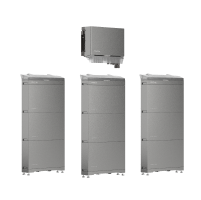
Battery performance can decline over time, so check the warranty terms, guaranteed usable capacity and any cycle or throughput conditions. A 10-year warranty is common among established home battery products, but warranty coverage and performance guarantees vary by manufacturer and model. If you are considering a modular system, also check whether additional battery capacity can be added later and under what conditions. When comparing an EcoFlow Solar Battery with other options, check these warranty and expansion details against your needs.
Schedule Your Free Consultation Today!
What kind of product or solution are you interested in?
Conclusion
A home battery may provide greater value when you regularly export solar electricity during the day and later buy electricity from the grid at a higher price. Before choosing a system, check your smart meter data, export tariff and evening electricity use, then compare installed quotes using realistic estimates of how often the battery is likely to charge and discharge. If backup power is important to you, ask the installer which circuits the proposed system can support during an outage and under what conditions.
Disclaimer: The information in this article is for general guidance only and does not constitute tax, legal, electrical or professional advice. VAT treatment, SEG requirements, DNO notification procedures and installation requirements may vary depending on your circumstances and may change over time. Always check the latest guidance from HMRC, Ofgem, your DNO and a qualified installer before making decisions about a home battery installation.
FAQs
How often do solar batteries need to be replaced?
Most modern lithium-ion and LiFePO4 home batteries are designed for long-term use, but actual service life varies by chemistry, operating conditions, usage and warranty terms. Many products are covered by warranties of around 10 years, often with a specified end-of-warranty capacity or throughput condition. Check the manufacturer’s warranty rather than assuming a fixed replacement date.
Do solar batteries work in winter in the UK?
Yes, solar batteries can operate during the British winter, although lower solar generation can reduce the amount of solar electricity available for charging. Some systems can also use time-of-use tariffs to charge during lower-priced periods and discharge later when electricity prices are higher. Whether this reduces your electricity costs depends on the tariff, battery efficiency, charge and discharge limits, and your household’s electricity use.
What's the average cost of a solar battery?
A standalone installed home battery in the UK can cost several thousand pounds, with the final price depending on capacity, inverter configuration, installation work and backup requirements. As an indicative 2026 range, many systems fall around £2,500 to £10,000 or more, although actual quotes can be lower or higher depending on the system and property. Smaller 5 kWh systems generally cost less than larger 10 kWh to 15 kWh systems.
Is it worth having a home battery without solar panels?
Yes, a standalone home battery can be used without solar panels in the UK. With a suitable time-of-use tariff, the battery can charge from the grid during lower-priced periods and discharge later when electricity prices are higher. Whether this setup is financially worthwhile depends on the difference between import prices, battery efficiency, standing charges, tariff conditions and the battery’s upfront cost.

