
Power Outage NI: How to Keep Your Home Powered
Power cuts in Northern Ireland often come down to strong winds, fallen trees, network faults or planned maintenance. In winter, even a short outage can knock out heating controls, broadband, lighting, the fridge and other everyday essentials. This guide explains how to check current outages through NIE Networks, what commonly causes local power cuts, and which backup power options can keep essential devices and household systems running.
Key Takeaways
Storms and overhead lines cause most local outages: Strong Atlantic winds, fallen trees and lightning account for the many unscheduled blackouts across Northern Ireland’s rural network.
NIE Networks handles all faults: Whether you buy from Power NI, SSE Airtricity or Click Energy, reporting and restoration are handled solely by Northern Ireland Electricity Networks.
Backup keeps the essentials running: Small portable stations cover routers, work laptops and medical gear, while fixed home batteries back up refrigeration, lighting circuits and central heating pumps.
Live tracking stops your reserves running dry: Keep an eye on your real-time kilowatt draw and your stored battery power will last through long winter repair delays.
What Causes Power Outages in Northern Ireland?
Power cuts can happen for several reasons, but weather and faults on the distribution network are among the most common. Rural areas with more overhead lines can be particularly exposed during storms.
Severe Weather and Storm Damage
Severe Atlantic storms can bring damaging winds across Northern Ireland. When heavy winds hit, tree branches snap directly onto high-voltage overhead lines. During prolonged cold snaps, freezing rain and heavy wet snow cause ice loading on conductors, pulling down power poles and cutting off entire rural townlands in one go.
Faults in Electricity Distribution Networks
Much of the country’s rural grid relies on extensive overhead wooden-pole networks rather than buried underground cables. Aside from weather hazards, aging switchgear, accidental strikes by agricultural machinery, lightning strikes on transformers, or short circuits caused by wildlife bridging insulators can trip safety breakers and isolate local distribution loops.
Planned Power Outages for Network Maintenance
Replacing timber poles, upgrading substation transformers, trimming trees back along power corridors and connecting new wind installations all mean NIE Networks engineers have to isolate sections of the grid for a while. These maintenance windows are scheduled well ahead, and affected households get notice before any work starts.
How Can You Check for Power Outages in Northern Ireland?
If your electricity goes off, start by checking whether NIE Networks has already recorded a fault in your area. You can also report a new outage and check for planned interruptions online.
Check the NIE Networks Powercheck
The first port of call during any blackout is the NIE Networks Powercheck online fault map. Accessible from a smartphone on mobile data, the interactive map highlights live high-voltage and low-voltage cluster faults, marks affected postcodes, and shows an initial estimated time of restoration (ETR) based on field crew assessments.
Report a Power Outage and Check Restoration Updates
If your outage does not appear on Powercheck, report it rather than assuming it is already logged; not every local outage is displayed. You can log the issue online directly or ring the 24/7 emergency helpline on 03457 643 643. Customers who depend on electrical medical equipment should ask NIE Networks about its Medical Customer Care service and arrange a backup plan with their healthcare provider.
Find Out About Planned Power Outages in Your Area
Network maintenance schedules are published through the NIE Networks planned interruptions portal. Post notices and written letters are typically delivered to letterboxes at least several days prior to work commencing, detailing exact start and estimated reconnection hours. Check your notification as well as Powercheck: not all low-voltage planned outages are displayed online.

How Can You Keep Your Home Powered During a Power Outage?
The right backup setup depends on what you need to keep running and how long the outage lasts. For some homes, a portable power station is enough; others may need a larger battery system connected to essential household circuits. A compatible solar battery storage setup needs the appropriate backup configuration to supply those circuits during a power cut.
Use Portable Power Stations for Essential Devices
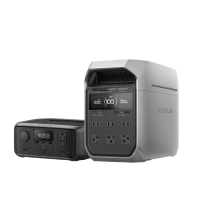
Compact battery power stations act as a clean, indoor-safe alternative to noisy petrol generators. Equipped with standard UK three-pin plugs, USB-C fast-charging ports, and pure sine wave inverters, a suitably rated portable unit can power an internet router, laptops and smartphones.
If refrigeration is one of your essential loads, the guide to what is the temp in the fridge explains temperature settings and monitoring; it is not a substitute for power-cut food-safety advice.
Install a Home Battery Backup System
For households that want critical circuits to keep running through a long grid failure, a permanent home battery is a reliable emergency shield. Bitter winter gales and severe weather often hold up roadside repair crews, so restoring power in isolated parts of Northern Ireland can take hours or even days. Setting up a dedicated home backup source before storm season takes a lot of the sting out of an unexpected outage.
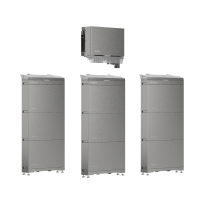
Systems like the EcoFlow OCEAN 2 Plus Single Phase pair scalable home battery storage with seamless backup. When mains power drops, the system kicks in and supplies the connected essential circuits, keeping energy-efficient refrigeration, primary lighting rings and heating controls running without anyone needing to step in.
Use Solar Panels to Recharge a Compatible Backup Battery
Extended winter blackouts can deplete a battery reserve if the grid stays down for several days. Pairing your home battery with rooftop solar PV or connecting portable folding solar arrays to a power station creates a self-sustaining microgrid loop. Even under diffuse UK overcast light, modern monocrystalline panels generate enough daylight wattage to trickle-charge storage cells and help extend off-grid runtime, but winter output cannot guarantee uninterrupted supply. As Energy Saving Trust explains, solar generation is lower in winter, and power-cut operation requires suitable equipment and configuration.
Monitor Household Energy Consumption to Prioritise Essential Loads
When the power goes out, the key is making your stored kilowatt-hours stretch, so they don’t drain too fast. Get a handle on how your home normally uses power, then check what your solar is producing and how much battery you’ve got left. That lets you cut the non-essential standby draws and send your reserve straight to the circuits that matter most.
An integrated energy management display like the EcoFlow PowerInsight 2 gives you a clear, real-time view of total household generation, grid import and battery status. Seeing your live usage at a glance makes it easy to spot energy-hungry appliances, adjust habits on the fly and put together a sensible emergency power-sharing plan.

How Can You Choose the Right Backup Power System for Your Home?
You can start with the appliances you actually need during an outage. Battery capacity sets how long you can keep going, and inverter output sets how many devices you can run at once.
A home energy ecosystem can coordinate solar generation, battery storage and compatible household devices; backup circuit design still needs to match your essential loads.
Calculate Your Essential Household Power Requirements
Before choosing a backup system, make a list of the appliances you would want to keep running during an outage. Check their normal power use, and remember that fridges and pumps can draw more power when they first start. The guide to how many kWh does a house use offers a whole-home baseline; size outage backup from your own essential loads and the hours they must run.
| Essential Appliance | Typical Running Wattage | Surge / Peak Power | Priority Level |
|---|---|---|---|
| Wi-Fi Router & ONT Box | 15 W – 25 W | 25 W | High |
| LED Lighting (per room) | 10 W – 30 W | 30 W | Medium |
| A-Rated Fridge/Freezer | 50 W – 120 W | 400 W – 800 W | High |
| Combi Boiler Pump & Electronics | 80 W – 150 W | 200 W – 300 W | High (Winter) |
| Laptop / Work Setup | 60 W – 100 W | 130 W | Medium |
| Kettle (standard UK rapid-boil) | 2,000 W – 3,000 W | 3,000 W | Low (Avoid on battery) |
Compare Battery Capacity and Backup Power Output
Capacity (measured in watt-hours or kilowatt-hours, Wh/kWh) tells you how long power can flow, while continuous output (measured in watts or kilowatts, W/kW) decides which appliances can run at the same time.
Small scale (500 Wh – 1,000 Wh): Good for phones, broadband routers, low-wattage lighting and work laptops.
Medium scale (1 kWh – 3 kWh): May support a fridge-freezer, compatible gas/oil boiler controls and small electronics; runtime depends on measured demand, usable capacity and inverter losses.
Whole-home scale (5 kWh – 15+ kWh): Can carry the main domestic sub-panels, including kitchen appliances, immersion boosters and complete lighting rings.
Consider Backup Duration and Recharging Options
Think about how your chosen system refills itself when grid repairs drag on. A unit with fast AC mains charging can top up fully from the grid the moment power flickers back on. If you want off-grid resilience, look for high-input MPPT solar controllers, 12V/24V in-car charging compatibility, or direct dual-fuel generator integration, subject to the chosen system’s compatibility, available fuel or sunlight, and safe installation.
Schedule Your Free Consultation Today!
What kind of product or solution are you interested in?
Conclusion
Power cuts in Northern Ireland can last anywhere from a brief blip to several hours, especially in severe weather. Check NIE Networks Powercheck first to see whether the fault has already been reported and when power might come back. For longer outages, backup power can keep essentials like broadband, refrigeration, lighting and heating controls running. The best setup depends on your household load, how long you need to run and what charging options you have, so it’s worth working out your essential power needs before the next outage hits.
FAQs
How Long Is the Lifespan of a Home Solar Energy Storage System?
Home battery lifespan and retained capacity depend on the model, operating conditions and usage. Check the manufacturer’s warranty and cycle-life terms rather than applying one lifespan or capacity-retention figure to every LiFePO4 battery.
Can You Install Battery Storage Without Solar Panels in Northern Ireland?
Yes. You can install standalone battery storage without panels and charge it straight from the mains grid. Many Northern Ireland households pair a standalone battery with a variable or off-peak tariff, charging at cheap night rates and discharging during costly daytime peak hours or sudden outages.
Can You Charge an EV During Power Outage?
A standard grid-fed EV charger will not operate during a power cut. Charging from a home battery is possible only if the charger is included in a suitably designed backup system with adequate inverter output and correctly coordinated earthing and protection. The IET notes that some open-PEN detection devices may not operate effectively in island mode. Ask a qualified installer to confirm compatibility; EV charging can substantially reduce the energy available for household essentials.
How Do I Keep Equipment Safe During a Power Cut?
Unplug sensitive consumer electronics, such as televisions, desktop computers and audio amplifiers, straight from the wall sockets as soon as the power drops. That shields delicate internal circuits from the high-voltage surges and inductive spikes that often hit when the grid switches back on.
What Should You Do After a Power Outage?
Wait a few minutes after power returns before switching on major appliances, and keep fridge and freezer doors shut until you’ve checked the compressor has restarted normally. Reset the digital timers on central heating programmers, check the trip switches on your consumer unit to confirm no breakers tripped during reconnection, and make sure your battery backup systems have started recharging safely.

