
Meaning of Retrofitting: A Complete Guide to Modernizing Your Home (UK 2026)
Retrofitting refers to upgrading an existing home with modern energy-efficient technologies, insulation, and smart systems to reduce energy consumption, lower carbon emissions, and cut utility bills. In the UK, retrofitting is becoming essential as energy prices remain volatile and EPC regulations continue to tighten.
This guide shows you how upgrading your home can cut your bills, make the place more comfortable, and get it ready for whatever new rules come along down the line. We’ll also point you to the latest tech that’s helping people across Britain really get on top of their energy.
Why Retrofitting Matters in the UK (2026 and Beyond)
Retrofitting basically means adding new features to an existing building to cut its energy use and make it more sustainable. In today’s economic climate, it’s the way to keep your bills under control and protect the value of your property for years to come.
Cost-of-Living Pressures: Despite market shifts, electricity remains expensive. Retrofitting targets the root cause of high bills: energy waste, providing a long-term solution on how to save energy at home effectively.
EPC Ratings & Regulations: The Future Homes Standard and tightening EPC requirements mean that poorly rated homes are becoming harder to sell or let. A retrofit is an investment in your property’s marketability.
Net Zero 2050: The UK’s commitment to decarbonising the housing stock means fossil fuel boilers are being phased out in favour of cleaner, integrated systems.This shift often prompts questions about infrastructure, such as will three-phase electricity come to the UK to support increased power demands.
.png)
Key Types of Home Retrofitting Improvements
A successful retrofit is a combination of “fabric first” approaches and high-tech energy solutions.
Insulation and Fabric Upgrades
Before upgrading your boiler, you must ensure heat isn’t escaping. This includes loft insulation, cavity wall filling, and underfloor protection. It’s the most cost-effective way to lower your “heat demand.”
Low-Carbon Heating and Renewables
Transitioning to Air Source Heat Pumps (ASHPs) or installing solar PV panels are the heavy hitters of retrofitting. They shift your home’s reliance away from the volatile gas market, demonstrating why home storage is important when turning your home into a solar house to ensure no green energy is wasted.
Smart Energy Controls
But hardware on its own won’t cut it. The real trick to saving money in 2026 comes down to one thing: seeing what’s happening. With time-of-use tariffs (like Octopus Agile) becoming pretty standard in the UK, you need to know exactly when you’re using power and where it’s going.
Traditional monitors often provide data too late to be actionable. This is where a system like the EcoFlow PowerInsight 2 becomes essential for a modern retrofit. As a central energy brain, it provides real-time visibility through an intuitive interface. Instead of guessing your consumption, you can monitor every appliance and automate your home to run when electricity is cheapest. For UK homeowners dealing with all sorts of peak rates, this kind of smart control makes sure your retrofitted kit all works together, not against each other.
Cost of Retrofitting in the UK
The cost of a retrofit varies significantly based on the age of your property and the depth of the upgrades.
| Retrofit Type | Average Cost (UK) | Potential Annual Saving |
|---|---|---|
| Loft Insulation | £500 – £1,100 | £200+ |
| Air Source Heat Pump | £7,000 – £13,000 | Variable (Higher with Solar) |
| Solar PV System | £5,000 – £8,000 | £400 - £600 |
| Home Battery Storage | £4,000 – £9,000 | High (Tariff dependent) |
Note: Costs are estimates and can be offset by grants like the Boiler Upgrade Scheme or zero-rated VAT on energy-saving materials.
Why Energy Storage Matters in Retrofitted Homes
Solar power in the UK has a well‑known catch, it generates most when you’re out at work, and you need it most after the sun’s gone down. On top of that, peak electricity pricing (usually 4pm to 7pm) can cost three times as much as off‑peak rates.
Without somewhere to store that energy, most of your solar investment gets exported to the grid for next to nothing. Then, just a few hours later, you end up buying it back at a premium. That’s why investing in high-quality home battery storage has become the backbone of any decent retrofit.
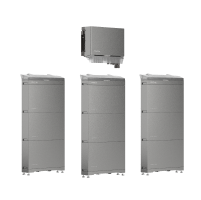
For a professional-grade retrofit, the EcoFlow OCEAN 2 offers a robust, future-proof energy foundation, delivering a massive 15kW output capable of running heavy loads like heat pumps and EV chargers simultaneously. Engineered for the British climate with IP66-rated protection and auto-heating technology, this modular system scales up to 60kWh and features LFP cells rated for 10,000+ cycles, providing over 25 years of reliable, high-performance energy independence.

Energy Savings and ROI: Is Retrofitting Worth It?
To understand the impact, you can use a simple formula to estimate the running costs of your appliances:
Daily Energy Cost = kWh Used × Electricity Rate
This simple calculation helps you clearly see how shifting your usage to cheaper time periods or using stored solar energy, can dramatically reduce your daily electricity spend.
| Comparison Factor | Without Retrofit (Grid Reliant) | With Retrofit (Solar + OCEAN 2) |
|---|---|---|
| Peak Hour Energy Source | National Grid (16:00 – 19:00) | Stored Solar / Off-Peak Energy |
| Average Unit Price | ~45p per kWh (Peak Tariff) | ~10p per kWh (Effective Cost) |
| Energy Independence | 0% – Fully exposed to hikes | 60% - 80% – Significantly shielded |
| Reliability | Vulnerable to grid outages | 0ms Seamless Backup |
| Estimated Daily Spend | High (£12.00 - £15.00+) | Low (£4.50 - £6.00) |
How to Plan a Home Retrofit: A Step-by-Step Guide
Planning a retrofit stops you throwing money at oversized kit or bits that don’t talk to each other. Here’s how to go about it.
Step 1: Get an Energy Assessment
Start with a proper EPC or a PAS 2035 retrofit survey. This tells you exactly where your home sheds heat, so you can tackle the worst spots first.
Step 2: Put Fabric First
There’s no point sticking in a fancy heat pump if all your warmth leaks out through an uninsulated loft. Focus on loft insulation, cavity wall insulation, and decent glazing to bring your home’s overall heat demand down.
Step 3: Set Your Budget and Check for Grants
Look into government schemes like the Boiler Upgrade Scheme or the Great British Insulation Scheme. Lots of energy-saving materials also come with 0% VAT, which knocks a decent chunk off the upfront cost of professional installation.
Step 4: Pick Certified Installers
Stick with installers who carry MCS (for renewables) or TrustMark accreditation. Most grants won’t even look at you without them. Plus, it’s your only guarantee the job meets UK safety and quality standards.
Step 5: Monitor and Tweak
Grab a smart meter or a home energy management system to see how you actually use power. Track your usage before and after each upgrade, that’s how you’ll know whether you’re getting your money’s worth, and when to shift your habits to hit those off-peak tariffs.
Schedule Your Free Consultation Today!
What kind of product or solution are you interested in?
Conclusion
For UK homeowners, retrofitting in 2026 is about more than insulation or low‑carbon heating — it’s about managing energy intelligently in an increasingly electric home. As reliance on electricity grows, controlling when power is used becomes just as important as how it’s generated.
Combining solar, home battery storage and smart energy management allows retrofits to deliver real, long‑term savings rather than just regulatory compliance. Systems like EcoFlow OCEAN 2, supported by EcoFlow PowerInsight 2, help households store surplus energy, avoid peak tariffs and keep costs predictable — turning retrofitting into a practical upgrade for everyday living.
FAQs
1. Is retrofitting worth it for older homes?
Absolutely. Older Victorian or Edwardian homes often see the biggest percentage drop in their energy bills after a retrofit, simply because they start from such a low efficiency baseline. Yes, the upfront cost can be higher, especially if you need solid wall insulation. But the jump in comfort and property value is well worth it.
2. How long does a retrofit usually take?
A simple “shallow” retrofit, like adding insulation or swapping out a controller, can take just a few days. A “deep” retrofit, where you’re putting in heat pumps and solar panels, will probably run you two to four weeks. At the end of the day, it all depends on how much plumbing and electrics need sorting out.
3. Can I retrofit my home in stages?
Absolutely, and most UK homeowners choose this “stepped” approach to manage cash flow. It is common to start with insulation, followed by solar and storage, and finally a heat pump once the home’s heat demand is lowered.
4. What is the difference between deep and shallow retrofit?
A shallow retrofit involves simple, low-cost changes like LED lighting and loft insulation. A deep retrofit, on the other hand, overhauls the whole building envelope and its energy systems, aiming to slash energy use by 70‑90%.

