
Lithium Solar Batteries: How They Work, Types, Benefits & How to Choose
A lithium solar battery stores surplus electricity from your solar panels so you can use it later instead of exporting all of it to the grid. For UK households, battery storage can be particularly useful in the evening, during periods of lower solar generation, and when paired with time-of-use tariffs. This guide explains how lithium solar batteries work, the main types available, their potential benefits, and what to consider when choosing a system for your home.
Key Takeaways
Maximise Self-Consumption: Store excess daytime solar generation and use it later, reducing the amount of electricity you need to import from the grid.
Time-of-Use Savings: During periods of low solar generation, a battery can charge from the grid when electricity prices are lower and discharge later when rates are higher, depending on the tariff and system settings.
Chemistry Matters: LFP is widely used in stationary energy storage because of its strong thermal stability and cycle-life characteristics. However, performance, safety and installation requirements vary by battery design and manufacturer.
Emergency Backup: Some battery systems can automatically provide backup power during grid outages, depending on the system design, backup configuration and supported loads.
How Do Lithium Solar Batteries Work for Homes?
A home solar battery storage system works alongside your solar panels and inverter. It stores electricity when generation exceeds household demand and supplies that stored energy when electricity is needed later.
How solar power flows from panels to the home and battery
Sunlight hits your photovoltaic array, generating direct current (DC) electricity. In a hybrid system, the inverter manages this electricity and supplies the home while charging the battery when there is surplus generation. In a DC-coupled configuration, surplus DC electricity can be stored directly in the battery without an additional DC-to-AC-to-DC conversion. Once the battery reaches its configured charge limit, remaining solar generation may be exported to the grid, subject to system settings and grid-connection limits.
How excess solar energy is stored and used later
The battery stores the surplus electricity through electrochemical reactions within its cells. Later, when solar generation falls or household demand rises, the battery discharges stored energy to help supply the home. This can reduce the amount of electricity imported from the grid during higher-priced periods.
What the hybrid inverter does
A hybrid inverter can combine solar and battery inverter functions within one system. In a DC-coupled configuration, electricity from the solar array can be routed to the battery without an additional DC-to-AC-to-DC conversion. This can reduce conversion losses compared with some AC-coupled configurations, although overall system efficiency depends on the inverter, battery and operating conditions.
How the BMS protects lithium battery cells
Residential lithium battery systems typically include a battery management system (BMS) that monitors parameters such as cell voltage, temperature and current. Depending on the system design, the BMS can limit charging or discharging when operating conditions fall outside specified ranges, helping protect the cells from overcharging, excessive current and temperature-related stress. Cold-weather charging limits vary by battery chemistry and manufacturer, and some systems include battery heating or other temperature-management features.
What Are the Key Types of Lithium Solar Batteries?
Lithium solar batteries vary mainly by cell chemistry, operating voltage, and build. Those differences drive cost, installation, lifespan, and how easily the system can be expanded.
LFP vs NMC: Safety, Lifespan, Energy Density and Cost
Two primary chemical formulations dominate residential storage: Lithium Iron Phosphate (LiFePO4 or LFP) and Nickel Manganese Cobalt (NMC). While NMC offers high energy density for compact electric vehicles, LFP is the undisputed gold standard for stationary home installations.
| Metric | LFP (Lithium Iron Phosphate) | NMC (Nickel Manganese Cobalt) |
|---|---|---|
| Thermal Stability | Higher thermal stability; exact thermal-runaway behaviour varies by cell design and operating conditions | Generally lower thermal stability than LFP; exact behaviour varies by cell chemistry and cell design |
| Expected Cycle Life | Often designed for a long cycle life; actual ratings vary by manufacturer, depth of discharge, temperature and operating conditions | Cycle life varies significantly by cell chemistry, design and operating conditions |
| Usable Depth of Discharge | Usable DoD varies by manufacturer and battery management settings | Usable DoD varies by manufacturer and battery management settings |
| Volumetric Density | Slightly larger footprint required | Compact footprint |
| Raw Material Toxicity | Cobalt-free, but environmental impacts still arise from mining, processing and manufacturing | Contains cobalt and nickel |
Low-voltage vs High-voltage battery systems
Low-voltage home battery systems often operate around 48V, while high-voltage systems operate at substantially higher voltages. For the same power output, a higher-voltage system requires less current, which can reduce resistive losses and cable requirements. However, the best voltage architecture depends on the battery, inverter and overall system design rather than household size alone.
Fixed vs Modular battery architecture
Fixed-capacity units are supplied with a predefined storage capacity, such as a 10 kWh all-in-one system that is not designed for capacity expansion. Modular systems can instead use multiple battery modules to provide a larger or expandable storage capacity, depending on the manufacturer’s design. If your demand grows later after buying an EV or building a garden room, you can slot in extra modules without ripping out what’s already there.

How Do Lithium Solar Batteries Benefit UK Homeowners?
For UK homeowners, a battery can increase the amount of solar electricity used at home, reduce grid imports, and make better use of cheaper off-peak tariffs.
Increase solar self-consumption
Without battery storage, some of the electricity generated by rooftop solar may be exported when generation exceeds household demand. A battery can store part of this surplus for later use, increasing solar self-consumption. The actual improvement depends on the size of the solar array and battery, household demand patterns, system efficiency and export tariff.
Store cheap electricity under time-of-use tariffs
Time-of-use tariffs can offer lower electricity prices during selected periods, while dynamic tariffs such as Agile Octopus vary prices throughout the day. A home battery can potentially charge when electricity is cheaper and discharge when prices are higher, depending on the tariff rules, battery controls and system configuration. For comparison, Ofgem’s electricity price cap average for Direct Debit customers in Great Britain is 26.11p/kWh from July to September 2026, although actual rates vary by region and tariff.
Reduce peak-time grid imports and electricity costs
Energy costs depend partly on how much electricity you import and the rates you pay. Using stored energy for appliances such as a dishwasher or washing machine can reduce grid imports during higher-priced periods. However, savings depend on battery capacity, efficiency, tariff structure and household energy use. Understanding how much electricity does a washing machine use can help you plan which loads to run from stored energy.
Keep your lights on during power cuts
During a grid outage, standard grid-connected solar systems generally shut down to prevent electricity from being fed into the network while it is being repaired. Battery systems with a suitable backup function can isolate the home from the grid and continue supplying supported circuits. Whether the changeover is automatic and which appliances remain powered depends on the system design and backup configuration.
What Features Matter in a Home Battery Storage System?
Battery capacity is only one part of the decision. You also need to consider power output, compatibility, expandability, smart charging, and backup capability.
Compatibility with UK single-phase homes
Many homes in Great Britain use a 230V single-phase supply, although the appropriate system depends on the property’s existing electrical installation. Choosing equipment designed for the home’s supply configuration can simplify system design and installation. Where the battery system can import from or export to the grid, the applicable DNO connection requirements, including EREC G98 or G99 where relevant, should be confirmed by the installer.
Modular capacity for changing energy needs
Household power rarely stays the same for ten years. Replacing gas heating with an air-source heat pump or adding an EV can significantly increase household electricity demand. If you expect your electricity use to rise, an expandable battery system can give you more flexibility to increase storage capacity later, subject to the manufacturer’s limits and installation requirements.
Smart charging for solar and time-of-use tariffs
Manual scheduling can be inconvenient. Some smart battery systems can automate charging and discharging based on tariff prices, solar generation forecasts and other system inputs. If sufficient solar generation is expected, the system may reduce grid charging to leave room for solar energy later in the day. A connected Home Energy Ecosystem brings generation, storage and household demand together.
Backup capability during power cuts
Proper blackout protection comes down to surge capacity. When something with an electric compressor kicks in, it pulls a momentary spike well above its normal running wattage. Good backup hardware rides out those spikes without tripping breakers.
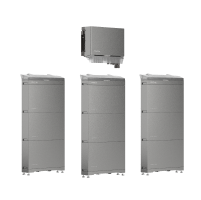
The EcoFlow OCEAN 2 Plus Single Phase is built for single-phase home setups and uses LFP modules you can add to as your needs change. With triple MPPT trackers (depending on system power rating), it handles arrays spread across east-west or split-pitch roofs without performance bottlenecks. The system provides backup during grid outages, and its IP66 rating means it can go indoors or out. And if you’re planning an EV charger or heat pump down the line, the modular design leaves room to add more storage.
How to Choose the Right Lithium Solar Battery for Your Home
Start with your electricity use, then check the battery’s capacity, power output, compatibility, and warranty.
Step 1: Match Battery Capacity to Your Household Consumption
Dig out your bills or pull up your smart meter to see what you use each day, especially from late afternoon through to the next morning. That gives you a clearer idea of whether you need 5 kWh, 10 kWh, or more. For context, the guide to how many kWh does a house use can help you compare your consumption with typical household patterns.
Step 2: Check Power Output and Usable Capacity (DoD)
Check how much of the stated capacity is usable and how much power the battery can deliver at any one time. For example, a 10 kWh battery with a 90% usable DoD would provide about 9 kWh of usable energy. If the home needs more power than the battery can supply, the grid or another available energy source may provide the difference.
Step 3: Confirm Compatibility With Your Existing Solar Inverter
If you’ve already got solar, check the battery will work with your current setup. AC-coupled batteries are usually the easier retrofit, while a DC-coupled system may need a hybrid inverter.
Step 4: Check Scalability, Warranty, and Installation
If an EV or heat pump is on the cards, your usage will go up, so pick a battery you can add to down the track. Compare warranty length, cycle or throughput limits, and guaranteed remaining capacity. Choose an installer who follows relevant UK battery installation standards and has experience with the applicable electrical and grid-connection requirements.
Step 5: Monitor and Optimize Your Home Energy Use
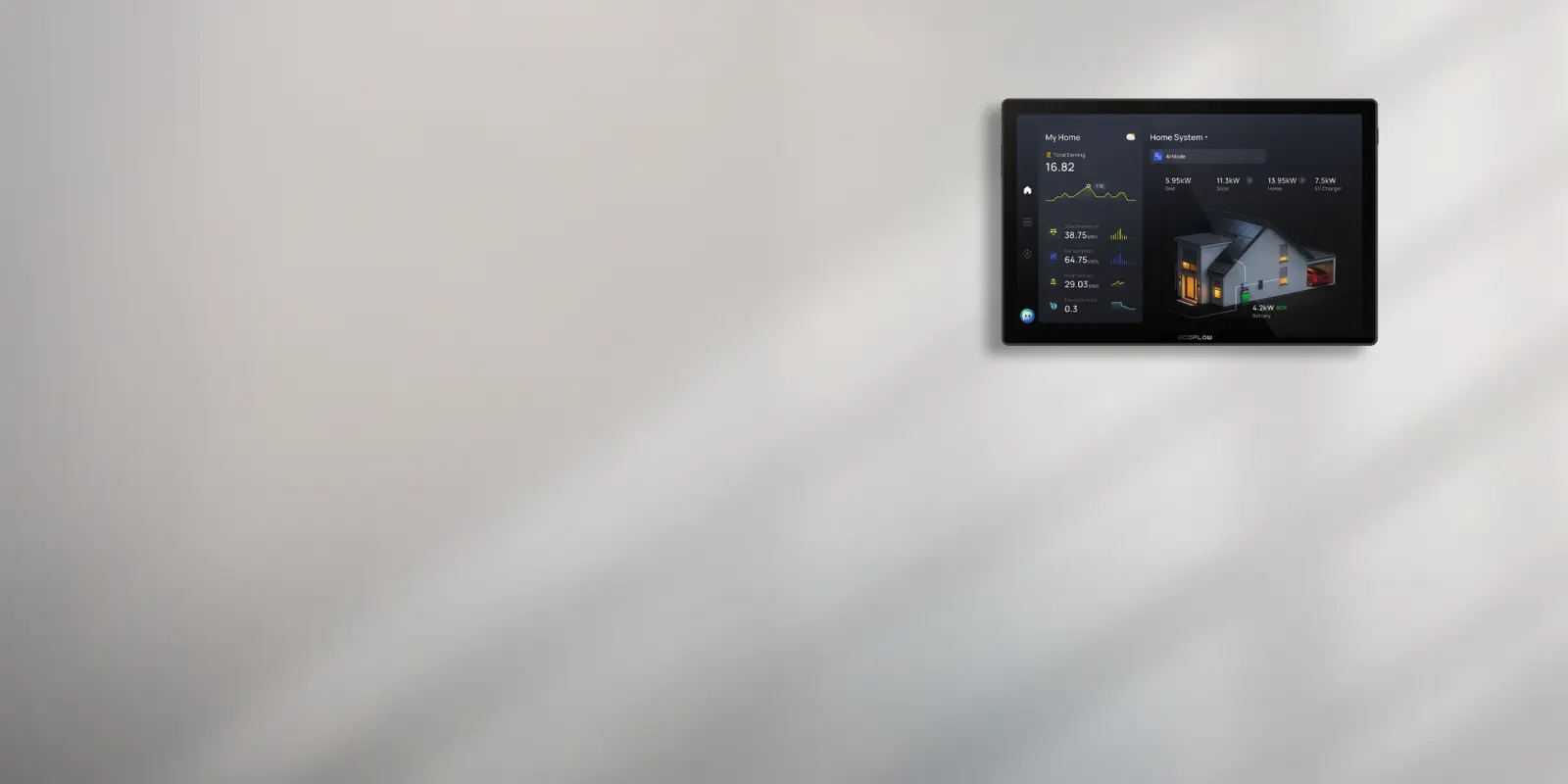
Once the battery’s in, keep an eye on solar generation, household demand and battery state of charge so you can tweak your charging and usage schedules. The EcoFlow PowerInsight 2 brings these energy flows into one dashboard, allowing you to monitor solar generation, household consumption and battery charge and discharge in real time.
Schedule Your Free Consultation Today!
What kind of product or solution are you interested in?
Conclusion
Lithium solar batteries can help UK households make greater use of their solar generation, reduce grid imports and take advantage of suitable time-of-use tariffs. Their value depends on how much electricity the household uses, when that electricity is used, the battery’s usable capacity and power output, and the available tariff options.
Before adding a battery, check your existing solar and inverter setup, electricity tariff, usable battery capacity, power output, backup requirements and any applicable grid-connection requirements. The right system depends on how much electricity your household uses, when you use it, and how much solar or grid electricity you want the battery to store.
Disclaimer: The information in this article is for general guidance only and does not constitute electrical, financial or legal advice. Electricity tariffs, grid-connection requirements, battery performance and installation standards can change over time and vary by property, supplier and system. Always check current requirements with your energy supplier, DNO and a qualified installer before purchasing or installing a home battery.
FAQs
Do I need solar panels to use batteries?
No. A home battery can be installed without solar panels. It can be charged from the grid during lower-priced periods and discharged later when electricity prices are higher, depending on the tariff and battery system. Energy Saving Trust also notes that batteries can be used with smart time-of-use tariffs without solar panels.
How long do lithium solar batteries last?
Battery lifespan varies by chemistry, product design, operating conditions and warranty terms. Some modern LFP systems are designed for a long cycle life, but cycle ratings should not be treated as a guaranteed calendar lifespan. For a more general benchmark, Energy Saving Trust currently gives a typical battery lifespan of around 10 to 12 years, while individual products may offer longer warranties or higher cycle ratings.
What is the 80/20 rule for lithium batteries?
The 80/20 rule is a general battery-management guideline that recommends keeping the state of charge within a partial range to reduce battery stress. However, it is not a universal requirement for modern home batteries. LFP systems may support a relatively high depth of discharge, but the recommended operating range depends on the battery manufacturer, BMS settings and warranty conditions.
How long does a solar battery take to pay for itself in the UK?
There is no single typical payback period for a home battery in the UK. The result depends on the battery’s purchase and installation cost, usable capacity, electricity and export tariffs, household consumption, solar generation and system efficiency. A battery may offer attractive savings for some households, but Energy Saving Trust notes that savings do not always justify the cost of the battery on their own.
Are lithium solar batteries safe for homes?
Modern residential batteries can be designed with multiple safety protections, and LFP chemistry generally offers good thermal stability compared with some other lithium-ion chemistries. However, no lithium-ion battery is risk-free, so correct product selection, installation, protection and maintenance are important. LFP chemistry generally has higher thermal stability than NMC, which can reduce the risk and severity of thermal runaway under some conditions. However, battery safety also depends on cell design, battery management, enclosure, installation and operating conditions. A battery management system can monitor parameters such as temperature, voltage and current and help keep the battery within its specified operating limits. Installation location and fire-safety measures should also follow the manufacturer’s instructions and applicable UK requirements.

