
Housing Solar: How Solar Energy Works for UK Homes
UK solar panels can still generate electricity on cloudy days, but how much of that power a household can actually use depends on the roof, the season and when people are home. This guide explains how panels and inverters work, what affects output, and what you can do with surplus electricity from storing it in a battery to exporting it through the Smart Export Guarantee (SEG).
Key Takeaways
Daylight is enough: PV cells run on daylight, not blazing sunshine, so panels still generate power under typical overcast British skies.
Converted on the spot: Roof panels produce DC, and a string or hybrid inverter immediately turns it into 230V AC for your household circuits.
Mind the timing gap: UK households generate most of their solar power between 10:00 and 16:00, but demand peaks between 17:00 and 21:00.
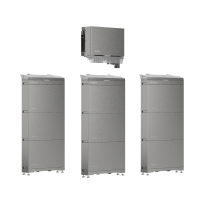
Store it to use it later: Pair solar panels with a modular battery setup such as the EcoFlow OCEAN 2 Plus Single Phase, and your home can bank daytime solar and draw on it after dark.
Usually permitted development: In England, Scotland and Wales, most domestic roof-mounted arrays don’t need full planning permission, as long as standard conditions are met.
What Is Housing Solar and How Does It Work?
A home solar system has three main steps: panels generate electricity, an inverter converts it, and the consumer unit sends it to your appliances.
Solar Panels Capture Daylight Through Photovoltaic Cells
The rooftop array does the heavy lifting through semiconductor wafers—typically silicon—wired inside weatherproof glass panels. When daylight photons hit these cells, they dislodge electrons from atoms, creating an electrical flow. Direct Mediterranean sunshine produces the highest yields, but panels do not require clear blue skies; ambient light filtering through high cloud in Yorkshire or Surrey is plenty to initiate the photovoltaic effect.
The Solar Inverter Converts DC Electricity into AC Power
Electricity created directly by rooftop cells flows as Direct Current (DC), which cannot run standard UK home wiring. Heavy-duty DC cables route this power into an inverter—usually mounted on a garage wall, utility room, or loft space. The inverter transforms low-voltage DC into standard 230V Alternating Current (AC) synchronised to the exact 50Hz frequency of the UK National Grid.
Solar Electricity Powers Household Appliances Through the Consumer Unit
Once converted to AC, the current flows straight into your main consumer unit (fuse box). Domestic electrics naturally follow the path of least resistance. If your array produces 2.5 kW and your washing machine and fridge are pulling 1.8 kW, your home consumes the rooftop energy first without pulling a single watt through the grid meter.
| Stage | Hardware Involved | Core Function |
|---|---|---|
| Generation | Monocrystalline PV panels | Absorbs ambient photons to produce raw DC current |
| Conversion | String or Hybrid Inverter | Changes DC electricity into synchronised 230V AC supply |
| Distribution | Consumer Unit (Fuse Box) | Routes live AC electricity directly into domestic rings and spurs |
What Affects Solar Panel Performance in UK Homes?
Solar output changes through the year and from roof to roof. Cloud, daylight hours, panel direction, shade and temperature all play a part.
Weather and Cloud Cover
Thick, dark rain clouds will drop generation down to 10%–25% of a panel’s rated peak capacity. That said, common British scattered cloud cover often produces a “cloud-edge” effect, where light reflecting off bright cumulus edges briefly boosts irradiance above standard test conditions.
Seasonal Daylight Hours
Seasonal disparity in the UK is pronounced. A south-facing 4 kW array in the Midlands might generate 18 to 22 kWh on a bright June afternoon with 16 hours of daylight, but yield just 2 to 4 kWh on an overcast December day with under 8 hours of light. Balancing seasonal variance is the primary consideration when planning year-round self-consumption.
Roof Orientation, Tilt and Shading
South-facing pitches tilted between 30° and 40° provide the highest annual generation figures across Britain. East- and west-facing roofs still produce roughly 80% to 85% of that benchmark, spreading output across early mornings and late afternoons. Shading from chimney stacks, dormers, or mature oak trees must be managed carefully with string optimisers or microinverters to avoid dragging down an entire string.
Panel Temperature and Dirt Buildup
Solar panels are tested at 25°C. For every degree above that threshold, photovoltaic efficiency drops by roughly 0.3% to 0.4%. Mild, windy 18°C spring days in the UK often yield better instantaneous output than stifling 33°C summer afternoons. When it comes to dirt, typical British rain cleans off roadside dust naturally, though coastal homes may see sea-salt grime requiring an occasional rinse. For persistent deposits, our solar panel cleaning guide explains maintenance options.

What Happens to Excess Solar Electricity in UK Homes?
When panels generate more electricity than the home is using, the surplus can be stored in a battery or exported to the grid.
Storing Surplus Solar Electricity in a Home Battery
Rather than letting surplus generation go to waste, a home battery catches the overflow. The energy flows into the battery cells for later, so you can run the oven, boil the kettle and power your entertainment setup during expensive evening hours without pulling from the grid. Compare solar battery storage options against your evening demand and available solar surplus.
Exporting Excess Solar Electricity to the Grid and Earning SEG Payments
Unstored surplus electricity automatically spills out through your electricity meter into the local distribution network. Under the Smart Export Guarantee (SEG) in Great Britain, participating suppliers pay eligible generators for metered electricity exports; Northern Ireland has separate export arrangements. Rates vary widely across providers, ranging from modest flat rates to competitive, flexible export plans for homes with smart export meters.

How Can UK Households Make the Most of Solar Energy?
Using more of your own solar power can reduce the amount you buy from the grid. A few practical choices—when to run appliances, whether to add a battery and which tariff to use—can help. A connected home energy ecosystem can bring generation, storage and household loads together.
Shift Household Electricity Use to Peak Solar Generation Hours
Staggering high-draw appliances turns daylight into immediate financial savings. Running the washing machine, dishwasher, or tumble dryer sequentially between 11:00 and 15:00 uses generation as it happens, preventing unnecessary grid imports later on. Our guide, “how much electricity does a washing machine use”, can help you plan daytime laundry loads.
Combine Solar Panels with Battery Storage for Greater Energy Independence
British homes naturally experience peak generation when occupants are away, leaving evening peak demand vulnerable to grid pricing. Pairing an array with high-capacity storage can help reduce this mismatch.
For instance, the EcoFlow OCEAN 2 Plus Single Phase inverter supports a dual-tower battery configuration providing up to 96 kWh of expandable storage. This modular scalability allows households to start with a footprint matching current demand and expand as future loads grow—such as adding a heat pump or an electric car—retaining on-site power and substantially cutting dependence on grid imports.
Use Smart Energy Management to Monitor Solar Generation and Household Consumption
Extracting maximum value requires real-time awareness of where energy is flowing, especially given the sharp contrast between British winter and summer generation profiles. Centralised monitoring eliminates the guesswork behind domestic energy habits.
The EcoFlow PowerInsight 2, featuring an 11-inch touchscreen display, consolidates real-time solar generation figures, live home power consumption, and battery charge states in one accessible interface. Having this visibility allows homeowners to coordinate appliance use and schedule storage charging with precision.
Choose a Suitable Electricity Tariff to Manage Imports and Exports
Static flat-rate tariffs rarely suit solar-equipped homes. Pairing an array and battery with smart time-of-use tariffs (such as off-peak overnight rates for EV charging or dynamic export plans) allows you to import cheap grid power on dark winter nights and export stored energy during lucrative grid peak windows.
| Strategy | Operational Habit | Primary Benefit |
|---|---|---|
| Load Shifting | Setting dishwasher & laundry timers for mid-day | Absorbs peak generation instantly without battery wear |
| Home Battery Storage | Capturing midday solar for evening cooking & lighting | Protects against peak evening import rates (17:00–21:00) |
| Smart Monitoring | Tracking real-time live loads via dedicated touchscreen | Identifies baseline phantom loads and generation surplus |
| Dynamic Tariffs | Pairing overnight off-peak imports with smart export rates | Maintains low bills through winter and monetises summer exports |
Schedule Your Free Consultation Today!
What kind of product or solution are you interested in?
Conclusion
Solar panels can still generate electricity in typical UK weather, but output varies with the season, roof and time of day. Using appliances while the panels are generating, storing surplus power in a battery or exporting it through an SEG tariff can help households get more from their system. Compare the options against your household’s usage and available tariffs before choosing a setup. The right combination can make more of your daytime generation available when you need it.
FAQs
How much can you save with solar panels in the UK?
A standard UK household with an unobstructed, south-facing 4 kW solar array typically saves £300 to £600 a year on a standard tariff by using its own generated power and earning SEG payments. Add battery storage and bill savings can climb to £800–£1,000+ a year, especially when paired with dynamic time-of-use tariffs like Octopus Flux or Agile, which let you buy cheap overnight grid power and sell at peak daytime export rates.
Is it still worth getting solar panels in the UK?
Yes. Grid electricity rates have eased from their historic peaks, but standalone solar systems still typically pay for themselves within 7 to 10 years. Adding battery storage pushes upfront costs higher, often £9,000 to £13,000 in total, which can stretch standalone solar-plus-storage payback to 9 to 13 years on flat-rate tariffs. That said, smart EV/battery tariffs and competitive export rates significantly speed up the return over the system’s 25-plus-year lifespan.
How Often Do Solar Panels Need to Be Cleaned?
Most UK solar installations only require cleaning once every two to three years. Because British roofs typically have a pitch above 15 degrees, regular rainfall naturally washes away airborne dust, pollen, and light debris, though arrays near major motorways, farming land, or heavy bird nesting areas benefit from an annual inspection.
Do I Need Planning Permission to Install Solar Panels in the UK?
Most roof-mounted solar panels are classed as Permitted Development in England, Wales and Scotland. Exceptions may apply to listed buildings, World Heritage Sites and properties subject to Article 4 Directions. Roof projection limits also vary by nation and roof type, so check with your local planning authority before installation. Your installer must also notify your local Distribution Network Operator (DNO). Systems up to 3.68 kW per phase usually follow G98: install first, then notify within 28 days. Larger systems generally need G99 approval before commissioning.
Can I Run My House on Solar Power Only in the UK?
You cannot realistically run an average UK home entirely off-grid on solar power year-round without massive over-sizing and backup generation. Midwinter daylight hours are too short to support high heating and lighting loads, making a grid connection or substantial hybrid battery system essential for reliable winter electricity.

