
Home Energy Monitor: The Ultimate Tool for Reducing Electricity Waste
With electricity bills still weighing on many UK households, getting a clear picture of where your energy actually goes can make a real difference. Smart meters give you the overall figure, but they don’t always pin down which appliances are driving your usage up. A home energy monitor digs into the details, showing you what’s happening in real time, so you can spot waste, tweak your habits, and start making smarter calls.
This guide runs through how these monitors work, what they can tell you about your electricity use, and how they can help UK households cut out unnecessary waste.
What Is a Home Energy Monitor and How Does It Work?
The main advantage of a home energy monitor is visibility. Instead of only seeing your total electricity usage, you can understand how different appliances contribute to your energy consumption throughout the day.
Tracks Real-Time Household Electricity Usage
A home energy monitor updates your consumption data every few seconds, providing an immediate visual representation of your electrical load. By monitoring these real-time spikes, you can instantly see the physical impact of switching on a kettle or starting a washing machine cycle, turning abstract kilowatt-hours into immediate, actionable feedback.
Measures Appliance Electricity Consumption
By utilising current sensor clamps fitted directly around your main electrical feeds or integrating with smart plugs, these monitors isolate the specific draw of individual appliances. This level of detail allows you to separate the energy footprint of your high-drain kitchen appliances from low-power systems like LED lighting or home routers.
Displays Energy Costs Over Time
Most modern monitors let you punch in your actual tariff rates, so instead of just seeing kilowatt-hours, you see what it’s costing you in pounds and pence. Understanding how many kWh does a house use can help homeowners compare their actual consumption with typical usage levels and identify where energy savings can be made. The data gets rolled up into weekly, monthly, and yearly projections – handy for spotting seasonal patterns and getting a firmer grip on your budget.
How Can a Home Energy Monitor Help Reduce Electricity Waste?
Real-time energy data is only useful if it helps you do something different. By showing you when and where the power is going, a home energy monitor makes it easier to spot waste, change your daily routines, and cut back on what you don’t actually need.
Identifies High-Energy Household Appliances
It’s easy to guess wrong about which appliances are eating up the most power. When homeowners wonder why is my electric bill so high, a home energy monitor can help identify whether large appliances, standby power, or inefficient devices are driving unnecessary consumption. You’d expect the tumble dryer to be the main culprit, but a monitor might show that an old, inefficient fridge is quietly racking up a hefty bill round the clock.
Detects Hidden Standby Power Usage
Plenty of appliances keep sipping power even when you’ve switched them off or left them on standby. It’s often called phantom load, and a home energy monitor brings that hidden drain into plain sight. You can see just how much your games console, telly, and chargers are quietly costing you overnight.
Reveals Daily Electricity Usage Habits
Go back through your usage graphs and you’ll soon spot patterns that are pushing your bills up. Take late afternoon, for instance – you might see a regular spike when everyone gets home, which can prompt a few simple tweaks to when you run the big appliances.
What Should You Look for in a Home Energy Monitor?
With various systems available on the UK market, selecting the right device depends on how much detail you need and how you prefer to access your data. The most effective systems offer a balance of precise hardware tracking and intuitive, accessible software.
Provides Accurate Energy Usage Data
The foundation of any quality monitor is its measurement accuracy. Look for systems that use precise current transformer (CT) clamps or direct utility meter pulse sensors to ensure the data you see matches the actual figures printed on your monthly utility bill.
Tracks Individual Appliance Usage
Tracking the whole house is all well and good, but the real savings come when you can see what each appliance is doing. Some monitors do this by learning the electrical signature of each device. They recognise the unique noise each one makes. Others use smart plugs to give you a closer look.
Offers Mobile Energy Monitoring
A user-friendly mobile application is essential for tracking your energy footprint on the go. High-quality apps provide instant push notifications for unusual energy spikes, historical reporting archives, and remote visibility when you are away from home.
Supports Smart Home Integration
Many UK households have already got smart thermostats, smart meters, and other energy kit in place, but they often live on separate platforms that don’t talk to each other. A decent home energy monitor should pull it all together, joining the dots between different systems so you’re not juggling half a dozen apps.
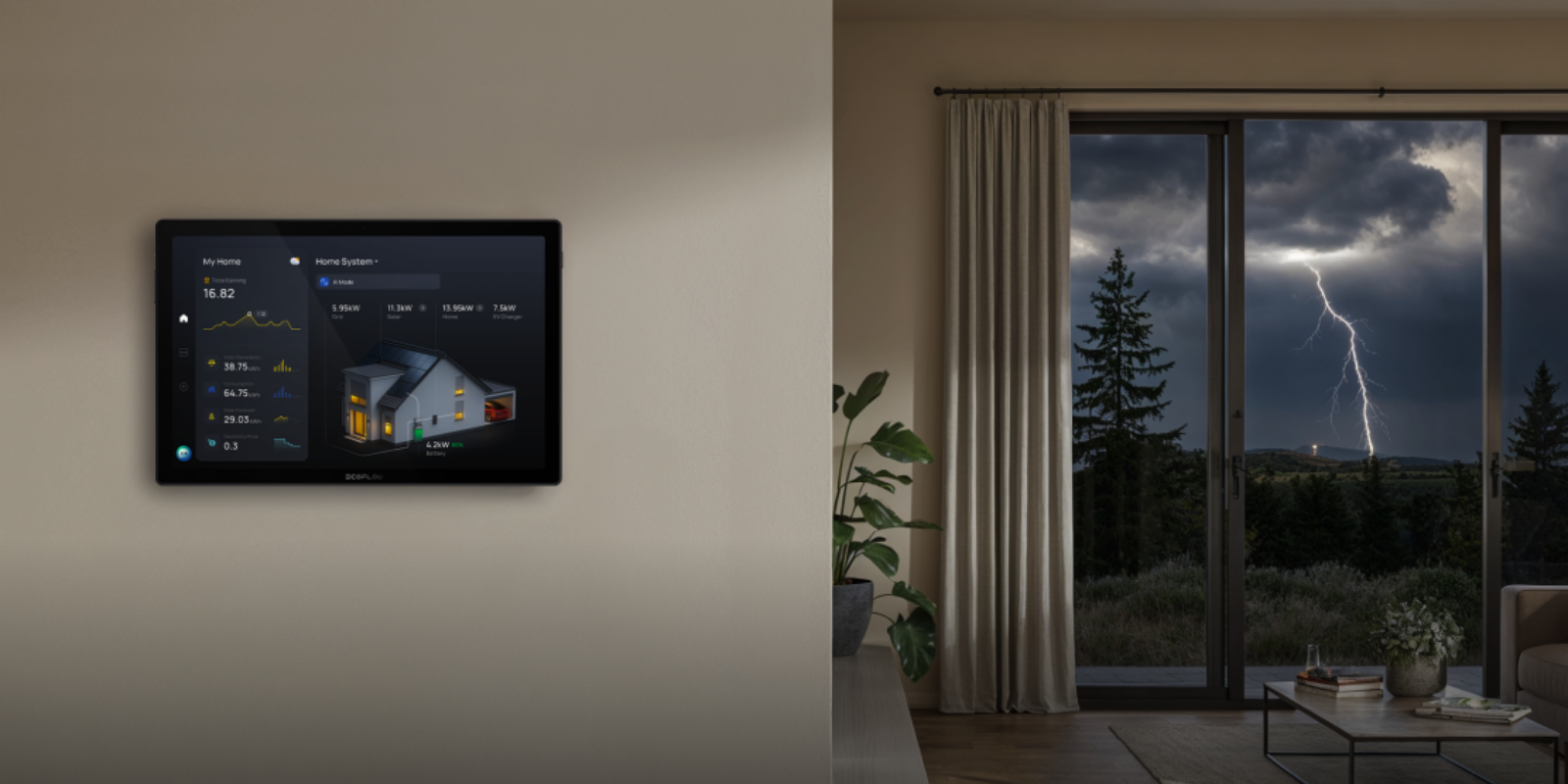
EcoFlow PowerInsight 2 is designed for homes with a mix of smart devices. It supports the latest Matter 1.4 protocol, which means it plays nicely with popular UK platforms like Google Nest and Tado. The 11-inch touchscreen gives you a single view of solar generation, home consumption, and battery storage – so you can see the whole picture and keep everything working together.
How Can a Home Energy Monitor Support Smart Energy Management in UK Homes?
Once you’ve got a handle on your electricity use, the next move is putting that knowledge to work. Smart energy management lets you shift when appliances run, make the most of cheaper off-peak tariffs, and get the best out of things like solar panels and battery storage.
Matches Energy Use With Tariffs
Looking at your data is just the start. To actually bring your bills down, you need to match your usage to your tariff. If you’re on a time-of-use rate, that means running heavy appliances during the cheaper overnight hours and drawing on stored energy when prices are at their highest.
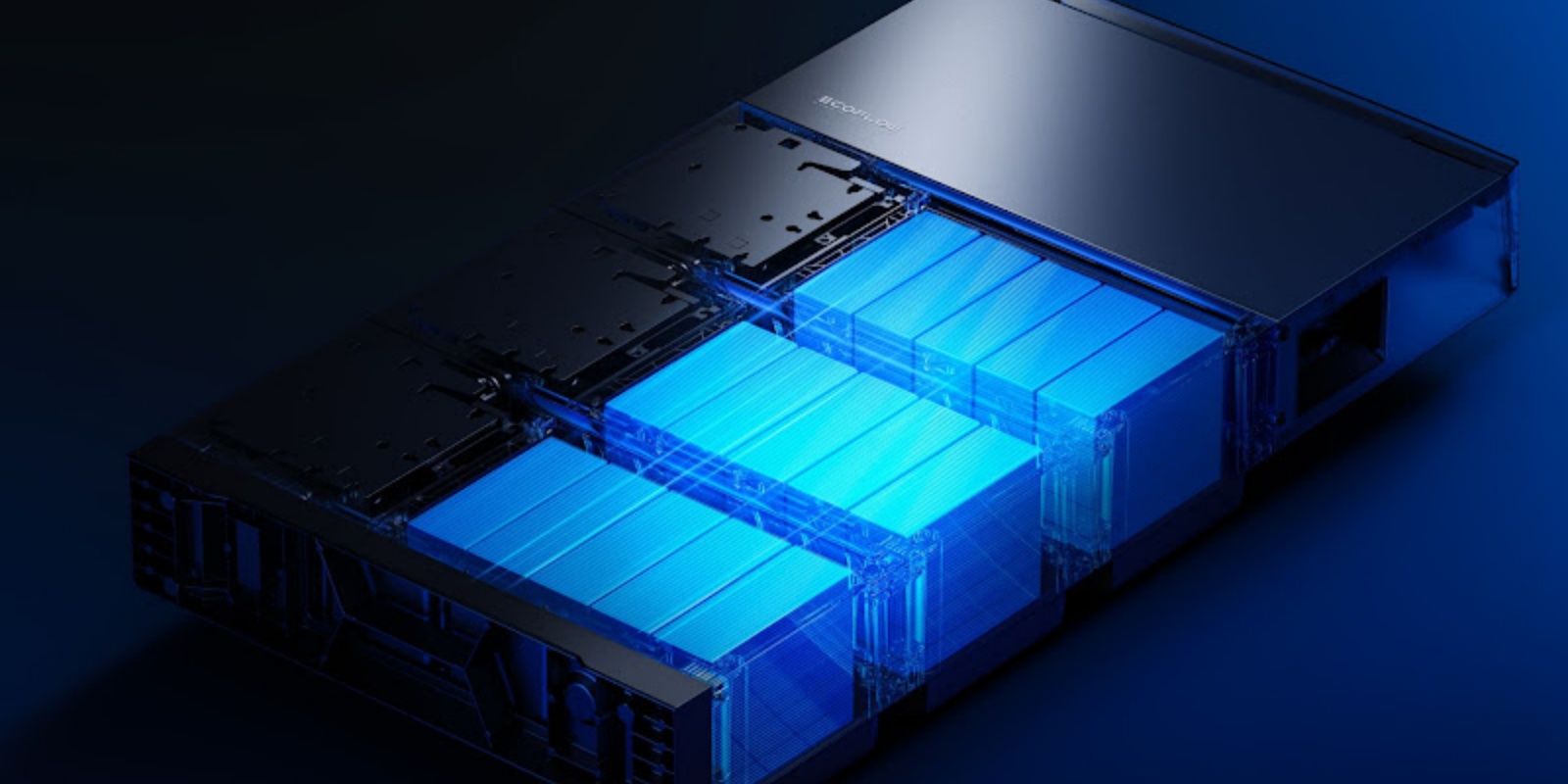
The EcoFlow OCEAN 2 Plus Single Phase storage system features an Intelligent SmartEarning Mode designed to automate this process. By connecting with over 500 dynamic tariff platforms in the UK, the system automatically analyses real-time rates and household demand to optimise its charge and discharge cycles, reducing your reliance on expensive grid power.
Tracks Solar Energy Production
If your home is equipped with rooftop solar panels, a dedicated energy monitor is vital for tracking your real-time generation. By matching your domestic consumption with peak solar output hours, you can run high-draw appliances on free, self-generated green energy instead of exporting it back to the grid. Pairing solar generation monitoring with an EcoFlow Solar Battery can also help households store excess energy and use it when electricity demand or prices are higher.
Monitors Home Battery Performance
For households utilizing battery storage, monitoring continuous charging and discharging performance is crucial. A reliable battery management system helps optimize battery operation by monitoring temperature, voltage, and charging conditions to improve safety and long-term performance.
Manages Electric Vehicle Charging
Charging an electric vehicle (EV) is often one of the largest electrical loads a home will experience. An energy monitor tracks this significant demand alongside your regular household usage, helping you schedule charging sessions during low-cost overnight windows to avoid overloading your home’s electrical connection.
Is a Home Energy Monitor Worth It for UK Households?
How much you get out of a home energy monitor really depends on your setup and how you use power. If you’ve got high electricity demand, solar panels, battery storage, or an EV, there’s usually more to gain from keeping a closer eye on things.
Helps Identify Potential Energy Savings
By turning invisible electricity consumption into clear, real-time visual data, a monitor makes it simple to spot unnecessary waste. Many users find that identifying and correcting a few inefficient habits allows the monitor to pay for itself within the first few months of use.
Helps Control Monthly Energy Costs
A monitor removes the guesswork from your monthly utility bills by providing an ongoing, accurate estimate of your upcoming charges. This continuous visibility prevents unexpected “bill shock” at the end of the month and allows you to adjust your usage habits in real time.
Benefits High-Consumption Households
While every home can benefit from reduced waste, households with high electricity demands—such as larger families, EV owners, or those running home offices—will see the fastest return on investment. The more electricity your home uses, the more opportunities you have to optimize and save.
Differs From Smart Meter Functions
To maintain clear editorial neutrality, the following table compares the objective technical differences between standard UK smart meters and dedicated home energy monitors.
| Feature / Capability | Standard UK Smart Meter (SMETS2) | Dedicated Home Energy Monitor |
|---|---|---|
| Data Refresh Rate | Typically updates every 30 minutes for electricity. | Updates in real time (usually every 1 to 10 seconds). |
| Appliance Breakdown | Provides a single, combined household total. | Isolates individual appliances via CT clamps, machine learning, or smart plugs. |
| Smart Home Integration | Limited; rarely links with wider smart devices. | Extensive support for platforms like Matter 1.4, Google Nest, and Tado. |
| Tariff Integration | Displays basic flat-rate or simple economy tariffs. | Can sync with 500+ dynamic time-of-use tariffs to automate home storage. |
Schedule Your Free Consultation Today!
What kind of product or solution are you interested in?

Conclusion
You don’t need to overhaul your life to cut your electricity bill. You just need to see what’s actually going on. A home energy monitor shows you in real time where the power’s going – the hidden drains, the standby waste, the habits you didn’t realise were costing you. Whether you’ve got a busy household, solar panels, or a bunch of smart gadgets, having that clear picture is the best way to keep your bills down and your footprint smaller.
FAQ
What's the Difference Between a Smart Meter and an Energy Monitor?
A smart meter is a billing device owned by your supplier. It records total household usage and typically updates every half hour. An energy monitor is your own tool. It tracks what’s happening in real time and can show you individual appliances, so you see exactly what each one is costing you.
Is There a Device to Monitor Electricity Usage?
Yes. You’ve got a couple of options. Plug-in monitors are cheap and simple – good for checking one appliance at a time. Whole-home systems use sensor clamps that fit around the cables in your consumer unit and track everything going on in the house.
How Accurate Are Home Energy Monitors?
Most modern ones are pretty accurate. Good CT clamp systems typically work to within 1% or 2%, which is more than enough to spot standby waste, track heavy users, and get a reliable read on your monthly costs.
How Do I See What's Using So Much Electricity in My House?
The simplest way is to use a monitor and turn things on and off one at a time. Watch the live reading on the display or app, and you’ll soon see which items are causing the big spikes – electric showers, kettles, old fridges, that kind of thing.
How to Install a Home Energy Monitor?
Installation depends on the type of monitor, with plug-in systems simply slotting into wall sockets, while whole-house models require clipping a sensor around your main service cable. While basic clamp-on monitors are designed for simple self-installation, some advanced systems that integrate directly into your fuse box or solar setup are best installed by a qualified local electrician.

