
Why Is My Electric Bill So High?
Nobody likes opening an energy bill, especially when the number just keeps going up. All over the UK, households are asking the same thing: why is my electric bill so high right now? With energy prices still a big talking point from Cornwall to Cumbria, even small inefficiencies around the house can add up faster than you think.
The good news? Most high bills aren’t random. They usually come down to a few hidden causes – energy-hungry appliances, or daily habits you probably haven’t even noticed. In this guide, we’ll walk you through the most common reasons your electric bill is so high, and show you a few practical, low-effort ways to get things back under control.
Which Appliances Are Secretly Draining Your Wallet?
If you’ve been wondering why your electric bill is so high, start with the appliances you use every day. Comparing your current usage against the average monthly electric bill in your area can help identify if a specific appliance is working overtime. When they’re not running efficiently, they quietly use more energy than they should, and that adds up on your monthly statement. Below are some of the most common household appliances that could be pushing your costs up without you even realising.
Worn Refrigerator Door Seals
If the rubber “gasket” around your fridge door is cracked or brittle, cold air escapes constantly. This forces the compressor to run almost nonstop to maintain the temperature. A quick “paper test”—closing the door on a £5 note and seeing if it slides out easily—can tell you if it’s time for a replacement.
Dusty HVAC Air Filters
Whether you’re using a heat pump or a traditional forced-air system, a clogged filter is an energy killer. Dust buildup restricts airflow, making the system strain to circulate air. In the UK’s damp climate, keeping filters clean also stops moisture from putting extra strain on your ventilation.
Sediment in Old Water Heaters
Over time, minerals like calcium (especially in hard water areas like South East England) settle at the bottom of your water tank. This layer of “scale” acts as an insulator, meaning the heating element has to warm the sediment before it can even touch the water. Flushing your tank annually can dramatically improve heating speed.
Clogged Clothes Dryer Vents
A dryer vent clogged with fluff isn’t just a fire hazard; it also makes the machine run much longer cycles to get clothes properly dry. Clear the outside vent, and you’ll let that moist air escape faster. Shorter drying times, lower kWh usage. Simple as that.
Leaking Hot Water Faucets
One little drip might not sound like much. But if it’s hot water, you’re literally pouring money away. Your boiler or immersion heater has to keep topping up that lost hot water, so one leaky tap can add a surprising amount to your annual gas or electric bill.

Are Your Daily Habits Secretly Driving Up Your Electric Bill?
Sometimes the culprit is the routine. Small behavioural shifts can add up to massive savings over a 12-month period. Understanding how solar panels work with your electric bill can also provide a broader perspective on how changing your usage times impacts your overall costs.
Leaving lights on in empty rooms: Sounds basic, but in a busy family home, lighting rooms no one’s in can bump up your electric bill by as much as 10%.
Leaving electronics on standby: While a single modern TV uses very little in standby mode, the cumulative effect of games consoles, printers, and smart speakers adds up. According to the Energy Saving Trust, most households can save enough to cover a month’s worth of tea and biscuits just by turning devices off at the wall.
Running a dishwasher that isn’t full: Your dishwasher uses roughly the same amount of water and heat whether it’s half empty or packed. Wait until it’s full to hit start.
Setting your water heater too high: Many UK boilers come set at 70°C by default, which is way hotter than you need. Turning it down to 60°C is safer and cheaper.
Washing clothes on hot: Modern detergents work perfectly at 30°C. Switching from hot to cold can cut your machine’s energy use by more than half per cycle.
Is Your Home Losing Energy Through Gaps?
Even the most efficient appliances can’t save you money if your home is literally leaking heat. While many homeowners consider home battery storage to save power, stopping heat from escaping is often the most cost-effective first step. In the UK, where many houses are older builds, “draught-proofing” is your best friend.
| Solution | Difficulty | Impact |
|---|---|---|
| Seal Windows/Doors | Low (DIY) | Immediate reduction in drafts |
| Attic Insulation | Medium | Saves up to £200+ per year |
| Heavy Curtains | Low | Keeps heat in during winter |
| Ductwork Repair | High | Improves HVAC efficiency by 20% |
Sealing gaps around window frames with self-adhesive foam strips is a cheap Saturday afternoon task that pays for itself in weeks. Similarly, upgrading to double or triple-glazed windows provides a massive thermal barrier against the unpredictable British weather.
.png)
Can Smart Technology Help You Save?
Small habits add up, but nobody’s got time to run around flicking switches all day. If you want to save without the headache, let the tech take over. Investing in a home energy management system allows you to automate your savings without the constant headache. Prices go up and down; you can’t just react every time a bill lands. Set it up once, automate the lot, and stop thinking about it.
Visualise Home Power Flow in Real-Time
Even after fixing leaky taps and swapping out old bulbs, you might find your bills remain stubbornly high. This is because a significant portion of energy waste happens in the shadows—invisible currents flowing through devices you aren’t even using. The truth is, you simply can’t manage what you can’t see. Systems like the EcoFlow PowerInsight 2 are designed to bridge this gap, turning ‘invisible waste’ into real-time, actionable data. Featuring an 11-inch HD touchscreen, it makes complex usage data easy to digest at a glance. It doesn’t just show you how much power you’re using; it supports the Matter protocol, allowing you to control lights and smart thermostats (like Google Nest or Tado) from one hub. Powered by AI Energy OS, it helps you hunt down those background “energy vampires,” ensuring every penny spent is accounted for.
Optimise Storage with Intelligent Scheduling
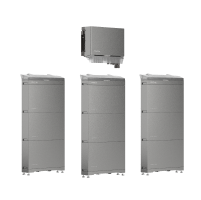
Once you know where the power goes, let automation handle the heavy lifting. For those on UK Smart Tariffs (like Octopus Energy), the EcoFlow PowerOcean offers a smarter way to manage your monthly outgoings. Instead of paying premium rates during the frantic evening rush, this system automatically switches your home to stored solar power exactly when the grid is most expensive. It’s built specifically for British life, with robust weatherproofing that thrives in our relentless rain. The beauty lies in its modularity; you can start with a 5kWh battery and simply add more capacity up to 45kWh as your family grows. With a 15-year warranty and a lifespan designed for decades of daily use, it’s a reliable, long-term strategy to break free from rising energy costs and achieve true self-sufficiency.
How Can You Start Cutting Costs Today?
Want to see a difference on your next bill? Don’t overthink it. Just run through this lot.
Do a quick walk-around audit
Go room by room. Feel for drafts. Spot any electronics that feel warm but aren’t actually doing anything. That warmth means they’re burning power.
Swap old bulbs for smart LEDs
Old-school incandescents are basically heaters that happen to give off a bit of light. LEDs use up to 90% less juice. Get smart ones if you can – set them on a schedule or control them from your phone.
Set a monthly target and make it a game
Tell yourself you’ll cut usage by 5–10% this month. Get the household involved. A bit of friendly competition works wonders.
Compare bills properly
Don’t just look at the pound sign. Look at the kWh figure. That tells you whether your new habits are actually doing anything. Keep a simple log.
Schedule Your Free Consultation Today!
What kind of product or solution are you interested in?

Conclusion
You don’t have to turn your whole life upside down to bring your energy bills down. What really works is making your home’s energy use a bit easier to see, then chipping away at the small inefficiencies that pile up. Whether that’s sealing a draughty window or fitting a smart storage heater, each change makes your home cheaper to run and less of a hassle day to day. Keep on top of things, let a bit of automation do the grunt work, and you’ll soon find those monthly bills aren’t the nasty surprise they used to be.
FAQ
1. Do You Save Money on Monthly Bills by Unplugging Appliances?
Yes, but the amount depends on your gadgets. While modern UK regulations limit standby power to under 1W, the average household still spends about £40–£60 a year on “vampire devices.” If you have older appliances (like pre-2010 set-top boxes or vintage stereos), the savings could be even higher. Flipping the switch is still a “no-cost” win for your wallet.
2. What Is the Cheapest Time of Day to Use Electricity in the UK?
For most on standard tariffs, it is 10 pm to 8 am, but for Smart Tariff users, the cheapest rates are usually between 12 am and 5 am. Always check with your specific provider (like Octopus or British Gas) for your “Off-Peak” window.
3. Is It Cheaper to Have Heating on Low All Day?
Generally, no; it is usually cheaper to only heat your home when you need it. While it takes energy to warm a cold house, maintaining a temperature all day leads to constant “heat loss” through walls and windows.
4. Is Vampire Power a Real Thing?
Absolutely, “Vampire Power” (or Standby Power) accounts for a significant portion of wasted energy in modern homes. Devices like microwaves, standby TVs, and idle game consoles are the main culprits.
5. Do Old Electricity Meters Need to Be Replaced?
Yes, if your meter is over 20 years old, it may become inaccurate or fail to support modern smart tariffs. Upgrading to a smart meter allows you to access time-of-use rates and monitor your spending in real-time.

