
Air Source Heat Pump Troubleshooting: Common Problems and Fixes (2026)
High energy bills, odd noises, or a low hot water supply often signal that your heat pump system is losing efficiency. Whether you have a standard setup or a modern electric heat pump, maintaining optimal performance is key to keeping homes comfortably warm and heating costs low in 2026.
Why Many “Heat Pump Malfunctions” Are Actually Setting Issues
Before you panic and label your heat pump as faulty, keep in mind that most issues are typically related to programming and settings. Your heat pump’s flow temperature and heating curve are usually the main culprits when you notice some issues.
If these figures are too low or too high than what’s actually needed, your heat pump heating system will most likely struggle to maintain the intended temperature properly, which leads to power wastage.
Check if your heat pump system's weather compensation is active. This feature prevents overheating and high energy bills by adjusting output based on outdoor temperatures—crucial for efficiency.
Problems can also show up if your room controls aren’t synced with your system. For example, a closed radiator valve can trick your unit and make it seem like the room is warm enough, even if it isn’t. Usually, tweaking these settings or reading the user manual can resolve the issue without requiring an engineer.
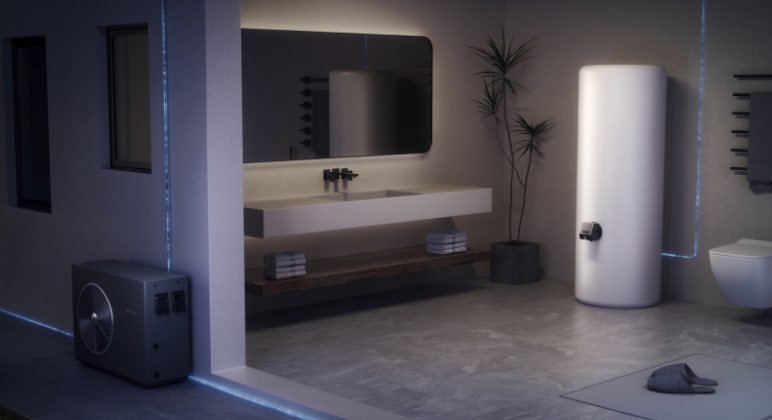
With modern heat pump systems, like EcoFlow PowerHeat, troubleshooting gets easier since it comes with an integrated inverter that automatically adjusts your heat pump’s output based on what your home needs. This means you can enjoy constant system temperature control with less need to optimize your home’s heating.
Electric Heat Pump Systems: Common Problems and How to Fix Them
Before calling a professional, you can try these fixes to troubleshoot your heat pump system:
Air source heat pump heating not working or not reaching temperature
Electric heat pump not reaching temperature as desired?It may be caused by any of the following:
TRVs blocked or closed
Dirty filters are reducing airflow
Air in the system
Low flow rates
Undersized radiators
Fortunately, you can often fix these on your own. To remove trapped air, you can bleed your radiators. For dirty filters, clean or replace them when necessary. You can also balance your system by manually checking and adjusting valves for better flow. Also, check the heating curve settings to ensure they match your home’s heating demand.
System running nonstop or on short cycles
A heat pump system that runs continuously or starts and stops frequently can be annoying. Causes are usually the following:
Small water volume in the system
Too high flow temperatures
Aggressive thermostat programming
Troubleshooting includes adding a buffer or volumiser to increase water volume, tuning the heating curve to achieve smoother temps and adjusting the pump speed to match the thermostat setting.
Constant icing of the outdoor
Some frost on the outdoor unit is normal during defrost cycles. Persistent ice, however, often indicates an issue. Causes might be:
Blocked coils
Fan faults
Poor drainage
Sensor or refrigerant problems
You can clear debris and ensure proper drainage yourself, but if sensors or refrigerant lines are involved, it's best to call a certified engineer.
Loud noises or vibrations
Heat pump systems normally produce a low hum, but loud or strange noises can indicate a heat pump malfunction. Here are the common culprits::
Unit not levelled
Missing anti-vibration pads
Pipe resonance
Fan hitting ice
Fixes include re-leveling the unit, using anti-vibration pads and re-clipping pipework to ensure pipes don’t vibrate. However, persistent noise from icing should be addressed by an engineer.
High energy bills from your electric heat pump
If you notice high energy costs from your heat pump heating, these can often be linked toto system imbalance or the lack of system maintenance, particularly:
High flow temps
DHW setpoint too high
Overuse of immersion heaters
Clogged filters and/or coil
Troubleshooting includes reoptimising the heating curve, scheduling immersion use, lowering the DHW setpoint value, and cleaning or replacing filters and coils.

Intermittent hot water supply
If your hot water seems to be “lagging”, it might be due to these reasons:
Small coil in a non-HP cylinder
Low flow rate
Tight hysteresis
Frequent legionella cycles
To fix these, you can install an heat pump-ready cylinder, reschedule legionella cycles, improve flow rates, and adjust reheats.
For a smarter solution, a solar powered immersion heater like EcoFlow PowerGlow can automatically utilise surplus solar energy to heat your water faster. This relieves the load on your primary heat pump system, ensuring you have ample hot water without compromising heating efficiency.
By learning about these common heat pump issues and understanding which ones are DIY-able versus requiring professional assistance, you can keep your heat pump systems running efficiently and comfortably.
Advanced Air Source Heat Pump Troubleshooting: When to Call a Professional
While there are common problems that can be tackled on your own, there are some heat pump system issues that you should never attempt to fix. For example, if your unit has refrigerant leaks that require repair and charging, an F-gas certified engineer or technician is needed.
Apart from refrigerant-related issues, if your unit showspersistent icing that doesn’t go away after clearing airflow and checking drainage points, that warrants a professional visit as well. Electrical problems, control board errors and sensor issues also warrant a visit by an engineer.
Thankfully, most of these issues can be significantly reduced with annual servicing by a certified engineer. Aside from keeping your heat pump systems maintained at peak efficiency and performance, you can also ensure your warranty isn’t voided.
Take note that while your electric heat pump or air-source heat pump may appear to be in good working condition, annual checking protects against hidden faults that can suddenly develop at any time, which saves you from potential major repairs or part replacement.
Schedule Your Free Consultation Today!
What kind of product or solution are you interested in?
Essential Heat Pump Heating System Maintenance
Regular maintenance remains the single most effective way to keep your heat pump heating system cost-effective throughout 2026 and beyond. When looking for an annual service contract or a one-off maintenance service, it is essential to review the coverage and scope of work.
For example, a yearly maintenance contract should cover filter cleaning or replacement, inspecting the outdoor coil, checking and adjusting flow rates and ΔT if necessary and clearing condensate drainage.
Some add-ons like magnetic filtration and water treatments can also help protect the hydraulic components of your unit from debris and corrosion. But aside from professional services, the hands of heat pump owners aren’t necessarily tied together.
Homeowners can perform simple upkeep to complement professional services, such as keeping the outdoor unit clean and clear, cleaning strainers, using defrost settings to melt ice on the coils and other maintenance and troubleshooting procedures we have discussed.
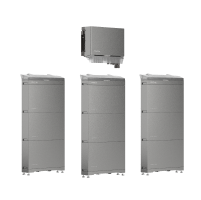
To help you view and schedule heat pump system maintenance tasks efficiently and conveniently, using EcoFlow’s Home Energy Management System (EMS) and PowerInsight works tremendously with your PowerHeat unit, so it stays efficient and dependable.
Why Regular Heat Pump Troubleshooting Matters in 2026
The most common issues with a heat pump heating system can often be traced back to two or three key factors: flow temperature, heating curve settings, or simple maintenance problems. If you follow a structured and detailed heat pump troubleshooting guide—like doing a process of elimination if you can’t pinpoint the faultyou can save time, money and avoid frustration.
While you can certainly tackle some basic issues on your own, it pays to respect the boundary between DIY and professional work. Certified engineers studied extensively and have the necessary tools, equipment and experience to handle complex issues. Therefore, it’s best to complement professional services with diligent basic upkeep and regular repairs on your end.
FAQs
How often should I service my heat pump?
You should have your heat pump system professionally serviced at least once a year. This ensures refrigerant levels, flow rates, filters and all components are checked and at optimal levels, which keeps everything stable.
Can I fix ice on my heat pump myself?
Small icings are normal, but persistent and enlarging ice usually indicates a more complex issue. Unfortunately, only a certified engineer can handle this to avoid accidental damage and to properly assess refrigerant faults.
Why is my electric heat pump running constantly?
Constant operation is usually caused by high flow temperature, insufficient water volume, or aggressive thermostat settings. Adjusting the settings and programming, such as the heating curve, usually resolves this issue for smooth and reliable operation.
Does a heat pump work well in winter?
Yes. Modern heat pumps still work efficiently in winter, especially when settings like flow temperature and weather compensation are properly adjusted for colder outdoor conditions.
Should I turn my heat pump off at night?
Usually no. Heat pumps work best when maintaining a steady temperature. Turning them off completely can reduce efficiency and make the system work harder later.

