
EV Tariffs in the UK: How They Work and How to Choose the Best One
EV tariffs can offer cheaper electricity during off-peak hours, which is especially useful if you charge your car at home overnight. Some plans also apply lower rates to other household electricity use, including appliances and, in some cases, home battery charging.
But the cheapest overnight rate doesn’t always mean the lowest bill overall. Daytime rates, standing charges, exactly when off-peak charging applies, and charger compatibility can all affect what you actually pay. This guide explains how UK EV tariffs work, how much you could save, and what to compare before you switch.
Key Takeaways
Lower charging costs: Depending on the vehicle, electricity rate and charging setup, home charging can bring EV running costs down to around 2p–3p per mile on some low-rate tariffs. A standard domestic electricity rate can result in higher costs, while petrol and diesel costs depend on fuel prices and vehicle efficiency.
Mind the daytime trade-off: Very low overnight rates can come with higher daytime rates or different standing charges. If your home uses a fair amount of electricity during the day, compare the full tariff rather than focusing only on the headline off-peak rate.
Check the smart meter requirement: Many EV tariffs require a compatible smart meter, although the exact requirements vary by supplier. Some tariffs support SMETS2 and compatible SMETS1 meters connected to the DCC network.
Check whether the whole home is covered: On tariffs that apply the off-peak rate to the whole home, appliances and other flexible loads can also benefit from cheaper overnight electricity. However, some smart EV products apply discounted pricing specifically to EV charging.
Get more flexibility with solar and storage: Depending on the tariff, a home battery can be charged during cheaper overnight periods and used later when electricity rates are higher. Solar can provide another source of stored energy when generation exceeds household demand.
What Is an EV Tariff in the UK?
EV tariffs are electricity plans that offer lower rates for EV charging or electricity use during specific periods, often overnight, to help reduce the cost of charging an electric car at home.
What Is an EV Tariff?
An EV tariff is a specialist home electricity plan designed for households that charge a plug-in vehicle at home. Standard single-rate plans generally charge the same unit rate throughout the day, while many EV tariffs offer discounted rates during specific periods, often overnight.
How Do EV Electricity Tariffs Work?
UK electricity demand is often lower overnight, while periods of high renewable generation can also occur during these hours. Wholesale electricity prices can therefore be lower at some times of day. EV tariffs may reflect these lower-cost periods by offering cheaper electricity during defined off-peak windows or by using smart charging to schedule EV charging when electricity is expected to be cheaper.
Off-peak window: A defined period when the electricity unit rate is lower, often overnight. The length and price vary by supplier and tariff. For example, some current EV tariffs offer around five or six hours of cheaper overnight electricity.
Peak rate: The unit rate applied outside the discounted period. Depending on the tariff, this rate may be higher than a standard variable tariff, so it is important to compare daytime usage as well as overnight charging costs.
Daily standing charge: A fixed daily fee covering grid maintenance and administration, billed every day regardless of how much energy you consume.
Who Can Benefit From an EV Tariff?
Households that regularly charge an EV at home may benefit from an EV tariff, particularly if they can shift charging into lower-cost periods. Other flexible loads, such as dishwashers, washing machines or immersion heaters, may also benefit when the tariff applies its lower rate to the whole home. Homes with solar or battery storage may have additional flexibility, although the potential savings depend on the tariff structure, household consumption and energy usage patterns.
What Types of EV Tariffs Are Available in the UK?
UK electricity tariffs vary in how they set off-peak hours and rates. Some use fixed overnight windows, while smart EV tariffs can schedule charging automatically.
Standard Electricity Tariffs
A standard single-rate tariff generally charges the same electricity unit rate throughout the day. There is therefore less price-based incentive to shift EV charging to overnight hours. For example, using an illustrative rate of 24p/kWh, an EV travelling 8,000 miles a year at 3.5 miles per kWh would require around 2,285 kWh of electricity, costing roughly £549 for charging before considering charging losses.
Time-of-Use Tariffs
Time-of-use (ToU) tariffs charge different rates at different times of day. Economy 7 is a traditional example, while modern EV-focused tariffs can offer lower-cost overnight periods or use smart charging to schedule EV charging automatically. For fixed-window tariffs, you can usually set your wallbox or vehicle timer to match the published off-peak period.
Dedicated EV Tariffs
Some dedicated EV tariffs require you to confirm that you have an eligible electric vehicle, for example through vehicle details, a V5C logbook or a compatible vehicle or charger connection. Eligibility requirements vary by supplier and tariff. Some products may also include features such as fixed overnight rates, public charging benefits or other incentives, depending on the supplier and tariff.
Smart EV Tariffs and Smart Charging
Smart EV tariffs can automatically schedule EV charging. You plug in, set when you need the car and, where supported, specify the amount of charge required. The supplier’s system can then schedule charging during periods when electricity is expected to be cheaper. Some tariffs connect directly to a compatible EV, while others work through a supported smart charger.

How Much Can You Save With an EV Tariff?
How much you save depends on your annual mileage, your EV’s efficiency and the difference between your normal and off-peak electricity rates. For regular home charging, the savings can add up to several hundred pounds a year.
EV Charging Costs With a Standard Electricity Tariff
As an illustrative example, consider an EV with a 60 kWh usable battery and an assumed efficiency of 3.5 miles per kWh. Charging from 10% to 80% would add 42 kWh. At an illustrative electricity rate of 24p/kWh, the calculation is:
Cost = 42 kWh × £0.24 = £10.08
Covering 8,000 miles a year at 3.5 miles per kWh would require around 2,285 kWh of electricity, costing roughly £549 per year before accounting for charging losses. This gives a useful starting point for understanding how much does it cost to charge an electric car when most charging is done at home.
EV Charging Costs During Off-Peak Hours
Swapping that same routine over to an illustrative EV off-peak rate of 7.5p/kWh changes the calculation:
Cost = 42 kWh × £0.075 = £3.15
Charging the same 8,000 annual miles at 7.5p/kWh would cost around £171 per year, based on 3.5 miles per kWh. That is roughly £378 less than the £549 illustrative annual cost at 24p/kWh, before accounting for charging losses.
EV Tariff Savings for Your Whole Home
On EV tariffs that apply the discounted rate to the whole home, domestic electricity consumption during the off-peak period is billed at the lower rate. This can include appliances such as washing machines, dishwashers and immersion heaters, depending on the tariff. Running laundry cycles, operating a tumble dryer, running a delayed-start dishwasher, or pre-heating hot water cylinders during the early hours reduces your non-motoring bill without any extra equipment.
Why the Cheapest EV Tariff Isn't Always the Best Deal
Headline off-peak rates do not tell the whole story. For example, an illustrative tariff could offer 5.5p/kWh overnight while charging 29p/kWh during the day, alongside a higher daily standing charge. When comparing tariffs, calculate the cost of both overnight and daytime electricity rather than focusing on one rate.
| Tariff Component | Balanced EV Tariff | "Headline" Low-Rate EV Tariff |
|---|---|---|
| Off-Peak Rate | 8.0p/kWh (4 hours) | 5.5p/kWh (4 hours) |
| Day/Peak Rate | 24.5p/kWh | 29.5p/kWh |
| Standing Charge | 45p/day | 58p/day |
| Ideal Household | High daytime energy use, medium mileage | Heavy mileage, low daytime usage or battery-equipped |
If your household uses substantial power during the day—such as running heat pumps, home offices, or continuous electric appliances—an overly punitive peak rate can wipe out your vehicle charging savings.
How to Choose the Best EV Tariff in the UK?
Selecting the most cost-effective tariff requires matching your driving frequency, lifestyle, and home electrical infrastructure against available contracts.
Calculate Your EV Charging Needs
Estimate your weekly mileage and charging cadence. If you commute 15 miles a day, your car only needs a 15–20 kWh top-up twice a week. A short 4-hour off-peak window easily handles this. However, if you run a high-mileage business vehicle or multiple family EVs requiring 40+ kWh nightly, you will need a wider charging window (5 to 7 hours) or a smart automated tariff.
Compare Peak and Off-Peak Rates
Calculate your blended cost: look at how much electricity your home consumes during daytime hours versus how much your EV uses overnight. Multiply your expected daytime usage by the peak rate, add your overnight EV charging estimate multiplied by the off-peak rate, and include the standing charge. Then compare the estimated total with your current electricity costs.
Check Smart Meter, EV and Charger Compatibility
Many UK EV tariffs require a compatible smart meter, although the exact requirements vary by supplier. Smart meter requirements in Great Britain include different meter generations and communications arrangements. SMETS2 meters are widely supported, while some suppliers also support compatible SMETS1 meters connected to the DCC network. Understanding smets1 vs smets2 can help you check whether your existing meter may meet a supplier’s requirements. Additionally, automated smart tariffs require compatible charging equipment or vehicle integration:
Your vehicle may need to support a compatible connection with the energy supplier's app or platform.
Some tariffs require a supported smart charger, while others can connect directly to a compatible EV. Check the supplier's current compatibility list before switching.
Consider Your Whole-Home Electricity Usage
Do not evaluate your car in isolation. If family members are home during the day and use electricity for heating systems, cooking, home working or entertainment, compare tariffs with competitive daytime rates. A Home Energy Ecosystem can also help coordinate household electricity use across different loads and make it easier to shift flexible consumption to cheaper periods.
Check Standing Charges and Contract Terms
Standing charges vary across the UK’s distribution network operator (DNO) regions and can also differ by payment method and tariff. Ofgem publishes regional unit rates and standing charges, so check the charge for your postcode rather than relying on a national average. When you’re comparing, check the standing charge alongside the unit rate, and find out whether the tariff’s a 12-month fixed contract with early exit fees, or a flexible rolling tracker.
How to Get the Most From an EV Tariff
Once you have an EV tariff, try to move as much of your charging as possible into the cheaper hours. You may also be able to use the same off-peak window for household appliances or home battery charging.
Schedule Your EV Charging for Cheaper Hours
For a fixed-window tariff, set your wallbox or vehicle scheduler to charge during the published off-peak period. For example, if the discounted window runs from 00:30 to 04:30, you can schedule charging within those hours.
Use Smart Charging to Automate Your EV
Smart charging takes scheduling further by using price signals, tariff conditions and your preferred charging schedule to determine when to charge. By enabling smart charging through your supplier’s app, your EV may be scheduled during periods when electricity is expected to be cheaper, while still aiming to meet your required charge level by your chosen time.
Coordinate EV Charging With Your Whole-Home Energy Use
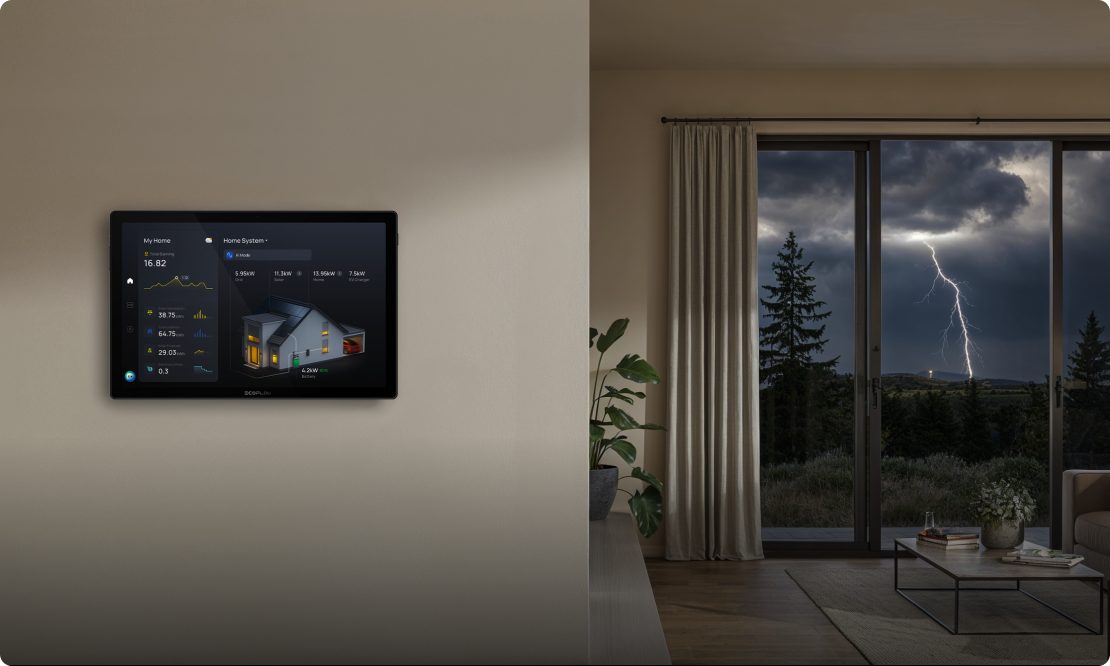
If you have an EV, solar panels and a home battery, a home energy management system can make it easier to coordinate them. For example, EcoFlow PowerInsight 2 lets you monitor grid imports, solar generation, battery use and household loads in one place, helping you see when electricity is cheapest and adjust higher-demand loads accordingly.
Use Solar Panels and Home Battery Storage
A home battery can extend the potential value of an EV tariff beyond car charging. During winter or low-solar periods, a compatible battery system may be charged during cheaper overnight hours and used later in the day. In sunnier months, the battery can store surplus solar generation for evening use. This approach can be useful when combining an EV tariff with solar battery storage, as stored energy may help reduce reliance on higher-priced daytime electricity.
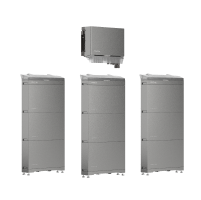
A system such as the EcoFlow OCEAN 2 Plus Single Phase can support this setup by storing off-peak grid electricity or surplus solar for later use, potentially reducing the amount of higher-priced electricity the home needs to import.
EV Tariffs vs. Standard Electricity Tariffs: Which Is Better?
To see how these options compare, the table below highlights the core differences between a dedicated EV tariff and a traditional standard domestic tariff.
| Feature | EV Tariff | Standard Electricity Tariff |
|---|---|---|
| Pricing Structure | Often time-of-use or smart charging, with lower-cost periods | Usually a single unit rate throughout the day |
| Off-Peak Electricity Price | Varies by supplier and tariff | No separate off-peak rate on a single-rate tariff |
| Smart Meter Requirement | Often required, depending on the tariff | Not generally required for a single-rate tariff |
| EV Running Costs | Can be lower when charging at discounted rates | Depends on the standard electricity unit rate |
| Appliance Flexibility | Potential savings when the lower rate applies to the whole home | Less price-based incentive to shift usage |
| Best Suited For | EV drivers who can benefit from off-peak or smart charging | Households that prefer a simple pricing structure |
Schedule Your Free Consultation Today!
What kind of product or solution are you interested in?

Conclusion
An EV tariff can reduce home charging costs if you can move much of your charging into lower-cost periods. Before switching, compare the overnight rate, daytime rate, standing charge and the number of discounted hours rather than choosing a tariff based on its headline EV rate alone.
It is also worth looking at your wider household electricity use. If the tariff applies its cheaper rate to the whole home, you may be able to run appliances or charge a compatible home battery during the same lower-cost periods.
Disclaimer: Energy tariffs, prices, eligibility requirements and smart-charging compatibility can change over time and vary by supplier and location. The rates and calculations in this article are illustrative unless otherwise stated. Check the latest tariff details with your energy supplier before switching.
FAQs
Are EV tariffs cheaper than standard electricity tariffs?
It can be cheaper for EV charging when you use a discounted off-peak rate, but the overall saving depends on the tariff’s daytime rate, standing charge and your usage pattern. Compare the full tariff rather than the off-peak rate alone.
Can I use an EV tariff without a home EV charger?
Yes, some time-of-use tariffs allow you to charge an EV using a standard 3-pin socket, although charging is much slower than with a dedicated home charger. A properly installed 7.4kW wallbox can provide faster charging and make it easier to use a short off-peak window efficiently. Check the vehicle, charger and installation requirements before choosing a setup.
Can an EV tariff reduce my whole household electricity bill?
It can, if the tariff applies its discounted off-peak rate to the whole home. In that case, appliances such as a washing machine, dryer, dishwasher or storage heater can also use electricity at the lower rate during the relevant period.
Can I use an EV tariff with solar panels and a home battery?
Yes, depending on the tariff and battery system. A compatible home battery may be charged with lower-cost electricity overnight and used later in the day, while solar can provide another source of stored energy when generation exceeds household demand.
Can I switch to an EV tariff at any time?
In general, you can switch when you meet the new supplier’s eligibility requirements, but these requirements vary by tariff. Check whether you need a compatible smart meter, EV or charger, and whether your current contract has any early exit fees before switching.

