
EPC Rating Meaning: A Complete Guide to Home Energy Grades
If you’re buying, selling, or renting a property in the UK, understanding Energy Performance Certificates (EPCs) is essential. This guide explains what EPC ratings mean, how they are assessed, and why they matter when making property decisions. You’ll also discover practical ways to improve your home’s energy efficiency, from simple upgrades to modern solar and smart energy solutions, along with answers to the EPC questions homeowners ask most often.
What Does EPC Rating Mean in the UK and Why Does It Matter?
If you’re buying, renting, or selling a property in the UK, understanding EPC ratings is essential. This energy grade shows how efficient a home is, what it may cost to run, and where improvements can be made.
Definition of EPC Energy Ratings
An EPC, or Energy Performance Certificate, is required by law when a property is sold or rented in the UK. It shows how energy efficient a home is and gives it a rating from A to G, with A being the most efficient and G being the least. Valid for ten years, the certificate helps buyers and tenants understand the home’s expected energy costs and its environmental impact before making a decision. If you’re wondering how long does an EPC certificate last, it’s worth checking the expiry date before buying, selling, or renting a property.
What EPC Ratings Measure in Homes
An EPC assessment focuses on the property’s structure and fixed energy systems rather than everyday habits such as appliance use or lighting behaviour. It looks at the building itself, meaning the fabric, the fixed systems, and the things you cannot change with a flick of a switch. Specifically, it measures how well the place holds onto heat, how efficiently the boiler and radiators do their job, what sort of lighting is fitted, and whether renewables like solar panels, heat pumps, or that kind of thing are part of the mix.
How EPC Ratings Influence Property Decisions
EPC ratings carry massive weight in today’s property choices. For buyers, a poor rating means braced bank accounts for sky-high monthly utility bills. For landlords, strict UK regulations mean it is illegal to rent out a property with an EPC rating below E. Even mortgage lenders have entered the mix, frequently offering preferential “Green Mortgage” interest rates to buyers purchasing highly rated homes.
.png)
What Do EPC Ratings A to G Mean?
To make sense of the colourful bar charts found on the front page of every certificate, it helps to understand what each grade actually says about a house.
Meaning of Each EPC Grade
EPC ratings are based on a Standard Assessment Procedure (SAP) score, which converts a property’s energy performance into an A–G rating.
| EPC Grade | SAP Score | Efficiency Level | Typical Property Profile & Tech |
|---|---|---|---|
| A | 92 - 100+ | Outstanding | Modern eco-homes, highly insulated, Solar PV + Battery storage. |
| B | 81 - 91 | Excellent | Standard modern new-builds with top-tier thermal efficiency. |
| C | 69 - 80 | Good | Well-insulated newer homes or heavily upgraded older properties. |
| D | 55 - 68 | Average | The UK average. Typical older brick homes with some upgrades. |
| E | 39 - 54 | Poor | Lacks modern insulation, aging combi boiler, high utility bills. |
| F / G | 1 - 38 | Very Poor | Solid stone walls, single glazing, outdated electric heaters. |
Differences Between EPC Rating Levels
A higher EPC rating usually reflects lower energy demand and better home efficiency. Common improvements include upgrading insulation, improving heating systems, and installing more efficient controls, and pairing renewable generation with an EcoFlow Solar Battery to increase self-consumption and reduce reliance on grid electricity.
Typical Ratings for UK Homes
The average rating for a domestic home in England and Wales sits squarely in Band D. Because a huge chunk of the UK’s housing stock consists of Victorian, Edwardian, and pre-war brick properties built without cavity walls, keeping heat inside is a nationwide uphill battle.
How Is an EPC Rating Calculated?
An EPC rating is based on a standardised government assessment rather than a simple estimate. Understanding how the rating is calculated can help explain why a property receives a particular score.
Key Factors Affecting EPC Ratings
The rating turns largely on the building’s fabric: age, type, materials, insulation, glazing, and heating source all feed into the final grade. Integrating these improvements into a broader Home Energy Ecosystem can also help homeowners optimise long-term energy efficiency and better manage household electricity use.
How Energy Performance Is Measured
A certified Domestic Energy Assessor calls round to carry out a non-invasive physical inspection. They measure up the rooms, have a look in the loft, take a photo of the boiler, check the controls, for example thermostatic radiator valves, and feed all that structural data into the RdSAP software.
How EPC Grades Are Calculated
The software processes all inputs to calculate two core metrics: the energy efficiency rating (based on estimated fuel costs) and the environmental impact rating (based on CO2 emissions). The final numeric SAP score determines the actual EPC rating meaning for your property and where it lands on the A-to-G ladder.
How to Improve Your EPC Rating?
If your home’s score leaves a lot to be desired, don’t despair. There is a clear roadmap to boosting your grade, starting with basic fabric fixes and moving through to cutting-edge smart technology.
Improve Home Insulation Performance
Improving insulation is often one of the first steps homeowners consider when raising an EPC rating. Adding loft insulation, improving wall insulation, and reducing draughts around doors and windows can help the home retain heat more effectively. These upgrades are common examples of the meaning of retrofitting, where existing homes are improved to achieve better energy efficiency without rebuilding the property.
Upgrade Heating Systems and Controls
Upgrading an outdated heating system is another effective way to improve an EPC rating. More efficient boilers, heat pumps, and smart heating controls can help reduce energy use while keeping your home comfortable.
Add Renewable Energy and Storage Solutions
For households looking to seriously climb the EPC ladder, scaling up renewable energy installations is the ultimate game-changer. However, installing solar panels on a British roof often highlights a classic mismatch: the panels produce peak electricity during the day when everyone is out at work, while peak household demand occurs in the evening when the sun has gone down.
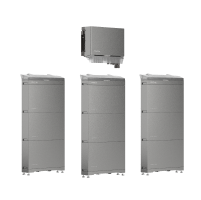
The EcoFlow OCEAN 2 Plus Single Phase system steps in perfectly here. By beautifully coupling solar generation with intelligent home energy storage, it helps British households maximize their solar self-consumption. The system supports up to a massive 24kW solar input and features 3 independent MPPTs, making it perfectly adaptable to complex, multi-angled UK roofs. Its modular, expandable battery design means you can easily scale up storage capacity down the line as you add demanding appliances like electric vehicle (EV) chargers or heat pumps, keeping your home energy infrastructure future-proof.
Monitor and Manage Home Energy Use
The more devices and systems you add at home, the trickier it gets to keep on top of your energy use. Buying efficient appliances is a start, but it’s only one piece of the puzzle. You also need to take a hard look at your daily habits, and identify unnecessary energy consumption and optimise how electricity is generated, stored, and used.
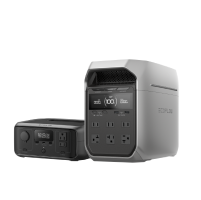
The EcoFlow PowerInsight 2 simplifies this entire process by introducing an intuitive, centralized home energy manager. Featuring a crisp 11-inch smart dashboard display, it gives you a real-time visual breakdown of your solar generation, household consumption, and battery reserves. Beyond just watching numbers, it lets you connect and control your smart home appliances and thermostat systems from one unified interface, giving you the power to tweak your energy usage dynamically based on real-world household needs.

How Can You Check or Get an EPC Rating?
Ready to figure out where your home stands? Accessing an existing certificate or arranging a fresh assessment is straightforward in the UK.
Finding Your Existing EPC Certificate
You can look up any property’s current certificate online via the official government webpage (the “Find an energy certificate” service). It is entirely free and only requires the property’s postcode.
Booking a Professional EPC Assessment
If your home doesn’t have an EPC, or if the old one has expired after 10 years, you will need to book an assessment. You can find an accredited Domestic Energy Assessor directly through the government register.
Understanding EPC Certificate Information
When you look at the document, look past the front page letter grade. The true value lies inside, where the assessor provides a tailored list of recommended improvements, the estimated cost of carrying them out, and what the potential EPC rating could become if those upgrades are completed.
Schedule Your Free Consultation Today!
What kind of product or solution are you interested in?
Conclusion
An EPC rating is far more than a colorful bureaucratic piece of paper. It serves as a vital blueprint for lowering your household running costs, adding tangible market value to your UK property, and reducing your carbon footprint. By starting with basic insulation fixes and embracing smart, integrated tech like the EcoFlow OCEAN 2 Plus and PowerInsight 2, you can take complete control of your home’s energy future, turning an inefficient house into a modern, eco-friendly home.
FAQ
What Counts as a Good EPC Rating?
Most people peg Band C or above as a solid result. New-builds routinely sail through with an A or B, but for the bulk of existing housing stock across the UK, hitting a C is the realistic sweet spot, it keeps the place comfortable, holds running costs in check, and doesn’t put off future buyers.
Is It a Mistake to Buy an F-Rated House?
Not necessarily, but go in with your eyes open and your budget padded out. A Band F property loses heat quickly . It’ll feel draughty, and the heating bills will mount up fast unless you move quickly on insulation and a new boiler. Factor those costs into your offer, and you’ll be fine.
Will a Lender Give You a Mortgage on an EPC F Property?
Yes, but expect some pushback. A number of high-street lenders will take a closer look, and some may hold back funds until you commit to specific energy improvements. For buy-to-let, it’s a different story: most lenders will turn you down flat unless you’ve secured an exemption or can show you’re bringing the place up to at least an E before any tenants move in.
How Often Does an EPC Need Updating?
Every ten years, that’s the rule. That said, if you carry out major energy work, for example fitting solar panels, installing a heat pump, or retrofitting cavity wall insulation, it’s worth paying for a fresh assessment sooner. Get the new rating logged on the national register, and you’ve got something concrete to point to when you come to sell.
What Should You Expect to Pay for an EPC?
Budget somewhere between £60 and £120, though the final figure depends on the size of the property and where in the country you are. Best approach? Skip the estate agent’s recommended supplier and go straight to independent local assessors. Get a few quotes, compare, and you’ll almost certainly end up paying less for the same job.

