
How to Achieve an EPC Rating C: Costs, Tips, and Top Improvements
Getting your home up to an EPC Band C can knock money off your energy bills, make the place more comfortable to live in, and give it a real edge if you ever come to sell or rent out. Whether you’re updating an older property or getting ahead of future rental rules, the trick is knowing which upgrades will give you the most bang for your buck. This guide runs through what a C rating actually means, how to see where your home currently stands, which improvements are worth the time and money, and what sort of costs and timelines you’re looking at.
What Does an EPC Rating C Mean for UK Homes?
If you’re aiming for an EPC Band C, it helps to understand how the rating system works. EPC certificates score homes from A (most efficient) to G (least efficient), with Band C generally considered the benchmark for an energy-efficient existing home. Improving energy efficiency has also become increasingly important as UK housing standards move towards policies such as the Future Homes Standard, which focuses on creating more energy-efficient properties.
EPC Energy Rating Levels Explained
An EPC measures your home’s energy efficiency on a scale from A (most efficient) to G (least efficient). The certificate is valid for ten years and assigns a numerical score from 1 to 100. Band A represents a near-perfect score of 92+, while Band C corresponds to a score of 69 to 80. Most UK properties currently sit squarely in Band D, meaning a jump to C is the most common target for home improvement projects.
Features of an EPC C Home
A typical C-rated home in the UK holds its warmth through the winter without needing the heating on full tilt round the clock. You’d expect to see double glazing throughout, decent loft insulation – at least 270mm – cavity wall insulation where it’s applicable, a reasonably modern condensing boiler, and low-energy lighting in most rooms. In short, it’s a home built to hang onto heat rather than let it drift out through the roof and walls.
EPC C Compared With Other Ratings
To put things in perspective, let’s look at how the bands stack up in terms of typical household experience:
| EPC Band | Typical Score | General Characteristics in the UK | Heating Efficiency |
|---|---|---|---|
| A - B | 81 - 100+ | New builds, solar arrays, heat pumps, highly insulated. | Excellent / Very low bills |
| C | 69 - 80 | Well-retrofitted traditional homes, modern boilers, great insulation. | High / Comfortable and cost-effective |
| D - E | 39 - 68 | Typical UK stock, drafty rooms, older boilers, basic loft insulation. | Moderate / High bills in winter |
| F - G | 1 - 38 | Single glazing, uninsulated solid walls, expensive storage heaters. | Poor / Extremely expensive to heat |
Requirements for an EPC C Rating
To secure a C rating, your home needs a balanced profile. You cannot simply install solar panels on a drafty, uninsulated house and expect to hit a C. The system evaluates the structural elements (the “envelope” of your home), your primary space and water heating systems, and how you manage and generate energy. In short, it requires a “fabric first” approach combined with smart technology.

How Can You Tell If Your Home Is Ready for an EPC C Rating?
Before deciding which improvements to make, it’s important to understand your home’s current energy performance. Checking your existing EPC and identifying where your home is losing energy will help you prioritise the upgrades that are most likely to improve your rating.
Check Your Current EPC Certificate
If you bought or rented your place in the last ten years, you’ve probably already got an EPC. Knowing how long does an epc certificate last can help you understand whether your current assessment is still valid before planning any upgrades. You can look it up for free on the government website – just pop in your postcode and you’ll see your current rating, any past scores, and a rundown of how each part of the property performs.
Review Your EPC Recommendations
Your EPC certificate comes with a list of recommended improvements tailored to your property. These might include topping up loft insulation, fitting draught-proofing, or upgrading the heating system, and they usually give you an idea of how much each one could bump up your rating.
Identify Common Energy Loss Areas
Heat can sneak out of all sorts of places, especially in older UK homes. Keep an eye on window frames, external doors, lofts, suspended timber floors, and unused chimneys – they’re the usual suspects when it comes to heat loss. Pinpointing those weak spots makes it easier to decide which upgrades will give your EPC rating the biggest lift.
Assess Heating and Insulation Conditions
Have a look in your loft. Is the insulation level with the joists (around 100mm), or does it completely bury them (the recommended 270mm+)? Check your boiler as well. If it was installed before 2005, it is likely a non-condensing boiler operating at around 60-70% efficiency, compared to modern condensing boilers which operate at 90% or higher.
What Home Improvements Can Help You Achieve an EPC C Rating?
To make the jump to Band C, you will need to implement a strategic combination of structural upgrades and smart systems. Let’s explore the most effective, battle-tested improvements that British homeowners use to climb the EPC ranks, starting with the basics and moving to advanced modern technology.
Improve Loft and Wall Insulation
This is the absolute bedrock of energy efficiency. Insulation is relatively inexpensive to install but yields the highest return on your EPC score. Insulating a standard loft up to 270mm can save hundreds of pounds a year on heating bills. If your home has cavity walls, getting them filled is a quick, mess-free job that pays for itself in no time. For solid-wall Victorian properties, internal or external wall insulation is pricier but can completely transform your home’s thermal retention. Pairing these improvements with an EcoFlow Solar Battery can further help store renewable energy and improve overall household energy efficiency.
Replace Inefficient Heating Systems
Your boiler is the heart of your home’s energy consumption. Replacing an old, clunky gas boiler with an A-rated condensing model can instantly boost your EPC score by 5-10 points (more if combined with smart heating controls). If you are looking to future-proof, transitioning to a modern air-source heat pump combined with larger radiators is another excellent route, particularly if you can secure support through the Boiler Upgrade Scheme or other government grant assistance.
Upgrade Windows and Draught Proofing
Plenty of older UK homes are still running single-glazed windows or have gaps around external doors that let warm air seep out. Upgrading to double glazing or secondary glazing, along with some basic draught-proofing, can make the place feel cosier, cut down on heat loss, and take the edge off your heating bills through the winter.
Install Renewable Energy Solutions
Solar panels can give your EPC a decent lift by boosting the amount of renewable electricity you generate at home. But not every roof is perfectly suited to them. Plenty of UK homes have panels split across different roof faces, and others have to contend with shade from chimneys, neighbouring buildings, or established trees at certain times of day.
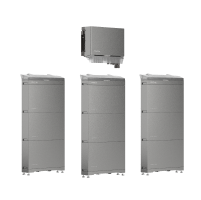
In cases like that, a system with multiple MPPTs can make a real difference. The EcoFlow OCEAN 2 Plus Single Phase has three independent MPPTs, so each panel string works separately. That means if one part of your roof is in the shade, the rest keeps doing its job. You get better overall output, more self-consumption, and smarter use of the energy your panels produce.
Integrate Smart Energy Management Systems
Improving your home’s energy efficiency doesn’t stop at insulation and solar panels. Once those upgrades are done, keeping an eye on how and when you use electricity can help you make smarter use of what you generate – especially if you’ve got a battery or a time-of-use tariff in place.
The EcoFlow PowerInsight 2 gives you a live read on solar output, household consumption, and battery level, all on an 11-inch touchscreen. It can also link up with compatible smart devices and automatically shift energy-hungry tasks – charging the battery or running appliances – to times when your panels are producing plenty or the tariff is at its cheapest. More visibility and more control means you use more of what you generate and get better overall performance from the system.
.png)
How Much Does It Cost to Upgrade Your Home to EPC C?
The cost of upgrading your home to an EPC C rating varies widely based on the size, age, and starting condition of your property. While some homes only need a few hundred pounds of insulation, others might require a more comprehensive, multi-thousand-pound overhaul.
Average EPC Upgrade Costs
According to English Housing Survey data, the average cost to upgrade a UK home from a D to a C rating sits between £3,000 and £8,000. However, this is highly dependent on your starting point. Here is a breakdown of what you might expect to pay for typical individual improvements:
| Improvement Measure | Estimated Cost Range (UK) | Typical EPC Points Gain |
|---|---|---|
| Loft Insulation (Top-up to 270mm) | £300 - £700 | 3 - 8 points |
| Cavity Wall Insulation | £500 - £1,800 | 5 - 12 points |
| A-Rated Condensing Boiler | £2,200 - £4,000 | 10 - 15 points |
| Smart Home Energy Management | £200 - £800 | Improves overall efficiency & usage control |
| Solar PV System (inc. Inverter/Battery) | £5,000 - £9,000 | 10 - 20 points (highly variable) |
| Double Glazing (Whole House) | £4,500 - £10,000+ | 3 - 5 points |
Factors Affecting Upgrade Costs
The structural nature of British housing is the biggest variable. A mid-terrace house is naturally insulated by its neighbours, meaning it requires less heat and is cheaper to upgrade. A detached stone cottage in the countryside, however, has more exposed external walls and no cavity to fill, which dramatically increases the cost of solid-wall insulation.
Grants and Funding Options Available
You don’t have to pay for it all yourself. There’s government money out there to help.The Boiler Upgrade Scheme gives you £7,500 off a heat pump (and up to £9,000 for eligible off-gas grid properties). And if you’re on a low income or live in a highly draughty home, the ECO4 scheme (running until December 2026) might cover your loft or wall insulation for free . Always worth checking what you can get before you start any work.
How Long Does It Take to Achieve an EPC C Rating?
Getting the timing right matters, particularly if you’re juggling work between tenancies or trying to get everything finished before winter sets in.
Time Needed for Small Improvements
Simple jobs like topping up loft insulation, fitting draught-proofing, swapping old halogen bulbs for LEDs, or setting up a smart energy display like the EcoFlow PowerInsight 2 can often be ticked off in a few hours or over a single weekend. They’re easy to do, cause very little disruption, and the savings start adding up straight away.
Timeline for Major Home Upgrades
Larger projects require careful planning and professional installation. Replacing a boiler or installing a solar panel system with a smart inverter like the EcoFlow OCEAN 2 Plus usually takes 1 to 3 days of on-site work, though you may wait a few weeks for a qualified MCS-installer to become available. Major retrofits like external wall insulation can take 2 to 4 weeks and are highly weather-dependent.
Duration of EPC Reassessment Process
Once your improvements are complete, you will need to book a domestic energy assessor to survey your property and issue a new certificate. The physical home visit takes about 45 minutes to 2 hours, during which the assessor will take measurements, photograph your upgrades, and inspect your heating. Your new certificate is typically uploaded to the official UK registry within 24 to 48 hours of the visit.
Schedule Your Free Consultation Today!
What kind of product or solution are you interested in?

Conclusion
Hitting an EPC rating of C is one of the smartest investments you can make for your UK home. It is a win-win scenario: you enjoy a warmer, draft-free living space, significantly cut down your monthly energy bills, protect your property’s future resale value, and do your bit for the environment. By starting with basic insulation, upgrading your heating system, and integrating smart green tech like the EcoFlow OCEAN 2 Plus and PowerInsight 2 to manage your power flow, achieving that comfortable Band C is well within your reach. Take it step-by-step, make use of available government grants, and watch your home’s running costs tumble.
FAQ
Is an EPC Rating of C Good?
Yes, a C is considered a solid rating, particularly given that the average for existing UK housing stock is currently a D. It means your home is well insulated, efficient to run, and ahead of the pack when it comes to comfort and carbon reduction.
Does EPC Rating Increase House Value?
It can do. Buyers and tenants are increasingly clued up on running costs, and a C or above often makes a property more attractive. In many areas, homes with a better rating tend to sell faster and can even command a premium over less efficient ones nearby.
Do I Need an EPC to Sell My House?
Yes, you’re legally required to have a valid EPC before you can market a property for sale or rent in the UK. If you don’t provide one, you could be hit with a fine of up to £200. So it’s well worth keeping on top of it.
Can I Challenge My EPC Rating?
Yes, you can challenge it if you think the assessor got something wrong or made an assumption that doesn’t fit your property. Start by contacting the assessor directly to talk it through. If that doesn’t get you anywhere, you can take it up with their accreditation scheme.
Can I Get an EPC for Free?
Not really. A new certificate has to be done by a certified assessor and typically costs between £60 and £120. But you can check and download an existing valid certificate for your property at no cost from the government’s online database.

