
Electric Heater in the UK: Types, Running Costs and How to Choose
An electric heater can make a cold home office or spare room more comfortable without turning up the heating for the whole house. But electricity costs more per unit than gas, so the right heater depends on how long you’ll use it, how well the room holds heat and what your tariff charges. This guide compares the main types of electric heaters, explains how to estimate running costs and covers what to look for when choosing one for a UK home.
Key Takeaways
Target your heating: Electric heaters turn almost all the electricity they use into heat, but whether heating room by room is cheaper depends on your tariff and how you use them.
Different types, different comfort: Fan heaters warm a room fast, oil-filled radiators give out steady heat, and infrared panels warm people and objects directly.
Work out the running cost: A 2,000 W heater uses up to 2 kWh an hour at full power. A thermostat cuts how long the element runs.
Insulation matters: As a rough guide, allow 50–60 W per m² for a well-insulated home and around 100 W per m² for an older, poorly insulated room.
Use stored electricity: A home battery can store solar power or cheaper off-peak electricity for later use.
What Is an Electric Heater and How Does It Work?
Electric heaters use electricity to warm a room without needing a boiler or water-filled radiators. The basic process is simple, though different models give out heat in different ways.
How Electric Heaters Convert Electricity into Heat
Most electric heaters work by passing current through a heating element. The element resists the flow of electricity and gets hot, much like the coil in a toaster. The heater then gives out that heat in different ways: a fan or convector warms the air, an infrared model warms people and nearby surfaces, and an oil-filled radiator passes heat through the oil inside its fins.
The Main Benefits and Limitations of Electric Heating
Know what electric heating does well and where it falls short before you install it:
Efficient at the point of use: Every unit of electricity you draw from the socket turns into heat, so there are no flue losses and nothing lost along pipework.
Simple to install: Most freestanding units just need a standard 13-amp UK plug socket, so no pipework, no flue to core through the wall, and no gas safety certificates.
Heat one room at a time: You can warm a single box room or garden workshop without wasting energy on empty living areas.
Higher unit costs: Electricity costs notably more per kilowatt-hour than mains gas in the UK, so running electric heating flat out across a whole property gets expensive if you don’t keep on top of it.
Limited heat retention: Lightweight convector and fan models go cold the moment you switch them off, so draughty rooms cool down fast.
What Are the Different Types of Electric Heaters in the UK?
Heaters differ in how quickly they warm a room, how long they retain heat and whether they make noise. Here’s how the common options compare.
Electric Heater Types at a Glance
| Heater type | How it heats | Best for | Suitable for | Keep in mind |
|---|---|---|---|---|
| Fan | Blows air over an element | Quick, short bursts | People who need fast warmth | Noisy; stirs dust |
| Convector | Heats circulating air | Quiet, occasional use | Bedrooms and studies | Less effective with high ceilings |
| Oil-filled radiator | Heats oil that releases warmth | Longer use | People working or relaxing in one room | Slow to warm up |
| Infrared | Warms people and surfaces directly | Draughty or high-ceiling rooms | People who want targeted warmth | Heat is concentrated in its path |
| Storage heater | Stores heat in internal bricks | Off-peak tariffs | People who can plan heating ahead | Check tariff and controls |
Fan Heaters
Compact and lightweight, fan heaters pass air across an incandescent wire or ceramic PTC element before blowing it forward using an internal impeller. They are engineered for immediate, targeted relief—ideal for shaking off the frost while getting dressed or quickly warming a cold utility room. On the downside, their whirring fans create background noise, and they can stir up dust and pet dander.
Convector Heaters
Natural convector heaters operate on the basic physical rule that warm air rises. Cooler air enters through vents at the base, glides over an electric element, and gently lifts through top grilles into the room. Because they rarely rely on motorised blowers, they run silently, making them a fixture in guest bedrooms and studies. However, they struggle in rooms with soaring ceiling heights where warm air quickly stratifies out of reach.
Oil-Filled Radiators
Constructed with traditional metal fins filled with diathermic oil, these appliances act as thermal flywheels. The heating element warms the fluid sealed inside, which circulates around the internal channels and gently radiates warmth outward.
Although taking 20 to 30 minutes to reach operating temperature, the dense oil retains heat long after the thermostat clicks off. For sustained daily use, such as an eight-hour shift in a home office, oil-filled radiators provide the most stable, comfortable background warmth.
Infrared Heaters
Unlike convection models that warm surrounding air volume, infrared panels emit radiant electromagnetic waves. These waves travel through the air unhindered, warming solid objects, furniture, and human skin directly.
Because they do not rely on air movement, infrared panels excel in draughty hallway corridors, high-ceiling Victorian flats, and conservatories where heated air would otherwise escape through single glazing or ceiling vents. They also mount neatly on walls or ceilings, taking up zero floor space.
Storage Heaters
Storage heaters contain high-density ceramic or magnetite bricks designed to absorb heat overnight. Common in all-electric purpose-built flats and rural homes off the mains gas network, they charge up during cheaper off-peak hours (such as on Economy 7 or time-of-use tariffs) and release stored warmth gradually throughout the following day. Modern high-heat-retention models feature digital timers and automated dampers to prevent the room from overheating by lunchtime.

What Factors Affect Electric Heater Running Costs in the UK?
The heater’s wattage gives you a starting point, but your tariff, how often the thermostat runs and how quickly the room loses heat all affect the final cost.
Heater Power Rating (Wattage)
The wattage on the label shows the heater’s maximum power draw. To work out roughly how much electricity it uses in an hour, divide the wattage by 1,000. A 2,000 W heater running flat out for an hour, for example, uses 2 kWh. A portable 2,400 W oil radiator draws 2.4 kWh an hour, while an 800 W slimline convector uses 0.8 kWh.
An electric heater’s impact on your energy bill is easier to understand when compared with your household’s overall electricity consumption. Knowing how many kWh does a house use can help you assess how much additional electricity a heater adds to your daily usage, particularly during colder months when heating demand increases.
Electrical safety note: High-output portable heaters (2 kW–2.4 kW) run close to the continuous limit of a standard 13A socket (about 3,000 W max). Don’t run another high-draw appliance such as a kettle or iron on the same ring circuit at the same time, or you’ll trip the breaker. Never plug an electric heater into a lightweight extension lead or multi-way adapter, as a sustained high current can overheat it and start a fire.
Electricity Unit Rates
Your electricity unit rate depends on your supplier, tariff, region and payment method. Use the rate on your current bill when estimating heater costs. Economy 7 and other time-of-use tariffs have different peak and off-peak rates; check their hours and prices before scheduling storage heating. If you already use the EcoFlow home battery to power the heater, base your estimate on the cost of charging the battery, allowing for storage losses.
To understand unit rates and standing charges before estimating heating costs, see how much is electricity per kwh. Use your current supplier’s rate for the calculation.
Heating Duration and Usage Patterns
Running an electric heater continuously at full tilt is rarely necessary. Most quality models feature bi-metallic or electronic thermostats that cycle the heating element on and off once the target room temperature is reached. In a well-sealed room, an active 2 kW heater might only draw power for 35 to 40 minutes of every hour, keeping actual energy draw lower than its nominal rating suggests.
Room Size, Insulation and Heat Loss
A typical UK property loses warmth through uninsulated cavity walls, suspended timber floorboards, and draughty chimney flues. A ground-floor reception room with two external solid walls demands far more thermal energy to maintain 20°C than an insulated second-floor flat surrounded by heated neighbouring dwellings.
How to Choose the Right Electric Heater for Your Home
Choosing a heater comes down to the room, how long you use it and how much heat it loses. Check these points before you buy.
Selecting the Right Heater Type for Your Heating Needs
Match the heating dynamic directly to how the space is lived in:
Short bursts (15–45 minutes): Choose a ceramic fan heater for quick morning washroom visits or garage workbench tasks.
Steady daytime warmth (3–8 hours): Choose an oil-filled radiator for home offices and lounges requiring quiet, even warmth.
Intermittent background warmth: Choose a wall-mounted convector with a 24-hour timer for guest rooms and dining areas.
Draughty or lofty zones: Mount far-infrared panels to warm occupants directly without chasing air leaks.
Matching Heater Power to Room Size and Insulation
As a rough guide, match the heater’s output to the room’s size and insulation:
| Room insulation | Approx. heater output |
|---|---|
| Well-insulated modern home | 50–60 W per m² |
| Average semi with cavity insulation and double glazing | 75–80 W per m² |
| Older or poorly insulated room | Around 100 W per m² |
For example, a 14 m² lounge in a 1970s semi would need about 1,120 W at 80 W per m². A 1.2–1.5 kW heater should be suitable.
Comparing Temperature Controls and Energy-Saving Features
Ecodesign requirements vary by heater type and market. Great Britain continues to apply assimilated Regulation 2015/1188, while Northern Ireland follows EU Regulation 2024/1103 for local space heaters placed on the market from 1 July 2025. Do not assume every fixed heater must include the same set of controls. Check the model’s compliance information, thermostat and timer features before buying.
Evaluating Installation, Portability and Safety Requirements
Safety considerations are critical, particularly for freestanding appliances:
Tip-over switches: Automatic cutoff mechanisms if children or pets knock the unit over.
Overheat thermal cutouts: Failsafe sensors that cut current if ventilation grilles are obstructed.
IP ratings for damp areas: Any heater situated near bathrooms or utility sinks must hold appropriate ingress protection (such as IPX4 splash resistance) and adhere to UK electrical zone regulations.

How to Use Electric Heaters Efficiently and Reduce Household Energy Costs
A few practical choices can limit unnecessary electricity use: heat the room you’re in, reduce heat loss and pay attention to when your heater runs.
If you already generate solar electricity, solar battery storage can shift available generation to later heating demand; savings depend on tariffs, battery losses and winter solar output.
Heating Only the Rooms You Use
Electricity generally costs more per unit than mains gas. For 1 October–31 December 2026, Ofgem’s average capped Direct Debit rates in England, Scotland and Wales are 26.32p/kWh for electricity and 7.97p/kWh for gas. Whether a room heater saves money depends on the heat required, boiler efficiency and how much central heating it replaces.
Spot electric heating only saves money in specific situations: short bursts of targeted warmth, such as 1–2 hours in a single room without firing up the whole house system, or when the central heating is off completely and you just need comfort at your desk. For prolonged daily heating over several hours, a properly balanced gas central heating system, controlled room by room with thermostatic radiator valves (TRVs), still works out significantly cheaper per hour of heat delivered.
Optimising Heating Settings and Improving Home Insulation
Even the most advanced electric heater will struggle inside a draughty room. Modest physical tweaks retain valuable warmth:
Set a comfortable thermostat temperature and avoid overheating the room; the saving from lowering it depends on the building, weather and usage.
Fit thick, brush-sealed draught excluders along external doors and uncarpeted floorboard gaps.
Hang thermal-lined floor-length curtains across windows, tucking them above radiator surfaces to prevent blocking convective currents.
Tracking Household Energy Consumption
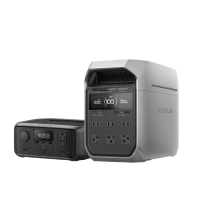
Electric heating sends demand soaring across the home in winter, so monitoring the whole property matters. Rather than waiting for a surprise quarterly bill, households do better with dedicated energy-management dashboards that show live generation, household draw and battery reserve levels. Hardware such as the EcoFlow PowerInsight 2 gives you an integrated home energy console. By pulling real-time consumption data into one place, it lets you see the immediate wattage spike when a space heater switches on. That visibility makes it easy to spot inefficient heating habits and fine-tune usage around how your family actually lives.
Using Solar Energy and Home Battery Storage
For UK households with rooftop solar panels, winter throws up a tricky problem: daylight hours are shorter, and generation rarely lines up with the evening heating peak. A home battery bridges that gap by capturing daytime generation and storing cheap off-peak electricity from overnight grid tariffs, then using it to run heaters during expensive peak evening hours.
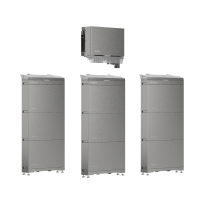
Solutions like the EcoFlow OCEAN 2 Plus Single Phase bring solar capture, high-capacity home storage and intelligent energy routing together in one streamlined residential platform. Storing cheap off-peak power overnight to run space heating the next day significantly cuts reliance on costly peak grid rates, giving homeowners a resilient buffer against winter energy price spikes.
Schedule Your Free Consultation Today!
What kind of product or solution are you interested in?
Conclusion
An electric heater can be useful for warming one room, but the cost depends on the heater, how long it runs and how much heat the room loses. Choose a model that fits your routine, use its thermostat and timer, and check your electricity tariff before relying on it for long periods. A little monitoring can show whether your setup is keeping the room comfortable without running up avoidable costs.
FAQs
How Long Do Electric Heaters Usually Last?
Well-built electric heaters usually last 5 to 10 years, depending on the technology inside and how well they’re made. Oil-filled radiators and infrared panels often go beyond a decade because they have no moving parts, while fan heaters have shorter lifespans as dust builds up in their motor bearings and fans over time.
Is It Safe to Sleep with an Electric Heater On?
Do not leave a portable electric heater running while you are asleep or unattended. Warm the room before bedtime, then switch it off. For permanently installed heating, follow the manufacturer’s operating and installation instructions.
Is It Cheaper to Leave an Electric Heater on Low All Day?
No, keeping an electric heater running continuously on low throughout the day costs significantly more than turning it on only when the room is occupied. Because homes steadily lose warmth through walls and windows, continuously heating an empty room simply compensates for heat loss, wasting expensive electricity units in the process.
Will an Electric Heater Dehumidify a Room?
Electric heaters do not extract physical moisture from the air the way a compressor or desiccant dehumidifier does. However, warming cold air increases its capacity to hold water vapour, which lowers the relative humidity percentage, helps dry damp walls, and reduces the likelihood of surface condensation forming on cool windowpanes.

