
Do Solar Panels Work on Cloudy Days?
The short answer is yes. Solar panels work on cloudy days by using both direct and diffuse light. On heavily overcast days, output can fall substantially compared with clear conditions, and the actual level varies with cloud cover, system size, orientation and other site conditions. While generation is lower than on a clear summer afternoon, panels can still produce electricity during daylight when sufficient light reaches the system.
Below, we break down how panels perform under British cloud cover, what solar output can look like throughout the year, and how smart home storage can help you make better use of the electricity your system generates.
Key Takeaways
Light, not heat: Solar panels use light rather than heat to generate electricity, so they can continue producing power under overcast conditions.
Realistic expectations: Output can fall significantly under heavy cloud, with the actual level depending on cloud density, system design and site conditions.
Winter yields: Shorter days, lower solar elevation and generally weaker winter sunlight reduce solar output, although cooler temperatures can benefit PV module performance.
The storage advantage: Pairing solar panels with battery storage and energy monitoring can help you use more of your solar generation later in the day and reduce reliance on grid electricity.
How Well Do Solar Panels Work on Cloudy Days?
Solar panels can continue generating electricity in cloudy weather because photovoltaic cells can use both direct and diffuse light. Output generally falls as cloud cover becomes thicker, but panels can still produce electricity during daylight when sufficient light reaches the system.
How Solar Panels Generate Electricity in Cloudy Weather
Solar PV cells don’t need bright, direct sunshine to generate electricity. Light reaches our roofs as both direct and diffuse radiation. On clear days, direct sunlight provides a larger share of the available irradiance. When clouds block or scatter direct sunlight, some light still reaches the panels as diffuse radiation. The solar cells can absorb this light and convert part of its energy into electrical power.
How Much Electricity Do Solar Panels Produce on a Cloudy Day?
Output varies with the type and density of cloud cover. High, thin clouds may have a smaller effect on generation, while dense, low cloud can reduce the amount of sunlight reaching the panels more significantly.
| Weather Condition | Indicative PV Output | What It May Support at Home |
|---|---|---|
| Bright Sunshine | Often much closer to rated output under favourable conditions | Household loads and, where available, battery charging |
| Light Cloud / Broken Sun | Often much closer to rated output under favourable conditions | Everyday household loads and battery charging |
| Dense Overcast | Can fall substantially below rated output | Lower-demand household loads, depending on system output |
| Steady Rain | Often lower because of associated cloud cover | Lower-demand household loads, depending on system output |
Do Solar Panels Work When It Rains?
Rain itself does not necessarily stop your panels from generating electricity; the lower output during rainy weather is mainly associated with reduced sunlight and cloud cover. Rain can also wash away some loose dirt and surface debris, although stubborn deposits may remain and affect performance. For deposits that remain, our solar panel cleaning guide explains maintenance options.
What Affects Solar Panel Output on Cloudy Days?
Cloud cover has a major effect on output, but panel characteristics, roof orientation, shading and temperature can also influence how much electricity a system generates on an overcast day.
Cloud Cover and Solar Irradiance
Solar irradiance measures the power received per unit area. Even when daylight feels dim at ground level, some solar irradiance can still reach a PV system under cloudy conditions. System output generally follows changes in available irradiance, although the relationship is not perfectly linear because system temperature, inverter behaviour and other operating conditions can also affect output.
Solar Panel Efficiency
The design and efficiency of your panels influence how effectively they convert available light into electricity. Modern monocrystalline panels can offer higher efficiency than many older polycrystalline panels, although low-light performance varies between individual products and system designs. Higher-efficiency panels can also produce more electricity from the same roof area, while cloud conditions remain an important factor affecting output.
Roof Orientation and Tilt
In the UK, south-facing roofs generally offer strong annual solar yields, although the optimum orientation and tilt depend on location and system design. When skies turn overcast, diffuse light becomes a larger part of the available irradiance. East- and west-facing roofs can also generate useful amounts of electricity and may suit homes whose energy demand is higher in the morning or afternoon.
Shading and Roof Conditions
While dense overcast skies can soften hard shadows, physical obstacles such as trees, dormer windows and neighbouring chimneys can still reduce the light reaching parts of an array. On mixed-weather days with passing clouds and broken sunshine, partial shading can also create differences in output between panels. Microinverters, power optimisers and bypass diodes can help reduce the impact of shading, although their effectiveness depends on the system design and equipment used.
Temperature and Seasonal Conditions
PV modules generally perform more efficiently at lower operating temperatures. Under strong summer sunshine, module temperatures can rise above the 25°C reference temperature used for standard test conditions, which can reduce electrical output. Cooler temperatures can partly offset these temperature-related losses, although they do not compensate for the reduction in irradiance caused by heavy cloud cover.
Do Solar Panels Work in Winter in the UK?
Solar panels can generate electricity throughout the UK winter, but daily output is generally lower because daylight hours are shorter, the sun is lower in the sky and winter conditions often provide less solar irradiance. Cold temperatures do not prevent generation and can improve PV module performance when sufficient light is available.
Why Solar Panels Produce Less Energy in Winter
The drop in winter generation has much more to do with shorter days, the sun’s lower position in the sky and reduced solar irradiance than with cold temperatures. Around the UK winter solstice, daylight lasts roughly seven to eight hours depending on location. The lower solar elevation can also mean that sunlight travels through a longer path through the atmosphere before reaching the panels, reducing the available irradiance.
Can Solar Panels Still Generate Electricity on UK Winter Days?
Even on a cold January day, solar panels can generate electricity when sufficient daylight reaches the cells. Snow can temporarily reduce or stop generation when it covers the panel surface. Once the panels are clear, reflected light from surrounding surfaces can contribute to the available irradiance, although this effect is generally secondary to direct and diffuse sunlight.
Does Cold Weather Reduce Solar Panel Efficiency?
Cold weather can improve the electrical performance of PV modules. Solar panels have a negative temperature coefficient, meaning their power output generally decreases as cell temperature rises above the 25°C reference used under standard test conditions. When modules operate at lower temperatures, their voltage and overall power output can therefore be higher, provided sufficient sunlight is available.
How Much Solar Energy Can You Generate in a UK Winter?
Solar generation in the UK is strongly seasonal, with substantially higher output during the spring and summer months and lower generation during autumn and winter. The exact seasonal split varies by location, system size, orientation, shading and weather conditions. Even during winter, a solar array can generate electricity during daylight and help offset daytime household loads. Where generation exceeds immediate demand, an EcoFlow Solar Battery can store the surplus for later use.
How Can You Get More From Solar Panels on Cloudy Days?
To make better use of solar generation in cloudy conditions, focus on panel efficiency, shading, system maintenance and how you use the electricity generated. Adding solar battery storage can also store surplus daytime power for later use, although it does not increase the panels’ generation capacity.
Choose High-Efficiency Solar Panels
If roof space is limited, high-efficiency N-type TOPCon or heterojunction (HJT) monocrystalline panels can help maximise generation from the available roof area. Their low-light performance varies by product, so it is worth comparing the manufacturer’s specifications and independent performance data rather than assuming one cell technology will always perform better in cloudy conditions.
Reduce Shading and Remove Panel Dirt
Keep nearby trees and vegetation under control where they cause shading, while following local rules and avoiding unnecessary trimming. Although rain can wash away some loose dirt, occasional inspection and cleaning may help remove stubborn grime, leaves and other debris that reduce the amount of light reaching the panels.
Use a Solar Battery
In the UK, grey skies and short winter days can reduce solar generation, but they do not necessarily prevent panels from producing electricity during daylight. For homes with solar panels, one challenge is making good use of surplus daytime generation when household demand is lower than solar output. Battery storage can help shift some of that electricity to later in the day, when household demand may be higher.
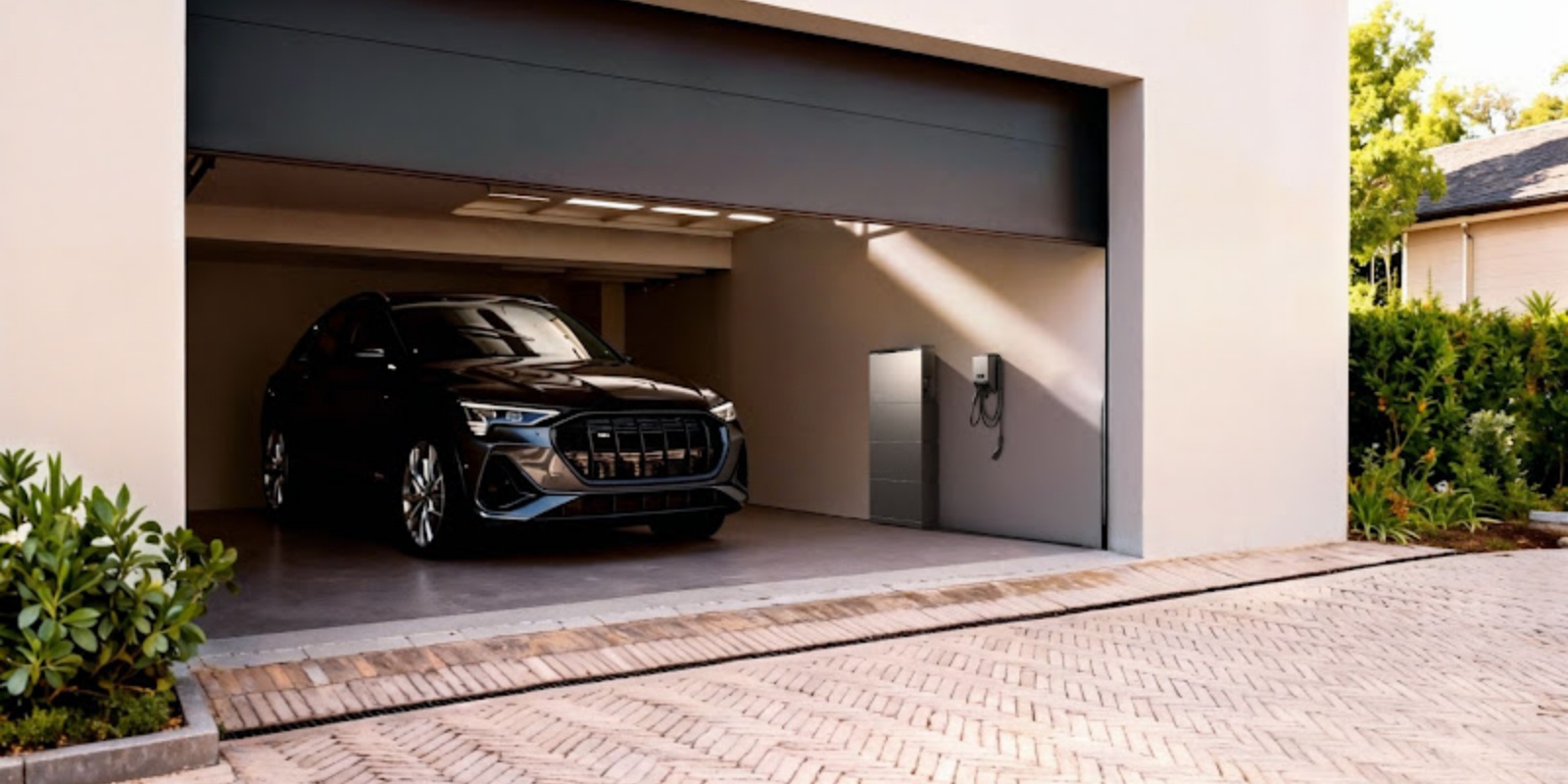
Integrating a dedicated home storage solution such as the EcoFlow OCEAN 2 Plus Single Phase changes this dynamic entirely. Acting as an intelligent home energy reservoir, it captures any excess solar wattage produced during the day and delivers it back to your circuits as daylight fades or household demand rises. Instead of letting low-yielding cloudy spells dictate your reliance on expensive peak-rate grid electricity, this “store by day, use by night” approach ensures every generated kilowatt-hour stays within your home.
Monitor and Optimise Your Solar Energy Use
Even with a home battery installed, the timing of high-consumption appliances—such as washing machines, tumble dryers and dishwashers—can affect how much solar energy you use directly. Because generation can fluctuate on overcast days, visibility into household energy flows can help you decide when to use electricity-intensive appliances.
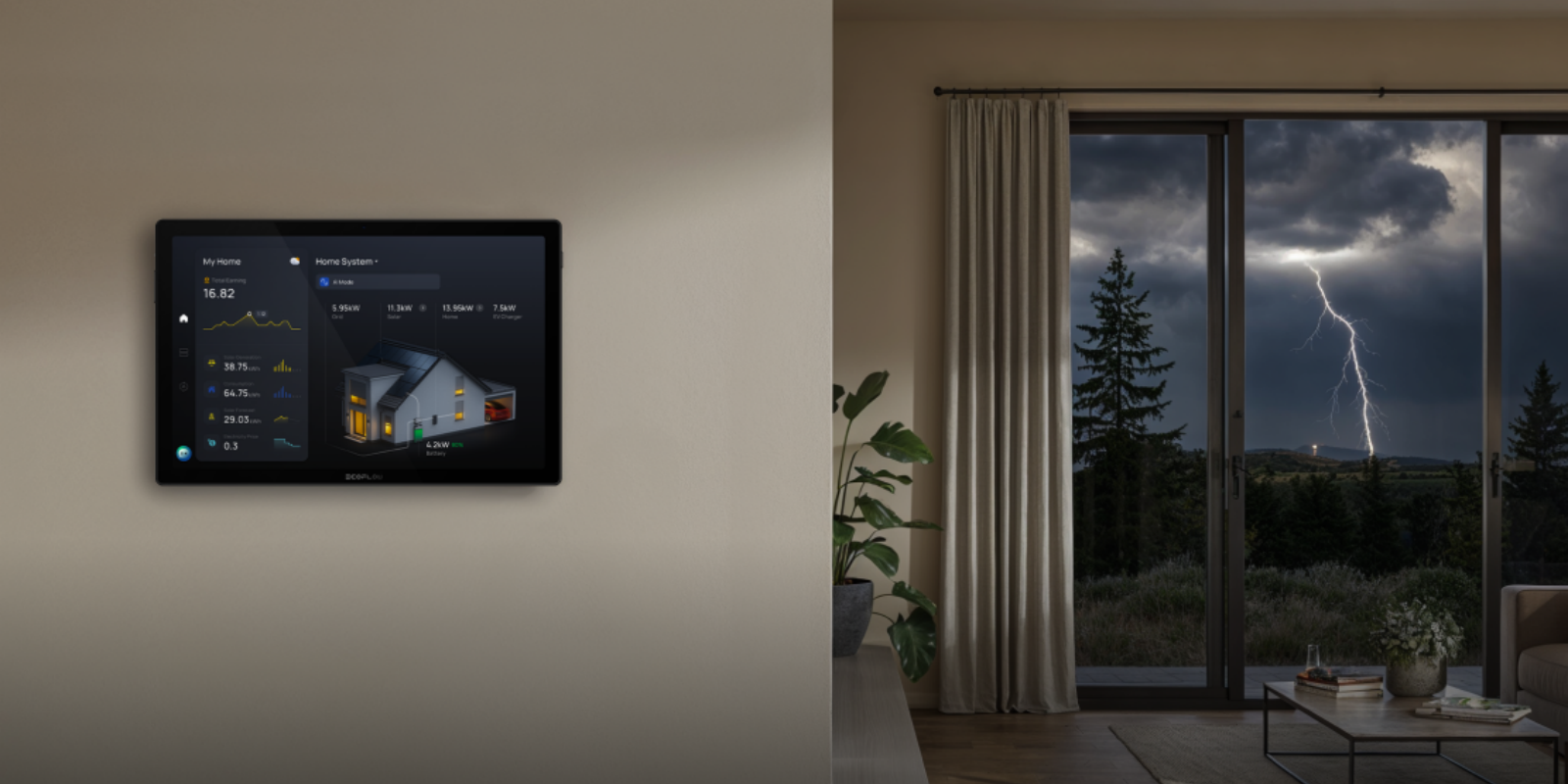
This is where an intuitive home energy display like the EcoFlow PowerInsight 2 proves invaluable. Providing clear, real-time insights into what your panels are generating, what your battery is holding, and where power is being consumed, it lets you schedule energy-intensive chores when solar yields are active. Running appliances on surplus solar power rather than pulling expensive electricity from the grid after dark shifts the focus from simple panel output to intelligent home energy management.
Are Solar Panels Worth It in the UK Despite Cloudy Weather?
Cloudy weather alone does not determine whether solar panels are suitable for a home. The assessment should consider expected annual generation, installation cost, electricity prices, roof conditions and how much solar electricity the household can use directly. Understanding how much is electricity per kwh can help you assess the potential value of each unit of grid electricity displaced.
Cloudy Weather Does Not Mean Zero Solar Generation
Cloud cover does not necessarily mean that a solar PV system stops generating electricity. For example, a 4kWp system could produce substantially less power under heavy cloud than during a clear summer period, but even reduced generation may contribute to a home’s daytime electricity demand. The actual output depends on factors such as weather, system orientation, shading and equipment.
Look at Annual Solar Generation, Not Individual Days
Solar viability is better assessed using expected annual generation rather than the output of individual days. Longer daylight hours and stronger solar irradiance generally support higher generation in spring and summer, while autumn and winter output is lower. Financial assessments should consider the system’s expected annual generation, installation cost, electricity prices, SEG export payments, maintenance and household consumption patterns over the expected system lifetime.
When Solar Panels May Make Sense for a UK Home
Solar panels may be suitable for homes with a relatively unshaded roof, with south-facing roofs generally offering strong annual generation. East- and west-facing roofs can also work, depending on the property and when electricity is used. Solar panels can be particularly useful when a household uses electricity during daylight hours or has battery storage to shift surplus generation to later in the day. A well-sized system can reduce grid electricity use, although the potential savings depend on generation, consumption, tariffs and system costs.
Schedule Your Free Consultation Today!
What kind of product or solution are you interested in?
Conclusion
Solar panels can continue to generate electricity on cloudy and rainy days, although output is generally lower than under clear conditions. For UK households, expected annual generation is more useful for assessing system performance than the output from any single overcast day.
Before installing a system, compare quotes based on roof orientation, shading, system size and estimated annual yield. If much of your electricity is used in the evening, a correctly sized battery may help increase solar self-consumption, but its cost, efficiency, expected lifespan and electricity tariffs should be included in the overall financial assessment.
Disclaimer: Solar generation varies by location, weather, system size, roof orientation, shading, equipment and household energy use. Any output ranges or examples in this article are indicative only and should not be treated as a guaranteed generation or savings estimate. For a property-specific assessment, consult a qualified solar installer.
FAQs
Do solar panels work in winter in the UK?
Yes. Solar panels can generate electricity throughout the British winter when sufficient daylight is available. Shorter days, lower solar elevation and weaker winter sunlight generally reduce overall output, while cooler temperatures can benefit PV module performance.
Do solar panels work when it rains?
Yes. Panels can generate electricity from the available diffuse light during rainy weather, although output is usually lower because of reduced solar irradiance. Rain can help wash away some loose surface dirt and pollen, although stubborn deposits such as bird droppings may still require cleaning.
How much power do solar panels produce on cloudy days?
Solar panel output can fall substantially under heavy cloud, but there is no single percentage that applies to every residential system. Actual output depends on cloud density, irradiance, panel characteristics, orientation, shading, temperature and system design. For example, a 400W panel could produce substantially less than its rated output under heavy cloud, but the actual wattage will vary with weather and site conditions.
Do solar panels need direct sunlight?
No. Direct sunlight generally produces the highest output, but solar panels can also generate electricity from diffuse light under cloudy conditions. As a result, clear skies are not required for solar PV generation.
Can solar panels charge a battery on a cloudy day?
Yes, provided the solar system is generating more electricity than the home is using at that moment and the battery has available capacity. If generation exceeds immediate household demand, the surplus can be directed to the battery, depending on the system configuration and battery charging settings.

