
Consumer Unit Replacement Cost: Prices, Regulations, and When to Upgrade
If you’ve lived in an older British semi or a Victorian terrace for a while, you’ve probably seen that clunky beige box under the stairs or in the hall. That’s your consumer unit or fuse box, it’s the heart of your home’s electrical safety. Maybe you’re planning a kitchen refit. Or your existing system is struggling to keep up with the power-hungry demands of modern appliances, leading to frequent trips or signs of electrical strain. Either way, knowing what an upgrade costs and what the rules say is worth your time.
This guide runs through current consumer unit replacement pricing, the signs your unit is on its way out, and how modern smart kit is changing the way we run our homes.
What Does Consumer Unit Replacement Cost Actually Include?
When an electrician gives you a quote, that number covers a few things. The skilled labour, decent quality parts, and all the legal paperwork that actually matters.
Labor Rates for Qualified Domestic Electricians
In the UK, a professional electrician will usually charge between £300 and £500 for the labour on a standard swap. The job typically takes a full day. Why? Because they have to test every existing circuit carefully – both before and after the install. That’s to make sure the new unit doesn’t trip straight away because of an old fault somewhere in the system.
Unit Material Costs for Different Sizes
The physical unit price varies based on the number of “ways” (circuits) it handles. A standard 10-way populated unit typically costs between £150 and £300. Opting for high-quality brands or metal-clad units (mandatory for all domestic installations since 2016) will sit at the higher end of that bracket.
Mandatory Safety Testing and Certification Fees
You aren’t just paying for the install; you’re paying for the Electrical Installation Certificate (EIC). This document proves the work complies with Part P of the Building Regulations. Expect about £50 to £100 of your total quote to cover the admin and notification to your local building control.
Unexpected Costs for Essential Earthing System Upgrades
Sometimes, opening up the system reveals that your home’s main earthing or bonding (to gas and water pipes) is insufficient. Integrating a robust home energy management system often requires these foundations to be perfect before smart controls can be added. If your electrician discovers your earthing doesn’t meet modern standards, adding these essential safety links can add £100 to £250 to the bill.
Regional Price Shifts for Local Installs
Location matters. If you’re in London or the South East, expect to pay a “capital premium” of 20% to 40% more than homeowners in the North or Midlands.
| Cost Component | Estimated Price (UK Average) |
|---|---|
| Unit Materials | £150 - £300 |
| Labor (Full Day) | £300 - £500 |
| Certification & Testing | £50 - £100 |
| Total Standard Project | £500 - £900 |
Is Your Fuse Box Outdated or Unsafe?
Living with an aging fuse box is a fire risk. If you notice any of the following red flags, it’s time to call in a professional for an inspection.
Burn Marks or Melted Plastic Casing
If you see any discolouration or “scorched” marks around the switches, stop immediately. This indicates arcing or overheating, which is a precursor to an electrical fire.
Frequent Tripping Under Normal Usage
Does the power cut out every time the toaster and washing machine run simultaneously? This suggests your old breakers are fatigued or the unit is overloaded and can no longer handle modern domestic power demands.
Buzzing or Unusual Internal Noises
A healthy consumer unit should be silent. If you hear a persistent humming, buzzing, or “crackling” sound, it usually points to loose connections or failing components that need urgent attention.
Loose Switches or a Damaged Outer Cover
Mechanical wear and tear is common. If the switches feel “mushy” or the front cover is cracked, the unit’s integrity is compromised, leaving live parts potentially exposed.
Overheating When Multiple Circuits Run
If the casing feels hot to the touch during the evening peak (when the oven, TV, and heaters are on), your unit is struggling. Many homeowners now look into home battery storage to help balance these peak loads and reduce the strain on their main consumer unit. Modern units are designed to dissipate heat much more effectively than older models.

When Do You Actually Need to Replace Your Consumer Unit?
Sometimes an upgrade is forced by circumstance rather than failure. In the UK, specific milestones often trigger the need for a new board.
Upgrade for Major Home Extension Projects
If you’re adding a loft conversion or a rear extension, your old board likely won’t have enough spare “ways” to accommodate the new lights and sockets. Building Control will usually insist on a modern unit to sign off on the new work.
Meet Current 18th Edition Wiring Regulations
The BS 7671 (18th Edition) regulations brought in stricter requirements for fire-rated enclosures and RCD protection. If your box still uses replaceable fuse wire, it is significantly behind current safety standards.
Add High-Load Devices like EV Chargers
Installing an Electric Vehicle (EV) charger adds a massive continuous load to your system. You might wonder what are the benefits of doing a future-proof EV charger home installation? Mainly, it ensures your new consumer unit can handle the high-current demands safely for years to come. Most installers will refuse to connect a 7kW charger to an old fuse box that lacks the proper RCD Type A protection.
Replace Old Wooden-Backed Fuse Boxes
If your fuse box is mounted on a wooden plinth, it belongs in a museum, not your hallway. These are significant fire hazards and should be replaced as a matter of priority to ensure your home insurance remains valid.
.png)
What Upgrade Options Improve Safety and Flexibility?
Modernizing your electrical hub is the perfect time to look beyond simple breakers and consider how your home handles energy in an era of rising bills and climate uncertainty.
Upgrade to Full Home Backup Power
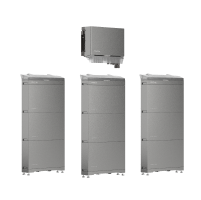
In the UK, localized power cuts due to seasonal storms are becoming more frequent. Traditional consumer units leave you in the dark, but integrating the EcoFlow OCEAN 2 Whole-Home Energy System transforms your setup into a resilient power matrix. With a 0ms switching time, your tech won’t even flicker when the grid goes down. Unlike clunky traditional backup systems, it eliminates the need for complex external Automatic Transfer Switches (ATS). Given the UK’s varied rooflines, its triple MPPT design is a game-changer, squeezing every watt from low-angle northern sun. Plus, its IP66 rating handles our damp British weather with ease, and a 15-year warranty ensures your investment is protected for the long haul.
Track Home Energy Use in Real-Time
With British “Time-of-Use” (ToU) tariffs like Octopus Energy becoming the norm, passive circuit breakers are no longer enough. The EcoFlow PowerInsight 2 acts as the “brain” of your energy system. This 11-inch HD touchscreen lets you monitor every watt used across your home. Supporting the latest Matter 1.4 protocol, it can bridge your consumer unit with smart devices like Tado thermostats or smart plugs. You can even manage your energy via the “Hey EcoFlow” AI voice assistant. Moving from blind consumption to visual management is the smartest way to ensure your circuit upgrade pays for itself through lower bills.
Add Modern Surge Protection Devices (SPD)
With the amount of sensitive electronics we own—from OLED TVs to high-end PCs—an SPD is essential. It protects your entire home from voltage spikes caused by lightning or grid switching.
Set up Dedicated Circuits for Solar
If you’re planning on “going green,” it is helpful to understand what a solar inverter is and how it works. This component must be correctly integrated into your new board. Ensuring your consumer unit has dedicated, labelled ways for solar inverters and battery storage will save you significant labour costs down the line.
Choose Modular Units for Future Expansion
Always ask your electrician to install a unit with 2-3 “blank” spaces. This allows you to add an air-source heat pump or an extra garden room circuit later without replacing the whole board again.
How to Plan Your Upgrade and Avoid Delays?
A little preparation goes a long way in ensuring your “power down” day goes smoothly.
Collect Quotes from Multiple Qualified Electricians: Ensure they are registered with a competent person scheme like NICEIC or NAPIT.
Complete a Pre-Installation Site Survey: A quick 20-minute look-see allows the sparky to check your earthing and avoid “hidden” costs on the day.
Order Essential System Components in Advance: If you’re integrating smart tech like EcoFlow, ensure the units are on-site before the electrician arrives.
Ensure Compliance with UK Building Regulations: Verify that they will handle the Part P notification to the local council.
Get Your Electrical Safety Certificates: Never pay the final invoice until you have the EIC (Electrical Installation Certificate) in your hand.
Schedule Your Free Consultation Today!
What kind of product or solution are you interested in?
Conclusion
Upgrading your consumer unit is one of the most important investments you can make in your property. It’s about creating a safe, efficient, and future-proof foundation for your home. By combining professional installation with modern energy management systems like the EcoFlow OCEAN 2, you transition from merely owning a fuse box to managing a smart energy hub that saves money and keeps the lights on, whatever the British weather throws at you. Ready to future-proof your electrical system? Book a free session with our expert consultants today to get a tailored assessment and ensure your home is prepared for the energy demands of tomorrow.
FAQ
1. Can I Change a Consumer Unit Myself?
No, you should never attempt to change a consumer unit yourself as it is “notifiable work” under Part P of the Building Regulations and requires specialized testing equipment to certify safety.
2. How Long Does It Take an Electrician to Replace a Consumer Unit?
A standard replacement typically takes between 4 to 8 hours, depending on the number of circuits and whether any existing faults are discovered during pre-testing.
3. Do I Need a New Consumer Unit to Sell My House?
You do not strictly need a new one to sell, but an outdated or “unsatisfactory” EICR report may lead buyers to negotiate a lower price or request the upgrade as a condition of sale.
4. Is an RCBO Better Than an RCD?
Yes, RCBOs (Residual Current Breaker with Overcurrent protection) are generally better because they combine both functions into one switch, ensuring that a fault on one circuit won’t knock out the power to the rest of the house.
5. Do I Need to Replaster After Rewiring?
Not usually for a simple consumer unit swap, though if the new unit is a different size or requires chasing new cables into the wall, some minor “making good” or plaster patching might be necessary.

