
Cheapest Standing Charge Electricity in UK: How to Reduce Your Energy Bills Further
A low standing charge can look attractive, especially if your electricity use is relatively low, but it doesn’t always mean a cheaper overall bill. Some tariffs make up for a lower daily charge by bumping up the price per kWh, so which deal actually works out best depends on your annual usage and regional rates.
This guide runs through how standing charges work in the UK, how to compare tariffs on total annual cost rather than headline figures, and a few other things you can do to bring your electricity bill down.
Key Takeaways
Fixed daily cost: The standing charge is a daily fee that generally applies regardless of how much electricity you use. It contributes to costs such as network maintenance, metering, customer service and certain policy-related costs. The amount varies by region, payment method, meter type and tariff.
The tariff trade-off: Tariffs with a low or zero standing charge may offset the lower daily fee with a higher unit rate. Whether they are cheaper depends on your annual electricity consumption and the full tariff structure.
Regional differences: Electricity standing charges vary by region, so households in different parts of Great Britain may pay different daily rates. Your postcode, payment method and meter type can all affect the rate you are offered.
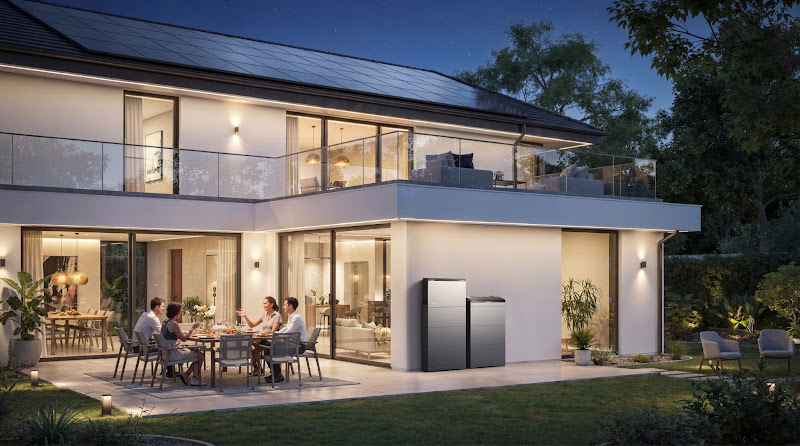
Beyond the standing charge: Pairing a suitable time-of-use tariff with solar and battery storage, such as the EcoFlow OCEAN 2 Plus Single-Phase, can help you use more stored or self-generated electricity during higher-priced periods and reduce reliance on grid electricity.
What Are Standing Charges?
Most UK electricity tariffs include a standing charge, which is a fixed daily cost that generally applies regardless of how much electricity you use. It is set by your energy supplier and contributes to the costs of supplying and maintaining your energy service. If your tariff includes a standing charge, it will normally continue to apply even when you use little or no electricity during a billing period.
What Do Standing Charges Cover?
The standing charge contributes to several costs associated with supplying electricity to your home, including energy network costs, metering, supplier operations and certain government social and environmental schemes.
Energy network costs: Contributing to the costs of maintaining and improving the electricity network, including infrastructure used to deliver electricity to homes.
Policy and industry-related costs: Contributing to certain costs included in the regulated energy price framework, which can change as government policy and industry arrangements evolve.
Government social and environmental schemes: Contributing to certain policy costs associated with schemes such as the Warm Home Discount and other energy-related programmes.
Metering and customer administration: The day-to-day cost of managing meter readings, network data and customer support infrastructure.
Why Standing Charges Vary by Region
Compare otherwise similar electricity tariffs in different regions of Great Britain, and you may find different standing charges. These regional differences reflect several factors used in energy pricing, including local network costs and regional consumption patterns. Regional network costs can differ because the electricity infrastructure, population and consumption patterns vary between areas.
Rural and urban areas can have different network characteristics, but the standing charge is not determined by geography alone. Ofgem notes that regional rates also reflect factors such as local population, average energy use and network investment.
How to Find the Cheapest Standing Charge Tariffs in the UK
Standing charges vary by supplier, tariff and region, so compare the daily charge and unit rate together rather than choosing a tariff based on one figure.
Compare Standing Charges and Unit Rates Together
Evaluating energy deals solely on the daily standing charge can give you a misleading picture of your potential annual cost. Energy pricing involves a trade-off between the standing charge and unit rate:
When comparing quotes via switching services or supplier websites, always look at both numbers side by side. A tariff that reduces your standing charge by 20p a day would save about £73 a year. However, if its unit rate is 4p per kWh higher, the additional cost would be £108 per year at a hypothetical annual usage of 2,700 kWh, more than offsetting the standing-charge saving. If you are unsure what the unit rate represents, our guide to how much is electricity per kwh explains this part of the comparison.
Use Postcode Tariff Comparison Tools
Because standing charges and unit rates can vary by region, generic national comparison figures may not reflect the tariff available at your property. Where available, enter your postcode into an accredited comparison service or supplier website to check the rates available for your area. Doing so pulls the precise regional schedule, ensuring the daily charge and unit rate reflect the actual wires and substations serving your street.
Compare Fixed and Variable Tariffs
Default standard variable tariffs (SVTs) are subject to the Ofgem Energy Price Cap, which sets maximum unit rates and standing charges for these tariffs. Fixed tariffs, by contrast, set the rates specified in the contract for a fixed period, with the contract length and exit terms varying by supplier:
Standard Variable Tariffs (SVTs): Rates are subject to changes when the Ofgem Price Cap is updated. The standing charge and unit rate vary by region, so your actual rates depend on where you live and other tariff factors.
Fixed-rate contracts: Some energy suppliers offer fixed deals with competitive standing charges and unit rates, although contract terms and early exit fees vary by supplier.
Are Lower Standing Charge Tariffs Always Cheaper?
Not necessarily. A tariff with a lower standing charge may have a higher unit rate, so the cheapest option depends on how much electricity you use each year.
Consider Your Annual Electricity Use
Energy profiles vary dramatically depending on house size, heating sources, and occupancy habits. Ofgem divides domestic electricity consumers into three broad brackets:
| Household Profile | Typical Annual Usage | Who Fits This Category? |
|---|---|---|
| Low User | Around 1,600 kWh | Lower-consumption households with relatively limited electricity use |
| Medium User | Around 2,500 kWh | Households with moderate electricity consumption |
| High User | Around 3,800 kWh | Households with higher electricity consumption, including homes with more electrical appliances |
If you occupy a small city-centre flat, spend weekdays in an office, and heat your water via gas, baseline electricity use stays minimal. In this scenario, the standing charge makes up a larger share of your overall electricity cost, so a tariff with a low standing charge may be more competitive, depending on its unit rate and other terms. For a broader benchmark, see how many kWh does a house use before comparing that figure with your own annual statement.
Calculate Your Total Annual Energy Cost
To find out if a cheaper standing charge genuinely saves you money, run this straightforward calculation using figures from your latest annual energy statement:
Total Annual Cost = (Daily Standing Charge × 365) + (Annual Electricity Use × Unit Rate)
Realistic Comparison Scenario
Let’s compare two plans for a small terrace using 1,600 kWh/year versus a typical family using 3,200 kWh/year:
Tariff A (Low Standing Charge): 30p/day standing charge | 29p/kWh unit rate
Tariff B (Standard Tariff): 55p/day standing charge | 24p/kWh unit rate
| Household Type | Annual kWh | Tariff A Total | Tariff B Total | Best Choice |
|---|---|---|---|---|
| Low-Usage Flat | 1,600 kWh | £109.50 + £464.00 = £573.50 | £200.75 + £384.00 = £584.75 | Tariff A saves £11.25 |
| Average Family Home | 3,200 kWh | £109.50 + £928.00 = £1,037.50 | £200.75 + £768.00 = £968.75 | Tariff B saves £68.75 |
As the numbers illustrate, once electricity consumption increases, the unit rate can have a greater impact on annual costs than the standing charge.
How to Reduce Your Electricity Bill Beyond the Standing Charge
The standing charge is only one part of your electricity bill. You can often save more by reducing grid consumption, using electricity at cheaper times, or making better use of solar power. A Home Energy Ecosystem can help coordinate electricity generation, storage and household demand as part of a more integrated energy setup.
Shift Electricity Usage to Off-Peak Hours
If you have a compatible smart meter, switching to a time-of-use tariff such as Octopus Energy’s Agile or an overnight EV tariff may provide lower unit rates during certain off-peak periods, although prices vary by tariff, time and market conditions.
Scheduling energy-intensive appliances such as dishwashers, washing machines and tumble dryers to run during cheaper off-peak periods can reduce the cost of the electricity used for those appliances. It doesn’t touch the daily standing charge, but it does take a proper chunk out of the consumption-based bit of your bill, which is where most of the money goes anyway.
Generate Electricity With Solar Power
Rooftop solar panels can help reduce the amount of electricity you need to buy from the grid and may help lower electricity costs over time. Generating your own power means you can cover daytime baseload from the fridge-freezer to your home office setup without paying the grid for every kilowatt-hour you use. Adding solar battery storage gives you a way to keep some of that daytime generation for later use.
On top of that, eligible installations can receive payments for exported electricity through the Smart Export Guarantee (SEG). The export rate and payment terms depend on the supplier and SEG tariff you choose.
Store Excess Solar Energy for Later Use
A typical British household often faces an alignment challenge: solar generation peaks around midday, right when family members are at school or work. Without a way to store that energy, surplus generation may be exported to the grid, while the household may still need to import electricity later when solar output is lower and the applicable unit rate may be higher.
UK solar households can address this mismatch by storing surplus daytime generation and using it later during higher-priced periods, depending on their tariff and household demand.
The EcoFlow OCEAN 2 Plus Single-Phase home battery storage system is specifically engineered to bridge this gap. By converting excess solar yields into on-demand domestic power, it lets you scale usable capacity precisely around your household’s evening consumption profile. Whether you run an induction hob, late-night wash cycles or heat water, storing surplus solar generation can increase solar self-consumption and reduce the amount of electricity you need to import from the grid later in the day, depending on your household demand, solar generation and battery capacity.
Monitor Household Energy Use
Eliminating mystery power drains requires granular visibility. Vampire appliances—from legacy set-top boxes to idle desktop setups—quietly inflate your base consumption throughout the year.
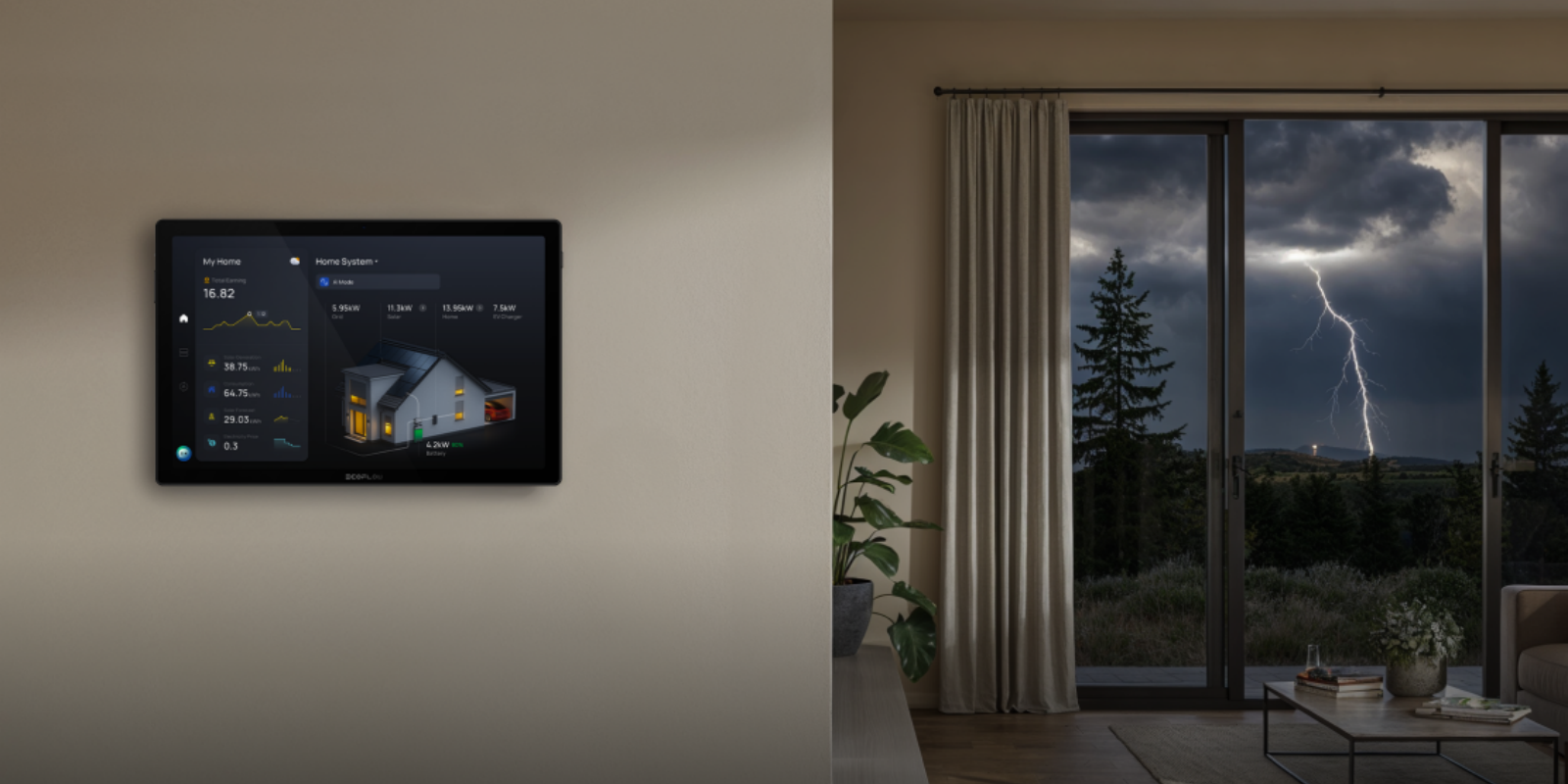
The EcoFlow PowerInsight 2 offers real-time monitoring across household electricity demand, active solar production, and current battery reserves. Having a clear window into where energy flows allows British homeowners to identify spike periods, eliminate wasteful baseload consumption, and dynamically sync appliance schedules with flexible time-of-use tariffs. Taking the guesswork out of daily consumption makes it straightforward to trim every avoidable pound off your quarterly balance.
Schedule Your Free Consultation Today!
What kind of product or solution are you interested in?
Conclusion
The cheapest standing charge does not always mean the cheapest electricity tariff. If your electricity use is relatively low, reducing the daily charge can make a more noticeable difference to your annual cost. For households with higher electricity consumption, the unit rate generally has a greater effect on the overall bill.
Compare tariffs using your own annual consumption rather than the standing charge alone. You can then look at other ways to reduce costs, such as shifting usage to cheaper hours, using more of your own solar generation, or storing energy for later use.
Disclaimer: The electricity prices, standing charges, tariff examples and regulatory information in this article are provided for general informational purposes only and may change over time. Actual rates and annual costs vary depending on your region, supplier, tariff, meter type, payment method and household electricity consumption. Ofgem rules, energy policies and supplier terms may also be updated. Always check the latest information with your energy supplier and relevant official sources before switching tariffs or making decisions about your home energy system. The examples provided are illustrative and do not constitute financial or energy advice.
FAQ
Can I avoid paying a standing charge?
Some suppliers may offer tariffs with a zero or very low standing charge, although availability varies. These tariffs may have higher unit rates, so whether they save money depends on your annual electricity consumption and the full tariff terms.
Is it better to have a cheaper unit rate or a cheaper standing charge?
That depends on your annual electricity use and the difference between the two rates. A lower unit rate can be more valuable for higher-use households, while a lower standing charge may benefit households with relatively low consumption. The best option is to compare the estimated annual cost using your own usage.
How can home battery storage help reduce electricity bills?
Battery storage can allow you to charge with surplus solar generation or, where supported by your tariff and system, lower-cost off-peak electricity and use the stored energy later. This can reduce the amount of electricity you need to buy from the grid during higher-priced periods.
Can renters use home energy storage systems?
Renters may be able to use portable power stations and some plug-in battery solutions that do not require permanent modifications to the property’s wiring or consumer unit, subject to the product’s requirements and any tenancy restrictions. Permanently installed residential battery systems generally require professional installation and may be subject to electrical and property requirements, making them less straightforward for renters. Portable power stations with expandable batteries may be easier to use for individual household devices where the product and property setup allow.
Does the Ofgem Price Cap apply to all electricity tariffs?
The Ofgem Price Cap applies to default tariffs, including standard variable and standard prepayment tariffs, rather than fixed-term contracts. Some dynamic or time-of-use tariffs are also structured differently from standard default tariffs, so their pricing may not be governed in the same way as a standard capped tariff. If you sign up for a fixed deal or a dynamic tariff, the rates are determined by the terms and pricing structure of that tariff rather than by the standard Price Cap rates.

