
British Gas PeakSave Discount Electricity: How It Works and How to Save More
British Gas PeakSave gives eligible customers half-price electricity during selected periods, including five hours every Sunday from 11am to 4pm through PeakSave Sundays. British Gas also offers a PeakSave Super Sunday tariff with a longer eight-hour discount window. This guide explains how the different PeakSave options work, who is eligible, how the discounts are applied, and how to make better use of the cheaper hours.
Key Takeaways
Half-Price Sunday Electricity: PeakSave Sundays gives eligible British Gas customers 50% off electricity from 11am to 4pm every Sunday.
Smart Meter Required: You need a working smart meter that can send half-hourly readings to British Gas.
No Tariff Switch Needed: PeakSave Sundays works alongside your existing tariff, with the discount returned as a credit.
Shift High-Use Activities: Moving laundry, cooking, EV charging, or compatible home battery charging into the discounted hours can increase your savings.
What Is British Gas PeakSave and How Does It Work?
PeakSave gives eligible British Gas customers discounted electricity during selected periods. How the discount works depends on whether you use the free PeakSave scheme or one of British Gas’s dedicated PeakSave tariffs.
PeakSave is a free electricity discount scheme
PeakSave Sundays works alongside your existing British Gas tariff rather than replacing it. During the five-hour Sunday window, British Gas uses your half-hourly smart meter data to calculate how much electricity you used and credits back 50% of the cost based on your normal unit rate after VAT. The standing charge is not discounted, and the credit is normally added to your account within two weeks.
PeakSave rewards smart off-peak electricity use
British Gas also runs occasional PeakSave Green Flex events when there is likely to be more renewable electricity available on the UK energy system. These are separate from the regular five-hour PeakSave Sundays.
Smart meters track half-hourly household energy consumption
The entire setup relies on your electricity smart meter taking readings every 30 minutes. When a PeakSave event finishes, automated systems review your half-hourly consumption log, calculate how much power you used during the active hours, and calculate the discount against your standard tariff rate. PeakSave uses half-hourly smart meter readings to calculate electricity consumption during the relevant event window. If there is a problem with the readings, British Gas may use other available data to calculate the credit, subject to the scheme terms. For a closer look at meter generations, compare smets1 vs smets2.

What Are the Different PeakSave Options?
British Gas offers several PeakSave options, but they do not all work in the same way. Some are free benefits added to an existing tariff, while others are fixed tariffs with longer discounted weekend periods.
PeakSave Sundays – The Free Add-On
PeakSave Sundays gives eligible British Gas customers half-price electricity from 11:00 am to 4:00 pm every Sunday. It works as an add-on to your existing tariff rather than a separate energy plan: you pay your normal rate first, and British Gas credits 50% of the electricity cost from the five-hour window back to your account or meter.
PeakSave Super Sunday Tariff – Eight Hours of Half-Price Electricity
The PeakSave Super Sunday tariff extends the discounted period to eight hours, from 9:00 am to 5:00 pm every Sunday. Unlike PeakSave Sundays, where the saving is returned later as a bill credit, the half-price rate is built directly into the tariff unit rate structure.
Important Considerations Before Switching:
One-Way Commitment: Under British Gas terms, once you switch to the PeakSave Super Sunday fixed tariff, you cannot switch back to the free PeakSave Sundays add-on.
Fixed Contract & Exit Fees: Current PeakSave Super Sunday tariff versions are fixed-term tariffs, with terms such as 12 or 13 months and an early exit fee shown on tariff listings. Check the specific tariff terms before switching because details can vary.
Payment Method Restrictions: Eligibility and payment options can vary by tariff. Check the current British Gas offer for your account before switching, especially if you use a prepayment meter.
Comparing Your PeakSave Options
| Option | Type | Half-Price Hours | Contract Length | Best Suited For | Key Conditions |
|---|---|---|---|---|---|
| PeakSave Sundays | Free add-on scheme | 5 hours (11:00–16:00) | Ongoing (No contract) | Renters, variable schedules, or flexible standard tariffs | Flexible; leave anytime |
| PeakSave Super Sunday | Fixed electricity tariff | 8 hours (09:00–17:00) | 12 or 13 months | High-consumption households with locked-in weekend routines | One-way switch (no return to free scheme); early exit fees apply; Direct Debit required |
How to Sign Up for PeakSave
To use PeakSave, you generally need an eligible British Gas electricity account and a compatible smart meter that can send half-hourly readings.
Check Your Eligibility – Smart Meter Required
You need a working electricity smart meter (SMETS1 or SMETS2) that transmits half-hourly readings to British Gas. This automated data allows the supplier to track your exact usage during the five-hour window and calculate your discount accurately.
Log In to Your Online Account and Join
Open the British Gas app or log in via their website. Head to the “Rewards” or “PeakSave” section of your dashboard, where you will see the prompt to enrol in the scheme. Tapping the registration button links your smart meter to the notification roster for future sessions.
Choose Between the Free Scheme and Fixed Tariffs
PeakSave Sundays offers more flexibility because it does not require you to switch to a dedicated fixed tariff. It allows you to collect bill credits whenever you are home without locking you into a long-term contract or taking on exit fees.
Only move to PeakSave Super Sunday if you are confident that an extra three discounted hours every Sunday will consistently offset your weekday consumption, and you are comfortable committing to a fixed contract that cannot be reversed back to the free add-on.
How to Maximise Savings During PeakSave Windows
You will save the most with PeakSave not by simply using more power, but by shifting electricity use you would have needed anyway into the discounted window. For households with solar panels, solar battery storage can also retain daytime generation for use after the discounted window.
A Typical Sunday: What Does 50% Off Actually Save?
Shifting power-hungry chores is where the math works in your favour. The real financial gain comes from moving tasks you would run during regular hours into the discounted Sunday slot.
Assume your standard variable unit rate is 25p/kWh:
Standard rate without shifting (16 kWh @ 25p): £4.00
PeakSave Sunday rate (16 kWh @ 12.5p): £2.00
The Result: Moving a couple of laundry loads, an electric oven cycle, or a home battery top-up into the 11:00–16:00 window cuts the cost of that exact same work in half, saving £2.00 in direct bill credits in a single afternoon.
Illustrative yearly potential: Saving £2 to £4 each Sunday would amount to about £104 to £208 over 52 Sundays. Actual savings vary with consumption, tariff rates, participation and how much usage can be shifted.
Run Washing Machines and Tumble Dryers
Laundry is easy to shift into a PeakSave window because washing machines and tumble dryers do not usually need to run at a specific time. If you normally use a tumble dryer several times a week, moving those cycles to discounted hours can make a noticeable difference over time. To estimate the savings per load, check how much electricity a washing machine uses.
Charge Devices and Electric Vehicles
Plugging in power banks, vacuum cleaners, and power tool batteries during the window makes good sense, but charging an electric car moves the needle far more. If your vehicle has a 60 kWh battery, taking it from 20% to 80% during a PeakSave session cuts the charging cost dramatically compared to standard peak rates, especially if you are on a standard variable tariff. However, if you are already enrolled in a dedicated EV tariff (such as British Gas Hive EV or an overnight off-peak tariff offering ~7–9p/kWh), compare your unit rates first, your overnight rate may still be cheaper than the daytime half-price Sunday rate.
Use Electric Ovens and Hobs Strategically
Roast dinners and batch cooking demand sustained heat for hours. Scheduling a Sunday roast or baking loaves of sourdough inside the half-price window allows you to prepare weekday lunches and midweek suppers at a fraction of the usual cooking cost. Coordinating these routines within a Home Energy Ecosystem can help you plan cooking alongside other household loads.
Monitor Baseline Draw and Coordinate Heavy Loads
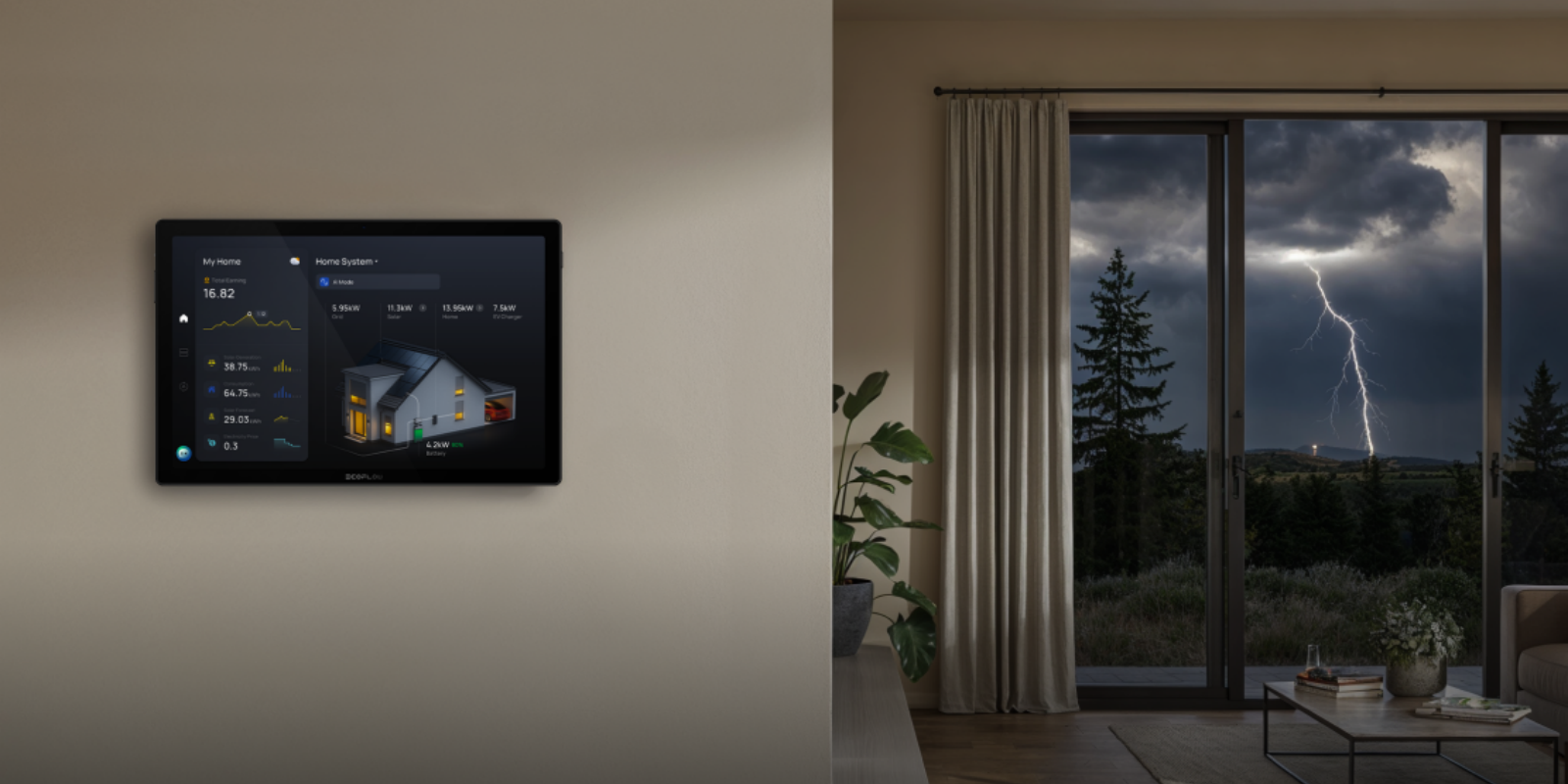
Running several high-power appliances at once can put unnecessary strain on your household electrical supply. An energy management display such as the EcoFlow PowerInsight 2 can help you track household electricity use in real time and decide when to run larger loads. This makes it easier to stagger laundry, cooking, or other high-consumption activities within the PeakSave window.
Store Cheap Grid Energy with Home Batteries
The biggest bottleneck of PeakSave is time: a household can only run so many wash cycles between 11:00 am and 4:00 pm. An AC-coupled home battery solves this constraint by acting like an energy sponge, charging at half-price during the 5-hour window and powering your evening lighting, appliances, or heating when standard rates resume.
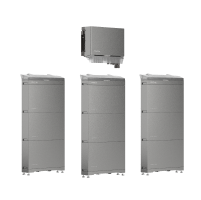
If your home battery supports scheduled grid charging, you can set it to top up during active PeakSave hours. A system such as the EcoFlow OCEAN 2 Plus Single-Phase combines scheduled charging with intelligent energy management, allowing you to capture cheap weekend grid units and deploy them across the rest of the week. Actual savings depend on battery capacity, round-trip efficiency, and the gap between your discounted and regular unit rates.
Schedule Your Free Consultation Today!
What kind of product or solution are you interested in?

Conclusion
PeakSave can be useful if you already have a compatible smart meter and can move activities such as laundry, cooking, EV charging, or battery charging into the discounted hours. Before choosing a dedicated PeakSave tariff, compare its standard unit rate, standing charge, contract length, and discounted hours with your current tariff. The biggest savings usually come from shifting genuinely high-consumption loads rather than simply using more electricity because it is cheaper.
Disclaimer: PeakSave availability, eligibility, discount periods, tariff rates, contract terms and other conditions may change. The information in this article is provided for general informational purposes and was accurate to the best of our knowledge at the time of publication. Please check the latest terms and pricing directly with British Gas before joining PeakSave or switching tariffs. Savings examples are illustrative only and actual savings will vary depending on your electricity usage, tariff rates and household energy setup.
FAQs
Do I need to submit meter readings manually for PeakSave?
No, manual readings are not normally needed for PeakSave. British Gas uses smart meter data to calculate electricity use during the relevant event window. If there is a problem with the meter data, British Gas may use available data to calculate a credit under the applicable scheme terms.
What happens if my smart meter loses connection during PeakSave?
If data transmission drops, check your British Gas app to verify whether half-hourly readings are coming through consistently, or contact customer support to diagnose your smart meter’s communications hub. Once signal is restored, future sessions will track normally
How much have PeakSave customers saved?
There is no fixed savings. Your PeakSave Sundays credit depends on how much electricity you use between 11:00 am and 4:00 pm on Sundays and your normal tariff unit rate. Households that can shift higher-consumption activities into the five-hour window will generally save more.
Can I use PeakSave with home battery storage systems?
Yes. If your home battery supports scheduled grid charging, you may be able to charge it during PeakSave hours and use the stored energy later. Whether this reduces your overall electricity costs depends on your battery efficiency, system settings, household usage and the difference between your discounted and normal electricity rates. Check the current PeakSave terms and your battery settings before using this strategy.

