
Britain Renewable Energy Milestone: What It Means for UK Households
Britain has reached a point where renewables accounted for more than half of UK electricity generation in 2025. But that shift hasn’t automatically lowered household bills: gas prices, network costs and tariff structures still matter. Here’s what the milestone means for UK homes, and how solar panels, batteries and smarter electricity tariffs can help households make better use of it.
Key Takeaways
Historic Grid Decarbonisation: Renewable electricity generation, anchored by North Sea wind and rapid solar expansion, accounted for 52.5% of UK electricity generation in 2025.
Wholesale vs. Retail Decoupling: While green power pushes wholesale electricity prices down during high-generation windows, retail bills still reflect marginal gas generation costs (typically CCGT) under the market pricing model, alongside network upgrades.
Domestic Self-Sufficiency: Combining rooftop PV with residential battery storage can reduce peak-rate imports, while eligible exports in Great Britain can earn payments under the Smart Export Guarantee (SEG).
Load Shifting Value: Time-of-use tariffs allow domestic consumers to charge batteries and run heavy appliances during cheaper tariff periods, which may coincide with abundant renewable supply.
What Renewable Energy Milestone Has Britain Reached?
Britain has ended coal-fired electricity generation, and renewables now supply a substantial share of the country’s electricity. The figures behind that change show how much the grid has shifted.
Record Renewable Electricity Generation in Britain
Wind turbines, solar arrays, biomass facilities, and hydro plants supplied 52.5% of UK electricity generation in 2025, according to the Department for Energy Security and Net Zero (DESNZ). NESO separately reported that zero-carbon sources supplied 97.7% of Great Britain’s electricity for a 30-minute period on 1 April 2025; zero-carbon sources include nuclear as well as renewables. Following the closure of the Ratcliffe-on-Soar power station in September 2024, Britain became the first G7 nation to eliminate coal-fired electricity generation entirely. NESO’s historical carbon-intensity data show how grid emissions vary with the generation mix, so individual clean-power records should not be confused with annual averages.
What Is Driving Britain’s Renewable Energy Growth?
The shift has taken years of policy changes, new infrastructure and cheaper technology. Wind and solar have led the expansion, while investment in the grid helps move and balance the electricity they generate.
Expansion of Offshore and Onshore Wind Farms
Britain’s coastline and strong sea winds make offshore wind a major part of its renewable energy growth. Big turbines are going in around Dogger Bank and the Firth of Forth, and changes to planning rules in England have brought more onshore wind projects into the picture too.
Growth in Solar Power Capacity
Rooftop arrays on suburban housing estates and commercial distribution hubs, plus ground-mounted solar farms across the southern counties, have pushed the UK’s installed solar capacity to a provisional 23.2 GW at the end of August 2026, according to DESNZ. Modern bifacial monocrystalline panels can generate electricity on cloudy days, although winter output is lower and depends on daylight, weather and site conditions. For households, solar battery storage offers a way to retain daytime generation for later use.
Government Support and Clean Energy Infrastructure Investment
Contracts for Difference give renewable developers more certainty over future revenue. Investment is also going into the infrastructure needed to connect new projects and manage changes in supply:
Building subsea high-voltage links between Scotland and England to ease wind curtailment.
Adding large grid batteries to help balance supply and demand.
Updating regional distribution networks to manage electricity more effectively.

How Does Renewable Energy Growth Affect UK Households?
A cleaner grid changes the emissions linked to household electricity, but the effect on bills is less direct. Gas prices, network charges and the type of tariff a household uses still influence what consumers pay.
Reducing Reliance on Gas for Electricity Generation
Historically, the UK relied on Combined Cycle Gas Turbines (CCGT) to cover baseline domestic electricity demand. Because fossil gas remains susceptible to international geopolitical shocks and supply chain friction, additional wind and solar generation can reduce the need for gas-fired electricity. This lowers overall systemic exposure to international fuel supply spikes.
Influencing Household Electricity Prices
Under Britain’s current marginal pricing system, the most expensive plant dispatched to satisfy the final unit of demand, typically a gas-fired generator (CCGT), or a peaker plant during extreme demand, sets the clearing price for all wholesale power.
| Cost Factor | Grid Impact | Direct Household Impact |
|---|---|---|
| Wholesale Gas Clearing | Sets the marginal price | Keeps the standard Ofgem Price Cap tethered to wholesale gas trends |
| Renewable Surplus (Wind/Solar) | Produces zero-fuel-cost electricity spikes | Drives off-peak rates lower on dynamic and smart time-of-use tariffs |
| Grid Balancing & Upgrades | High network reinforcement & constraint costs | Forms part of the standing charges and unit distribution levies |
Standing charges cover several costs, including network costs. Consumers on suitable time-of-use tariffs can reduce exposure to peak prices by shifting consumption to cheaper periods; standard single-rate variable tariffs do not offer an off-peak discount. Understanding how much is electricity per kwh helps separate the unit rate from the standing charge when comparing bills.
Lowering the Carbon Intensity of Household Electricity
Switching on a washing machine, charging an EV, or powering an electric heat pump in Britain now produces a fraction of the emissions it did a decade ago. The grid has become much cleaner over the long term, although annual carbon intensity can fluctuate, allowing households to electrify their heating and transport without incurring a disproportionate operational carbon footprint. For homes combining solar, storage and controllable loads, the home energy ecosystem shows how these technologies can work together.

How Can UK Households Adapt to the Renewable Energy Transition?
Households can make practical use of the changing energy system by generating electricity at home, storing what they don’t use straight away and shifting some consumption to cheaper tariff periods. The right options depend on the home, its energy use and available tariffs.
Generating Electricity with Home Solar Panels
Rooftop photovoltaic (PV) systems generate electricity at the point of use without fuel costs or direct operational carbon emissions. A typical 4 kWp to 6 kWp domestic array installed on an unshaded south-, east-, or west-facing pitched roof can reduce daytime grid imports, but the share of household demand met depends on location, shading, roof orientation and when electricity is used. The guide to how many kWh does a house use provides context for comparing your own meter readings with solar output.
Storing Surplus Solar Energy with Home Batteries
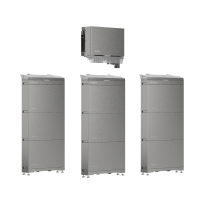
British weather rarely lines up with when households actually need power. Panels generate most of their output around midday, while families are using electricity during the morning rush and the evening dinner hours. Left unmanaged, solar systems export that mid-afternoon surplus back to the grid at the household’s export tariff, and the household may later buy electricity back at a different import rate. For UK households looking to increase self-consumption of their on-site solar, a home battery stores excess daytime generation for use during cloudy spells or evening peak hours. Systems like the Ecoflow OCEAN 2 Plus single phase provide an integrated domestic solar and battery setup, with storage capacities configured to suit household consumption habits, peak load profiles, and existing rooftop arrays. Installed in line with domestic electrical standards, dedicated battery storage can reduce peak-rate grid imports, depending on battery capacity, controls, tariffs and household demand.
Monitoring Household Energy Use with Smart Energy Management
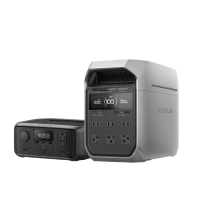
Energy efficiency really comes down to visibility. Beyond generation and storage, tracking real-time household demand against solar output lets families organise their routines with more precision. For homes using compatible EcoFlow hardware, EcoFlow PowerInsight 2 gives you a centralised display of generation output, real-time consumption, and battery reserves. That unified data feed offers practical insight into household energy patterns, helping you spot persistent phantom loads and fine-tune your schedules.
Shifting Electricity Use to Lower-Cost Tariff Periods
Pairing a home storage system with a smart-meter tariff (such as Agile Octopus, subject to eligibility and current terms) can change when households buy and use grid electricity:
Overnight Charging: Fill your home battery from the grid during your tariff’s actual low-price periods; Agile prices change every half hour, so there is no universal 00:00–05:00 discount window.
Peak Discharging: Use stored energy to reduce grid imports during higher-price periods, often 16:00–19:00 on Agile, subject to available battery capacity and output.
Plunge Pricing: On exceptionally windy or sunny days, dynamic tariffs occasionally pay consumers to draw surplus electricity from the grid.
Schedule Your Free Consultation Today!
What kind of product or solution are you interested in?
Conclusion
Britain’s shift away from coal has made the electricity grid cleaner, but it hasn’t removed the factors that shape household bills. Gas prices and network charges still affect tariffs, even when renewable generation is high. For households, rooftop solar, battery storage and time-of-use tariffs offer ways to use more electricity at home and reduce reliance on peak-rate imports. Which combination makes sense depends on the property’s energy use, solar potential and tariff options.
FAQs
How long does it take for solar panels to pay for themselves in the UK?
Energy Saving Trust’s July 2026 examples with export payments show payback periods of around 9 to 12 years across selected locations in Great Britain; this is not a UK-wide guarantee. That depends on system size, roof orientation, how much of the power you use yourself, and whether you add a battery. Homes that actively use their daytime generation, or export surplus through competitive Smart Export Guarantee tariffs, recover their upfront cost faster.
Will gas be phased out in the UK?
The Clean Power 2030 plan targets at least 95% clean electricity generation in Great Britain, while retaining some gas capacity for backup. For new buildings in England, the Future Homes and Buildings Standards introduce low-carbon heating requirements from 24 March 2027, subject to transitional provisions; rules and timing differ across the UK.
Are there still government grants for solar panels in the UK?
Qualifying installations of rooftop solar and domestic battery storage in residential accommodation are zero-rated for VAT until 31 March 2027. This removes VAT from eligible work, rather than guaranteeing a 20% reduction in the final installed price. Eligible households may receive support through ECO4 in Great Britain, currently due to end on 31 December 2026, or the Warm Homes: Local Grant in England. Measures and funding depend on eligibility and assessment; check current availability locally.
Do solar panels add value to your home?
Solar panels may improve a property’s appeal and EPC rating, while any effect on resale value depends on the property, installation and local market. Keep installation, ownership, certification and warranty documents available for prospective buyers; certification alone does not guarantee a faster sale.
Could the UK survive on renewable energy?
A reliable system with a high share of weather-dependent wind and solar needs storage, demand flexibility and other balancing resources; nuclear can contribute low-carbon electricity but is not renewable. The Clean Power 2030 plan combines renewables with other low-carbon sources and flexibility, while retaining gas backup; it is distinct from a 100% renewable system.

