
Best Solar Export Tariff in UK: How to Maximise the Value of Excess Solar Energy
Picking the best solar export tariff in the UK isn’t just about chasing the highest rate. Some tariffs may pay around 12p–15p/kWh, while certain dynamic export tariffs can offer higher rates during specific periods. With UK household electricity prices often remaining significantly higher than export payments, storing surplus solar energy for later use can sometimes provide greater value.
This guide covers how UK export tariffs work, what affects their value, and how combining solar batteries with smart energy management can help you squeeze the most out of your solar setup.
Key Takeaways
Beyond SEG Basics: The Smart Export Guarantee (SEG) requires eligible energy suppliers to offer payments for surplus electricity exported to the grid, but rates vary significantly between providers.
Import vs Export Differential: With typical household import electricity prices often around the mid-20p/kWh range, storing excess generation saves far more money on your electricity bills than relying purely on export payouts.
Smart Equipment Requirement: Unlocking premium export tariffs almost always requires a modern Smart Meter (SMETS2) alongside verified MCS certification for your solar panel installation.
Self-Consumption Optimisation: Solar battery storage systems with dynamic scheduling allow British households to store daylight generation, sell during evening peak export windows, and import lower-cost overnight grid power.
Why Solar Export Tariffs Matter for UK Homeowners
Solar export tariffs determine how much you earn when your home sends unused solar electricity back to the grid. Understanding how they work can help you get more value from your solar system.
Understanding SEG tariffs
Ever since the legacy Feed-in Tariff (FiT) scheme closed its doors to new applicants in April 2019, the Smart Export Guarantee (SEG) has formed the legal backbone of UK solar export payments. Under SEG regulations, any licensed UK energy supplier with more than 150,000 domestic customers is legally required to offer an export rate to micro-generators. Unlike the fixed, generous subsidies of a decade ago, SEG rates are entirely commercial, market-driven offers where electricity companies purchase your green kilowatt-hours to balance their supply portfolios.
How solar export payments work
Payment calculations under modern SEG and commercial export schemes rely entirely on half-hourly metered data recorded by your home’s smart meter. As your rooftop array generates surplus power above your instantaneous household load, electricity naturally flows through your consumer unit back out into the local distribution network. Your smart meter logs every fraction of a kilowatt-hour exported, and your supplier credits this sum directly onto your monthly or quarterly energy bill based on your agreed contract rate.
Why exporting electricity is only part of the equation
Relying solely on export payments rarely delivers the fastest payback on a solar investment. Understanding whether solar panels are worth it in the UK depends not only on export payments, but also on how effectively homeowners use and store the electricity they generate. If you export a unit of solar power for 12p/kWh in the afternoon and then import a unit from the grid at 25p/kWh to power your oven at 7:00 PM, you suffer an immediate net loss of 13p on that single unit of energy.
Household energy usage pattern
Typical household consumption in the UK rarely aligns with the standard solar generation curve. Residential electricity demand peaks sharply twice a day: once during the morning breakfast rush (7:00 AM to 9:00 AM) and even higher during the early evening meal and leisure period (5:00 PM to 9:00 PM). Conversely, solar arrays experience their highest generation window between 11:00 AM and 3:00 PM—precisely when many occupants are out at work or school, causing a significant portion of daily solar generation to be exported to the grid unless actively managed through measures such as shifting consumption or adding battery storage.
What Should You Look for in the Best Solar Export Tariff in the UK?
A high export rate is important, but it is not the only factor to consider. Tariff conditions, supplier requirements and your household energy habits all affect the overall value.
Comparing export rates and tariff conditions
Export options generally split into two distinct categories: flat-rate tariffs and dynamic (variable) tariffs. Flat-rate export tariffs pay a consistent rate—for example, 12p or 15p per kWh—regardless of what time of day the power leaves your home. Dynamic or time-of-use export tariffs, by comparison, track wholesale power prices in real-time, offering premium rates (sometimes exceeding 25p/kWh in certain market conditions) during peak national demand between 4:00 PM and 7:00 PM, while paying far less during mid-day supply gluts.
Checking supplier requirements and compatibility
Top-tier export tariffs frequently come with specific strings attached. Premium rates are often “bundled,” meaning you can only access the supplier’s best export rate if you also switch your domestic import electricity tariff to them. Furthermore, every legitimate UK export provider mandates a fully operational smart meter (typically a second-generation SMETS2 meter or compatible SMETS1) capable of sending half-hourly export readings, alongside an official MCS (Microgeneration Certification Scheme) certificate verifying your installer’s compliance.
Evaluating the real financial value
| Strategy Option | Average Solar Self-Consumption | Export Payback Value | Import Displacement Savings | Net Annual Financial Benefit |
|---|---|---|---|---|
| A: Solar Only (Basic SEG) | ~30% (~1,050 kWh) | 2,450 kWh @ 5p = £122.50 | 1,050 kWh @ 25p = £262.50 | ~£385.00 |
| B: Solar Only (Premium Export) | ~30% (~1,050 kWh) | 2,450 kWh @ 15p = £367.50 | 1,050 kWh @ 25p = £262.50 | ~£630.00 |
| C: Solar + Smart Battery Storage | Around 80% (~2,800 kWh in this example scenario) | 700 kWh @ 15p = £105.00 | 2,800 kWh @ 25p = £700.00 | ~£805.00 potential annual value + possible additional savings from off-peak charging |
Note: The figures above are based on an example household scenario. Actual results depend on battery size, household consumption patterns, weather conditions and electricity tariffs.
How to Choose the Right Solar Export Tariff for Your Home
The best export tariff depends on your solar setup, electricity usage and whether you plan to add battery storage in the future.
Comparing UK SEG providers and offers
Major players across the UK market—including Octopus Energy, British Gas, E.ON Next, EDF, and OVO—compete actively for solar customers, but their offers vary immensely. Octopus Energy has established a strong reputation with flexible products like Outgoing Octopus (flat or agile) and specialized battery-linked tariffs. British Gas and E.ON offer respectable flat export rates, though often reserve their top-tier rates for customers who bought panels directly through their installation arms. Always compare standalone export offers against combined import-export packages.
Matching tariffs with your energy usage
If someone is home all day running heat pumps, washing machines, or home offices, household self-consumption will naturally be high. In this scenario, seeking an import-focused tariff with a low standing charge and competitive import rate is often more profitable than obsessing over a high export payout. Conversely, for unoccupied households during daylight hours, securing a top-rate export tariff becomes a vital tool for recovering system costs.
Planning for solar battery upgrades
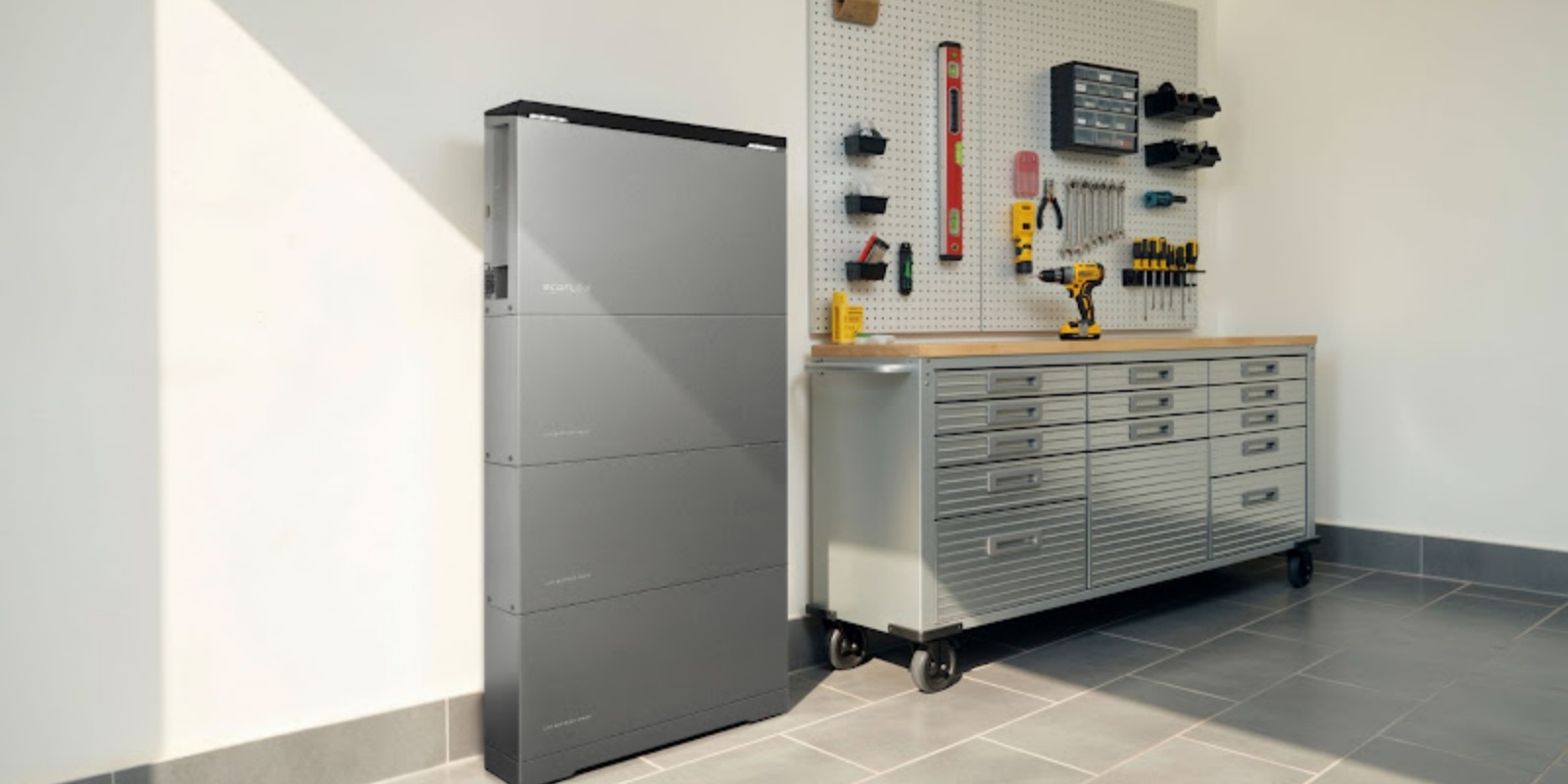
Even if you currently operate a PV-only system without storage, choosing a supplier with battery-friendly tariff policies preserves future upgrade flexibility. The most profitable tariffs in today’s market interact directly with home storage systems, allowing intelligent software to automatedly charge from off-peak grid tariffs overnight and export during peak periods.Alt: Ecoflow OCEAN 2 Plus single phase home battery
How Does Solar Self-Consumption Affect Export Tariff Value?
Using more of your own solar electricity usually saves more money than exporting it. Increasing self-consumption is one of the key ways to improve solar savings.
Why exporting all excess electricity may not maximise savings
British weather is notoriously variable, but the financial math of electricity remains consistent: avoiding a 25p import charge saves you substantially more than collecting a 12p or 15p export credit. When you export all your afternoon surplus, you may become more reliant on grid electricity as soon as the sun dips behind the trees. Increasing self-consumption can help households capture more of the retail value of the electricity their solar system generates.
Increasing solar self-consumption
During peak daylight hours, solar panels often generate more electricity than a household can use at that moment. Without a battery, much of this surplus energy is exported back to the grid at a lower rate. Storing excess solar power and using it later in the evening can help households get more value from every unit they generate.
The EcoFlow OCEAN 2 Plus Single Phase is designed to help UK homeowners make better use of their solar energy. With support for up to 24kW PV input and 3 independent MPPTs, it can provide greater flexibility for solar installations with more complex roof layouts, including east- and west-facing panels or properties with multiple roof sections. This helps different parts of the solar array operate more independently when sunlight conditions vary throughout the day.
Its SmartEarning Mode also helps optimise energy use based on electricity prices, household demand and battery status. By supporting smarter decisions on when to store, use or export energy, homeowners can improve self-consumption and better manage their solar power.
How Can Battery Storage Improve Solar Export Tariff Returns?
A home battery allows you to store excess solar electricity and use it when your household needs more power, especially in the evening.
Storing excess solar energy for higher value use
A home solar battery breaks the immediate “use-it-or-lose-it” constraint of rooftop PV arrays. Instead of dumping excess mid-day energy into the grid at standard export rates, an EcoFlow Solar Battery can store that power and hold it in reserve for periods when household demand is higher.
Optimising energy use with smart management
Operating solar PV alongside battery storage and dynamic tariffs requires full visibility over daily household energy flows. Homeowners need clear, intuitive data on generation, storage states, and import/export balances to refine their energy habits effectively.
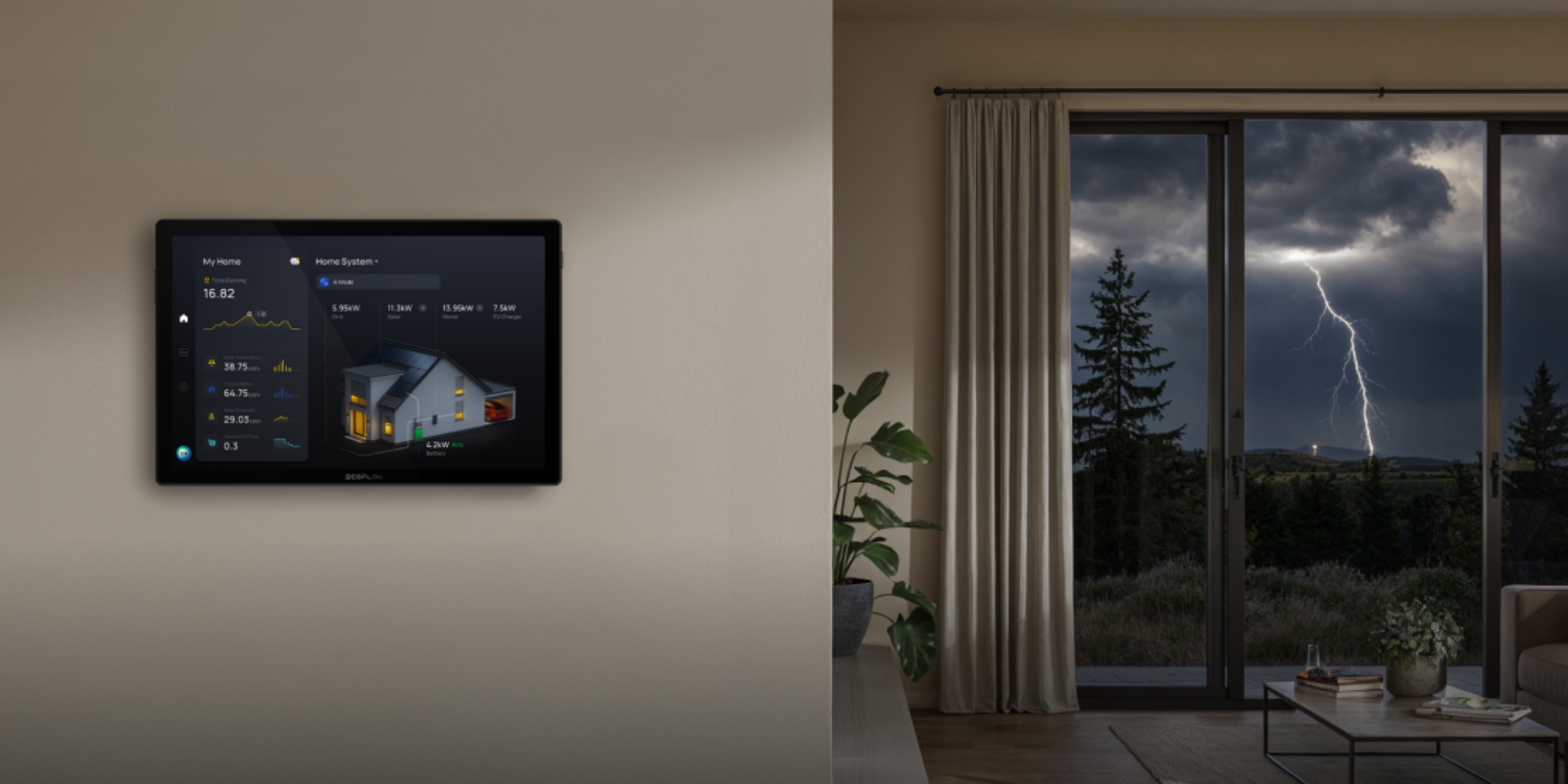
The EcoFlow PowerInsight 2 offers British homes intuitive visual control over their energy system. Featuring an 11-inch touchscreen display, it provides real-time tracking of generation, consumption, and storage levels. Powered by AI Energy OS, the system analyses household consumption habits and provides intelligent recommendations to help optimise energy usage, improve solar self-consumption, and support smarter energy decisions.
Export Tariff vs Battery Storage: Which Strategy Works Best?
Solar export tariffs and battery storage can both increase the value of your solar system. The better choice depends on your budget, energy usage and how much control you want over your electricity.
| Solar Export Tariff Only | Solar + Battery Storage | |
|---|---|---|
| Upfront cost | Lower cost. Requires only solar panels and a smart meter. | Higher cost due to battery installation. |
| How it works | Sell excess solar electricity back to the grid. | Store surplus solar power for later use and export the remaining energy. |
| Best for | Homes looking for a simple way to earn from unused solar energy. | Homes want higher self-consumption and more energy flexibility. |
| Savings potential | Lower, as you still rely on grid electricity when solar is unavailable. | Higher, as stored solar energy can replace more expensive grid electricity. |
| Long-term value | Simple but offers less protection from rising electricity prices. | More flexibility as tariffs and energy needs change. |
How Can Homeowners Future-Proof Their Solar Export Strategy?
Energy tariffs and household electricity needs will continue to change. Choosing flexible equipment can help your solar system adapt over time.
Preparing for future solar and battery upgrades
The UK’s transition toward net-zero infrastructure means energy tariffs will continue to become more dynamic, digitized, and time-sensitive. Homeowners should select a Hybrid Inverter and storage system with generous PV input capacity and open software architecture to ensure their solar setup remains flexible as energy needs change. Choosing modular systems allows easy expansion of battery capacity or PV array size without replacing core electronics when energy needs grow.
Improving long-term energy flexibility
Greater energy independence comes from flexibility—the capability to seamlessly pivot between self-consumption, grid charging, and grid exporting as market prices fluctuate. Integrating electric vehicle (EV) smart chargers, heat pumps, and home storage into a Home Energy Ecosystem helps optimise household energy use by shifting consumption to periods when cleaner and more affordable energy is available.
Schedule Your Free Consultation Today!
What kind of product or solution are you interested in?

Conclusion
Choosing the best solar export tariff in the UK is only one part of improving your solar savings. A higher SEG rate can increase your export income, but using more of your own solar electricity often delivers greater value. By combining a suitable export tariff with battery storage, homeowners can store excess energy during the day and use it when electricity demand is higher in the evening.
The right setup depends on your household usage, solar generation and future energy needs. With the right balance of self-consumption, storage and export, you can get more value from your solar system and reduce reliance on grid electricity.
Disclaimer: The savings and export value examples in this article are for illustrative purposes only. Actual results will vary depending on your solar system size, household energy consumption, electricity tariffs, battery capacity, weather conditions and other factors.
FAQS
What is a SEG tariff in the UK?
A SEG (Smart Export Guarantee) tariff is a legal framework in the UK requiring licensed energy suppliers to pay domestic generators for excess electricity sent back into the National Grid. Introduced in 2020 to replace the Feed-in Tariff, SEG rates are variable commercial offers that require an MCS-certified installation and a functional smart meter.
Does the highest export tariff save more money?
Not necessarily, because the highest export tariffs are frequently bundled with higher import rates or standing charges that offset your total export gains. True financial savings depend on the net balance between what you pay for grid electricity and what you earn on exports, making self-consumption generally more profitable than chasing high export rates alone.
Can I use a solar battery with a SEG tariff?
Yes, you can use a solar battery alongside a SEG tariff, and doing so often maximizes overall system value. Most UK suppliers permit exports from battery systems, provided the setup satisfies local Distribution Network Operator (DNO) grid safety connection requirements and uses accurate smart metering.
Do I need a smart meter for a solar export tariff?
Yes, a functional smart meter (or dedicated export meter) is mandatory for accessing any solar export tariff in the UK. Suppliers require half-hourly metered data to accurately track the exact amount and timing of electricity exported from your property into the grid.
Can I change my SEG provider?
Yes, you are free to switch your SEG export provider independently of your domestic electricity import supplier if your export contract allows it. Many homeowners choose separate suppliers for import and export to secure the most favorable combination of rates available in the UK market.
Can adding a battery affect existing Feed-in Tariff payments?
Adding a battery does not automatically cancel FiT payments, but incorrect system configuration may affect deemed export arrangements. Homeowners should consult their FiT administrator or installer before adding storage to ensure their system remains compliant with FiT rules and export payment conditions.

