
Hybrid Inverter vs Standard Inverter: Which Lowers Energy Bills More?
With UK energy prices remaining a top concern for households, upgrading to solar is a smart move. But the real secret to slashing those monthly direct debits lies in your inverter choice. This guide explores the fundamental differences between standard and hybrid inverters, how they impact your self-consumption, and why the right setup can pay for itself much faster in the British climate.
How Hybrid and Standard Inverters Work
To understand the impact on your wallet, we first need to look under the bonnet. Both systems serve as the “brain” of your solar installation, but their capabilities differ significantly when it’s time to manage your power.
Convert DC into home AC power
Every solar system starts with panels capturing sunlight as Direct Current (DC). The standard inverter and the hybrid inverter both perform the primary task of converting this into Alternating Current (AC), which runs your kettle, TV, and fridge. Without this conversion, your solar energy is essentially “trapped.”
Export Excess Energy to the Grid
A standard (or “string”) inverter is designed with a simple philosophy: use it or lose it. If your panels generate more power than you’re using at midday, a standard inverter sends that surplus straight back to the National Grid. While this earns you a small credit via the Smart Export Guarantee (SEG), it means you aren’t saving that power for later use.
Store Surplus Energy in Batteries
A standard string inverter can’t connect to a battery on its own. Want to add storage? You’ll need a second AC-coupled inverter, which drags your power through a messy “DC to AC to DC” loop.
A hybrid system does it differently. It uses DC coupling — sending excess panel power straight into the battery. Skip that unnecessary step, and you cut energy loss by 5–10%. That means more of the free energy you capture actually stays in the battery, rather than bleeding off as heat.
Manage Solar and Household Loads
Modern hybrid systems work as sophisticated energy hubs. They intelligently balance what your panels supply, what your appliances demand, and what you’ve got stored in the battery. By acting as a central home energy management system, the setup ensures that you always draw the cheapest unit of electricity available at any given moment.

Why Are Solar Panels Not Reducing Your Energy Bills?
Many UK homeowners are baffled when their high-end solar panels don’t lead to a “zero-bill” reality, especially when their average monthly electric bill remains stubbornly high for most families. Usually, the bottleneck isn’t the panels, but how the energy is being routed through an inefficient system.
Pay Peak Rates for Evening Cooking
The “Solar Paradox” in the UK is that peak generation happens when most people are at work, and peak usage happens at 6 PM when the sun is setting. With a standard inverter and no storage, you end up buying expensive grid electricity for dinner, even if you generated a massive surplus at lunchtime.
Export Solar at Low Seg Tariffs
Most UK energy suppliers offer SEG rates between 5p and 15p per kWh. Meanwhile, buying electricity often costs double or triple that amount. Sending your energy away only to buy it back later is a losing game for your bank balance.
Miss out on Nighttime Self-Consumption
Without a way to store energy, your “solar day” ends at dusk. You miss the opportunity to power your lights, dishwasher, or security systems overnight using the free energy you captured during the day, which standard inverters simply cannot facilitate.
Waste Budget on Gas Boiler Heating
If you’re still relying solely on a gas boiler while your solar panels export energy for a few pence, you’re missing a trick. Redirecting that surplus to heat your home or water can displace expensive gas costs and significantly lower your total utility spend.
Hybrid Vs Standard Inverter: Which Saves More on Electricity Bills?
To understand which system delivers better long-term savings, it’s important to compare them side by side.
| Feature | Standard Inverter | Hybrid Inverter |
|---|---|---|
| Self-consumption | 20–30% | 50–80% |
| Energy storage | No | Yes |
| Grid export | High | Low |
| Bill savings | Medium | High |
| ROI time | 8–12 years | 5–8 years |
As shown above, hybrid inverters significantly increase self-consumption, which is the key factor behind lower electricity bills in the UK. ROI estimates based on typical household usage and current UK electricity price caps. Actual savings depend on battery capacity and export tariff.

What Stops Your Solar System from Saving More?
Identifying the “energy leaks” in your home is the first step toward true independence.
Lack of home battery storage capacity: Without a home battery storage as a “buffer,” your self-consumption rate stays stuck at around 20-30%.
No smart energy management system: Manually switching on appliances is unreliable; you need a system that thinks for you.
Poor coordination with heating loads: Heating is the biggest energy drain in British homes; if your solar and heating don’t talk to each other, you’re losing money.
Inefficient energy conversion losses: Older standard systems can lose a significant percentage of power during the AC/DC conversion process.
Which Inverter Setup Offers the Best Return on Bills?
If your goal is to achieve the shortest possible payback period, a smart, integrated approach is essential for the modern UK household.
Install Smart Battery Storage for Maximum Savings
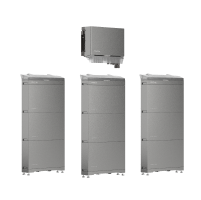
In the UK, the real “win” comes from leveraging dynamic pricing like Octopus Energy’s Smart Tariffs. By installing the EcoFlow PowerOcean, your system automatically “harvests” cheap electricity from the grid during the early hours (when rates are lowest) and discharges it during the expensive evening peak.
Considering the UK’s damp and misty weather, the EcoFlow PowerOcean features IP65-rated water and dust resistance, making it ideal for installation in utility rooms or damp garages. Furthermore, to combat the British winter, its built-in self-heating technology ensures the batteries remain at optimal temperatures. This prevents the performance drops typical of lithium batteries in freezing conditions, ensuring your home stays powered even on the coldest nights.
Connect Solar Systems to Home Heating Loads
Even as the UK enters the milder spring months, the demand for hot water never stops. Instead of selling your precious solar energy back to the grid for pennies, consider the EcoFlow PowerHeat air-to-water heat pump. This cutting-edge system integrates seamlessly with your storage, prioritising excess solar power to drive the heat pump. By replacing your gas boiler for daily water heating and space warming, you significantly cut your carbon footprint and shorten the system’s payback period before the next heating season arrives.
Earn More Through Smart Export Guarantee
While self-consumption is the priority, a hybrid system allows you to be strategic. You can fill your batteries first, and only export to the grid when you’re getting the best possible SEG rate, or when your storage is completely topped up.
Use Time-Of-Use Electricity Tariffs
A hybrid inverter allows you to play the energy market. You can charge your batteries from the grid when electricity is virtually free (or even when you’re paid to take it during “plunge” periods) and use it when prices spike.
Save Repair Costs with Extended Warranties
A standard inverter often needs replacing every 10 years. By choosing a high-quality hybrid system with an extended warranty, you avoid the “hidden” cost of mid-life repairs, ensuring your long-term savings stay in your pocket.
What Steps Can You Take Today to Cut Energy Costs?
Reducing your bills doesn’t always require a total overhaul. Here is how to start optimising your energy usage immediately:
Check usage via smart meter data: Look at your half-hourly data to identify when you draw the most grid power.
Request a professional system quote: Get a tailored assessment of how a hybrid setup would fit your specific roof and demand.
Match battery size to night demand: Ensure your storage capacity is sufficient to cover your home’s needs from sunset to sunrise.
Switch to automated energy control: Use software to automate your charging cycles based on the weather forecast and price signals.
Review annual energy forecasts: Compare your actual generation against predicted yields to ensure your system is performing at its peak.
Schedule Your Free Consultation Today!
What kind of product or solution are you interested in?

Conclusion
A standard inverter costs less upfront, but it often leaves money on the table, forcing you to export energy you could be using yourself. In the UK’s shifting energy landscape, a hybrid inverter paired with smart storage comes out on top for cutting your bills. Shift your loads, heat your water with “free” electricity, and weather the winter with robust hardware like the EcoFlow PowerOcean. That’s how you turn your home into a self-sustaining powerhouse.
FAQ
1. How to Convert a Normal Inverter to a Hybrid Solar Inverter?
You cannot “convert” the physical unit; instead, you must replace your standard inverter with a hybrid model or add an AC-coupled battery inverter to your existing system. Replacing the unit is often the most efficient way to gain integrated storage and smart management features.
2. Can I Use a Hybrid Inverter Without a Battery?
Yes, most hybrid inverters can function as standard inverters without a battery attached. This makes them an excellent “future-proof” choice if you plan to add storage later but don’t have the budget for batteries immediately.
3. How Quickly Do Solar Panels Pay for Themselves in the Uk?
On average, a well-optimised UK solar system with battery storage pays for itself in 7 to 10 years. By using smart tariffs and maximising self-consumption through a hybrid inverter, you can significantly accelerate this ROI compared to a standard setup.
4. How Does an Inverter Work When There Is No Electricity?
Standard inverters shut down when the grid fails; that’s a built-in safety feature. Hybrid systems with a backup function, however, can switch your home over to battery power during an outage. But a few things to note: proper backup wiring is required, local regulations may apply, and your storage system needs sufficient charge to see you through.

