
Do You Really Need a Heat Pump Cover? A 2026 UK Winter Guide

Investing in a heat pump cover may seem like a clever way to winterise your external unit, but its practical benefits for modern systems—like EcoFlow PowerHeat where design engineering is applied—are often misunderstood. While an air source heat pump cover can offer protection against the elements, selecting the wrong design can actually hinder performance.
Understanding Air Source Heat Pump Covers
Many people consider using heat pump covers to protect their unit from dust, leaves, and weather elements like snow or rain. While the idea sounds practical, it only works if the cover design allows for proper airflow.
Fully enclosing a heat pump can actually damage the unit instead of protecting it. This can block ventilation, trap moisture or lead to icing issues that may void the warranty.
As mentioned, modern designs, as seen in EcoFlow PowerHeat, do not need external coverings. That’s because it has a built-in protective design that can handle winter conditions fine.
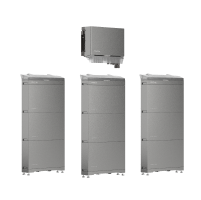
An air-to-water heat pump, PowerHeat offers efficient renewable energy heatingthat can also be integrated with domestic battery storage like EcoFlow PowerOcean to further enhance your heating and overall home energy system. With PowerOcean, homeowners can easily expand their storage and achieve more independence from the grid.
Selecting Heat Pump Covers: UK Models for Better Airflow
When choosing among heat pump covers UK suppliers offer, it’s worth choosing models that prioritise airflow and durability more than plain aesthetics. For example, selecting designs like slatted, louvred or mesh-style is good to let your system’s fans breathe.
Also, follow the manufacturer’s clearance requirements, typically around one metre at the fan discharge and adequate spacing on all sides. If the clearance is narrow and blocked, it can lead to exhaust air re-entrainment and system efficiency loss.
Elevation and Drainage Matter in Winter
For heat pumps, elevation and drainage are important, especially in winter. If using an air source heat pump cover, it would work best if your system is raised from the ground with stands or brackets.
Drainage is also essential as condensate should flow freely into a gulley or soakaway, rather than on paths where it can solidify and form sheet ice, which can be slippery for pedestrians. Planning for elevation and drainage can protect your heat pump and avoid accidents.
Vertical Shelter vs. Full Heat Pump Covers
If you box the unit on its sides, airflow might be affected, especially if the heat pump cover isn’t breathable. When airflow is blocked, it may lead to more issues in the long run.
So it’s best to go vertical in terms of cover positioning: think snow hoods, roof canopies, or even simple awnings. These actually give effective, and often better protection from rain, roof drips, and sliding snow while still allowing for free air circulation than covers.
This won’t be a problem with PowerHeat as it already has a sturdy casing, thoughtful airflow engineering, and built-in safety features compliant with industry standards. Practically speaking, this means less need for covers.
Beyond Heat Pump Covers: Smart Home Heating Solutions
Covers once played a very important role in protecting outdoor units. As UK homeowners move through 2026, the shift toward next-generation systems is accelerating, where modern air-to-water units have essentially minimised the need for a traditional heat pump cover through superior engineering
EcoFlow PowerHeat, a modern air source heat pump, can integrate with smart energy management systems. This allows it to communicate with your wider home ecosystem and connect seamlessly with other devices like PV systems, battery storage systems, and even smart water heating solutions such as EcoFlow PowerGlow.
Instead of depending on physical protection like covers, these systems can use intelligently designed digital tools, giving you the ability to optimise heating schedules, reduce energy waste with residential battery storage, and maintain your home’s comfort.
The reality is that even the best air source heat pump cover won’t be able to offer the same protection that PowerHeat flaunts, especially when paired with a reliable battery generator for home for emergency backup.. So, homeowners who want to future-proof their heating systems should redirect their focus to investing in smart heating solutions instead of heat pump covers.

Ensuring Your Heat Pump Cover Meets UK Compliance
When browsing for heat pump covers, UK homeowners also need to consider noise levels. Not many know or realise that adding screens or coverings can change how sound travels, which sometimes amplifies the noise of the outdoor unit instead of reducing it.
Since coverings can alter sound levels and the perceived loudness of the outdoor unit, it’s best to follow UK Permitted Development rights, which originally require heat pumps to comply with MCS 020(a) noise assessment standards.
Under the current standards established in May 2025, noise limits are strictly capped at 37 dB(A) LAeq, 5min at the neighbour’s boundary. In 2026, ensuring your heat pump cover remains compliant with these recalibrated noise levels is a priority for any installation
Schedule Your Free Consultation Today!
What kind of product or solution are you interested in?
2026 Air Source Heat Pump Maintenance Checklist
You can use this simple winter air-to-water heat pump maintenance checklist for your air source heat pump cover and system to ensure reliable operation for years:
Clear potentially obstructing debris like snow, leaves, and dust regularly.
Never chip or puncture ice directly off the coils, as doing so could damage them. Use defrost settings instead.
Lag any exposed pipes to prevent them from freezing over.
Schedule an annual servicing with certified professionals to help ensure your system is smooth and efficient.
If you choose to use air source heat pump covers, ensure they are specifically designed for heat pump covers UK standards, prioritizing ventilation over aesthetics.
These simple steps can keep your system protected and efficient during its most demanding usage period.
Choosing the Right Protection for Your Heat Pump
A well-thought-out heat pump cover can indeed provide a degree of protection, but poorly designed ones often start more problems than they solve. You should prioritise good airflow and ventilation, space clearance, drainage clearance, and compliance with UK noise regulations.
Thanks to smart heating solutions like PowerHeat, which you can manage via the EcoFlow application, the reliance of heat pumps on external coverings is essentially decreasing. Now, modern units like a high-performance air to water heat pump system can easily handle winter conditions without any effect on the unit’s efficiency.
With this capability, you can opt for a simple canopy or ventilation screen for most UK homes. Schedule a free consultation today and find out more about your home’s overall energy ecosystem, including how you can efficiently utilise your heat pumps all year round.
FAQ
1. Do I need a heat pump cover in winter?
A heat pump cover can protect traditional heat pumps against debris and elements that winter brings. But many modern heat pumps, such as EcoFlow’s PowerHeat, are already engineered to be winter-resistant, so covers may not be necessary.
2. Can a heat pump cover reduce noise?
Not necessarily, but a well-designed one can help reduce noise levels. However, apart from acoustics, ensure the cover maintains the airflow and ventilation of your outdoor unit. Airflow obstruction can be damaging to your heat pump if not fixed.
3. How can I maintain my heat pump in winter?
You can maintain it by keeping it clear of debris, snow, leaves, and dust. Also, remember not to chip ice off the coils; instead, use the default defrost settings. Keep in mind the importance of lagging exposed pipes, booking annual servicing, understanding your EcoFlow warranty policy as a PowerHeat user.
Can I use a waterproof cover on my heat pump all year round?
No, a fully waterproof cover used year-round can restrict airflow and trap moisture. If you want added protection, choose a breathable design or a top-only canopy that keeps ventilation unobstructed.
Will a heat pump cover affect efficiency?
Yes, it can if the design blocks airflow or sits too close to the unit. Covers should always allow proper clearance so the system can expel and draw air efficiently without performance loss.

