
72 Hour Disaster Kit: Complete Guide to Emergency Supplies and Backup Power
One of the key actions a household can take to increase its emergency preparedness is to prepare a reliable 72 hour disaster kit. Natural disasters and extreme weather can impact access to electricity, food, water, and communications for several days. Access to electricity, food, water and communications can be affected for several days due to natural disasters or extreme weather. A well-stocked emergency kit provides families with greater safety, comfort and preparedness in an emergency.
The ideal emergency disaster preparedness kit should be enough to provide for a family for at least 3 days. Other items included in modern preparedness plans are back-up power, communications, back-up refrigeration and energy.
What is a 72-hour disaster kit?
A 72 hour (3 day) disaster kit is a bundle of disaster supplies prepared for an individual or a household that will be used for about three days in the event of a disaster or emergency. There is often a recommendation by emergency management organizations to make at least 72-hour power storage due to the fact that during severe events, basic services like electricity, transportation, and communications are often temporarily unavailable.
Some of the items in a complete disaster emergency kit may include:
Provide emergency food and drinking water.
First aid supplies
Flashlights and batteries
Communication tools
Hygiene products
Important documents
First Aid Supplies
Backup power solutions
A disaster survival kit is designed to support families' self-sufficiency until the arrival of emergency services, the transportation system, or utilities is restored.
Why should every household prepare an emergency disaster kit
Emergencies can occur at any time, and being prepared is an important step towards minimizing the risk and stress. Having a well-stocked home disaster kit ready will aid families' response during disruptions to their everyday lives.
Natural disasters and severe weather events
Extreme weather events such as storms, flooding, earthquakes, and heatwaves can disrupt transportation, electricity, and emergency services. A good disaster kit list can make it easier for families to prepare for a disaster where they might not be able to get outside help right away.
During the following situations, emergency supplies are even more important:
Flooding
Winter storms
Earthquakes
Wildfires
Extreme heat events
Severe windstorms
Temporary disruptions are more easily managed safely and efficiently in prepared households.
Power outages and communication disruptions
Loss of electricity can impact refrigeration, lighting, Internet and home communication systems within a short period of time. Backing up to electricity is a growing concern for modern homes, as it is essential to their safety and comfort in everyday life.
To ensure households have a complete emergency disaster kit list, It may help maintain:
Basic lighting
Phone charging
Internet communication
Refrigeration support
Medical device operation
Access to information and emergency alerts
The need for backup energy planning is growing increasingly significantly as part of the disaster preparation process.
Emergency evacuation scenarios
In certain emergencies, households could need to evacuate their residences on short notice. At times like these, having a well-prepared basic disaster kit can help families evacuate safely and efficiently.
Evacuation kits should include:
Identification documents
Emergency cash
Medications
portable food and water.
Communication devices
Essential clothing
Personal hygiene products
Ensuring all emergency preparedness materials are organised and readily available minimises delays in the event of an emergency.
Essential supplies for a 72-hour disaster kit
Each 72-hour disaster kit should include sufficient items to support all family members during a short-term disaster. Actual content can vary by household, depending on medical requirements, local disaster risk, household size, and climate.
Water and emergency food supplies
Drinking water is essential to every disaster emergency kit. Several litres of water per person per day for drinking and basic hygiene is a common recommendation by emergency planning organisations.
Emergency Food Supplies should contain:
Non-perishable canned foods
Energy bars
Dried foods
If necessary, provide baby food.
Pet food supplies
Manual can openers
In an emergency, it is best to use foods with long shelf lives, and that requires little preparation.
First aid and medical essentials
You should always have some basic medical and first aid supplies in your disaster survival kit. In the event of a medical emergency, especially if pharmacies or health care providers are not available, life-saving drugs may be hard to obtain or difficult to administer.
The following items are suggested medical supplies to have:
First aid kits
Prescription medications
Pain relievers
Bandages and antiseptics
Gloves and masks
Emergency medical information
Certain families that have kids, senior family members, or medical issues may need extra special supplies.
Lighting, radios, and communication tools
Communication and light are vital needs when the power goes out and during emergency situations. Many households include:
Flashlights
Battery-powered lanterns
Emergency radios
Backup batteries
Phone charging cables
Portable charging solutions
An appropriately prepared Emergency Disaster Kit should enable households to receive emergency alerts and stay in touch even during a brief power outage.
Important documents and cash
Banking systems, transport and access to electronic services may be affected by emergency situations. A waterproof container with physical reproductions of important papers can help households be better prepared to handle emergencies.
Recommended documents include:
Identification cards
Insurance information
Medical records
Emergency contact lists
Property records
Backup cash
Preparing well-documented files can ease the recovery process in the event of disaster or evacuation.
Clothing, blankets, and hygiene items
During extended emergencies, comfort & security will be more significant, as will be hygiene. The following is a comprehensive list of items that should be contained in a Disaster Kit:
Warm clothing
Waterproof jackets
Blankets or sleeping bags
Toiletries
Wet wipes
Sanitary supplies
Hand sanitizer
Extra clothing and thermal protection supplies may be needed in households in colder climates and/or severe weather conditions.
Building disaster kits for different situations
There are different kinds of preparation for different emergencies. Some families make plans in the comfort of their own home, but others might require a portable emergency kit for the car, outdoor emergencies, or evacuation.
Home disaster kit
A home disaster kit should support residents in a shelter-in-place (SIP) situation, such as a storm, heat wave, or brief loss of power in your home. These are usually supplied with larger items such as food, water, medical supplies, house emergency supplies, and extra lighting.
It is important to have home emergency kits that are easily accessible and kept up to date to make sure supplies are not used when they should be.
Disaster kit for car emergencies
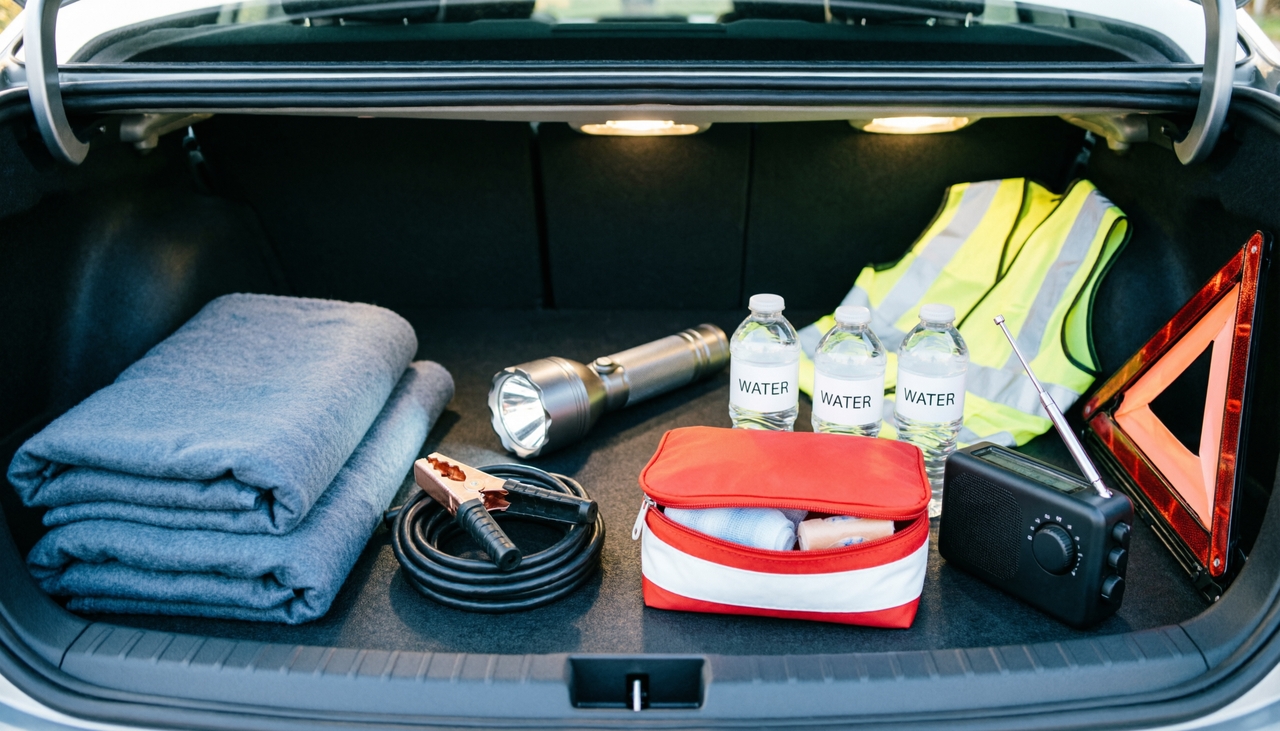
Having an emergency kit in your car can keep you safer in case of a road-side breakdown, winter storm or evacuation traffic delay.
Some typical items in a vehicle emergency kit are:
Flashlights
Jumper cables
Blankets
Emergency food and water
Tire repair supplies
Reflective safety equipment
Phone charging tools
Some drivers who are travelling for extended periods or in bad weather may need extra emergency energy supplies.
Earthquake disaster kit
Focus should be on immediate disaster needs during structural damage and on communication problems during an earthquake. Water supplies, electricity, transportation, and emergency services can be disrupted without warning of an earthquake.
Typical components of an earthquake disaster kit preparedness are:
Dust masks
Protective gloves
Emergency radios
Water purification supplies
Heavy-duty flashlights
First aid equipment
In earthquake-prone areas, households should also anchor heavy furniture and make evacuation plans.
Flood disaster kit
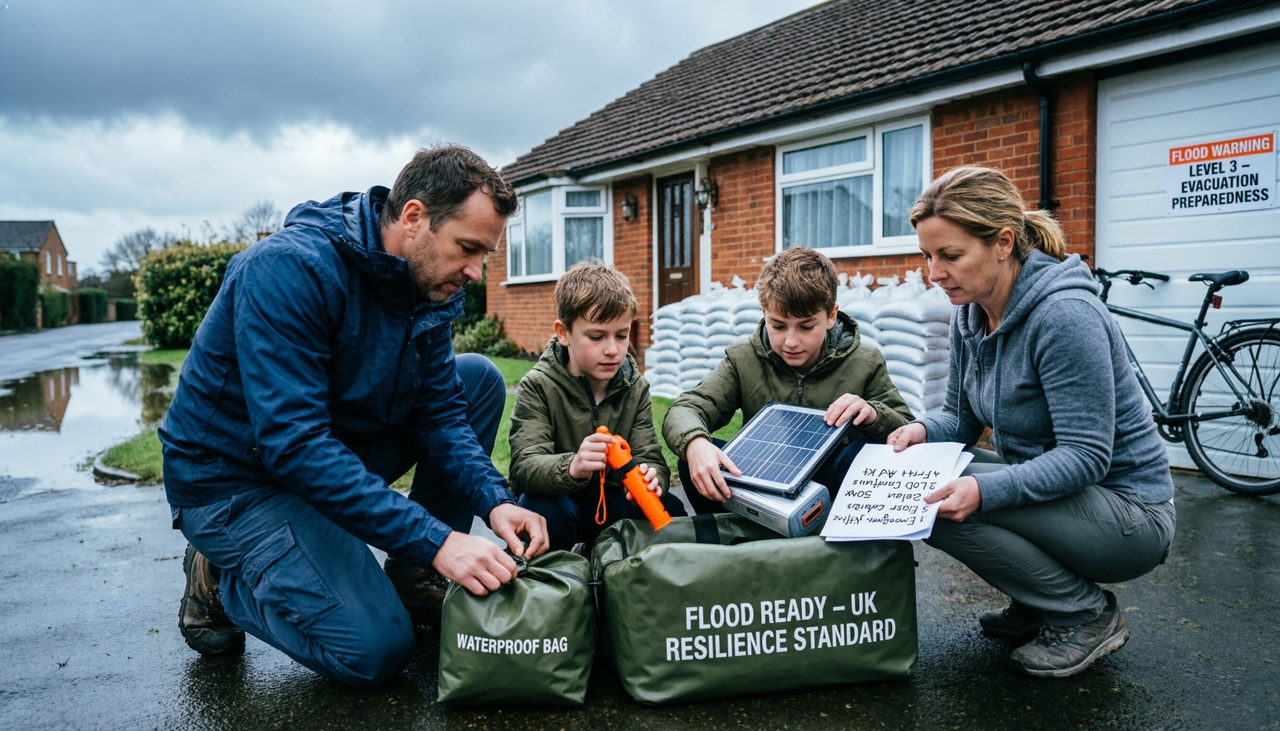
The key elements of a flood disaster kit are waterproof protection, emergency communication, and evacuation readiness. Electrical systems can be damaged; water supplies can be rendered unfit to drink; and people can be cut off from their homes for prolonged periods due to flooding.
Supplies for a flood emergency could involve:
Waterproof containers
Battery-powered lighting
Portable food supplies
Waterproof clothing
Backup communication devices
Emergency flotation tools (as needed)
It is particularly critical to maintain high water levels and keep the supplies out of contact with water in flood prone areas.
Disaster survival kit for outdoor emergencies
For outdoor emergency situations, larger and more easily transportable emergency equipment might be needed. An outdoor survival kit disaster checklist must include items such as:
Portable shelter
Water purification
Navigation tools
Emergency lighting
Compact food supplies
Weather protection equipment
These kits are often kept outside for situations like preparing for and attending camp, doing hikes, traveling when severe weather is likely to occur, or for other outdoor operational purposes.
Emergency backup power for disaster preparedness
Today it's not just about food and water. Backup energy planning is often a component of the 72 hour disaster kit needed to keep the lights on, refrigeration working, communication systems operating and important household appliances functioning during long power outages. With homes more reliant on electricity, reliable backup power is an important component of disaster preparedness and household resilience.
Why backup energy is essential during emergencies
One of the most recurring issues during harsh weather conditions and natural disasters is power outage. Households without electricity can soon become without refrigeration, communication equipment, internet, lighting and medical equipment. Therefore, a well-stocked disaster supply kit should also include what kinds of items such as appliances and devices are critical and will need to be operational during a temporary outage of the electric grid.
The following are some benefits that reliable backup energy can provide to homes:
Keep refrigerated food and medicines safe.
Continue using the phone and the internet to stay in touch with others.
Power emergency lighting
Properly service cooling and heating equipment.
Help to enhance overall emergency preparedness
Climate change-induced weather events and electricity outages are becoming more common in certain areas, and backup energy planning is becoming increasingly important for both short-duration and long-duration outages.
Whole-home backup with OCEAN 2 Plus Single-Phase
For households seeking additional emergency preparedness, residential battery storage systems can provide more stable backup electricity during prolonged outages. Systems such as OCEAN 2 Plus Single-Phase are designed to support broader household energy resilience by helping maintain essential home electricity during disruptions.
As modern homes become increasingly dependent on electricity, some households are now including home battery storage as part of their long-term emergency preparedness planning.
In emergency situations, an integrated battery storage system can be used to support:
Refrigerators and freezers
Essential lighting circuits
Communication devices
Medical equipment
Internet connectivity
Selected household appliances
Residential energy storage combined with emergency supply to build an increasingly reliable home disaster kit can enhance resilience in the event of a prolonged outage and lend a sense of independence from unreliable grid electricity.

Real-time energy monitoring with EcoFlow PowerInsight 2 Monitor
Smart monitoring platforms such as EcoFlow PowerInsight 2 Monitor can also help households track electricity usage and manage backup energy more efficiently during outages.
Real-time monitoring may help households:
Prioritise essential appliances
Track battery levels
Monitor household electricity usage
Improve emergency energy management
For many homeowners, combining traditional emergency supplies with smarter home energy planning is becoming part of a more complete modern disaster emergency kit strategy.

Common mistakes people make when preparing disaster kits
Many people start creating a basic disaster kit but forget to include critical information that will impact long-term preparedness and usability. Practical, organized, and well-maintained emergency supplies are more than just a collection of supplies, they must be well planned to be effective in an actual emergency.
A common error is to not rotate stored foods, batteries, and medical supplies before expiration dates. Older emergency supplies can be unusable when required. Of course, lots of unneeded items are packed by some households as well, rendering kits cumbersome or awkward to carry or to prepare for efficient evacuation.
Failing to get supplies ready for kids, elderly family members or pets is also a common problem. Each individual in the household could have different emergency needs based on his or her age, health conditions and daily routine.
Another common mistake made is not considering backup electrical power when creating a disaster preparedness kit. Today, emergencies can also involve extended power loss which includes communications, refrigeration, and home safety systems. Inactivity in energy planning for backup power can mean that the risk of being caught without emergency power during prolonged outages is high.
Last but not least, having emergency supplies in hard to reach places may slow down response time during an emergency such as an evacuation. Emergency supplies should be kept readily accessible, well organized and updated throughout the year.
How often should you update your disaster emergency kit?
A disaster kit list should be updated regularly to ensure all items are still safe, current, and appropriate for the needs of the house. Emergency preparedness experts suggest doing an emergency kit audit at least once every 6 to 12 months.
Regular updates assist families:
Replace all perishable food and expired prescriptions.
Conduct battery and emergency lighting tests.
Update important documents
Change clothes according to the temperature or the season.
Add new medical or household necessities
Check ready to run backup power
It is also important to refresh emergency supplies when there are significant life changes (moving, adding family members, new pets, or medical equipment).
With the rapid advancement of technology and the increasing complexity of residential energy systems, many homeowners are also adding backup battery systems, solar solutions, and home energy-intelligent systems to their emergency disaster kit list to achieve better long-term energy resilience.
Conclusion
Preparing a suitable 72 hour disaster kit is one of the most practical methods that households can have to enhance their emergency preparedness and lower risks during unforeseen events. Organised supplies and plans can help the families stay safer and more self-sufficient when facing severe weather events and outages, or floods or evacuation emergencies.
An all-inclusive disaster emergency kit should contain food, water, medical supplies, communication equipment and dependable backup energy planning. With electricity now more vital to the function of a home than ever, emergency power generation and smart energy use is becoming a more significant component to modern home preparedness.
Households can build preparedness for emergencies and prolonged outages while keeping their emergency supplies up to date, maintaining standby generation and getting ready for various disaster and emergency situations.
Schedule Your Free Consultation Today!
What kind of product or solution are you interested in?

FAQs
How much power do I need for a 72-hour emergency kit?
The electrical needs that apply to a 72 hour emergency disaster kit are the appliances and devices that you use during disasters. Backup power might only be required for the lights, phone charging, refrigeration and online access for smaller household, or bigger homes there might be need for an extra support for medical gadgets or heating systems.
Key considerations to take into account are:
Number of household members
Substance use, including the use of refrigerators and freezers.Refrigerator and freezer use.
Communication devices
Medical equipment requirements
Expected outage duration
Residential battery systems and solar charging are increasingly being adopted by homeowners to enhance their preparedness and ensure access to electricity during extended power outages.
What is the difference between a survival kit and a disaster kit?
Typically, a disaster survival kit can be used for a larger emergency preparedness circumstance that contains food, water, shelters, communication, and household safety supplies. These kits can be utilized in a natural disaster, power outage, or in an evacuation.
A survival kit, in contrast, may emphasize getting away from home, outdoor emergencies, and outdoor survival skills more. Emergency kits and disaster kits are both designed to include essential items for an emergency, but disaster kits are geared more toward a family's needs and the structure's temporary needs.
How do I prepare a disaster kit for my car?
A well-prepared Disaster Kit for your car can help keep you safe if your car breaks down, you encounter bad weather, or a disaster evacuation occurs. Vehicles should have emergency kits that are small, easy to reach, and appropriate for weather conditions year-round.
Car emergency supplies recommended:
Flashlights and spare batteries
Bottled water, snacks
First aid supplies
Jumper cables
Toiletries, clothes, and sweatshirts
Phone charging equipment
Reflective warning tools
Other emergency supplies may also be needed for drivers if they are on a long trip or in extreme weather conditions, depending on the associated risks and conditions on the road.
What is the best backup power source during emergencies?
Many homes rely heavily on refrigeration, Internet connectivity, and electronics during emergencies, making reliable backup power a critical component of today’s emergency disaster kit.
Usually, the optimum backup power system will be a combination of:
Household electricity usage
Outage duration
Appliance requirements
Solar charging availability
A variety of households have installed multiple battery storage systems, solar power, and energy management solutions to ensure they can keep their lights on and have better emergency preparedness during extended power outages.

