
£134 Energy Bill Savings 2026: New Efficiency Standards Explained
With the 2026 energy landscape shifting, many UK households are bracing for change. While global energy markets remain volatile, the introduction of stricter national efficiency standards offers a silver lining. Thanks to the 2025 Autumn Budget, the average British home will automatically see around £134 stripped from their annual energy bills starting in April 2026. However, while the government provides this “baseline saving,” smart homeowners are using new technology to double or even triple that figure. In this guide, we’ll break down how these standards work, where your home might be leaking cash, and how smart technology can help you stay ahead of the curve.
How to Maximise the 2026 Energy Shift
The £134 saving primarily comes from the government shifting Policy Costs (like the ECO scheme and Renewables Obligation) off your electricity bill. This is a massive win, but it only addresses the ‘fixed’ costs. To tackle the ‘usage’ costs, you need a different strategy
Meet New National Efficiency Standards
The UK is tightening energy efficiency requirements for heating and cooling systems, with a stronger focus on real-world performance and seasonal efficiency ratings. Phasing out older, energy-sapping models reduces strain on the grid. It also lowers your bill, newer devices simply need less energy to perform the same tasks.
Earn Credits for Home Energy Upgrades
Under the revised “Great British Insulation Scheme” and similar 2026 incentives, homeowners who reach specific efficiency milestones can earn energy credits. These aren’t just vouchers; they are direct offsets against your standing charges and unit rates, rewarding those who take proactive steps to modernise their properties.
Apply for Renewable Energy Rebates
The 2026 framework boosts your savings by pairing the Boiler Upgrade Scheme (BUS) with wider tax incentives. BUS offers substantial grants for heat pump installations, while the government has pushed further on solar-plus-storage with 0% VAT and expanded eligibility under ECO4 and the Great British Insulation Scheme. The air source heat pump grant in 2026 should be carefully checked to better claim your grant and save energy. This layered support lowers the barrier to entry – making high-capacity systems more affordable than ever for households ready to break free from high gas prices.
.png)
Where Do Most Households Still Waste Energy?
Even with the best intentions, the average UK home is often a “leaky bucket” when it comes to electricity and heat.
Run Appliances During Peak Hours
The teatime spike, roughly 4 pm to 7 pm, is when electricity costs the most in the UK. Run your dishwasher or tumble dryer during those hours, and the grid has to tap into expensive peaker plants. Those costs land straight on your bill.
Keep Water Heaters at High Settings
Many UK immersion heaters and combi-boilers are set to 65°C or higher by default. Lowering this to a comfortable 55-60°C is often unnoticed by the user but results in significant savings over a 12-month period.
Stop "Phantom Power" from Standby Electronics
That little red light on your telly or the glowing LED on your microwave might seem harmless, but collectively, “vampire devices” can account for up to 10% of a monthly bill.
Lose Heat Through Poor Insulation
In the UK’s damp climate, poor loft insulation or unsealed floorboards top the list of offenders. Heat rises. Without a proper barrier, you’re essentially paying to warm the sky above your roof.
Replace Outdated Energy-Wasting Bulbs
If you’re still using old-school halogens in the hallway, you’re burning money. Modern LEDs use 90% less energy and last years longer, making them the simplest “quick win” for any household.

How Can You Track Real-Time Energy Use and Spot Waste?
To save that £134, you need to see where your pennies are going in real-time.
Read Smart Meter Hourly Data
Most UK homes now have second-generation smart meters (SMETS2). Instead of waiting for a monthly bill, check your In-Home Display (IHD) hourly to see which activities cause the biggest spikes.
Monitor Seasonal Heating Spikes
British weather keeps everyone guessing. Track your usage through a dedicated app, and you can see exactly how a March cold snap hits your consumption compared to a milder February.
Measure Appliance Consumption (Kwh)
Using a simple plug-in energy monitor can be eye-opening. You might find that your decades-old “beer fridge” in the garage is actually costing you more than your main kitchen fridge-freezer.
Identify Energy-Wasting Habits
Tracking data helps you spot patterns, like leaving the heated towel rail on all day or pre-heating the oven for much longer than necessary.
How Can You Manage Energy Use with Real-Time Data?
Once you have the data, the next step is taking control. This is where modern energy storage and smart management come into play.
Maximise Solar Harvest During Spring Days
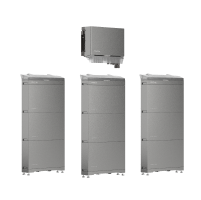
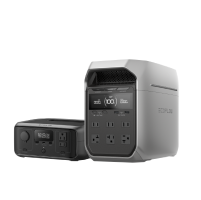
As the British days lengthen in spring, every inch of sunshine on your roof becomes valuable. However, the UK weather is notoriously fickle with its constant cloud cover. The EcoFlow OCEAN 2 Plus is a brilliant “power bank” for your home, specifically optimised for the UK’s diffused light environments. Even on those overcast London mornings, it efficiently captures solar energy that traditional systems might miss.
Its real magic lies in helping you dodge the “Peak Price Trap.” The system learns your household habits, storing that erratic spring sunshine during the day and silently discharging it in the evening when the family is cooking and showering. Not only can this slash your bills by up to 77%, but during those sudden April thunderstorms that occasionally rattle the local grid, it seamlessly switches to backup power, keeping your Wi-Fi and fridge running while the rest of the street is looking for candles.
Simplify Monitoring With a Smart Dashboard
Saving money shouldn’t feel like a full-time job. The EcoFlow PowerInsight 2 turns cold energy data into a “home energy sat-nav” mounted on your wall. Through this 11-inch touchscreen, you can see exactly where the energy is flowing: how much the panels are generating versus how much the dishwasher is gulping down.
This visual management changes your habits naturally. When you see a surge of solar power on a bright afternoon, you can trigger your smart appliances directly from the screen or via voice command. It integrates various smart devices, so you aren’t juggling five different apps. This sense of “real-time mastery” is exactly what helps you beat the 2026 energy targets.
Automate Appliances for Off-Peak Hours
Smart home ecosystems can now be set to “delay start” until electricity prices drop. If you have a home battery storage unit installed, you can automate it to charge from the grid at 2 am and power the house at 8 am.
Adjust Usage to Dynamic Tariff Shifts
Tariffs like Octopus Agile change prices every half hour. Smart systems can monitor these shifts automatically, ensuring you never buy electricity when it’s at its daily price ceiling.
Secure Long-Term Household Energy Independence
By combining solar, storage, and smart monitoring, you move from being a “consumer” to a “prosumer.” This independence is the ultimate hedge against future price hikes.
What Steps Should You Take to Start Saving?
Ready to act? Here is your 2026 checklist to ensure you secure that £134 (and likely more).
Identify Your Home Energy Leaks
Start with a “draught hunt.” Check window seals, letterboxes, and loft hatches. Even small gaps can negate the efficiency of a brand-new boiler.
Replace Outdated High-Consumption Devices
Check the energy labels on your appliances. If your washing machine or fridge is over 10 years old, the energy it wastes is likely costing you more than the price of a modern, A-rated replacement over its lifespan.
Set up Automated Smart Energy Systems
Don’t rely on memory to turn things off. Use smart plugs and a home energy management system to automate your savings. Let the tech do the heavy lifting.
Compare Usage Against 2026 Targets
Use your energy app to benchmark your home. Are you using more than the average for a house of your size? If so, dive back into your data to find the “hidden” culprit. You can understand your household consumption by learning what an electricity standing charge is.
Schedule Your Free Consultation Today!
What kind of product or solution are you interested in?
Conclusion
The 2026 energy standards offer a clear route to a more affordable, sustainable home. Pair the efficiency with smart, real-time management tools like the EcoFlow OCEAN 2 Plus, and UK homeowners can look past the £134 baseline and target a much more ambitious reduction in their annual energy spend. With costs still climbing, taking control of your own mini grid is one of the smartest moves you can make for your wallet and for the planet.
FAQ
1. Do I Need To Apply for the £134 Saving?
No. This is a structural change to UK energy bills. From April 2026, the removal of certain policy levies means your standing charges or unit rates will reflect this reduction automatically. The “real work” starts if you want to save beyond this fixed amount.
2. How Long Does It Take to Get Your Investment Back on Solar Panels?
In 2026, the average UK “break-even” point for solar has dropped to roughly 6-8 years, thanks to higher grid prices and better battery integration. If you use a smart storage system to avoid peak-hour grid rates, you can shorten this payback period even further.
3. Is HVAC Worth It in 2026?
Absolutely, especially as modern heat pump-based HVAC systems are now significantly more efficient than traditional gas boilers. With the 2026 standards, these systems provide both heating and cooling while qualifying for the latest government efficiency rebates.
4. What Is the Best Octopus Tariff for Home Battery Storage?
Octopus Flux or Intelligent Octopus are generally considered the best for battery owners, as they offer high export rates and low off-peak charging windows. Always check the latest rates, as dynamic tariffs are updated frequently to reflect grid demand.

