What Is a Lithium Battery? A Guide to Energy Storage in Australia
If you're looking to lower your electricity bills or get the most out of solar panels, you've probably heard of lithium batteries. They've quickly become the best way to store everything. This includes our cellphones, electric cars, and large solar arrays on Australian rooftops. This technology is a huge deal for households in Australia, where we are lucky enough to get a lot of sun. You're not only keeping the lights on by storing that extra energy you make during the day. You're also taking real control of your home's energy and making it work better.
What is a lithium battery?
A lithium battery is like a really clever, powerful power bank for your residence. These batteries store electricity from your solar panels or the grid as chemical energy until you need it. When you want to turn on power, such as the air conditioning at night or the fridge, the battery releases that energy very quickly.
Lithium-ion batteries are the best way to store energy these days because they are small, light, and last for years while holding a lot of power. They're much better than traditional lead-acid batteries, which are bulky, take a long time to charge, and don't last as long. In summary, they're the best way to save energy and keep your home running well. When you add them to a whole solar energy ecosystem, like EcoFlow solutions, you have a smart way to control your power. This lets you truly take control of your home's energy future.
How do lithium batteries work?
So, what does a lithium battery do to work? Imagine it as a game of catch. Inside, there are two primary parts: an anode and a cathode. In between them is a liquid called an electrolyte. Lithium ions shift to one side when you charge. They flow back when you employ that power. This keeps a consistent flow of electricity to your home or gadgets.
The best part is that this whole thing works really well, so you don't waste power as pointless heat. They're light, stay charged for ages, and pack a serious punch. That's exactly why they're the go-to choice for everything from the phone in your pocket to your electric car and your household solar setup.
What are some common types of lithium batteries?
Lithium-ion (Li-ion): Li-ion batteries are the true workhorses of our digital lives, powering everything from your laptop to the cordless drill in your shed. They're a huge leap over those old, clunky lead-acid batteries that take ages to charge and just don't last. Basically, they are the smartest way to keep your home running smoothly while saving on energy. By plugging them into a full solar ecosystem like EcoFlow, you're finally taking the wheel and deciding exactly how your home's energy future looks.
Lithium Iron Phosphate (LiFePO4): This is the one to choose if you want to feel safe. Compared to other chemicals, it is far less likely to catch fire or get too hot since its chemical structure is quite stable. That's why the LiFePO4 solar battery is the most popular choice for home solar storage: it's safe, stays cool under pressure, and will last longer than your other household appliances.
Lithium Polymer (Li-Po): These are the best for their light weight and flexibility. They don't utilise a hefty, inflexible metal case. Instead, they use a smart, gel-like material that can be shaped into practically any shape. That's why your smartphone or tablet is small and light. They fit easily into tight spaces without adding extra bulk.
Lithium Manganese Oxide (LiMn2O4): These batteries are for consumers who require a little more power. Because of their particular chemical structure, they can readily handle high power. These batteries give your gear a quick boost of energy in a safe and effective way.
Lithium Cobalt Oxide (LiCoO2): These are all about raw energy density, which means they can hold a lot of power in a little space. They've been the norm for handheld devices for years because they are quite reliable and keep their charge for a long period. They aren't normally used for storing much at home, but they are great for keeping your phone or camera charged all day.
What are lithium batteries used for in Australia?
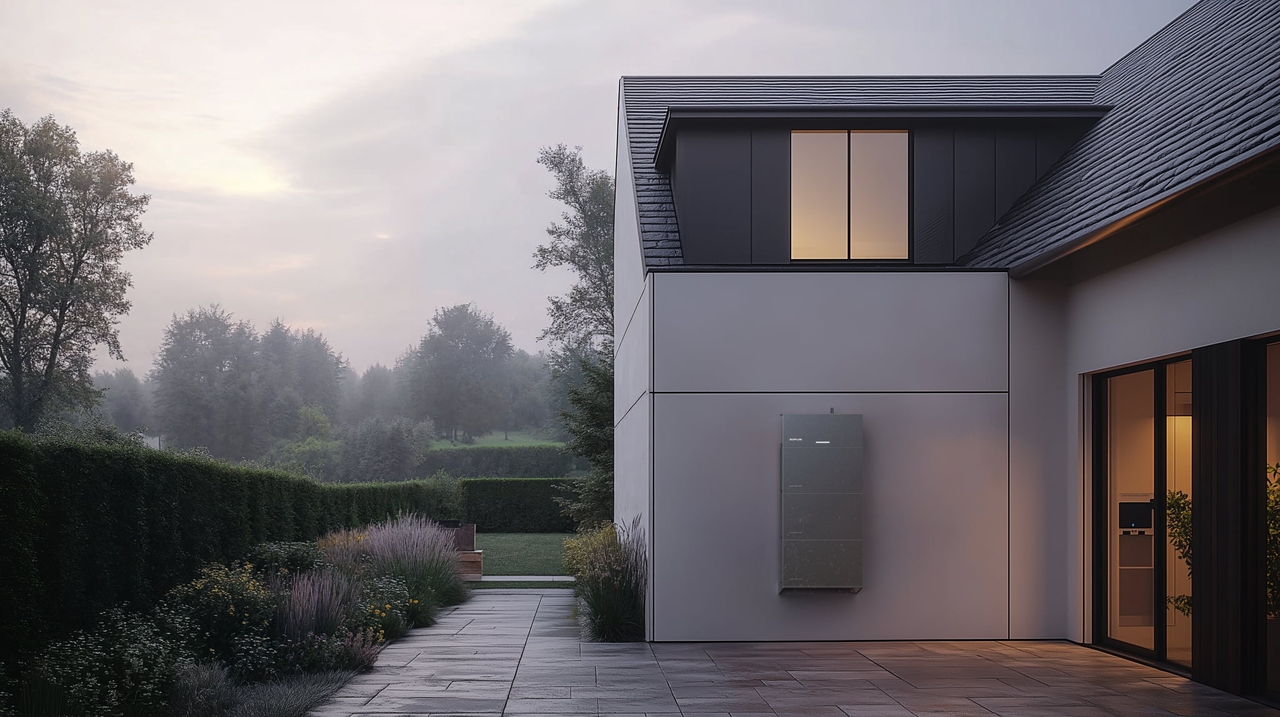
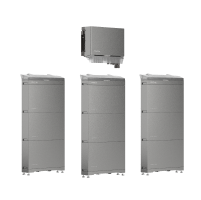
Home solar storage: This is where lithium batteries truly shine for Aussie homes. Why sell your solar power for little money? With modular systems like the EcoFlow PowerOcean Single-Phase Battery, you can store clean energy for when the sun sets. You can start small with just one battery, taking "baby steps" to save, and easily stack them up to 15kWh in one inverter as your needs grow. These LiFePO4 batteries are built like tanks, offering 6,000 cycles (that's 15 years of daily use) while staying fireproof and weather-tough. With the EcoFlow Intelligent HEMS, your home energy is managed automatically. It uses smart tariffs and optimizes power use. This can cut your electricity bills by up to 77.6%.
Ready to take control of your energy? Book a free consultation with a solar battery expert today!
Schedule Your Free Consultation Today!
What kind of product or solution are you interested in?
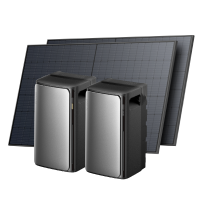

Reliable backup power: We've all dealt with those annoying grid blackouts during a storm. Having a lithium system acts like a built-in safety net, kicking in the moment the power goes out. The smart management system in every pack makes your setup strong. It keeps your fridge, Wi-Fi, and lights on when the rest of the street is dark.
Electronics and mobile devices: We use lithium-ion technology, whether it's our phone, laptop, or the cordless drill in the shed. These batteries are light but powerful. They make our gadgets portable and reliable. Now, we can go all day without searching for a wall socket.
Automotive and recreational vehicles: Lithium batteries have changed the game for both electric automobiles and RVs. You can run your 12V fridge, coffee maker, and lights for days without worrying about being hooked up to a powered site. These batteries charge faster and last far longer than the old ones we used.
Medical devices: When it comes to health, they have to be reliable. Lithium batteries power portable devices that save lives. These include electric wheelchairs and oxygen concentrators. People can go out without worrying about their devices dying. These batteries are stable and long-lasting.
Advantages of lithium batteries for home and energy use
High energy density: These pack a lot of power into a small space, so you don't have to give up valuable garage space for a big battery bank. It's great for the typical Australian home layout, where space on the floor is limited.
Longer lifespan: With a 10 to 15-year lifespan, these batteries are a serious long-term investment that handles the daily cycling of our solar systems with ease. You can practically install one and forget about it for over a decade.
Low maintenance: Lithium is a real "set-and-forget" technology, unlike the previous lead-acid systems. Busy Australian families will love that they don't have to mess with fluids or worry about rust.
Fast charging capability: Our weather can be temperamental, so you need a battery that grabs every bit of energy while the sun is actually out. These charge up super quickly, ensuring you don't waste a single watt during those peak solar windows.
Eco-friendly potential: Many modern lithium packs avoid toxic heavy metals like lead, making them a much cleaner choice for our backyard environment. Plus, because they last so long, you aren't constantly sending old batteries to the tip.
Challenges of lithium batteries in Australia
High upfront cost: To be honest, the price tag on a good lithium setup is a lot for most Australian families to handle. But you can save a lot of money on your bills in the long run.
Temperature sensitivity: Australia's brutal summer heat is the enemy of any battery, as extreme temperatures can force them to work overtime and wear out way faster. You really need to make sure they're tucked away in a cool, shaded spot to stop them from cooking.
Limited recycling options: It's still hard to find a good place to drop off used lithium batteries. We have a huge country to serve, and our recycling network is still trying to catch up so that they don't end up in landfills.
Potential safety risks: In our hot, dry climate, a broken battery or bad installation is the last thing anyone wants in their shed. That's why you have to use well-known brands and have a professional do the installation.
Capacity degradation over time: After a few thousand cycles, these batteries won't hold as much "juice" as they did when new. They are growing a lot better at staying stable, but over the years, they will lose some of their stamina.
Conclusion
In the end, a lithium battery is the last piece of the puzzle for any Australian home that wants to take charge of its power. By storing solar energy instead of just generating it, you save power and cut those high bills. Combine the EcoFlow PowerOcean, a strong system, with the EcoFlow Intelligent HEMS for smart insights. You're not just saving money; you're also building a sustainable, independent future. It will help your home run smarter, cleaner, and cheaper for many years to come. It will help your home run smarter, cleaner, and cheaper for many years to come.
FAQs
1. What is lithium in batteries?
Lithium is a super lightweight, highly reactive metal that acts as the "energy carrier." In batteries, it doesn't get used up like fuel; instead, its ions zip back and forth to store and release electrical energy efficiently.
2. What is a lithium-ion battery?
It's a battery that can be charged repeatedly. Lithium ions flow between electrodes to store electricity. They're the most important part of modern technology, and more complex versions, like those in EcoFlow systems, are designed to store energy at home for long periods.
3. How do lithium batteries differ from regular batteries?
Lithium-ion batteries may be charged and used thousands of times, unlike regular disposable batteries. Compared to big, heavy lead-acid batteries from the past, they also hold a lot more energy in a smaller, lighter container.
4. What are the main applications of lithium?
It powers everything from your smartphone and laptop to electric vehicles and medical gear. For Aussie homes, it's increasingly the go-to for storing solar energy, so you can use your own clean power day and night.
5. Which is better, Li-ion or LiFePO4?
It depends! Li-ion is great for compact gadgets. However, for homes, LiFePO4 is the winner because it's much safer and handles extreme heat better. It also offers a much longer LiFePO4 battery life, lasting for many years. This is why EcoFlow uses it for its robust home systems.