What Is Green Energy? A Guide to Sources & Benefits in Australia
Australia is right in the middle of a massive energy shake-up. As electricity prices rise and more people care about the planet, green energy is now a big deal for homes and businesses everywhere.
Look, we're honestly in the best possible spot for this. Australia has world-class sunshine and steady coastal winds. It's a natural powerhouse for the renewable revolution. You can see the shift everywhere now—from the solar panels on your neighbor's roof to the massive wind farms out in the country. Many Aussie families are making the switch. This way, they can store energy and use it when needed. It's just a common-sense way to head toward a cleaner future we can actually feel good about.
What is green energy?
Green energy comes from natural resources that renew quickly and are environmentally safe. Think of things like sunlight, wind, and flowing water, sources that nature has plenty of and never runs out of. The goal is to have the smallest footprint possible. Even sustainable sources can have a minor impact. Still, they are much better than old-school fuels.
Down here in Australia, green electricity is a total game-changer because it helps us break our old habit of relying on coal and gas. Every time we switch to a cleaner source, our whole grid becomes more reliable and sustainable. Since we're lucky enough to have heaps of sun and wind, Australia is perfectly placed to lead the way and show the rest of the world how it's done.
Key benefits of green energy in Australia
Environmental sustainability: Australia's carbon emissions drop significantly when it switches to green energy. This helps maintain unique ecosystems like the Great Barrier Reef and ancient bushlands. The more sustainable energy we make, the less we need coal and gas. The environmental benefits for future generations of Australians are too great to ignore.
Lower electricity costs: It can seem like a lot of money to spend on solar panels and battery storage up front. But renewable energy pays off over time by lowering your electricity expenses. Many Australian families are already saving thousands of dollars a year by generating their own power. Every day, Australians see real financial benefits from using less grid electricity.
Energy independence: Green energy gives Australian homeowners and businesses greater control over where they get their power. It makes you less likely to be affected by rising grid prices and supply problems that arise out of the blue. Families can make, store, and consume their own renewable energy at any time of day or night with the correct solar panels and battery storage.
Abundant natural resources: Australia has abundant resources for renewable energy. It has some of the greatest amounts of solar radiation on Earth, steady coastal breezes, and strong river systems that are perfect for hydropower. Australia is one of the greatest countries in the world to switch completely to green energy because of its inherent advantages.
Innovation and job creation: The green energy boom is sparking new technologies in Australia. It's also creating thousands of new jobs in research, engineering, installation, and manufacturing. This will make the Australian economy stronger and more focused on the future.
Types of green energy sources
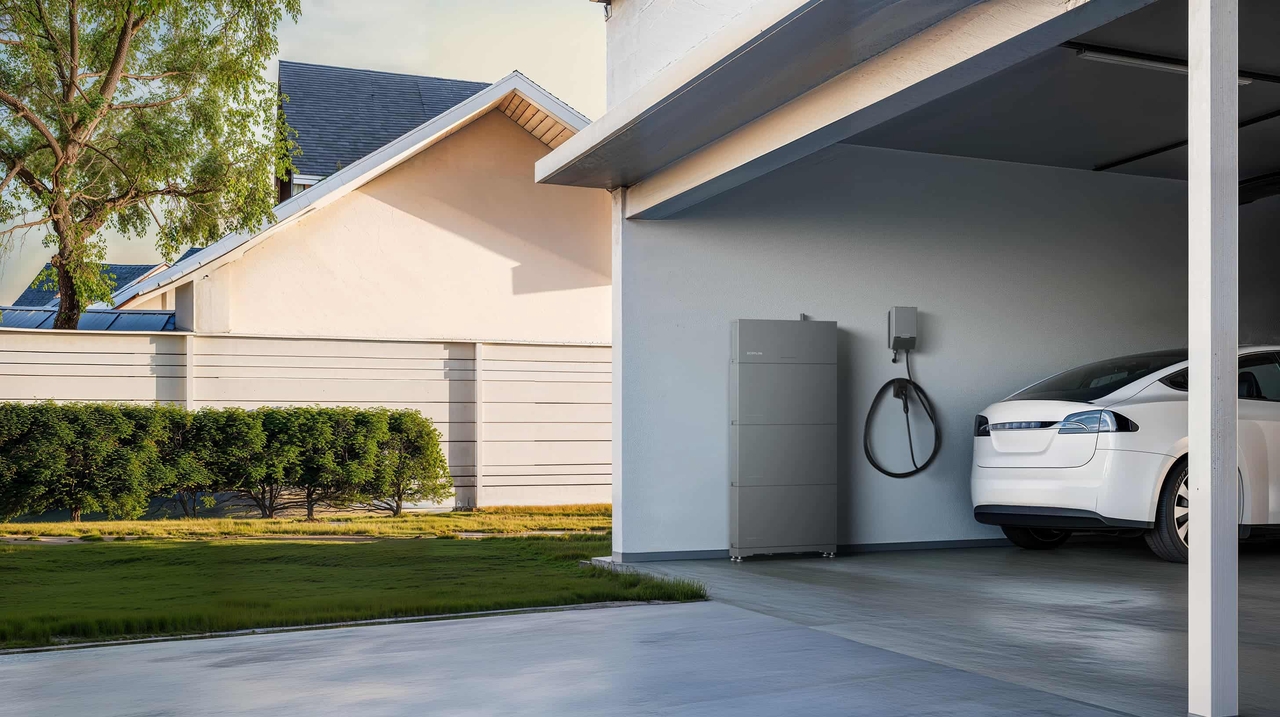
Solar energy: In Australia, solar energy is one of the most popular forms of green energy. It gets clean electricity at home by using sunlight that hits photovoltaic panels on the roof. Adding a battery to solar makes it even stronger. The EcoFlow PowerOcean Single-Phase Battery is an excellent example. The LFP battery pack offers a scalable capacity from 5kWh to 15kWh on one inverter, with up to 6kW output. This makes it a safe, long-lasting choice for Australian homes. Using this allows you to store and use clean solar energy every day.
Wind energy: Wind turbines harness the natural flow of air to generate clean, reliable power. Since we've got such massive coastlines and wide-open spaces, Australia is the perfect place for wind farms, whether they're sitting out at sea or across our rural heartland. These setups already do much of the heavy lifting for our renewable energy, and that share is only growing as we build more.
Hydropower: This type of power comes from the energy of falling or flowing water. This makes it one of the oldest and most reliable green energy sources. A wonderful example is Australia's Snowy Hydro system. It provides renewable energy to millions of homes in Victoria and New South Wales.
Biomass energy: Biomass energy is generated by converting organic resources, such as food scraps, wood, and agricultural waste, into heat, power, or fuel. It's not as well-known as solar or wind, but it's an important part of Australia's renewable energy mix. It is especially helpful in rural and agricultural areas all around the country.
Geothermal energy: Geothermal energy uses the heat naturally stored beneath Earth's surface to generate clean, reliable electricity. It's still in the early stages of construction in Australia. But the long-term potential is enormous. South Australia and Queensland look extremely good. Both these areas are atop vast subterranean heat sources, making them ideal locations for future geothermal projects.
Why Australia is shifting to green energy
Rising electricity prices: Over the past 10 years, Australia has experienced some of the largest increases in electricity prices among developed countries. Costs for businesses and households have really gone up. More Australians are using solar panels on their roofs and battery storage to lower their energy costs.
Abundant solar and wind resources: Australia is one of the continents with the most abundant solar and wind resources. Its wide-open spaces, extensive coasts, and more than 2,500 hours of sunshine a year give it an edge. Australia has a lot of untapped renewable energy potential, but not many other countries do.
Government renewable energy targets: Both the federal and state governments have set ambitious goals for renewable energy. In the next several decades, a number of states want all of their electricity to come from renewable sources. These promises are bringing in a lot of money for solar farms, wind projects, and grid-scale battery storage across the country.
Growing climate and sustainability concerns: Australians are increasingly seeing the effects of climate change. Droughts that last longer, bushfire seasons that get worse, and floods that are worse than ever are becoming the norm. Green energy is becoming more popular as a power source for homes, companies, and entire communities, as the need to do so grows increasingly apparent.
Advances in green energy technologies: These green energy technologies, are advancing rapidly. Solar panels are getting better at what they do. Battery storage solutions are becoming smarter. And renewable energy is now cheaper and easier to get than ever before. The EcoFlow PowerOcean Plus Solar Battery is a great example of how far we've come. This solar energy storage battery system supports up to 180kWh of capacity and 40kW of solar input. With features like dynamic tariff control—all easily managed via the EcoFlow app—it lets Australian homes and small businesses get the most out of their solar systems while significantly cutting their energy costs.
Examples of green energy used in Australia
Residential rooftop solar systems: Millions of us now get our power from the sun, and Australia is the world leader in rooftop solar. But the true magic arrives when you add a solar battery to your home. It helps you store all that extra energy from the day, so you can utilise it after dark. This means you don't have to use the grid very much at all. It's all about becoming your own power station and taking charge of your energy costs.
Ready to maximize your solar savings? Request a free quote today and start getting the most out of your energy.
Schedule Your Free Consultation Today!
What kind of product or solution are you interested in?

Wind farms in coastal and rural areas: Wind power has been a big part of Australia's energy mix lately. Big wind farms are popping up all over our coast and in rural areas, especially from Victoria to South Australia. The wind farms at Macarthur and Snowtown are among the biggest in the Southern Hemisphere. They supply clean, reliable electricity to hundreds of thousands of homes throughout Australia every day.
Hydroelectric power stations such as Snowy Hydro: Hydroelectric power stations like Snowy Hydro have been a dependable supply of electricity for our renewables for many years. The Snowy Mountains Scheme is the best-known one. It makes about 4,500 megawatts of clean electricity for New South Wales, Victoria, and the ACT. And since Snowy 2.0 is in the works, we'll have even more storage space, which will make it much easier to store that green energy and send it across the country when it's needed most.
Conclusion
Green energy isn't some distant "what if" anymore; it's officially the backbone of Australia's future. Between the sun, wind, and hydro, millions of us are already tapping into a cleaner way to keep the lights on and shrink our footprint. As technology improves, more Aussie families are finally taking the steering wheel when it comes to their own power. EcoFlow home battery solutions make this transition simple. They help you stay in control by storing your own solar energy to use whenever you want. It is a simple way to power your home and save money every day.
FAQs
1. What is green energy in Australia?
In Australia, "green energy" refers to electricity generated from natural sources. These sources, like solar, wind, and hydropower, do not harm the environment. Australia is rapidly increasing its green energy output to reduce its reliance on coal and gas. This is because the country gets a lot of sun and wind.
2. What is the definition of green energy in simple words?
Natural sources of energy, such as sunlight, wind, and water, are better for the environment than fossil fuels like coal and gas. These resources produce energy, and can replenish themselves quickly. Hence, causing the least damage to the environment.
3. What are some advantages of using green energy?
Green energy cuts carbon emissions. It also lowers power bills over time and creates jobs. Plus, it makes homes less dependent on outside energy sources. Adding a home battery system, like the EcoFlow PowerOcean, to your rooftop solar panels will enhance these benefits.
4. Why is green energy important for the future?
Green energy is important for fighting climate change, cleaning the air, and ensuring a steady energy supply. Renewable energy is a cleaner, sustainable option for Australia and the world. As fossil fuels become harder to find and costlier, renewables offer a better long-term solution.
5. What is the difference between green energy and renewable energy?
Renewable energy refers to any naturally replenishing source, even if it has some environmental impact. Green energy is a subset that specifically emphasises minimal environmental harm, so all green energy is renewable, but not all renewable energy is considered green.