Victorian Energy Compare: Select Electricity Plans and Reduce Solar Costs
Victorian Energy Compare is a free Victorian Government service that helps households compare electricity and gas offers and assess solar savings based on their energy use. If you’re reviewing your current electricity plan, this guide explains how to use the tool, what costs to compare and what solar households should consider before switching.
Key Takeaways
•Independent and government-run: Victorian Energy Compare is a free Victorian Government service that helps households compare energy offers available in their area.
• Uses your energy data: You can provide your NMI to access smart meter data or enter information from your energy bill and household profile. Using your energy usage data can make the comparison more closely reflect your household's consumption patterns.
• Look beyond discounts: A headline percentage discount can be tempting, but daily supply charges, usage rates, discount conditions and any applicable fees can all affect the total cost of a plan.
• Solar needs careful consideration of self-consumption: Victoria's solar feed-in tariffs are now determined by retailers rather than a regulated minimum rate, as confirmed by the Essential Services Commission. Export credits can therefore vary between plans. For many solar households, increasing self-consumption or storing surplus generation can improve the value of solar energy, but the potential savings depend on the household's usage pattern, electricity tariff and battery costs.
• Track and review regularly: Solar panels or battery storage can change your household's energy usage. Re-run your comparison every 6 to 12 months to check whether your current plan still suits your usage and tariff needs.

What Is Victorian Energy Compare?
Victorian Energy Compare is a free government-run service for comparing electricity, gas and solar offers available in Victoria.
How Victorian Energy Compare Works
Victorian Energy Compare (VEC) is a free Victorian Government service that helps households and small businesses compare available energy offers. It searches for offers available to most people in your area and uses information about your household and energy use to estimate the annual cost of each option. The results allow you to compare estimated costs, rates, terms and other plan features.
Who Can Use Victorian Energy Compare
Victorian households can use Victorian Energy Compare to compare electricity and gas offers, while the platform also provides tools for assessing potential solar savings. Victoria has very high smart meter coverage, with smart meters recording electricity usage every 30 minutes and transmitting the data to electricity distributors. For electricity comparisons, you can provide your NMI to access your smart meter data through Victorian Energy Compare.
Information Needed for Energy Comparison
You can start with basic household information, but providing details from your energy bill or smart meter data can make the comparison more closely reflect your usage. Keep these items handy before sitting down at the computer:
• Your latest electricity bill
• Your National Metering Identifier (NMI)
• Information about your household and typical energy use
• Solar system details, if you are comparing plans as a solar customer
What Should You Compare in an Electricity Plan?
When comparing electricity plans, look beyond the advertised discount. Usage rates, daily supply charges, solar feed-in tariffs and estimated annual costs can all affect what you actually pay.
Usage Rates and Supply Charges
Retail power pricing splits into two distinct charges:
• Daily supply charge: A fixed amount charged each day for the supply of electricity to your property, regardless of how much electricity you use.
• Usage rates: The rate charged in cents per kilowatt-hour (c/kWh) for the energy drawn from the grid.
If your rooftop solar system covers much of your daytime consumption, the daily supply charge can still make up a meaningful part of your electricity costs, so it should be considered alongside usage rates. When considering a home battery for a solar home, it is also worth comparing those fixed charges alongside the usage rates that apply when you need to import electricity from the grid.
Discounts and Payment Conditions
For example, a “25% discount” can look appealing until you read the fine print and realise that it may apply only to the usage component rather than the daily supply charge. Check whether conditional discounts depend on requirements such as on-time payments, direct debit or electronic billing. Guaranteed discounts or straightforward base rates can make a plan easier to budget for, particularly if you prefer not to rely on payment or direct-debit conditions.
Solar Feed-In Tariffs
Since Victoria’s minimum feed-in tariff requirement changed from 1 July 2025, retailers have more flexibility in setting solar feed-in tariffs. Feed-in tariffs can vary considerably between retailers and plans, so a solar customer should compare the export rate alongside the plan’s usage rates and supply charge. Some retailers may offer higher feed-in tariffs, but a higher export rate does not necessarily mean a lower overall bill. Compare it with the plan’s usage rates, supply charge and other conditions before switching. Comparing export credits with the cost of importing electricity when solar generation is unavailable is important; grid imports during higher-priced periods can have a significant effect on your overall electricity costs.
Estimated Annual Energy Costs
Retailers must use the Victorian Default Offer (VDO) as a reference price when advertising market offers. When comparing plans, look at the estimated annual cost and how it compares with the VDO, rather than focusing only on the advertised discount. The estimated annual cost provides a useful indication of what you could pay based on the information used in the comparison, including applicable supply charges and usage rates. For a retailer-specific example, reviewing AGL energy rates can help you illustrate how usage and supply charges contribute to the total cost of a plan.
How Do You Compare Electricity Plans on Victorian Energy Compare?
Running a comparison generally takes around five to ten minutes if you have your latest bill and household information ready.
Prepare Your Latest Energy Bill
Grab your most recent quarterly or monthly power statement. Ensure your NMI, retailer name, current tariff type (such as single rate or flexible/time-of-use), and average daily usage are clearly visible.
Complete the Household Energy Questionnaire
Head to the Victorian Energy Compare portal. The questionnaire asks for information about your household and energy use, such as how you heat your home and whether you use electricity, gas or solar. This information helps VEC build a household energy profile and estimate the cost of available offers.
Enter Your Energy Usage Details
For precision, select the option to upload your PDF bill or input your NMI. Providing your NMI allows Victorian Energy Compare to access your smart meter data, giving the comparison a more detailed picture of how your electricity use varies throughout the day and across different periods.
Review Available Electricity Offers
Once the data calculates, the tool presents a list of available offers that match your energy profile. You can then compare, filter and customise the results. By default, offers rank from lowest annual estimated cost to highest. Use the available filters to refine your results based on preferences such as billing frequency, payment options, green energy options or EV charging features.
Compare Offers Side by Side
Select the plans you are most interested in and use the side-by-side comparison feature. Check whether the lowest-cost plan achieves its rank via a low daily supply fee or lower consumption rates. Check whether any exit fees, paper billing fees, payment surcharges or other conditions apply to the offer.
Contact the Retailer to Switch
Victorian Energy Compare does not handle payments or lock in contracts directly. Once you choose an offer, click through to the retailer’s sign-up portal or contact the retailer directly to complete the switch. Your new retailer manages the switching process, and changing retailers does not interrupt your electricity supply. Your new retailer manages the switching process, and changing retailers does not interrupt your electricity supply.
How Can You Reduce Solar Costs in Victoria?
For solar households, reducing electricity costs depends not only on the plan you choose but also on how much of your solar generation you use at home.
Shift High-Energy Use to Daylight Hours
Depending on your electricity plan, exporting excess solar may earn less than the value you could get from using that energy in your home. Where practical, shifting flexible loads into periods of strong solar generation can increase self-consumption and reduce later grid imports. Where practical, shift flexible electricity use toward periods when your solar system is generating more electricity, which can increase self-consumption. Set timers on washing machines, pool pumps, dishwashers and hot water systems so they use more of your solar generation directly instead of exporting it and later purchasing electricity from the grid. A Home Energy Ecosystem can help coordinate compatible devices around solar generation and household demand.
Store Excess Solar With a Battery
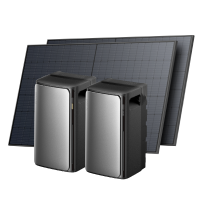
When your solar system’s pumping out more than the house can use in the middle of the day, a home battery can store that surplus electricity for later use instead of exporting all of it to the grid. If you’re considering storage for this purpose, exploring different solar battery storage options can help you understand how battery capacity and system configuration may affect your ability to use more of your own solar generation.
That stored energy can then supply lighting, cooking and other household loads after sunset, reducing the amount of electricity you need to import from the grid later in the day.
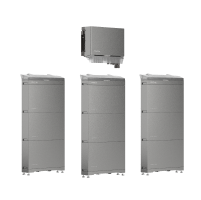
This is where dedicated residential storage comes in. An integrated modular system, such as the Ecoflow OCEAN 2 Plus single phase, pairs scalable battery capacity with smart load automation. For households on flexible or time-of-use tariffs, battery storage can help shift more solar energy from the daytime into periods when household electricity demand is higher. Depending on the tariff and system settings, the battery may also be able to charge from the grid during lower-priced periods when this is economically suitable. By aligning battery operation with the household’s tariff structure and energy demand, a suitable battery system can help increase the value of stored solar energy and reduce reliance on higher-priced grid electricity.
Reassess Your Electricity Plan Regularly
Installing solar panels or battery storage can significantly change your household’s electricity consumption and grid-import patterns. A retail plan that made financial sense before installing solar or battery storage may no longer be the most cost-effective option once your grid imports change significantly.
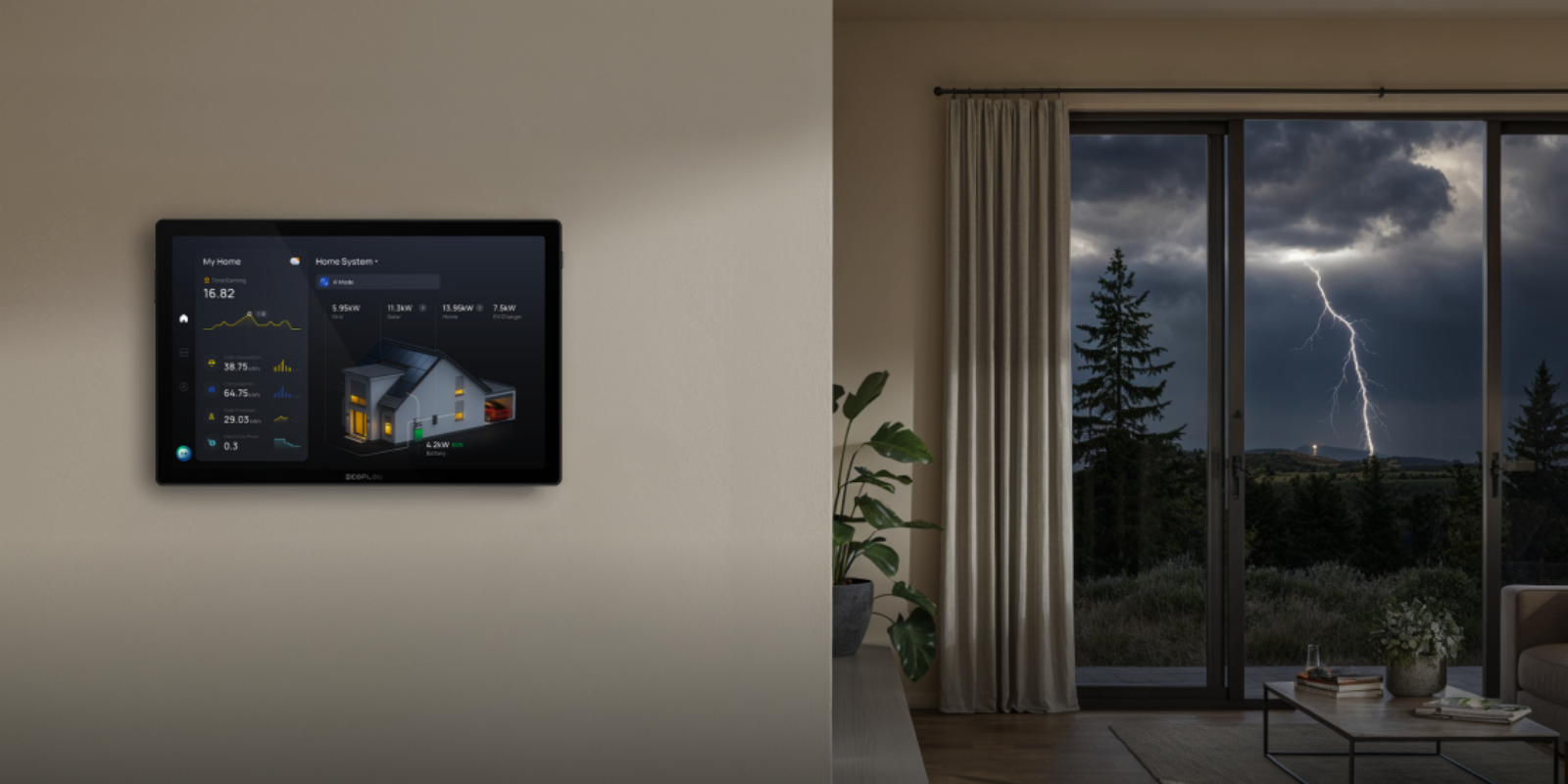
Hardware like the EcoFlow PowerInsight 2 makes tracking these changes straightforward. Its 11-inch HD IPS touchscreen delivers a clean, real-time breakdown of solar production, overall home energy draw, and dynamic battery storage status at a glance. Instead of waiting for a surprise quarterly bill to see how your hardware is holding up, you can review live operational figures directly on the wall. Pairing this transparent consumption data with Victorian Energy Compare every six to twelve months ensures you can quickly pivot to plans with rock-bottom daily supply charges or tailored time-of-use tariffs suited to your upgraded setup.
Schedule Your Free Consultation Today!
What kind of product or solution are you interested in?

Conclusion
Victorian Energy Compare gives households a straightforward way to check whether their current electricity plan still stacks up. Focus on the estimated annual cost rather than evaluating a plan solely by its headline discount or feed-in tariff – and make a point of running the comparison again if your usage changes, especially after putting in solar or battery storage.
Disclaimer: This article is provided for general informational purposes only and does not constitute financial, energy or legal advice. Electricity prices, feed-in tariffs, discounts, retailer offers and government policies in Victoria can change over time. Estimated savings and energy costs will vary depending on your location, electricity usage, tariff, solar generation and battery system. Always check the latest information and offer details on Victorian Energy Compare and with the relevant retailer before switching plans or making an energy investment.
FAQ
What Is the Best Energy Comparison Site in Australia?
For Victorian residents, Victorian Energy Compare is a useful government-run option for comparing electricity and gas offers. It is free to use and allows households to compare available offers based on their energy use and circumstances.
Who Is the Cheapest Electricity Supplier in VIC?
There is no single cheapest electricity supplier across Victoria. The lowest-cost offer can vary depending on your location, usage profile, tariff structure and the offers available at the time. This is why using your own NMI or usage information on Victorian Energy Compare can provide a more relevant comparison.
Why Is My Electricity Bill So High When I Have Solar Panels?
A solar household can still have a high electricity bill if much of its electricity consumption occurs outside solar-generation hours, particularly when grid import rates are higher. Other factors can include daily supply charges, electricity usage rates, feed-in tariffs and changes in household consumption. Exporting surplus solar at a relatively low feed-in tariff while importing electricity later can also reduce the overall financial benefit of solar generation.
What Is the Best Electricity Plan if You Have Solar Panels?
For many solar households, a suitable electricity plan is one that balances the feed-in tariff with the daily supply charge, usage rates and the timing of grid imports. Choosing a plan solely because it offers a higher feed-in tariff may not result in the lowest overall electricity cost.