The Guide of Time of Use Tariffs in Australia to Cut Energy Bills
Opening your 2026 quarterly energy bill can be a massive shock, as electricity prices continue to surge across Australia. If your costs feel completely out of control, the real culprit is likely your billing structure. To manage heavy grid demand, most retailers have switched from flat pricing to a time-of-use tariff, meaning power is cheap during quiet hours but painfully expensive during others.
This guide breaks down how these plans work so you can stop overpaying. You will discover the difference between peak and off-peak hours, along with practical strategies to beat the system. From simple habit shifts to smart home energy storage, we will show you how to secure lower rates and slash your power bills.
What are Time-of-Use (TOU) rates?
In the past, households paid a flat rate for power. Boiling a kettle at midnight costs the exact same as boiling it at noon. Today, thanks to smart meters in most Australian homes, energy providers can track exactly when you draw power and adjust their prices hour by hour. We call these changing costs time-of-use electricity rates.
The main goal here is simply to change our daily habits. When an entire city runs heavy appliances all at once, the local grid struggles to keep up. To prevent overloads, providers bump up prices during the busiest hours. This gives folks a financial reason to hold off and run big machines when things quiet down. For homeowners, understanding these cost windows is the real secret to lowering your bills.
How do Time of Use electricity plans work?
The concept is straightforward: energy companies divide the day into different time blocks, each with its own price tag. When you sign on to time-of-use electricity plans, you agree to navigate these shifting rates.
Think about how a normal day unfolds. Every morning, thousands wake up and turn on appliances all at once. The exact same thing happens when families head home at 5 PM to cook dinner and blast the AC. This collective rush for power triggers a massive spike in demand, forcing power plants to work overtime and fire up expensive backup generators just to cope.
Retailers pass those high wholesale costs directly to you by charging premium "peak" rates during the evening rush. Conversely, when the city sleeps and demand drops, they offer cheap "off-peak" windows. Navigating this successfully means taking a close look at how your daily routine and tools like EcoFlow Home Energy Ecosystem interact with the grid's natural rhythm.
Typical Time of Use windows in Australia
Australian energy networks have recently updated their time windows. For a long time, the rules were simple. Daytime was somewhat expensive, evening was very expensive, and night was cheap. However, the massive boom in residential rooftop solar has completely changed the national grid.
Now, so much clean energy floods the grid during the middle of the day. This has created a brand-new pricing window. It is called the "Solar Sponge" or the daytime off-peak period. During these midday hours, electricity is incredibly cheap. Power networks want you to use as much power as possible during this time. It helps them absorb excess solar energy on the lines.
The table below breaks down the typical time windows for modern Australian households. These windows apply across most states, including New South Wales, Victoria, and Queensland.
Period | Typical AU Time Window | Cost Level | Best Household Strategy |
|---|---|---|---|
Peak | 3 PM – 9 PM (Weekdays) | Priciest | Turn off heavy appliances and run on your battery |
Solar Sponge (Daytime) | 10 AM – 3 PM (Daily) | Cheapest | Great time for pool pumps, dishwashers, and EV charging |
Overnight Off-Peak | 10 PM – 7 AM (Daily) | Low | Set timers for washing machines and dryers to run while asleep |
Shoulder | 7 AM – 10 AM / 9 PM – 10 PM | Mid-tier | Best for light, standard usage, or charging your solar setup |
Exact times can vary slightly depending on your state and your specific energy provider. For example, some networks start peak hours at 4 PM instead of 3 PM. However, the general pattern stays the same everywhere. The hours between 3 PM and 9 PM are always your financial danger zone. Learning about different solar battery sizes can help you decide how much energy you need to get through those high-cost evening blocks.
Flat rates vs. Time of Use electricity rates
Deciding between a flat rate and a variable tariff really comes down to how your home operates. A flat-rate tariff gives you ultimate peace of mind because the price stays exactly the same all day long. If your family has a rigid routine and you absolutely have to run appliances during the evening rush, this predictable setup is usually the safest bet.
For example, if you have a large family that must run multiple washing machines and cook large meals between 5 PM and 8 PM, a flat rate might protect you from extreme peak prices. You do not have to worry about the clock. However, your overall rate will usually be higher on average.
On the other hand, time-of-use electricity rates reward flexibility. This system benefits homes that are empty during the middle of the day. It is perfect for people who can automate their heavy appliances. If you can move your power consumption to the morning or late at night, you will save a lot of money. Furthermore, a variable plan is ideal if you own a home solar battery storage system. A battery lets you avoid the grid entirely when prices skyrocket. It gives you the power to choose when you buy electricity.
How to lower your time of use tariff bills
You do not have to sit back and accept expensive power bills. Homeowners have many practical options to fight back against a high time-of-use tariff. By understanding the daily clock, you can change how your home consumes energy. Here are three highly effective strategies to lower your quarterly costs.
Shift heavy appliance usage
The quickest way to cut your costs is to change when you run large appliances. Clothes dryers, dishwashers, and washing machines are major power gluttons. Pool pumps and electric hot water systems also take a massive amount of energy to operate.
If you run these machines at 6 PM, you are paying the highest possible electricity price. Instead, utilize the built-in delay timers on modern appliances. Set your dishwasher to start running at 11 PM. Program your washing machine to run at 11 AM during the solar sponge window. This simple change shifts your power draw away from peak times. It shifts your consumption to the cheapest times of day. This basic habit adjustment requires zero financial investment. Yet, it can save you hundreds of dollars over a single year.
Utilize smart energy management
Managing your home energy manually can be exhausting. No one wants to sit by the electrical panel checking the time every single hour. Thankfully, automated software tools can do the hard work for you.
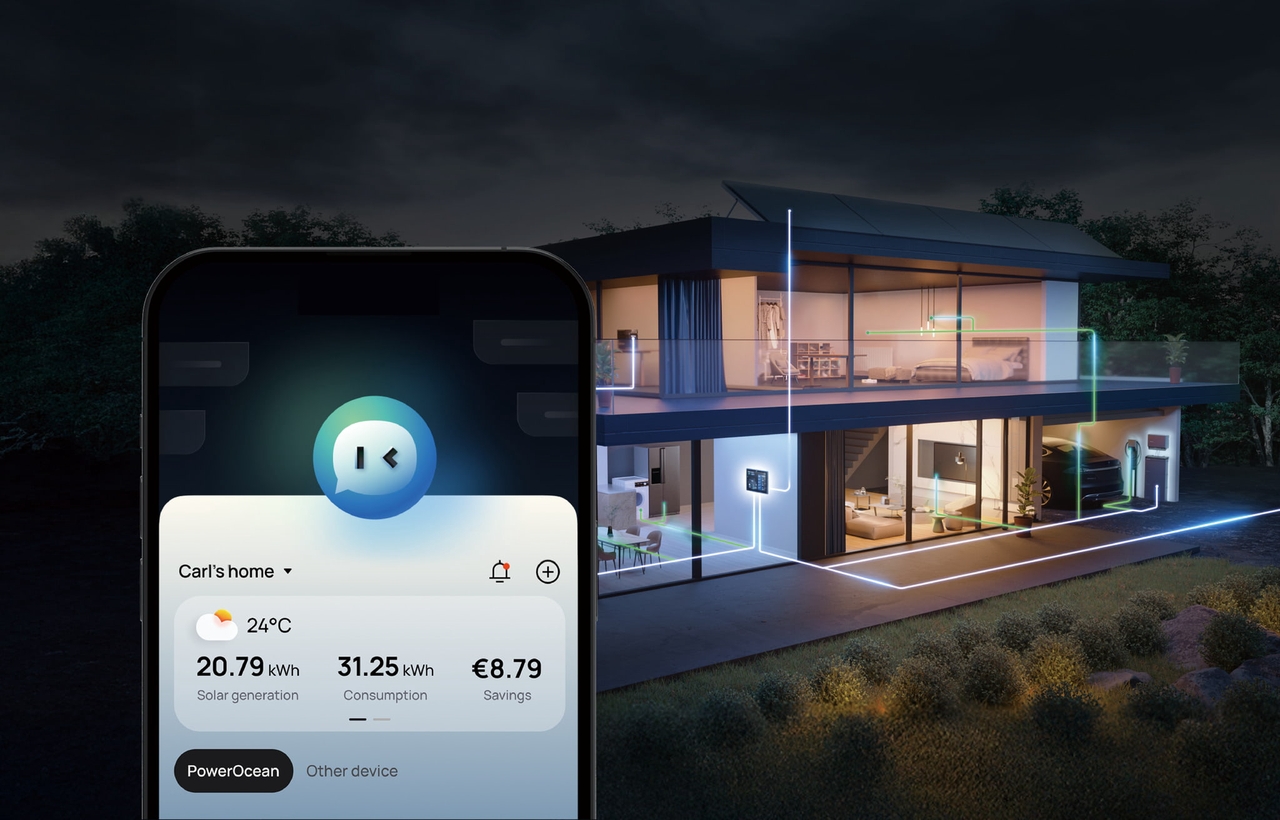
Modern monitoring tools give you a clear view of your household's daily power usage. With the EcoFlow Intelligent HEMS, you can track real-time consumption and local grid rates while the system automatically manages energy flow. This smart automation ensures your home draws power from the grid when rates are lowest, and uses stored solar energy during high-rate periods, such as 3 PM to 9 PM.
By combining solar panels with EcoFlow batteries, households can reduce electricity bills by more than half. Enabling intelligent mode further boosts savings, helping your home cut costs by up to 77.6% without any guesswork.
Invest in solar battery storage
The ultimate way to beat variable electricity plans is to store your own power. If you have solar panels on your roof, they generate a lot of energy during the middle of the day. This happens right during the daytime off-peak window. Selling this power back to the grid is no longer highly profitable because feed-in tariffs are low.
Instead, you can catch that clean energy with a home battery system. The battery stores your solar generation safely. Then, at 3 PM, when grid prices spike, your home automatically disconnects from the street grid. Your lights, fridge, and television run entirely on your stored power.
An excellent system for large Australian homes is the EcoFlow PowerOcean Plus Three-phase. It features a powerful three-phase hybrid inverter paired with a highly flexible, modular design. Each compact battery block holds 5 kWh of capacity and sits neatly against your wall. You can start out small with just a single module, and as your family's energy needs grow, you can easily stack up to three pieces together on one machine. For households with massive power demands, the system even allows you to connect up to four of these machines in parallel. This setup gives you the ultimate freedom to reach an impressive total storage capacity of 60 kWh.
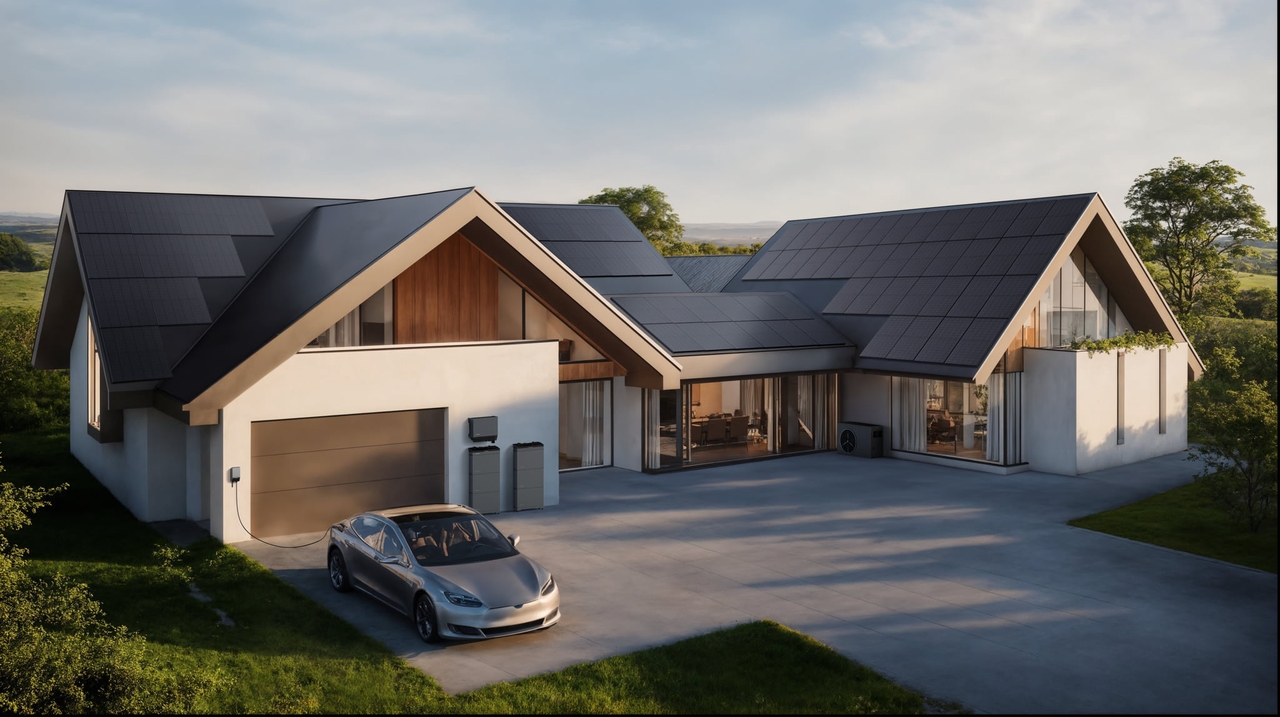
This modularity allows you to customize your storage to perfectly match your evening consumption. The hardware utilizes advanced Lithium Iron Phosphate (LFP) chemistry. This type of battery is incredibly durable. It can handle daily charging and discharging for over a decade. It is also highly resistant to extreme heat. This is an essential safety feature for hot Australian summers. If you want to find the best solar batteries for your regional weather conditions, looking at thermal protection is vital.
Learn More about the EcoFlow PowerOcean Plus Solar Battery and see how it fits into your home setup.
Conclusion
A time-of-use tariff does not have to ruin your household budget. Peak prices are indeed higher than ever in 2026. However, this billing system also creates clear opportunities to save money. If you can adapt your daily routines, you can beat the energy retailers at their own game. Start small by shifting big appliance loads to the daytime solar sponge or overnight hours. From there, let smart apps monitor your daily usage. To truly protect your family from unpredictable rate hikes, setting up a modular battery to store your own power is the smartest long-term move.
Unsure if your daily energy habits make you a good fit for battery storage? Feel free to contact our professional energy consultants today. Our local team will help you look at your latest power bills. We can provide a clear, customized plan to maximize your long-term savings.
FAQs
Are time-of-use electricity rates cheaper?
They absolutely can be, but it depends entirely on your habits. If you can shift your usage to the midday solar sponge or late at night, you'll save money. But if your family runs everything during the 5 PM dinner rush, expect your bills to climb.
What wastes the most electricity in a house?
Climate control systems like ducted air conditioners and heaters use the most power. Electric hot water systems, clothes dryers, and pool pumps are also major energy consumers. Running these heavy loads during peak hours drives up bills quickly.
What are the peak hours for a time-of-use tariff in Australia?
In most Australian states, peak hours run from 3 PM to 9 PM on weekdays. Some electricity retailers might use a slightly adjusted window, like 4 PM to 9 PM. Peak prices are generally not active during weekends or public holidays.
How do I know if time of use electricity plans are right for me?
Look closely at your lifestyle and schedule. If your house is empty during the day and you can shift appliance use to late night, these plans are ideal. They are also highly profitable if you own a home solar battery storage system.
Does electricity cost more at night?
No, electricity is usually much cheaper at night. The hours between 10 PM and 7 AM are standard off-peak times. However, remember that the middle of the day is now often the cheapest time because solar energy floods the grid.