Solar Power Calculator: Determine the Right Solar System Size for Your Home
Deciding to go solar in Australia is a great move for your hip pocket and the environment, but working out the right system size can feel like a stab in the dark. This guide breaks down how a solar calculator actually works, walks you through sizing your system step by step, helps you match real-world gear like inverters and batteries to your setup, and covers the key checks to make before you sign anything. We also share practical ways to keep squeezing more value out of your system long after the install, using smart monitoring tools.
What Does a Solar Power Calculator Actually Tell You?
Before throwing your numbers into an online tool, let’s unpack exactly what these smart calculators are trying to figure out for your household.
What a Solar Power Calculator Measures
A solar calculator answers one simple question: How big does your solar system need to be? To do that, it estimates how much electricity your roof can produce and compares it with how much power your household uses, helping you determine what system capacity (measured in kilowatts, or kW) is required to offset your current power bill. It looks at your local weather data and translates your daily energy usage into the number of solar panels you’ll need to install.
Required Inputs for Accurate Results
To get a result that actually makes sense for your home, rubbish inputs won’t do. You will generally need to provide your average daily electricity consumption (found on your Origin, AGL, or EnergyAustralia bill in kilowatt-hours, kWh), your postcode (to determine peak sun hours), and basic details about your roof orientation and tilt angle.
Understanding Your Calculation Results
Once you’ve entered your details, you’ll typically receive a recommended system size—such as 6.6 kW or 10 kW—along with estimated annual energy generation, potential bill savings, and the reduction in greenhouse gas emissions your solar system could achieve. Most calculators handle these calculations automatically, giving you a quick snapshot of your system’s expected performance.
Factors That Affect Calculator Accuracy
While online tools are incredibly handy, they operate on averages. Real-world things like shade from a massive gum tree next door, dirty panels, seasonal changes, and how your roof actually faces (north is prime real estate in Australia, while east and west split the day’s sun) mean your actual performance will vary slightly from the theoretical output.
How to Calculate Your Solar System Size
Want to run the numbers yourself? Understanding your solar panel size requirements starts with reviewing your latest electricity bill and calculating your household energy demand step-by-step.
Calculate Your Household Electricity Usage
Grab your energy bill and track down the “Average Daily Usage” figure in kWh. If your consumption bounces around between summer, when the air con’s working overtime, and winter, go with an annual average or size the system to handle your heaviest season.
Estimate Local Solar Generation Potential
Where you live makes a big difference to what your solar panels can actually deliver. Homes in Brisbane tend to soak up more sunshine than those in Hobart, especially through the winter months.According to the Australian Bureau of Meteorology and PVWatts solar radiation data, most populated regions receive approximately 3.5–5.5 peak sun hours per day.
Take a 6.6 kW system. In Brisbane on a clear summer day, it can push out more than 25 kWh. The same setup in Hobart during winter? It’ll generate a lot less, simply because the days are shorter and the sun isn’t as strong.
Convert Energy Demand into System Size
To work out your theoretical system size, take your daily energy target and divide it by your local peak sun hours. Then factor in typical system losses of about 15 to 20 per cent for heat and wiring inefficiencies. That’ll give you a realistic starting point.
System Size (kW) = Daily Energy Demand (kWh) ÷ Peak Sun Hours × 1.2
Choose Your Solar Offset Target
Are you looking to wipe out your daytime electricity bill entirely, or are you more focused on exporting as much as possible back to the grid? If a home battery is on your radar for down the track, it pays to oversize your solar array now so you’ve got enough leftover power during the day to keep the battery topped up.
Consider Inverter Capacity and System Losses
In Australia, it’s standard practice to pair a bigger solar array with a slightly smaller inverter, known as oversizing, which is strictly capped at a maximum of 133.33% under Australian Clean Energy Council (CEC) guidelines to remain eligible for government incentives.
| Household Size & Usage | Avg. Daily Usage (kWh) | Recommended Solar Size (kW) | Standard Inverter Size (kW) |
|---|---|---|---|
| Small Home / Couple (Low Usage) | 12 - 15 kWh | 3.3kW to 5kW | 3kW to 4kW |
| Medium Family Home (Average Usage) | 18 - 25 kWh | 6.6kW | 5kW |
| Large Family / High Usage (Ducted AC, Pool) | 30 - 40+ kWh | 10kW to 13.2kW | 8kW to 10kW |
How to Choose the Right Solar System Based on Your Calculator Results
Getting a number from a calculator is step one; choosing actual hardware that makes those numbers a reality on your roof is where the magic happens.
Match System Size to Roof Conditions
If your roof has multiple angles (e.g., some north, some west) or suffers from partial shading, a standard solar setup can struggle. You need smart components that can handle different directions without dragging down the performance of the whole system.
Size for Future Energy Needs
Think ahead. Are you planning on getting an Electric Vehicle (EV), installing a heated pool, or welcoming a new baby? Sizing your system slightly larger now saves you massive upgrade costs later.
Select Compatible System Components
Your panels collect the sun, but the solar inverter is the brain of the operation. Choosing an inverter that allows for easy expansion and handles complex roofs is crucial for getting the best performance from your system.
Evaluate the Role of Battery Storage in Your System
Solar calculators tell you your theoretical capacity, but whether this translates into real-world performance depends heavily on matching your equipment with your roof and future needs. Selecting the right setup allows you to store excess daylight for night-time use, avoiding cheap feed-in tariffs and expensive peak-hour grid rates.
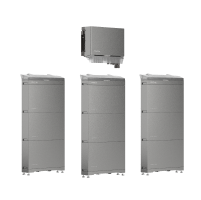
The EcoFlow PowerOcean 2 Plus Single Phase is a game-changer here. Equipped with 3 independent MPPTs (Maximum Power Point Trackers), it can track peak power across three different roof faces—perfect for complex Aussie roofs with north, east, and west orientations, or where local trees cast moving shadows. On top of that, it supports up to an impressive 24kW of PV input. This means you can start with a standard system size based on your current calculator results and easily expand your solar array as your family grows or when you get an EV, without the headache and expense of replacing your core inverter.

How to Verify Your Solar Calculator Results Before Installation
Before you put pen to paper with an installer, it’s wise to double-check those online estimates against real-world physical constraints.
Measure Your Roof's Usable Area
Each physical panel takes up roughly 1.8 to 2 square metres. So if a calculator spits out a figure like 13.2 kW, which translates to about 30 to 33 panels, you’ll want to double-check that your roof actually has enough clear, unshaded space to fit them all.
Check Local Net Metering Rules
Every state and network distributor across Australia, whether it’s Ausgrid, Energex, or Powercor, has its own rules on how much solar you can export back to the grid. Some cap exports at 5 kW, which makes a battery look a whole lot more appealing.
Review Available Incentives and Rebates
Don’t forget about the solar rebate, those Small-scale Technology Certificates or STCs, which act as a point-of-sale discount. Depending on where you live, say Victoria or the ACT, there might also be state-specific battery subsidies or interest-free loans to help take the sting out of the upfront cost.
Request a Professional Shading Assessment
An installer using a tool like Nearmap or a physical solar pathfinder can give you an exact look at how shadows will fall across your roof during winter versus summer. This is something a basic online calculator simply cannot do.
Compare System Quotes Beyond Price
Cheap solar can turn out to be expensive down the track when things start failing. Compare quotes on warranty periods, the installer’s reputation, and the quality of the gear itself—think Tier 1 panels and smart, scalable inverters that can grow with you.
.png)
How Can You Improve Solar Performance After Installation?
Once the installers pack up their ladders and drive off, your solar journey is just beginning. Here is how you keep those savings rolling in.
Increase Solar Self-Consumption
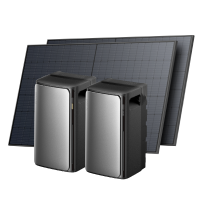
One of the simplest ways to cut your power bill is to shift more of your energy use into daylight hours. Run appliances like the washing machine, dishwasher, or pool pump while your panels are generating power, and you’ll boost your self-consumption and lean less on the grid. However, homes often produce more solar energy than they can use during the day. Storing this surplus electricity in an EcoFlow Solar Battery allows it to be used later when solar generation drops, helping households make better use of the energy they generate.
Real-Time Energy Performance Monitoring
Solar calculators give you a solid starting point, but they’re working off fixed assumptions. Real life throws in shifting weather, changing seasons, and unpredictable family routines. To get the best out of your system, you need eyes on your daily energy flow.
The EcoFlow PowerInsight 2 puts your home energy data front and centre on an 11-inch high-definition touchscreen. Instead of guessing, you can see real-time solar generation, battery levels, household loads, and exactly where the power’s going. The AI Energy OS underneath digs into your generation and consumption patterns, then automatically tweaks charging and discharge schedules to suit. That way you can line up the calculator’s predictions against what’s actually coming off your roof, and adjust your habits to squeeze every last bit of value from your solar investment.
Reduce Energy Costs with Data Insights
By seeing exactly which appliances are guzzling the most power in real time, you can make smarter calls. For example, pre-cool your place in the afternoon while the sun’s still up, rather than kicking the AC on during peak grid hours when it will cost you. A connected Home Energy Ecosystem can help integrate solar generation, storage, and household consumption data, allowing homeowners to optimise energy usage more effectively.
Adapt Your System to Changing Energy Needs
As your lifestyle changes over time, keep an eye on your energy trends. A system that tracks performance and supports expandable components means you can tweak your solar and storage setup along the way, without having to rip everything out and start over.
Schedule Your Free Consultation Today!
What kind of product or solution are you interested in?

Conclusion
A solar calculator is a great place to start for sizing up your home’s solar potential, but real results come down to picking the right gear. Pair your initial estimates with a solid, expandable inverter like the EcoFlow PowerOcean 2 Plus, and keep tabs on your daily usage with the EcoFlow PowerInsight 2. That way, you’re setting yourself up for an efficient system that can grow with you. Clean energy, lower bills, and less to worry about.
FAQ
How accurate is a solar power calculator?
Most online solar calculators are highly accurate for general estimations but cannot account for specific local shading or unique roof layouts. They rely on regional historical climate data and standard system efficiency rates, which gives you a fantastic starting point before a pro does a site check.
Can I rely on a solar calculator without a professional assessment?
No, a calculator alone won’t cut it. You shouldn’t buy a system based purely on an online estimate without getting a professional on-site or digital assessment first. An accredited installer needs to verify your roof’s structural integrity, check for any shading issues, and make sure your switchboard can handle the new setup.
Can a solar calculator estimate battery size?
Yes, more advanced calculators can give you a ballpark on battery storage based on your overnight usage. They typically look at how much excess solar you’re generating during peak hours and match that against what you’re drawing in the evening.
Do solar panels produce enough power in winter?
Absolutely, panels still generate reliable power through winter, though total output will drop compared to summer thanks to shorter days. That said, panels actually run more efficiently in cooler weather, so on a clear, crisp winter’s day they can perform surprisingly well across Australia.
Is a solar power calculator free?
Yes, almost all online solar power calculators are completely free to use. They are provided by government websites, consumer advocacy groups, and solar providers to help homeowners understand their potential savings.