Solar Panel Size: How to Choose the Right Dimensions for Your Roof
Choosing the right solar panel size means balancing two key factors: how much electricity your household uses and how much usable roof space you actually have. In this guide, we’ll break down why dimensions matter, how to measure your space like a pro, and how to integrate smart tech to make sure every square centimetre of your roof is working hard for you.
Why Choosing the Right Solar Panel Size Matters
It might be tempting to just “go big” and hope for the best, but solar design is a bit more nuanced than that. Getting the size right ensures your system lives up to its potential without any nasty surprises during installation.
1. Impact on Total Energy Generation & Clipping Losses
If your panels are oversized relative to your inverter, you might run into clipping losses. This happens when your panels produce more DC power than your inverter can convert into AC power for your home. While a bit of “overclocking” is standard in Australia (usually a 1.33:1 ratio), going too big without a plan means wasting perfectly good sunshine.
2. Maximizing Roof Space & Self-Consumption
In Australia, the solar landscape is shifting. With Feed-in Tariffs (FiT) across most states hitting record lows, the old strategy of “sell everything back to the grid” isn’t the moneymaker it used to be. The real value now lies in self-consumption.
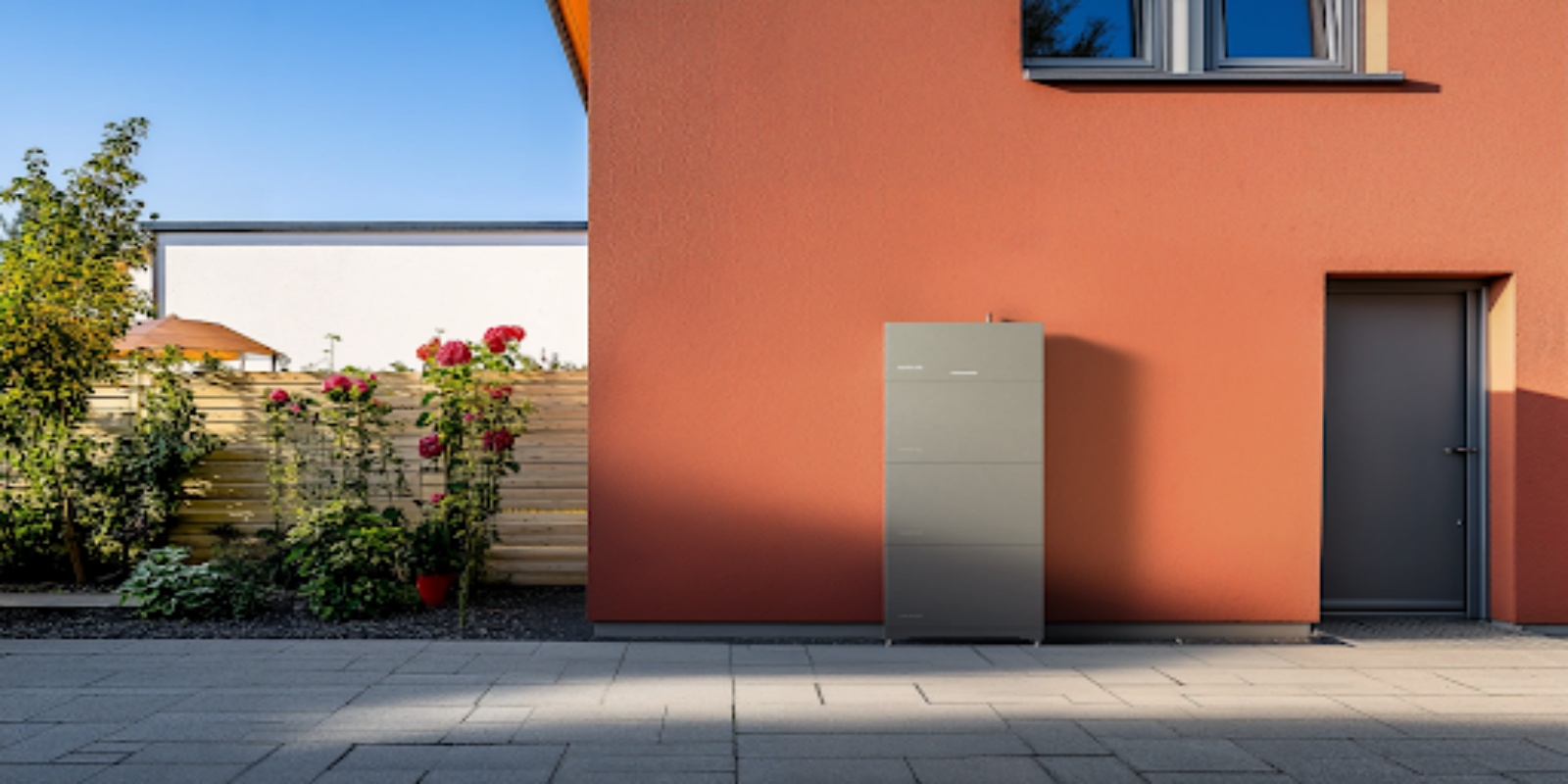
To make this work, you need the right panel layout paired with a smart storage solution. For instance, modular systems like the Ecowflow PowerOcean (Single-Phase) allow you to store that excess midday soak-up and use it when the sun goes down or during peak evening rates. It’s about making your roof dimensions work for your lifestyle, not the grid’s.
3. Aesthetic & Structural Integrity
You don’t want your house looking like a science experiment gone wrong. Choosing the right physical dimensions ensures a clean “curb appeal.” Moreover, standard-sized panels are easier for installers to secure against the Aussie elements like those sudden East Coast lows or Perth’s afternoon “Doctor” winds.
Common Solar Panel Sizes and Types in Australia
Not all panels are built the same. Depending on whether you’re powering a terrace house in Paddington or a sprawling farm in the Riverina, your options will vary.
1. Residential Standards
The standard residential solar panel size is typically around 1.7m × 1.1m, which equals roughly 1.9 square metres per panel. These are easy to handle and fit into the nooks and crannies of complex Australian rooflines (like those tricky hip and valley roofs).
2. High-Efficiency N-Type Panels
In 2026, N-Type panels have become the go-to. They offer better longevity and efficiency. Because they pack more “punch” per square metre, you can often get a higher system capacity (like 10kW) using fewer physical panels than you could a few years ago.
3. Large-Format Commercial Panels
Commercial panels are beefier, often exceeding 2.2m in length. While they generate more power per unit, they are heavier and harder to maneuver on a pitched residential roof.
To make the differences clearer, the table below shows the typical size and wattage ranges of common solar panel types used in Australia.
| Panel Type | Typical Dimensions | Area | Wattage |
|---|---|---|---|
| Standard Residentia | 1.7m × 1.1m | ~1.9 m² | 400W–440W |
| N-Type High Efficiency | 1.7m × 1.1m | ~1.9 m² | 430W–460W |
| Large Commercial | 2.2m × 1.3m | ~2.9 m² | 540W–700W |
When you start installing these high-power arrays, keeping track of the data is key. This is where a tool like Ecowflow PowerInsight 2 comes in handy. It’s a dedicated energy dashboard that lets you see exactly how your different arrays are performing in real-time. Instead of squinting at a tiny inverter screen in the garage, you get a clear, visual breakdown of your home’s energy flow right in your living room.
.png)
How to Measure Your Roof and Calculate Available Space
Ready to get the tape measure out? Before you climb the ladder, here’s how to calculate your “solar real estate.”
1. Step-by-Step Measurement Guide
Identify North-Facing Planes: In the Southern Hemisphere, North is your “money side” for consistent sun.
Account for Obstructions: Measure around chimneys, skylights, and vents.
Use Satellite Imagery: Tools like Google Earth are surprisingly accurate for a rough first draft.
2. Roof Material: Colorbond vs. Tile
Beyond just the square meterage, your roof material dictates how those panel dimensions actually sit on your home:
Colorbond (Metal): Considered the “gold standard” for solar in Australia. Panels can be laid out more flexibly because installers can screw brackets directly into the structural battens. It’s lightweight, meaning you have more “structural headroom” for those beefier 2026 N-type panels and the components of a comprehensive home energy ecosystem.
Tile (Terracotta/Concrete): Requires more precision. Installers must lift tiles to attach “roof hooks.” Since you’re restricted by the spacing of the tiles, your panel layout might need a bit more “breathing room” to ensure the weight is distributed evenly across the rafters.
3. Australian Standards & Setbacks
You can’t just cover every inch of tiles. According to guidelines referenced in Australian solar installation standards and industry practices, installers typically leave at least 200 mm clearance from roof edges to improve wind resistance and maintenance safety. This is crucial for wind loading—you don’t want your panels acting like a sail during a storm.
4. Calculating the Solar Array Layout
Take your usable area and divide it by the panel dimensions (e.g., 1.9㎡ per panel). Remember to leave small gaps for the mounting clamps—usually about 20mm between panels.
Quick Calculation Example:
If your total usable roof area is 40 m², and you are using standard 1.9 m² panels:
Number of Panels = 40 m² ÷ 1.9 m² ≈ 21 panels
Based on 2026 high-efficiency 440W modules:
21 panels × 440 W = 9,240 W (≈ 9.24 kW total system capacity)
Expert Tips for Choosing the Right Panel Size for Maximum Efficiency
Here are three expert tips to ensure your panel size and placement translate into maximum energy yield:
1. Matching Panel Specs to Inverter Capacity
Ensure your total panel wattage doesn’t exceed your inverter’s maximum DC input. A well-matched system prevents those clipping losses we mentioned earlier and keeps the hardware running cool.
2. Orientation & Tilt
Since we are down under, a north-facing orientation with a tilt roughly equal to your latitude (usually between 25° and 35°) is considered the gold standard. However, east–west panel layouts are becoming increasingly popular for families who use more electricity in the mornings and afternoons.
3. Ventilation & Thermal Performance
Panels need to breathe! Always ensure there is a gap of at least 50mm-100mm between the roof surface and the panels. If they get too hot—which happens plenty in the Aussie summer—their efficiency drops. Airflow is your best friend for maintaining peak performance.
Schedule Your Free Consultation Today!
What kind of product or solution are you interested in?

Conclusion
Choosing the right solar panel size is the foundation of a high-performing home energy system. By measuring accurately, respecting Aussie standards, and choosing high-efficiency tech, you’re setting yourself up for decades of low-cost, green energy. For those looking to truly maximize their independence, pairing the right array with solar batteries ensures that none of that hard-earned sunshine goes to waste.
FAQs
1. What is the size of a standard solar panel?
A standard residential solar panel currently measures roughly 172cm x 113cm, though you’ll find slight variations depending on whether you go with high-efficiency N-type modules or older tech. While the physical footprint hasn’t changed drastically, the “wattage density” has shot up, meaning you get way more power (often 415W to 440W+) out of the same dimensions than you did five years ago.
2. How many solar panels can fit on an average Australian roof?
Most standalone Aussie homes can comfortably fit between 20 and 30 panels, which usually nets you a system size between 8.5kW and 12kW. Of course, this depends on your “usable” roof real estate—if you’ve got a complex roof with lots of gables, skylights, or vent pipes, your installer might have to get creative with smaller panel layouts or different orientations to avoid shading.
3. Is 6.6 kW solar enough for a 4 bedroom house?
A 6.6 kW system is a solid “starter pack,” but it often falls short for a modern 4-bedroom family home with heavy aircon use, a swimming pool, or an electric vehicle (EV) in the driveway. While 6.6kW used to be the “sweet spot” for government rebates, the dropping cost of panels means most families now opt for 10kW or more to avoid “bill shock” during those sweltering Aussie summers.
4. Why is 10kW becoming the new gold standard in 2026?
10kW is the new benchmark because it generates enough “buffer” energy to charge a home battery and an EV simultaneously while still running your household appliances. With Feed-in Tariffs (FiTs) hitting record lows across the country, the goal in 2026 isn’t to sell power back to the grid for a few cents—it’s to store every drop of sun in a system like PowerOcean so you can be almost entirely self-sufficient.
A Note on Grid Limits: While 10kW is the goal, your home’s electrical setup matters. If you are on Single Phase power (common in older Aussie suburbs), most networks limit your inverter export to 5kW. This is why many homeowners in 2026 are upgrading to Three Phase power—it allows for larger 10kW+ inverters and ensures you can fast-charge your EV while the aircon is blasting, without tripping the mains.
5. Can I install commercial-size panels on a residential roof?
Yes, you can physically fit them, but they are often a headache for residential installers due to their sheer size and weight. Commercial panels (usually 2.2m + long) are designed for flat warehouse roofs; on a pitched house roof, they are harder to handle in the wind and offer less flexibility if you need to work around chimneys or vents. Stick to residential-spec panels for a cleaner, safer fit.